






Kostel svatého Klementa (Chlumčany) Church
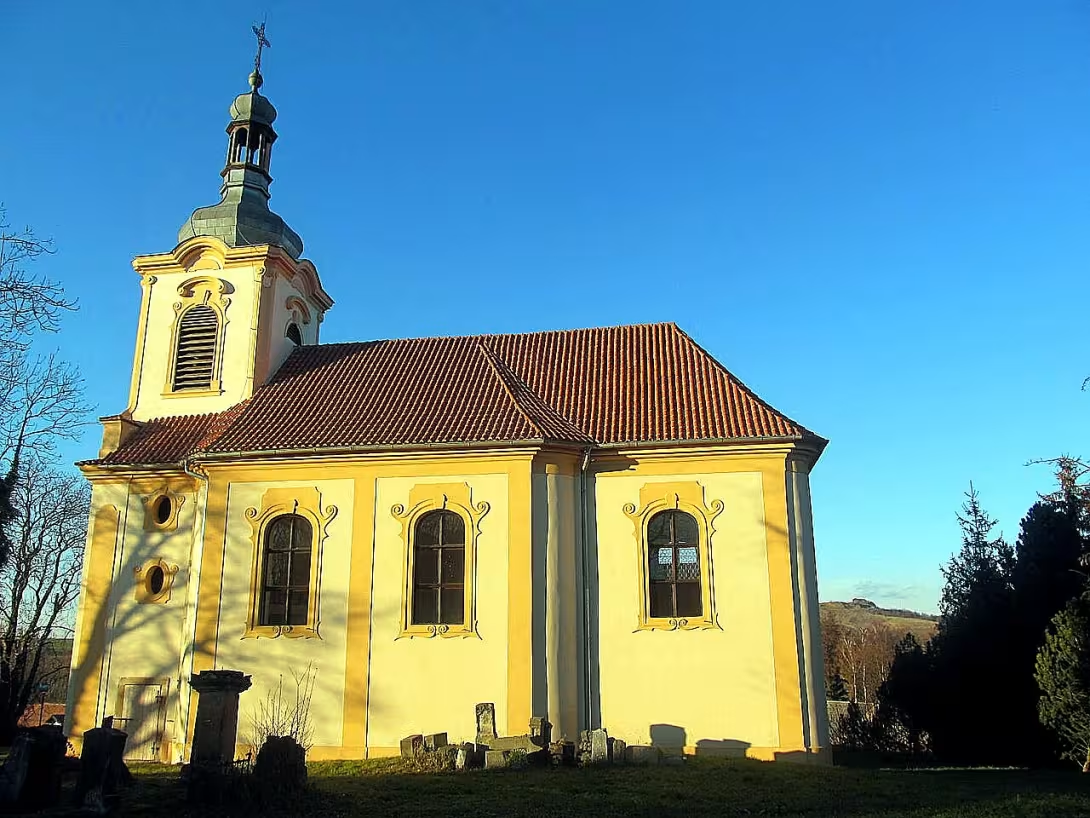
The Church of Saint Clement in Chlumčany is a Roman Catholic filial church located within the Louny District. First mentioned in historical records in 1354, it was demolished in 1770 and replaced by a new structure built in late Baroque style between 1770 and 1774. This monument stands out for its architectural features and cultural significance, having been protected as a heritage site since 1964.
The origins of the Church of Saint Clement trace back to 1354 when it was first recorded during Charles IV's reign over Bohemia in the Holy Roman Empire. By the late eighteenth century, reflecting Habsburg Monarchy influences, the original church underwent significant changes. In 1770, the old structure was demolished for a new building completed between 1770 and 1774. The architecture reflects the period’s stylistic preferences with ornate details and grandeur.
Architecturally, the Church of Saint Clement features a single-nave rectangular layout with a closed presbytery to the north and an attached square sacristy. Its western façade is notable for concavely recessed side sections and a central risalit adorned with pilasters, oval windows, and an oblong entrance portal topped by a segmental pediment. The church's steeple rises from this façade, featuring a gabled roof that culminates in a bulbous spire. Inside, the church boasts predominantly Rococo furnishings, including a main altar with an image of Saint Clement dating back to the late eighteenth century. Side altars dedicated to the Virgin Mary are adorned with sculptures of Saints Peter and Paul from the same period.
Throughout its history, the Church of Saint Clement has faced challenges that have shaped its current state. In the early nineteenth century, renovations were made to the church's tower, reflecting ongoing efforts to maintain and enhance its structure. However, by the mid-1980s, neglect had taken a toll on the building, leading to its inclusion in a list of churches in the Louny District slated for demolition. Fortunately, after the political changes of 1989, plans for demolition were halted, and restoration efforts commenced between 2010 and 2011, ensuring the church's preservation.
Today, the Church of Saint Clement stands as a testament to both its historical significance and architectural beauty. It remains accessible to visitors interested in exploring its rich history and intricate design. The church’s blend of late Baroque architecture and Rococo interior elements makes it an intriguing site for those keen on understanding Chlumčany's cultural heritage. Its preservation as a cultural monument underscores its importance, inviting both locals and tourists alike to appreciate this remarkable piece of Czech history.
Then and now
Drag the slider to compare how the landmark may have looked when it was built with the view today.
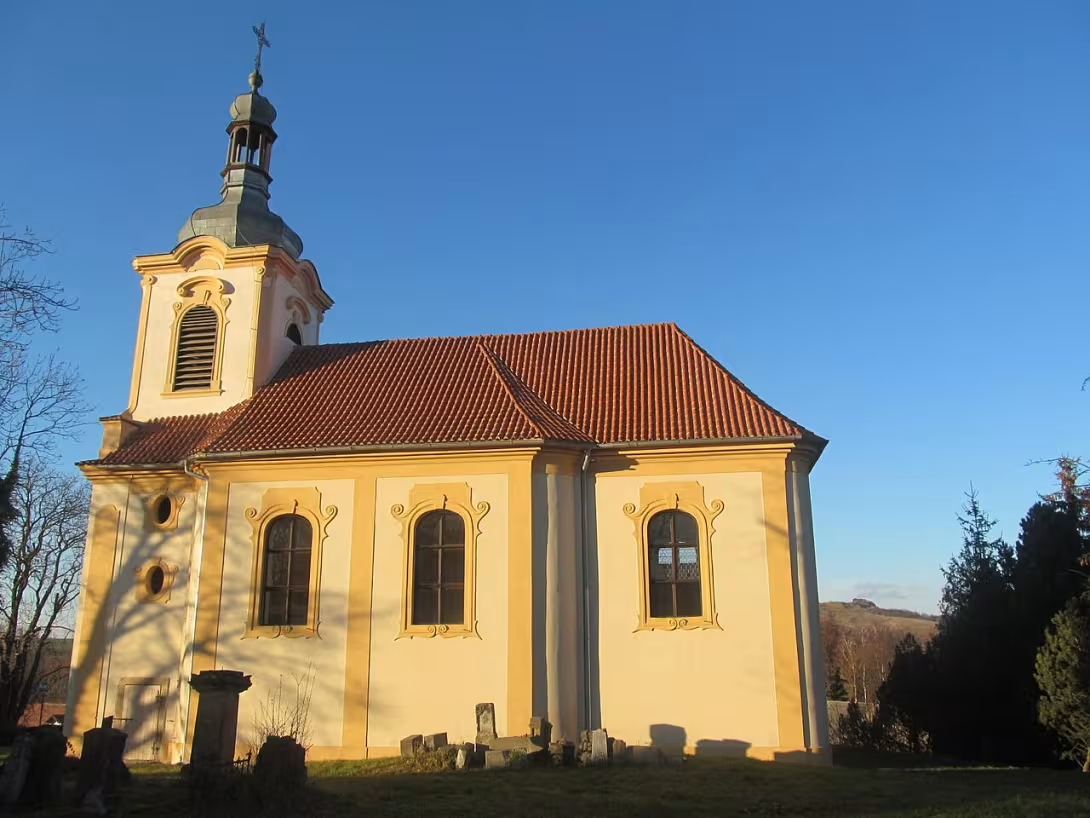
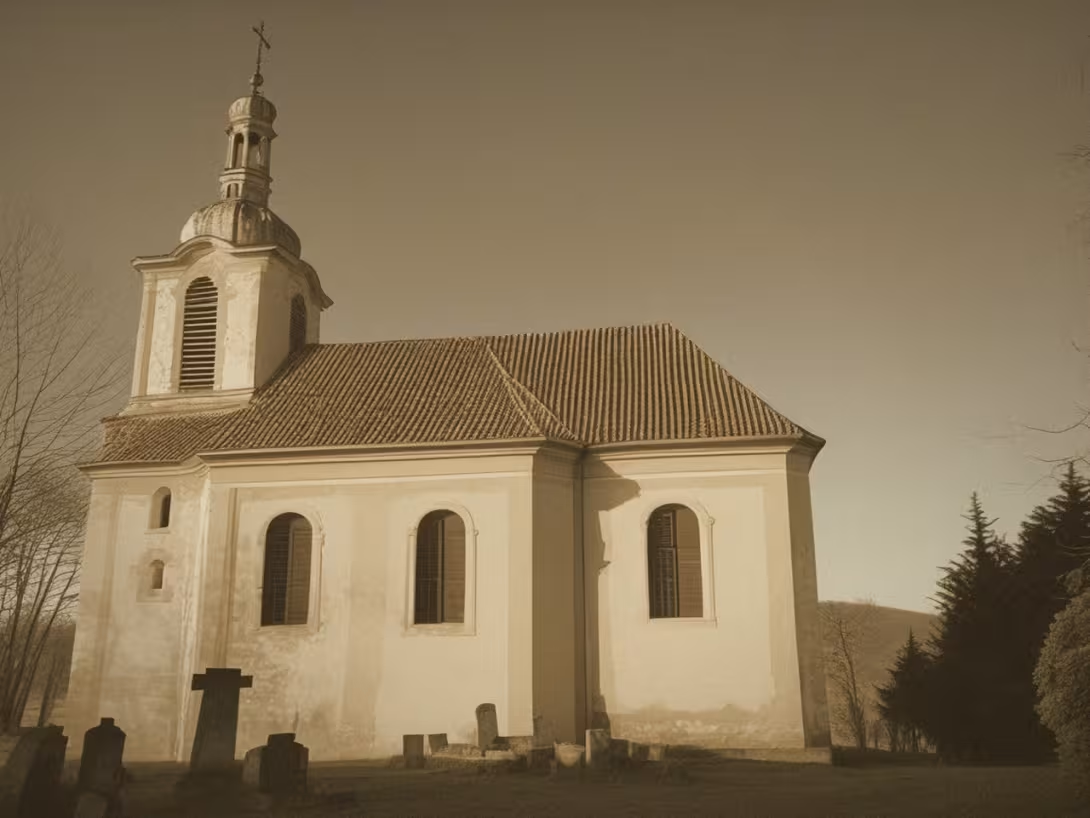
The historical appearance on the left is an AI-generated visualisation and serves as inspiration only.
Historical milestones
- 1354
- First mention of a church in Chlumčany.
- 1770
- Demolition of the original church and commencement of new construction.
- 1986
- Church listed for demolition due to neglect.
Architectural development
The Church of Saint Clement was originally mentioned in 1354, but its current form dates back to a late Baroque reconstruction completed between 1770 and 1774. The church features a single-nave rectangular layout with a closed presbytery and an attached sacristy. Notable architectural elements include the western façade's concavely recessed side sections, central risalit with pilasters, oval windows, and an oblong entrance portal topped by a segmental pediment.
Historical events
First mentioned in historical records in 1354.
Demolished in 1770, with a new church built between 1770 and 1774.
Added tower renovations in the early nineteenth century.
Restoration completed between 2010 and 2011.
Points of interest
- The Church of Saint Clement was first mentioned during the reign of Charles IV, a Holy Roman Emperor known for his patronage of arts and education, which could have influenced its initial construction. - Despite being demolished in 1770, the church's original structure likely contained Gothic architectural elements typical of Bohemian churches from the mid-14th century.
- The Rococo furnishings inside the Church of Saint Clement, including the main altar with an image of Saint Clement, reflect a stylistic transition that was prevalent during the late eighteenth century, showcasing the cultural shifts under Habsburg influence.
- In 1989, political changes in Czechoslovakia played a crucial role in halting the church's planned demolition, highlighting how historical preservation efforts can be influenced by broader socio-political contexts.
- The restoration efforts between 2010 and 2011 not only saved the Church of Saint Clement from destruction but also revitalized interest in its architectural significance and cultural heritage within Chlumčany.
Guide
This guide is narrated by a synthetic voice generated by artificial intelligence.
Show guide text
This text was created by artificial intelligence and has not been editorially reviewed. It may contain inaccuracies.
Welcome to the Church of Saint Clement in Chlumčany! As you stand before this historic site, take a moment to soak in its serene presence nestled within the village's landscape. The church, now a Roman Catholic filial church, has been an integral part of the community since it was first mentioned in records dating back to 1354.
The story of this church begins in the reign of Charles IV, a Holy Roman Emperor renowned for his patronage of arts and education. It is believed that his influence may have played a role in the original construction of the church during this period. However, the structure you see today was not built until much later. In 1770, the original church was demolished to make way for a new design reflecting the late Baroque style—a testament to the architectural evolution over centuries.
As you look around, notice the single-nave rectangular layout of the church with its closed presbytery extending towards the north. These features are characteristic of the period's architectural sensibilities and offer a glimpse into the design trends that prevailed at the time of its reconstruction between 1770 and 1774.
While specific architects remain unknown, the Church of Saint Clement stands as a silent witness to numerous untold stories and historical figures who have walked these grounds. It is a place where history whispers through the stones, inviting you to imagine the lives intertwined with this sacred space.
One intriguing aspect of this church's history is its connection to the Gothic elements likely present in its original structure before 1770. Although now lost to time, these features hint at the rich architectural tapestry that once adorned the site, blending seamlessly with the Baroque influences seen today.
As we conclude our brief journey through the Church of Saint Clement's storied past, I invite you to continue exploring this remarkable place. Reflect on its enduring legacy and the layers of history embedded within its walls. Thank you for joining me in uncovering a piece of Chlumčany's heritage.
Frequently asked questions
Can the monument be visited?
Religious buildings are usually open mainly during services; at other times a visit is normally arranged with the parish or the operator. We have not verified specific times.
Where is the monument?
Location: Chlumčany, Ústecký kraj. The map on this page shows the exact spot.
Why is the monument protected?
It is listed in the Central List of Cultural Monuments of the Czech Republic as a cultural monument (register no. 43087/5-1146).
Businesses nearby
Do you run a restaurant, accommodation, shop, museum, rental, wellness or other visitor service near this monument? Show yourself directly to the people heading to it — this is how they will see you in the app and on the web:
Accommodation nearby
Themed route
Tematická výletní trasa: Kostel svatého Klementa (Chlumčany)
1. Kostel svatého Klementa, Chlumčany
- Typ: Historický kostel
- Proč stojí za návštěvu: Tento barokní kostel je nejen centrem duchovního života v obci, ale také architektonickou perli s bohatou historií. Jeho interiér nabízí krásné fresky a sochy, které přitahují návštěvníky z celého regionu.
2. Kaple svaté Anny
- Typ: Kaple
- Proč stojí za návštěvu: Nachází se v blízkosti kostela a slouží jako místo klidné ústraní pro modlitbu. Její jednoduchý, ale působivý design představuje dojemnou součást místního náboženského dědictví.
3. Náves v Chlumčanech
- Typ: Městská náves
- Proč stojí za návštěvu: Centrální náves je živým srdcem obce, kde se místní i návštěvníci setkávají. Je to místo pro relaxaci a prohlídku malého trhu či různých kulturních akcí, které zde pravidelně probíhají.
4. Místní muzeum
- Typ: Muzeum
- Proč stojí za návštěvu: I když není výslovně zmíněno v okolí, místní muzeum je součástí bezprostředního areálu kostela. Nabízí exponáty o historii a kultuře obce, což poskytuje hlubší vhled do života Chlumčanů v minulosti.
Tato trasa nabízí kombinaci náboženských památek, kulturních zážitků a příležitost k prohlídce místního života v Chlumčanech.
Seasonal recommendations
Jaro: In the spring season, St. Clement's Church in Chlumčany transforms into a radiant refuge when sunlight illuminates its architectural details and surrounding trees begin to bloom. This period brings warm light and mild weather, creating ideal conditions for visiting without excessive heat or cold. Visitors can expect the presence of blooming fields and gardens that add vibrant color to the surroundings. For a visit, it's advisable to choose lightweight clothing with layers depending on the temperature. Spring is not a peak season for visitors, so you can move around the site leisurely and explore its surroundings.
Summer: Summer brings long days filled with full sunlight that highlights St. Clement's Church in its best light. This period is ideal for visits during early hours when crowds are still scarce and cooler temperatures can be enjoyed. Summer often attracts more tourists due to beautiful weather and summer vacations, so it's recommended to arrive early or visit the site during less busy hours. The church offers captivating bird songs and fresh air, creating a peaceful atmosphere for relaxation. Given the warm days, it is advisable to dress in light clothing with sun protection.
Autumn: Autumn offers St. Clement's Church an atmosphere full of colorful leaves as surrounding trees glow in shades of pink, yellow, and orange. This period is ideal for photography and leisurely walks in pleasant warmth that gradually decreases. Visitor numbers are typically moderate, allowing for a relaxed visit without excessive crowds. Given the mild temperatures, it is advisable to choose clothing with layers to ward off afternoon chills. This time of year also offers opportunities to explore local cultural events or markets common during autumn.
Winter: Winter means a quiet and peaceful church where its architectural details are revealed in the light of icy rays or on sunny days. Visitor numbers are typically low, allowing for an intimate experience and tranquil tours. A winter visit can include views of local Advent events or Christmas markets that add extra magic to the atmosphere.
Visualizations and artistic views


The visualisations are generated by artificial intelligence and serve as inspiration.
Photos from the area
Real photos taken near the monument


Zdroj a licence jsou uvedeny u každého snímku.
Tips from visitors
No tips yet. Be the first!
Log in and add your tip.
Sources and literature
Photos: Gortyna / CC BY-SA 3.0 — Wikimedia Commons. The author and licence also appear when you hover over the image.
Faktickým podkladem tohoto textu byl článek na Wikipedii, jehož autory jsou přispěvatelé Wikipedie. Článek je dostupný pod licencí CC BY-SA 4.0.
Location on the map

Příběhy a pověsti
Legendy, pověsti a příběhy spjaté s touto památkou
Fotografie návštěvníků
Zatím žádné fotografie. Buďte první, kdo přidá fotografii z návštěvy!
Log in a přidejte svou fotografii nebo hodnoťte.
Za ověřenou návštěvu v aplikaci získáte víc bodů — poznáme podle GPS, že jste na místě.
Reviews and comments