






Kostel svatého Linharta (Vysoké Žibřidovice) Church
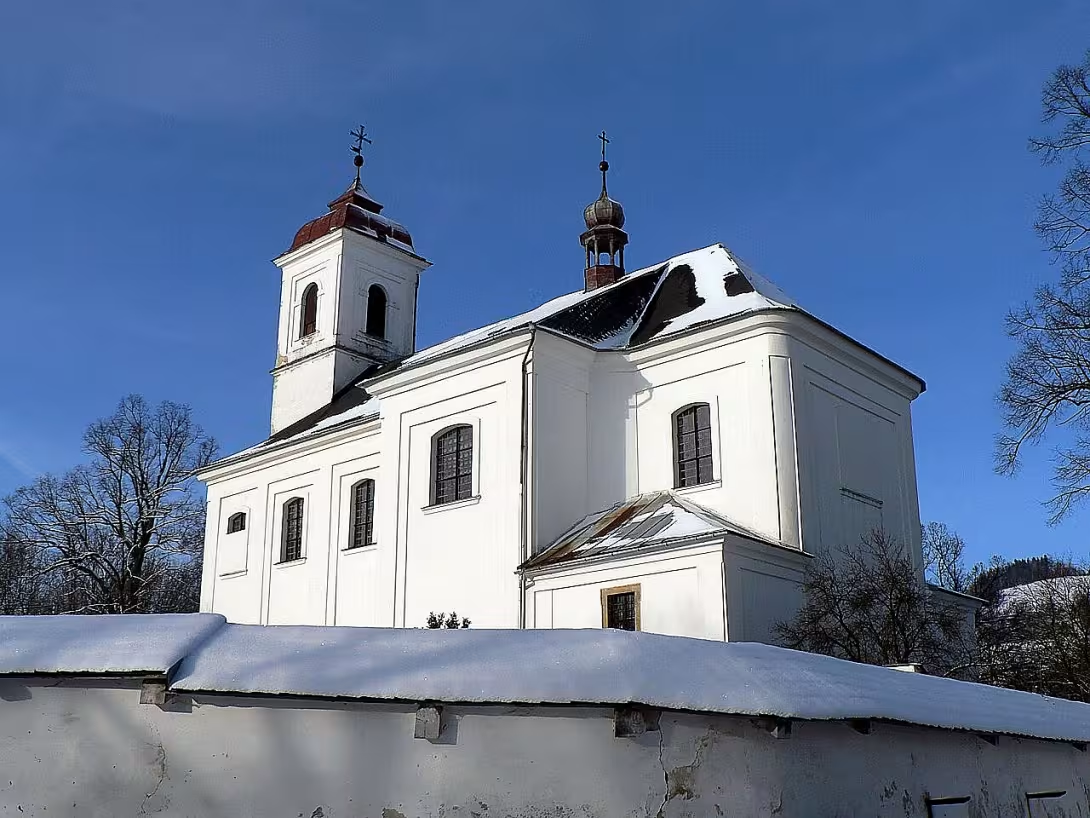
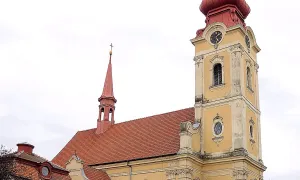
The Church of Saint Linhart in Vysoké Žibřidovice is an outstanding example of early 18th-century Baroque architecture. Situated in the picturesque village within the Hanušovice district of Olomoucký kraj, it was built between 1714 and 1721 to replace a wooden church destroyed during the Thirty Years' War. Recognized as a cultural monument in 1964 for its architectural significance and valuable Baroque furnishings, this church is notable for both its historical importance and artistic contributions.
The origins of the Church of Saint Linhart are deeply rooted in the region's turbulent history. Initially, Vysoké Žibřidovice had a parish church in the 16th century, which was destroyed during the Thirty Years' War (1618-1648). The new Baroque church dedicated to Saint Linhart emerged between 1714 and 1721, marking a period of reconstruction. In 1735, a school was established near the church, reflecting its growing community importance. By 1784, the parish had been re-established, further solidifying the church's central role.
Architecturally, the Church of Saint Linhart exemplifies Baroque style with grandeur and intricate details. It features a single-nave design with a quadrangular tower integrated into the western facade, which includes a distinctive pietra dura portal. Above this entrance, a cartouche displays the Lichtenštejn coat of arms, adding historical allure. The church's exterior is enclosed by an enclosing wall, enhancing its majestic presence.
Inside, the church boasts a high nave with vaulted ceilings and lunettes, creating an impressive spatial experience. The presbytery, narrower than the nave, is separated by a full triumphal arch adorned with ornamental frescoes. Stucco mirrors above the lunettes add to the interior's decorative richness. A particularly notable feature is the main altar, crafted by Moravian sculptor Severin Tischler, whose work adds significant artistic value.
The grounds of the Church of Saint Linhart also hold intriguing elements that contribute to its historical narrative. An Empire-style rustic iron cross from 1839 stands prominently on a stone base, featuring kneeling angels and reliefs depicting Victorious Christ, Saint John the Evangelist, and Mary Magdalene. This cross adds artistic and spiritual significance to the site.
Today, the Church of Saint Linhart remains an accessible cultural monument that continues to attract visitors interested in Baroque architecture and history. Its well-preserved state allows for a deeper appreciation of its architectural beauty and historical context. The church's inclusion on the list of cultural monuments underscores its importance as a heritage site worth exploring.
Visiting the Church of Saint Linhart offers a unique opportunity to step back into an era of artistic flourishing and historical resilience. Its rich history, combined with stunning Baroque architecture, makes it a must-see destination for anyone interested in European cultural heritage.
Then and now
Drag the slider to compare how the landmark may have looked when it was built with the view today.
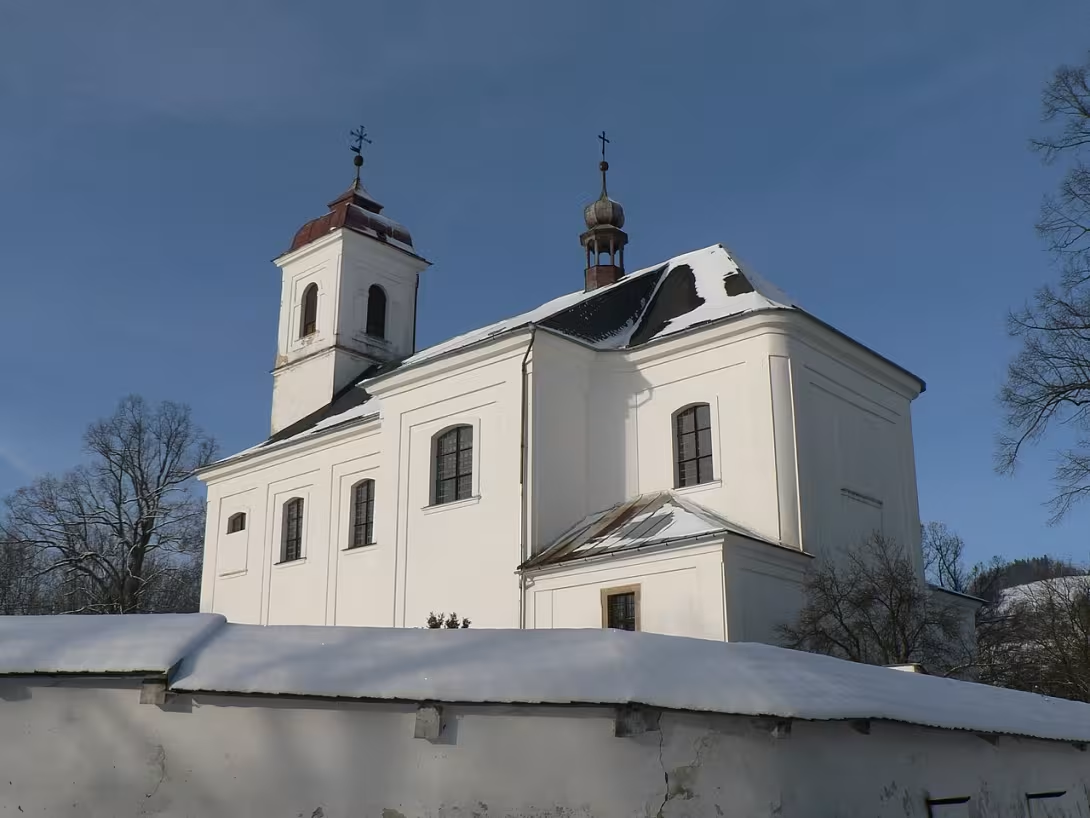

The historical appearance on the left is an AI-generated visualisation and serves as inspiration only.
Historical milestones
- 1618
- Zničení původního kostela během Třicetileté války
- 1714
- Počátek výstavby nového barokního kostela
- 1721
- Dokončení stavby kostela svatého Linharta
- 1735
- Založení školy u kostela
- 1784
- Obnovení farnosti v Vysokých Žibřidovicích
- 1964
- Uznání kostela za kulturní památku
Architectural development
The Church of Saint Linhart showcases Baroque architectural elements with its high nave featuring vaulted ceilings and lunettes. The presbytery is narrower than the nave, separated by a full triumphal arch adorned with ornamental frescoes. Notable interior features include stucco mirrors above the lunettes and a main altar crafted by Moravian sculptor Severin Tischler.
Historical events
The original wooden church in Vysoké Žibřidovice was destroyed during the Thirty Years' War (1618-1648).
A new church dedicated to Saint Linhart was built between 1714 and 1721.
In 1735, a school was established near the church.
The parish was re-established in 1784.
Points of interest
- The Church of Saint Linhart is named after a relatively obscure saint, Linhart of Görz, who was known for his piety and dedication to monastic life in the 11th century. His legacy is less celebrated compared to more prominent saints like St. Wenceslas or St. John of Nepomuk.
- During its construction period from 1714 to 1721, local folklore suggests that a mysterious benefactor, whose identity remains unknown, funded the building of the church. This has led to various legends about hidden treasures and secret societies associated with the site.
- The pietra dura portal on the western facade is said to have been crafted by an Italian artisan who mysteriously vanished after completing his work. His disappearance adds a layer of intrigue to the already rich history of the church's architectural elements.
- In 1784, when the parish was re-established, it coincided with a rare astronomical event—a solar eclipse visible from Vysoké Žibřidovice—which local villagers interpreted as an omen of renewed prosperity and spiritual significance for their community.
- The Empire-style rustic iron cross on the church grounds is rumored to have been commissioned by a local noblewoman who had a vision during a pilgrimage. Her story, though not widely documented, adds a personal narrative to the historical fabric of the site.
Guide
This guide is narrated by a synthetic voice generated by artificial intelligence.
Show guide text
This text was created by artificial intelligence and has not been editorially reviewed. It may contain inaccuracies.
Welcome to Vysoké Žibřidovice! You are standing before a unique monument of history and architecture – the Church of Saint Linhart, an excellent example of baroque art from the early 18th century. Before you stands an elegant structure with a single-nave design and a prominent square tower integrated into its western façade. The church, built between 1714 and 1721, replaced an older wooden church that was destroyed during the Thirty Years' War.
Let's delve into its origins. In 1618, amid widespread conflict and chaos, the original church was destroyed during the Thirty Years' War. After these tumultuous years, the community gathered to build what you see today: a new baroque Church of Saint Linhart. Although no specific architects or historical figures are known for its creation, their work remains an impressive legacy.
Look up at the church and notice its elegant façade. Its simple yet majestic design reflects the baroque aesthetics of a time when architecture focused on harmony and balance. The interior is full of peace and reverence, with each detail telling its own story.
Now let's look at key events associated with this monument. After its completion in 1721, a school was founded here in 1735, highlighting the church's historical significance as a community center. In 1784, the parish of Vysoké Žibřidovice was restored, making this church the spiritual hub for local residents.
Let me share an interesting fact about Saint Linhart. This relatively lesser-known saint was known for his piety and devotion to monastic life in the 11th century. His legacy, though less celebrated compared to figures like Saint Wenceslas or Saint John of Nepomuk, attracts those interested in history and spiritual life.
Finally, here's something that might interest you: this monument was recognized as a cultural heritage site in 1964. This recognition not only confirms its historical and architectural value but also preserves it for future generations.
Thank you for visiting the Church of Saint Linhart. I hope this guide has inspired you to further explore and appreciate the rich stories that this monument holds. If you feel inclined to discover more, Vysoké Žibřidovice offer many other historical and cultural experiences waiting to be discovered. Have a great day!
Frequently asked questions
Can the monument be visited?
Religious buildings are usually open mainly during services; at other times a visit is normally arranged with the parish or the operator. We have not verified specific times.
Where is the monument?
Location: Vysoké Žibřidovice, Olomoucký kraj. The map on this page shows the exact spot.
Why is the monument protected?
It is listed in the Central List of Cultural Monuments of the Czech Republic as a cultural monument (register no. 34141/8-1232).
Businesses nearby
Do you run a restaurant, accommodation, shop, museum, rental, wellness or other visitor service near this monument? Show yourself directly to the people heading to it — this is how they will see you in the app and on the web:
Events nearby


Zdroj akcí: otevřená data měst a obcí ČR (Národní katalog otevřených dat) a kalendář akcí Národního památkového ústavu.
Accommodation nearby
Themed route
Tematická výletní trasa: Kostel svatého Linharta a okolí Vysokých Žibřidovic
1. Kostel svatého Linharta (Vysoké Žibřidovice) - Typ: Náboženský památník - Proč stojí za návštěvu: Tento barokní kostel je centrem duchovního života v obci Vysoké Žibřidovice. Jeho architektura a historický význam přitahují návštěvníky, kteří se zajímají o kulturní dědictví Olomouckého kraje.
2. Kaple svaté Anny (Vysoké Žibřidovice) - Typ: Kaple - Proč stojí za návštěvu: Tato kaple, nacházející se nedaleko kostela svatého Linharta, je známá svou klidnou atmosférou a krásným umístěním. Je ideálním místem pro odpočinek a reflektování po návštěvě hlavního kostela.
3. Národní sportovní centrum (Vysoké Žibřidovice) - Typ: Sportovní zařízení - Proč stojí za návštěvu: Toto centrum nabízí moderní sportovní zařízení a je výborným místem pro aktivity na venkově. Je to ideální místo pro ty, kteří chtějí spojit rekreační aktivity s návštěvou kulturních památek.
4. Obecní dům (Vysoké Žibřidovice) - Typ: Historický obecní objekt - Proč stojí za návštěvu: Obecní dům je historickou budovou, která představuje místní správní a kulturní život. Je zajímavý pro ty, kdo se zajímají o historii místní komunity a jejího rozvoje.
Tato trasa nabízí kombinaci náboženského dědictví, klidných kaplí, sportovních aktivit a historických objektů v obci Vysoké Žibřidovice.
Seasonal recommendations
Spring: Visiting the Church of Saint Linhart during spring offers a unique experience as nature awakens with vibrant colors and fresh blooms, creating a picturesque backdrop for the historic site. The soft morning light enhances the architectural details of the church, making it an ideal time for photography enthusiasts. As the weather becomes more temperate, visitors can enjoy outdoor seating areas around the church grounds. It's advisable to wear layers as temperatures can still be cool in the mornings and evenings. Early visits are recommended to avoid larger crowds that gather later in the day.
Summer: Summer is a popular season for exploring the Church of Saint Linhart due to its warm weather and extended daylight hours, which allow for longer exploration times. The lush greenery surrounding the church provides a serene atmosphere, perfect for leisurely walks or picnics nearby. However, this is also peak tourist season, so expect larger crowds, especially on weekends. To ensure a more comfortable visit, arrive early in the morning to beat the heat and the influx of visitors. Light, breathable clothing is recommended, along with sunscreen and water to stay hydrated.
Autumn: Autumn brings a stunning display of fall foliage around the Church of Saint Linhart, transforming the landscape into a tapestry of reds, oranges, and yellows. The cooler temperatures make for pleasant strolls through the church's vicinity as you admire the changing leaves. This is an excellent time to visit if you prefer quieter surroundings, as the summer crowds have dwindled. However, with shorter days, it's wise to plan your visit during daylight hours. Dress in layers to accommodate fluctuating temperatures and consider bringing a light jacket for cooler evenings.
Winter: Winter offers a unique charm at the Church of Saint Linhart, with its historic architecture standing out against a backdrop of snow-covered surroundings. The atmosphere is serene and tranquil, providing a peaceful escape from the hustle and bustle of daily life. Visitors should dress warmly in insulated clothing and wear comfortable shoes suitable for walking on potentially icy paths. Early visits are recommended not only to avoid crowds but also to make the most of limited daylight hours.
Visualizations and artistic views


The visualisations are generated by artificial intelligence and serve as inspiration.
Photos from the area
Real photos taken near the monument


Zdroj a licence jsou uvedeny u každého snímku.
Atmosphere of the place
This atmospheric visualisation of the place and period was generated by artificial intelligence. It is not real footage of the location.
Tips from visitors
No tips yet. Be the first!
Log in and add your tip.
Sources and literature
Photos: Martin Vavřík / Public domain — Wikimedia Commons. The author and licence also appear when you hover over the image.
Faktickým podkladem tohoto textu byl článek na Wikipedii, jehož autory jsou přispěvatelé Wikipedie. Článek je dostupný pod licencí CC BY-SA 4.0.
Location on the map

Příběhy a pověsti
Legendy, pověsti a příběhy spjaté s touto památkou
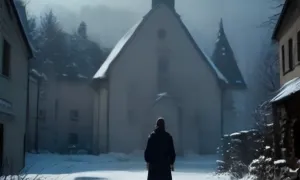
Příběh: Kostel svatého Linharta (Vysoké Žibřidovice)
Bylo to v pondělí ráno, kdy Martin zjistil, že jeho srdce znova unáší tíži úzkosti a nespavé noci. Život v těchto malebných místech, jak je Vysoké Žibřidovic…
Číst příběh
Pověst: Kostel svatého Linharta (Vysoké Žibřidovice)
Traduje se, že v podhorské vsi Vysoké Žibřidovice se lidé ještě dlouho po dostavbě nového kostela šeptem ptávali, kdo vlastně zaplatil za jeho vznik. Fara zd…
Číst příběhFotografie návštěvníků
Zatím žádné fotografie. Buďte první, kdo přidá fotografii z návštěvy!
Log in a přidejte svou fotografii nebo hodnoťte.
Za ověřenou návštěvu v aplikaci získáte víc bodů — poznáme podle GPS, že jste na místě.
Reviews and comments