






Kostel svatého Martina (Žárová) Church
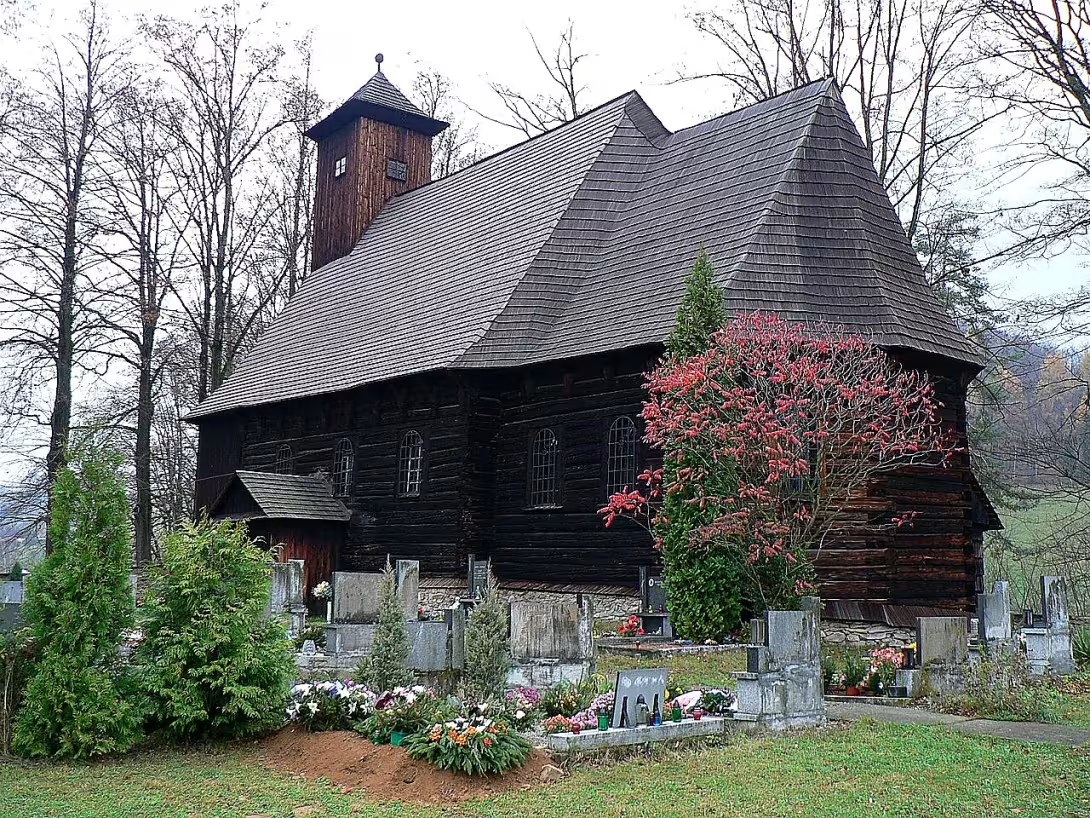
The Church of Saint Martin in Žárová is a significant monument of late Renaissance timber-framed church architecture. Situated in the village of Žárová within the Velké Losiny district of Olomoucký kraj, it was constructed in 1611 and remains notable for its authentic preservation without later alterations. Its historical significance is underscored by its designation as a protected cultural monument since 1958.
Built during a period marked by religious tensions between Protestantism and Catholicism in Bohemia, the church reflects the broader religious dynamics of the early 17th century, leading up to the Thirty Years' War. It was constructed as a Lutheran church under Jan Jetřich ze Žerotína, who completed this project planned by his father before passing away in 1608.
Architecturally, it showcases late Renaissance design with some Gothic elements. The structure uses timber from an older dismantled church in Velké Losiny, highlighting resourceful material use at the time. It features a polygonal chancel, a square tower, and a low narthex on the south side, all characteristic of its style. Over the years, it has undergone several restorations, including white interior painting in 1802, paving with square stones in 1837 and 1845, and repairs to surrounding beams affected by wood-boring insects in 2012.
Ownership and administrative changes have marked the church's history. Initially a Lutheran place of worship, it was attached to the Roman Catholic parish of Losiny after 1620, reflecting the shifting religious landscape of the region during that era.
Several key events and curiosities are associated with the Church of Saint Martin. The timber used for its construction came from an older church in Velké Losiny, commemorated by a votive plaque with the chronogram 1611 above the sacristy entrance. Additionally, the oldest preserved baroque tombstone dates back to the mid-18th century and is located near the church's entrance.
Today, the Church of Saint Martin stands at the center of an enclosed cemetery, rumored to contain graves from a plague epidemic in 1680. Nearby features include a stone cross and a memorial for fallen soldiers from both World Wars. The church remains accessible to visitors interested in exploring its historical significance and architectural beauty.
The Church of Saint Martin is not only a testament to the religious history of the region but also an example of late Renaissance architecture preserved through centuries. Its authenticity and historical context make it a worthwhile visit for those interested in cultural heritage and architectural history.
Then and now
Drag the slider to compare how the landmark may have looked when it was built with the view today.
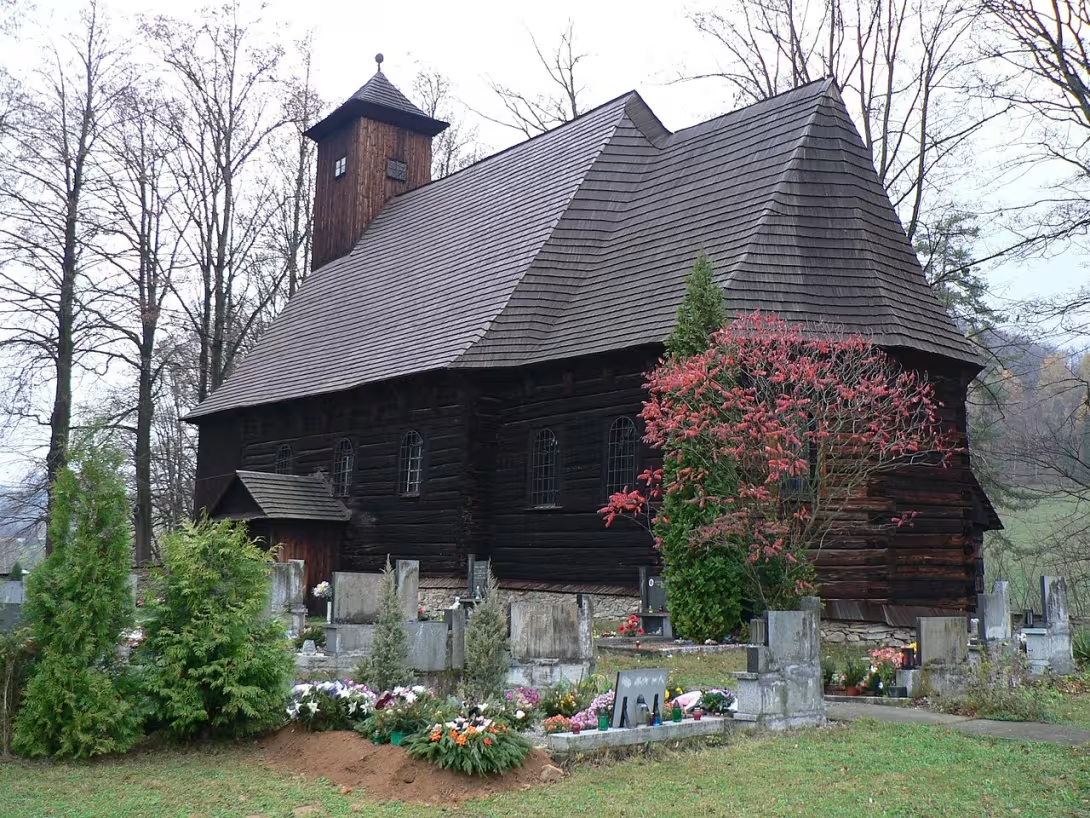
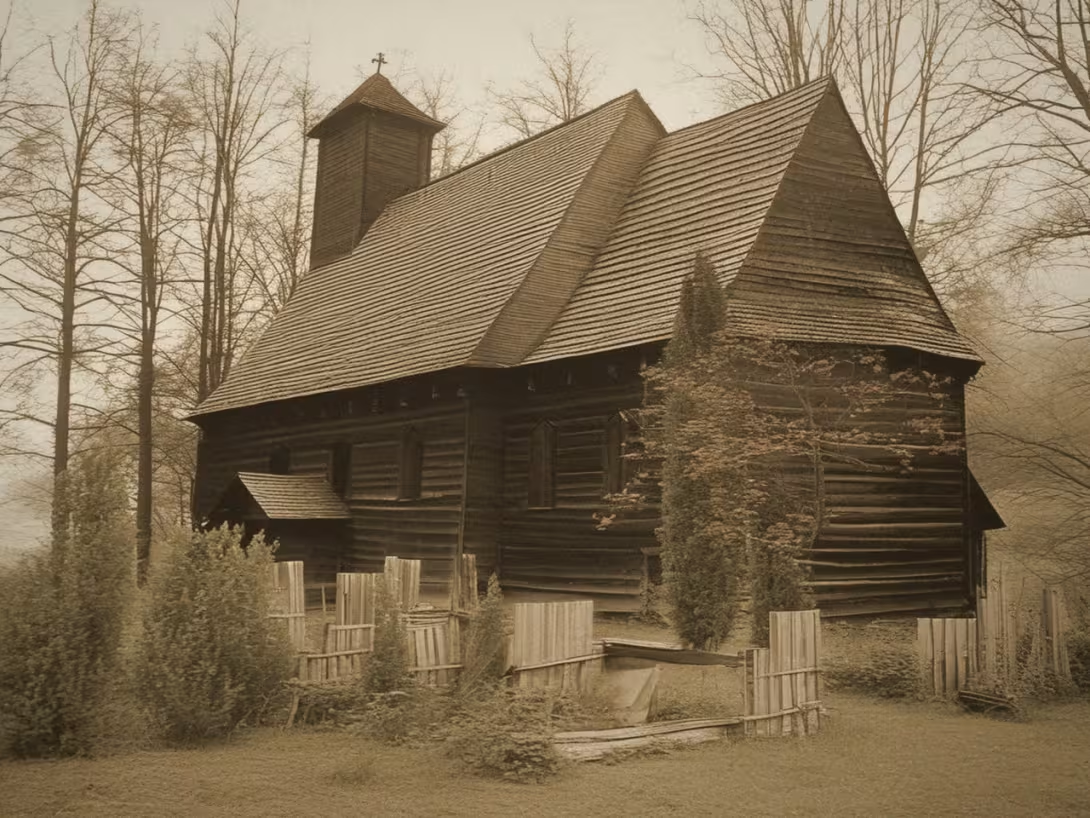
The historical appearance on the left is an AI-generated visualisation and serves as inspiration only.
Historical milestones
- 1611
- Construction of the church as a Lutheran place of worship.
- 1958
- Declared a protected cultural monument.
Architectural development
The Church of Saint Martin was constructed using timber from a dismantled older church in Velké Losiny, showcasing late Renaissance architecture with some Gothic elements. It has undergone several restorations: white interior painting in 1802, paving with square stones in 1837 and 1845, and repairs to the surrounding beams affected by wood-boring insects in 2012.
Historical events
- 1611
- Construction completed in 1611 as a Lutheran church.
- post-1620
- Attached to the Roman Catholic parish of Losiny after 1620.
Owners
- 1611
- Attached to Losiny Roman Catholic parish post-1620
Points of interest
- The Church of Saint Martin is built using timber from an older church in Velké Losiny, a practice that highlights the resourcefulness and continuity of local architectural traditions during its construction period.
- A votive plaque with the chronogram 1611 above the sacristy entrance commemorates the year the church was constructed, serving as a historical marker within the building itself.
- Rumors suggest that the enclosed cemetery surrounding the church contains graves from a plague epidemic in 1680, adding an element of mystery and historical depth to its grounds.
- The oldest preserved baroque tombstone near the church's entrance dates back to the mid-18th century, offering insights into burial practices and artistic styles of that era within the region.
- After being initially constructed as a Lutheran church, it was attached to the Roman Catholic parish of Losiny post-1620, reflecting significant religious shifts in Bohemia during the early 17th century.
Guide
This guide is narrated by a synthetic voice generated by artificial intelligence.
Show guide text
This text was created by artificial intelligence and has not been editorially reviewed. It may contain inaccuracies.
Welcome to the Church of Saint Martin in Žárová, a remarkable testament to late Renaissance timber-framed architecture nestled here in this serene location. As you stand before this historical gem, take a moment to absorb its charm and significance.
The origins of this church trace back to 1611 when it was constructed as a Lutheran place of worship by Jan Jetřich ze Žerotína. It stands as a testament to the religious and cultural transformations of that era, reflecting both faith and architectural ingenuity. Remarkably, the structure has remained authentic, untouched by later alterations, preserving its original essence.
As you gaze upon the church, notice its distinctive features: a polygonal chancel, a square tower, and a low narthex on the south side. These elements not only define its unique silhouette but also offer insight into the architectural practices of the time. The use of timber from an older church in Velké Losiny highlights the resourcefulness and continuity of local traditions during its construction.
The Church of Saint Martin is intertwined with significant historical figures, notably Jan Jetřich ze Žerotína, who played a pivotal role in its creation. His influence extends beyond this site, marking him as an important figure in the region's history.
A fascinating detail to explore is the votive plaque above the sacristy entrance, featuring the chronogram 1611. This small yet poignant marker commemorates the church’s origins and serves as a reminder of its historical journey.
As you continue your exploration, let this church inspire curiosity about its past and encourage further discovery in Žárová. Thank you for joining us on this journey through history; we hope it has enriched your understanding and appreciation of this cultural monument.
Tips for visitors
The best time to visit the Church of Saint Martin in Žárová is during late spring or early autumn when the weather is mild, and the natural surroundings are particularly beautiful. These seasons offer pleasant temperatures for walking around the church and its surrounding cemetery. Additionally, visiting outside of peak tourist season can provide a more serene experience, allowing you to appreciate the architectural details without large crowds.
Parking and transportation options near Žárová include both private car parking and public transport. The church is accessible by road, so driving there is convenient if you have access to a vehicle. For those preferring public transport, it's advisable to check current routes and schedules via an online search or local transit app. This will help ensure a smooth journey to the site.
When visiting the Church of Saint Martin, consider bringing comfortable walking shoes, as exploring the church grounds and cemetery can involve some walking on uneven surfaces. A camera is recommended for capturing the intricate details of the timber-framed architecture. Additionally, carrying a light jacket or sweater might be wise due to variable weather conditions.
For photography enthusiasts, the best spots around the Church of Saint Martin include the main facade of the church and the enclosed cemetery area. Early morning or late afternoon is ideal for capturing soft lighting that enhances the textures of the timber framing. The stone cross nearby also offers a picturesque backdrop for photos.
In terms of nearby attractions within 30 minutes, visitors can explore the historical sites associated with Jan Jetřich ze Žerotína and learn more about the region's history at local museums or cultural centers. The memorial for fallen soldiers from both World Wars is another poignant site to visit, providing a deeper understanding of the area’s past.
For families visiting with children, the Church of Saint Martin offers an engaging experience that combines historical learning with exploration. Children might enjoy exploring the cemetery and listening to stories about its history, including the rumored graves from the 1680 plague epidemic. The stone cross and memorial nearby can also serve as interesting points for discussion on local history.
Businesses nearby
Do you run a restaurant, accommodation, shop, museum, rental, wellness or other visitor service near this monument? Show yourself directly to the people heading to it — this is how they will see you in the app and on the web:
Events nearby
Zdroj akcí: otevřená data měst a obcí ČR (Národní katalog otevřených dat) a kalendář akcí Národního památkového ústavu.
Nearby
The church stands at the center of an enclosed cemetery, rumored to contain graves from a plague epidemic in 1680. Nearby features include a stone cross and a memorial for fallen soldiers from both World Wars.
Accommodation nearby
Themed route
Thematic Walking Tour: Žárová
1. Kostel svatého Martina (Church of St. Martin) - *Type:* Historical Church - *Why Visit:* This central landmark in the village of Žárová is a stunning example of Baroque architecture, offering visitors a glimpse into the region's rich religious history and architectural beauty. The church stands at the heart of an enclosed cemetery, adding to its historical significance.
2. Enclosed Cemetery - *Type:* Historical Site - *Why Visit:* Surrounding the Church of St. Martin is an intriguing enclosed cemetery rumored to contain graves from a plague epidemic in 1680. This site provides a poignant reminder of the village's past struggles and resilience, offering visitors a unique historical perspective.
3. Stone Cross - *Type:* Historical Monument - *Why Visit:* Located near the church, this stone cross is an important local landmark that adds to the spiritual and cultural landscape of Žárová. It serves as a symbol of faith and history, enriching the narrative of the village's past.
4. Memorial for Fallen Soldiers - *Type:* War Memorial - *Why Visit:* This memorial honors those who lost their lives in both World Wars, offering a place of reflection and remembrance. It provides insight into the impact of global conflicts on this small community, making it an essential stop for understanding local history.
This tour offers a compact yet enriching experience, focusing solely on significant sites within Žárová that highlight its historical and cultural heritage.
Seasonal recommendations
Spring: The arrival of spring brings a gentle renewal to the Church of Saint Martin, with its surrounding landscape awakening from winter's slumber. The soft light filtering through budding trees casts a serene glow on the church’s historic architecture, enhancing its intricate details and creating an inviting atmosphere for visitors. During this time, nature enthusiasts can enjoy the blooming flora around Žárová, which adds to the picturesque setting. It is advisable to wear comfortable layers as temperatures can vary, and early morning visits are recommended to avoid larger crowds that start gathering later in the day.
Summer: Summer at the Church of Saint Martin offers vibrant days filled with warm sunshine, ideal for exploring both the church's interior and its beautiful surroundings. The lush greenery and clear skies provide a perfect backdrop for photography enthusiasts. This is also one of the busiest times, so planning your visit early in the morning or later in the afternoon can help avoid peak tourist hours. Lightweight clothing and sun protection are essential to ensure a comfortable experience during this season's longer daylight hours.
Autumn: Autumn transforms the Church of Saint Martin into a stunning canvas of warm colors, as the surrounding foliage shifts from green to shades of orange, red, and gold. The softer light of autumn days enhances the church’s historic features, creating a cozy and inviting atmosphere. This is an excellent time for those who appreciate nature's changing palette. Visitors should dress in layers due to cooler temperatures and consider bringing a jacket or sweater as evenings can be quite chilly.
Winter: Winter at the Church of Saint Martin offers a unique charm with snow often blanketing the landscape, creating a picturesque scene that enhances the church’s historic beauty. The shorter days mean fewer visitors, allowing for a more intimate experience. However, it's important to dress warmly in insulated clothing and wear comfortable shoes suitable for potentially icy paths. Due to limited daylight hours, plan your visit during midday when lighting is optimal for appreciating the architectural details of this historical site.
Visualizations and artistic views


The visualisations are generated by artificial intelligence and serve as inspiration.
Photos from the area
Real photos taken near the monument


Zdroj a licence jsou uvedeny u každého snímku.
Tips from visitors
No tips yet. Be the first!
Log in and add your tip.
Sources and literature
Fotografie: Martin Vavřík / Public domain — Wikimedia Commons. The author and licence also appear when you hover over the image.
Faktickým podkladem tohoto textu byl článek na Wikipedii, jehož autory jsou přispěvatelé Wikipedie. Článek je dostupný pod licencí CC BY-SA 4.0.
Location on the map
Příběhy a pověsti
Legendy, pověsti a příběhy spjaté s touto památkou
Fotografie návštěvníků
Zatím žádné fotografie. Buďte první, kdo přidá fotografii z návštěvy!
Přihlaste se a přidejte svou fotografii nebo hodnoťte.
Za ověřenou návštěvu v aplikaci získáte víc bodů — poznáme podle GPS, že jste na místě.
Reviews and comments