






Kostel svatého Matouše v Dobroměřicích Church
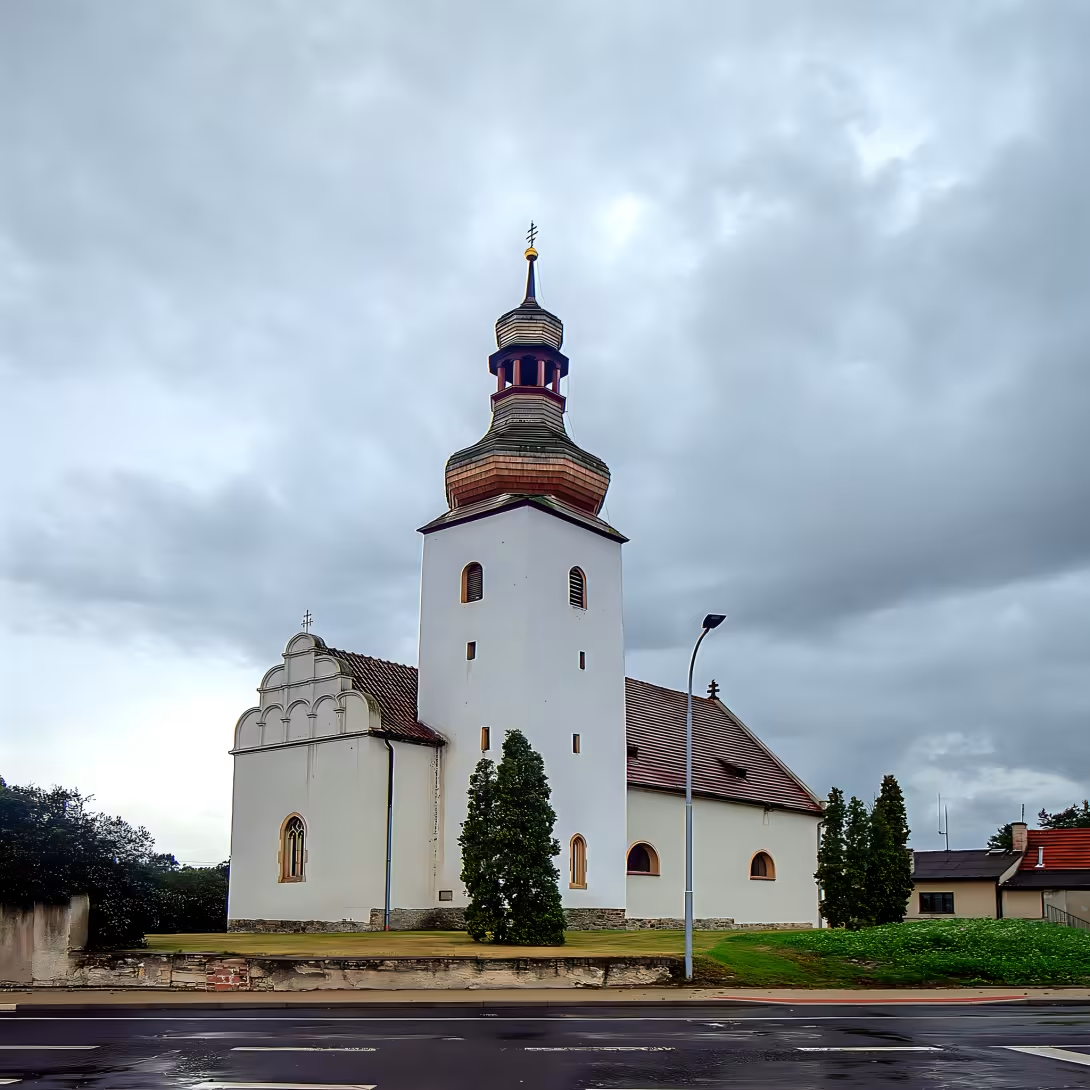
The Church of Saint Matouš in Dobroměřice is a Roman Catholic filial church located in the village within the Louny District. Originating from the mid-14th century, it features late Gothic architectural elements and has been protected as a cultural monument since 1964. This church stands out for its historical significance, intricate frescoes, and rich past that reflects both religious and local history.
The first documented mention of the Church dates back to 1331 when Prague Bishop Jan z Dražic confirmed a donation by Ber, the mayor of Louny. The donation included patronage rights over the church for a newly established Magdalenite nunnery. This period marked significant political and religious developments in Bohemia, part of the Holy Roman Empire at that time. The prevalent Gothic architectural style across Europe during this era influenced its construction.
Architecturally, the nave and presbytery are believed to date back to the mid-14th century, with no elements of early Gothic architecture present. This suggests a later development than initially thought by some historical sources. Frescoes within the church likely originated from the late 80s of the 14th century, initiated by the Magdalenite nuns who gained patronage rights in 1373. These frescoes include a Christological cycle with an emphasis on figures such as Saint Martha and Saint Mary Magdalene, reflecting the influence of these nuns. The church underwent significant late Gothic modifications in the late 15th century, including additional floors on its tower and a southern gallery.
Ownership and administrative control over the church have seen notable changes throughout history. Initially associated with the Magdalenite nuns, patronage rights were later acquired by the city of Louny from King Vladislav II in 1479. This transition marked a shift in the church's fortunes, leading to further architectural enhancements during this period.
Key events in the church’s history include a dispute over tithes between local priest Petr and the Magdalenite nuns between 1364 and 1387. The Thirty Years' War also left its mark on the structure, resulting in damage that led to its status as a filial church under the parish of Saint Nicholas in Louny.
Today, the Church of Saint Matouš stands as a testament to its rich historical tapestry. Visitors can explore its late Gothic architecture and admire frescoes that tell stories from the 14th century. The church's preservation as a cultural monument ensures it remains accessible for those interested in exploring its historical significance. Its unique blend of history, art, and architecture makes it a worthwhile destination for anyone visiting Dobroměřice.
Then and now
Drag the slider to compare how the landmark may have looked when it was built with the view today.
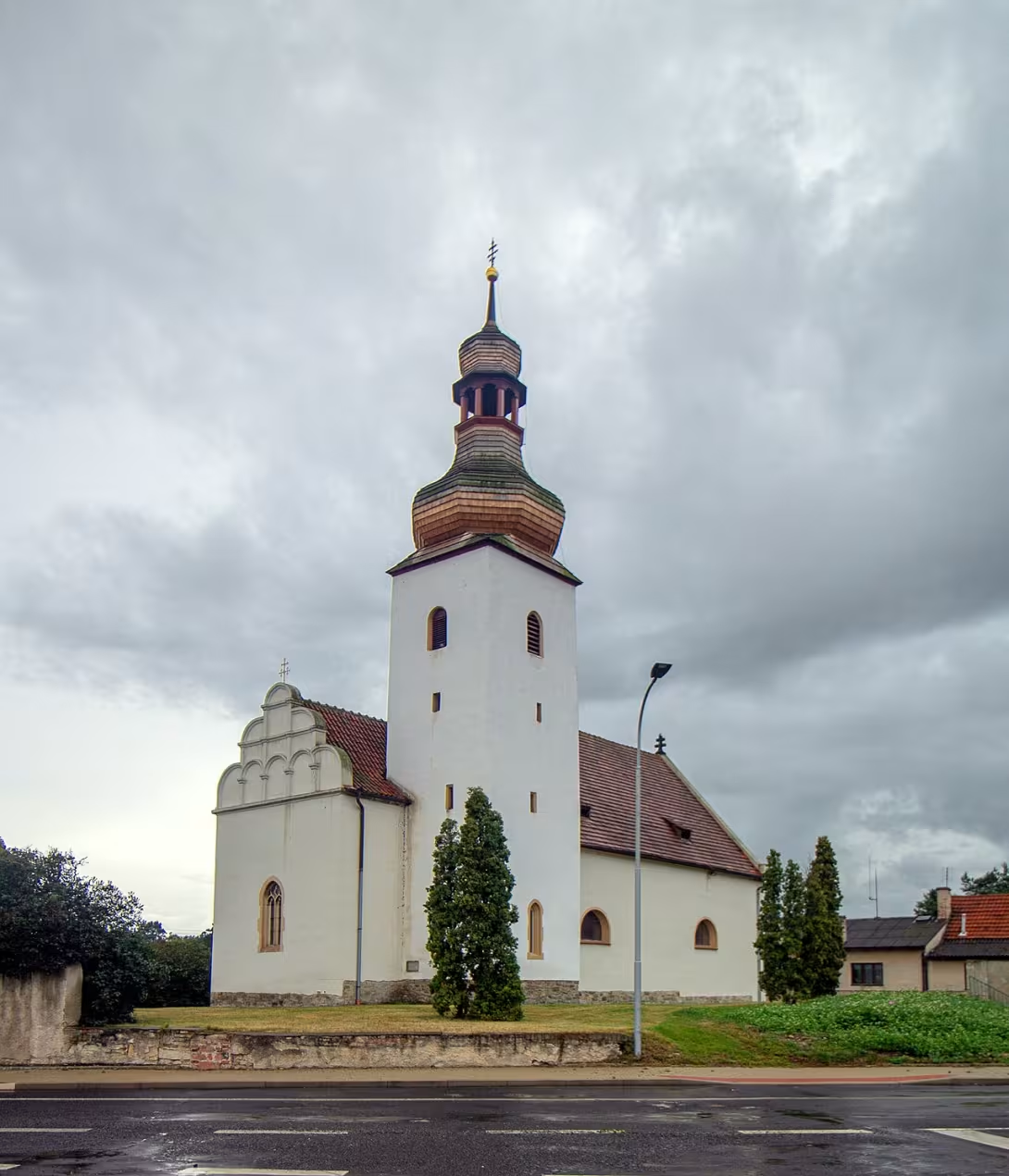

The historical appearance on the left is an AI-generated visualisation and serves as inspiration only.
Historical milestones
- 1331
- First documented mention of the church.
- 1364-1387
- Dispute over tithes between local priest Petr and Magdalenite nuns.
- 1479
- The city of Louny acquired patronage rights from King Vladislav II.
Architectural development
The church's nave and presbytery are believed to date back to the mid-14th century, with no elements of early Gothic architecture. Its frescoes likely originate from the late 80s of the 14th century, initiated by the Magdalenite nuns. The church underwent significant late Gothic modifications in the late 15th century, including the construction of additional floors on its tower and a southern gallery.
Historical events
1331: First written mention of the church when Prague Bishop Jan z Dražic confirmed a donation by Ber, the mayor of Louny.
1364-1387: Dispute over tithes between local priest Petr and Magdalenite nuns.
1479: The city of Louny acquired patronage rights from King Vladislav II.
Owners
The church was initially associated with the Magdalenite nuns who gained patronage rights in 1373, followed by the city of Louny obtaining these rights from King Vladislav II in 1479. It later became a filial church to the parish church of Saint Nicholas in Louny.
Points of interest
- The Church of Saint Matouš has a unique historical connection to the Magdalenite nunnery through its frescoes, which prominently feature Saint Martha and Saint Mary Magdalene. This reflects the influence of these nuns who gained patronage rights in 1373.
- A notable dispute over tithes occurred between local priest Petr and the Magdalenite nuns from 1364 to 1387, highlighting the church's complex history involving religious figures and community dynamics during its early years.
- The transition of patronage rights from the Magdalenite nuns to the city of Louny in 1479 under King Vladislav II marked a significant shift. This change led to architectural enhancements that contributed to the church’s late Gothic modifications, including additional floors on its tower and a southern gallery.
- Despite suffering damage during the Thirty Years' War, which resulted in its status as a filial church under the parish of Saint Nicholas in Louny, the Church of Saint Matouš has been preserved as a cultural monument since 1964, ensuring its historical narratives remain accessible to visitors today.
- The absence of early Gothic architectural elements in the nave and presbytery suggests that these parts were developed later than initially thought by some historians, indicating a unique evolution in the church's construction timeline compared to other structures from the same period.
Guide
This guide is narrated by a synthetic voice generated by artificial intelligence.
Show guide text
This text was created by artificial intelligence and has not been editorially reviewed. It may contain inaccuracies.
Welcome to the Church of Saint Matouš in Dobroměřice, a serene and historic gem nestled within this picturesque village in Ústecký kraj. As you stand here, enveloped by its tranquil presence, imagine stepping back into time to when it first rose from the earth in the mid-14th century. This Roman Catholic filial church is not just an architectural marvel but a testament to centuries of history and cultural heritage.
Let's delve into its origins. The Church of Saint Matouš was first documented in 1331, marking its inception as a spiritual beacon for the local community. Over time, it became embroiled in historical narratives that shaped its destiny. From 1364 to 1387, there was a notable dispute over tithes between the local priest Petr and Magdalenite nuns—a reflection of the complex interplay between religion and society during this era.
Now, as you take in your surroundings, notice the architectural elements that whisper tales from the late Gothic period. While specific architects remain unknown, their work speaks volumes through the church's enduring structure. The design invites you to explore every corner, each stone telling a story of devotion and artistry.
As we journey further into its history, let us remember key figures like Jan z Dražic and Bér from Berův rod, whose lives were intertwined with this sacred place. Their legacies are etched in the annals of time, influencing the church's spiritual and cultural landscape.
One fascinating aspect that stands out is the church’s connection to the Magdalenite nunnery, vividly portrayed through its frescoes featuring Saint Martha and Saint Mary Magdalene. These artworks not only enhance the aesthetic appeal but also symbolize the profound influence these nuns had after gaining patronage rights in 1373.
A particularly intriguing chapter of this church's history involves a notable dispute over tithes that unfolded between 1364 and 1387, highlighting its role as a focal point for ecclesiastical and communal affairs. Such stories add layers to the church’s narrative, inviting you to ponder the intricate tapestry of human endeavors woven through time.
As we conclude this brief exploration, I encourage you to continue your journey around and within the Church of Saint Matouš. Each step reveals more about its storied past and architectural splendor. Thank you for joining me on this auditory tour, and may your visit be both enlightening and inspiring.
---
Feel free to explore further and immerse yourself in the rich history that surrounds you here at Dobroměřice. Until next time, farewell!
Tips for visitors
The best time to visit the Church of Saint Matouš in Dobroměřice is during late spring or early autumn, when the weather is mild and pleasant for exploring outdoor sites. These seasons offer comfortable temperatures and beautiful natural surroundings that enhance your experience. Additionally, visiting on a weekday can help avoid larger crowds often seen over weekends.
Public transportation options are also accessible; however, specific routes and schedules should be verified through a transit search tool prior to your visit. This ensures smooth travel planning without unexpected delays.
When visiting the Church of Saint Matouš, consider bringing comfortable walking shoes as there may be some uneven paths leading to or around the church. A camera is recommended for capturing the architectural details and serene landscapes. Don't forget a water bottle and perhaps a light snack, especially if you plan on spending several hours exploring.
For photography enthusiasts, early morning or late afternoon are ideal times due to the soft lighting that accentuates the church's features. The front facade and the surrounding village landscape offer picturesque views.
In the vicinity, within a 30-minute drive, you can explore other historical sites or natural attractions in the Ústecký kraj region. While specific recommendations are not provided here, local guides or tourist information centers can offer insights into nearby points of interest that complement your visit to Dobroměřice.
Families with children will find the Church of Saint Matouš a peaceful site for a day out. The churchyard and surrounding areas provide space for kids to explore safely. Consider bringing along a small activity book or coloring pages related to historical sites to keep younger visitors engaged while learning about the area's history.
Frequently asked questions
Can the monument be visited?
Religious buildings are usually open mainly during services; at other times a visit is normally arranged with the parish or the operator. We have not verified specific times.
Where is the monument?
Location: Dobroměřice, Ústecký kraj. The map on this page shows the exact spot.
Why is the monument protected?
It is listed in the Central List of Cultural Monuments of the Czech Republic as a cultural monument (register no. 43200/5-1114).
Businesses nearby
Do you run a restaurant, accommodation, shop, museum, rental, wellness or other visitor service near this monument? Show yourself directly to the people heading to it — this is how they will see you in the app and on the web:
Accommodation nearby
Themed route
Thematic Tour Itinerary: Dobroměřice
1. Kostel svatého Matouše v Dobroměřicích (Church) - Why Visit: Begin your journey at the heart of Dobroměřice with this stunning example of Gothic architecture, dating back to the 14th century. The church is renowned for its intricate stone carvings and historical significance as a spiritual center in the region.
2. Nádvoří kostela svatého Matouše (Church Courtyard) - Why Visit: Explore the serene courtyard surrounding the Church of St. Matthew, where you can appreciate the peaceful ambiance and architectural details that complement the church itself. This area offers a glimpse into the historical context and daily life in Dobroměřice.
3. Věž kostela svatého Matouše (Church Tower) - Why Visit: Climb to the top of the church tower for breathtaking panoramic views of Dobroměřice and its surroundings. The ascent provides a unique perspective on the town's layout and architecture, making it a must-see for history enthusiasts and photography lovers alike.
4. Historické domy v centru Dobroměřic (Historical Houses in the Town Center) - Why Visit: Stroll through the charming streets of Dobroměřice to discover beautifully preserved historical houses that showcase traditional architectural styles. These buildings offer insights into the town's cultural heritage and evolution over centuries.
5. Místní tržiště (Local Market Square) - Why Visit: Conclude your tour at the local market square, a vibrant hub of community life in Dobroměřice. Here, you can experience the lively atmosphere, interact with locals, and perhaps sample some regional delicacies, providing a perfect end to your thematic exploration of this historic town.
This itinerary offers a comprehensive look into the cultural and historical essence of Dobroměřice, focusing on its architectural marvels and community spirit.
Seasonal recommendations
Spring: The arrival of spring at the Church of Saint Matthew in Dobroměřice brings a vibrant transformation to its surroundings, with blossoming flowers and lush greenery creating a picturesque setting for visitors. This season is characterized by gentle warmth and longer daylight hours, making it an ideal time for leisurely exploration of the church's architectural details. However, as spring is also popular among tourists seeking outdoor activities, it's advisable to visit early in the day to avoid larger crowds. Wearing comfortable layers is recommended, as temperatures can fluctuate between cool mornings and warmer afternoons.
Summer: Summer at the Church of Saint Matthew offers a lively atmosphere, with bright sunlight illuminating the church’s intricate stonework and surrounding gardens in full bloom. This season sees an influx of visitors drawn by the region's natural beauty and cultural offerings, so planning your visit during off-peak hours or weekdays can help avoid crowds. With warm temperatures throughout the day, light clothing is essential, along with sun protection such as hats and sunscreen. The church may host various events in this period, enhancing its appeal as a summer destination.
Autumn: Autumn transforms the Church of Saint Matthew into a serene haven amidst the changing colors of the landscape, offering a unique backdrop of golden leaves and crisp air. This season is particularly enchanting for photography enthusiasts who wish to capture the church's historical charm against the fall foliage. As temperatures begin to cool, wearing layers will ensure comfort during your visit.
Winter: Winter envelops the Church of Saint Matthew in a quiet and mystical atmosphere, with snow often blanketing its surroundings and creating a magical setting for visitors. The colder months bring shorter daylight hours and potentially challenging weather conditions, so it’s important to dress warmly in layers and wear sturdy footwear for walking on icy paths. While fewer tourists may visit during this time, the church's serene ambiance provides a peaceful experience. It's advisable to verify opening times as they might be limited due to winter weather conditions.
Visualizations and artistic views


The visualisations are generated by artificial intelligence and serve as inspiration.
Photos from the area
Real photos taken near the monument


Zdroj a licence jsou uvedeny u každého snímku.
Atmosphere of the place
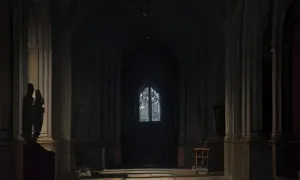
This atmospheric visualisation of the place and period was generated by artificial intelligence. It is not real footage of the location.
Tips from visitors
No tips yet. Be the first!
Log in and add your tip.
Sources and literature
Photos: VitVit / CC BY-SA 4.0, rozlišení zvýšeno umělou inteligencí — Wikimedia Commons. The author and licence also appear when you hover over the image.
Faktickým podkladem tohoto textu byl článek na Wikipedii, jehož autory jsou přispěvatelé Wikipedie. Článek je dostupný pod licencí CC BY-SA 4.0.
Location on the map
More monuments – Dobroměřice
Show all in the municipality
Příběhy a pověsti
Legendy, pověsti a příběhy spjaté s touto památkou
Fotografie návštěvníků
Zatím žádné fotografie. Buďte první, kdo přidá fotografii z návštěvy!
Log in a přidejte svou fotografii nebo hodnoťte.
Za ověřenou návštěvu v aplikaci získáte víc bodů — poznáme podle GPS, že jste na místě.
Reviews and comments