






Kostel svatého Michaela archanděla v Litvínově Church
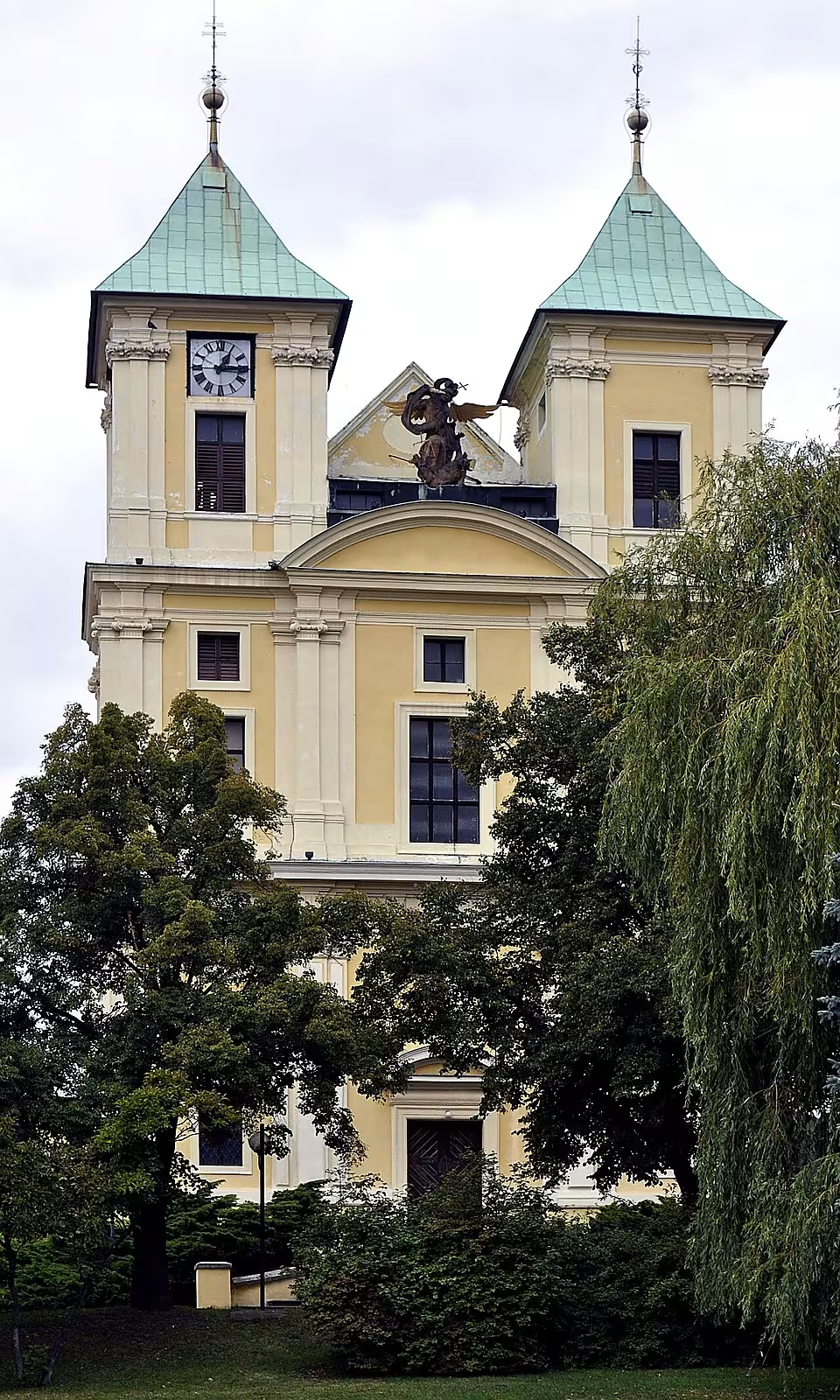
The church was founded in support of Prague Archbishop Jan Bedřich of Valdštejn, who worked on its construction between 1685 and 1694. The construction was entrusted to Jean Baptiste Mathey, an important figure of the Prague Baroque born in the Burgundy region of France. Mathey first stayed in Italy, from where Valdštejn invited him to Prague in 1675 to participate in the development of Baroque construction. The church is located in the Baroque area of the Lithuanian deanery and has been protected as a cultural monument since 1963.
During the seven-year war, the church suffered considerable plunder, which required extensive renovation in 1763. In this period it is precisely a number of elements of the inner furnishings left to the church: altars, statues, pulpit and paintings. The church benches remained in the rococo style. At the turn of the 19th and 20th centuries, between 1887 and 1902, the churches will again undergo a larger reconstruction. At the time, the caryatis were added in presbytery, frescoes and stained windows. Electrical lighting was introduced in 1901 and the organ was installed here in 1908. The latest major repairs then took place in the 1930s and the 1970s.
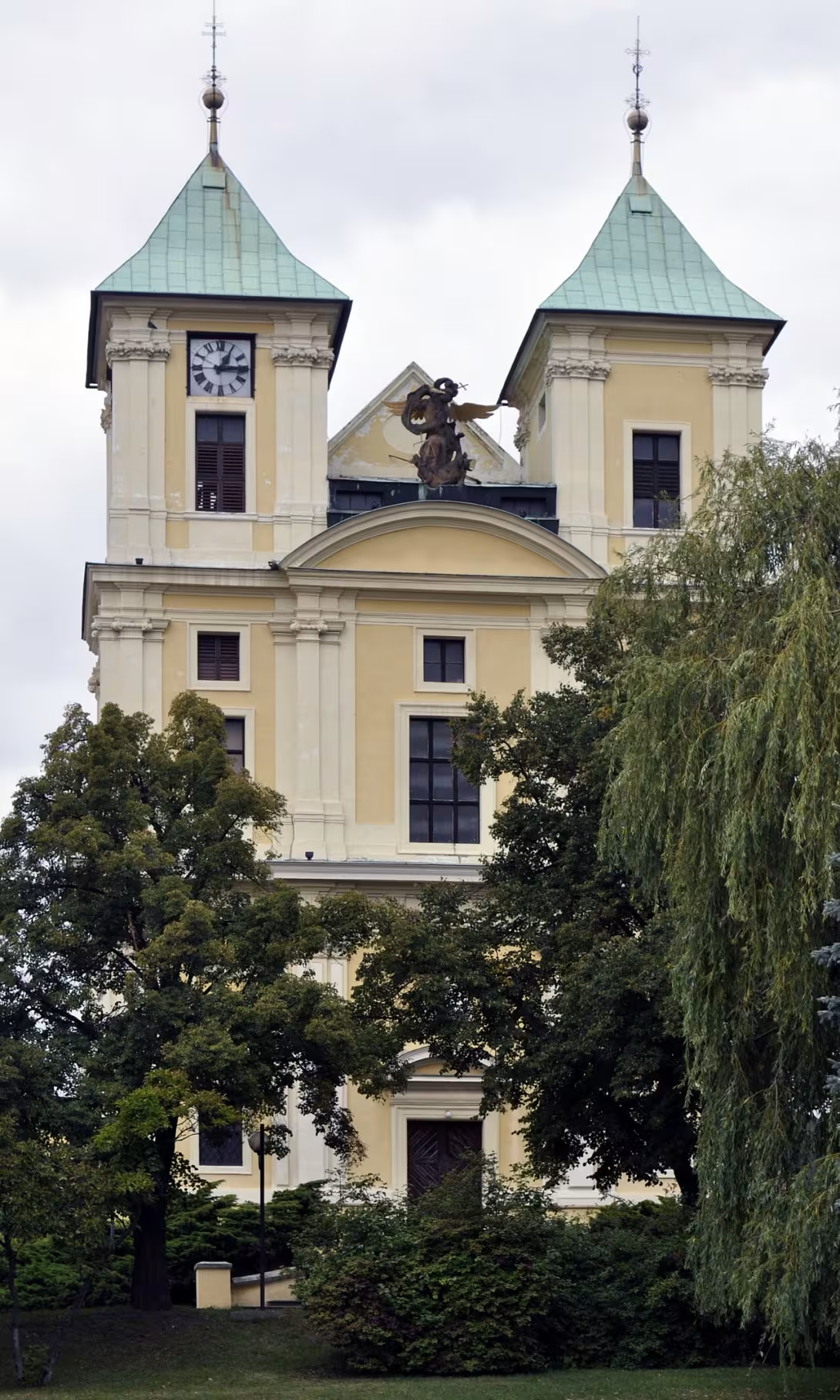
The building has a ground plan of the Latin cross and is turned north, which is typical of the orientation of only some Baroque churches. The main facade on the south side is complex and carries central risalite. The structure is divided into three floors. On the ground floor there is a simple entrance portal surrounded by two windows. The middle part separated by the ledge contains three pairs of rectangular and square windows. The peak consists of two square towers slightly above the shield, where the statue of the patron saint of the church - St. Michael's archangel with sword in battle over the fallen angel. There's a clock dial on the west tower.
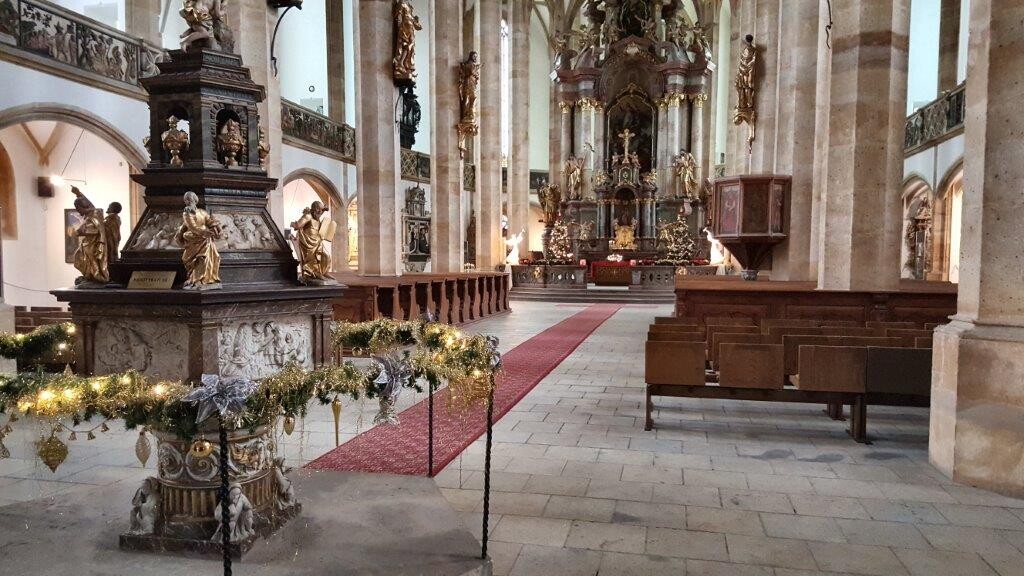
Inside the church is a rich Baroque decoration. The presbytery is a vault rolled by a vault with a ray vault in the end. Between the ship and the presbytery is a triumphal arch with Latin inscription Gloria in excelsis Deo et in terra pax homibus bonae voluntatis. The embellishments of the presbytery are decorated with the largest fresco of the church depicting the Assumption of the Virgin Mary from 1889. The main ship is a glass-vaulted vault with lunettes and belts. In the back of the church there is a cross arch over which a circle is spread. On the left side of the entrance, there is an occluded Rosary Chapel with a dome that carries a fresco of God the Father with angels dating back to the 18th century.
The main altar of восходит for the period around 1700 and is formed by a portal element with original paintings and statues of St. Peter and St. Paul from the 18th century. The elements of the equipment include tabernacle from the first half of the 18th century and four rococo altars from the second half of the 18th century with various paintings and statues. In 2001, the Lithuanian Bishop Josef Koukl sanctified two bells - older from 1522 and a new bell.
Today, there are layers of different styles and periods that form a rare proof of the development of the Baroque church through the period of its reparations and renewal. Churches are a valuable memory of Czech Baroque architecture and deserve the attention of any interested person in history.
Then and now
Drag the slider to compare how the landmark may have looked when it was built with the view today.
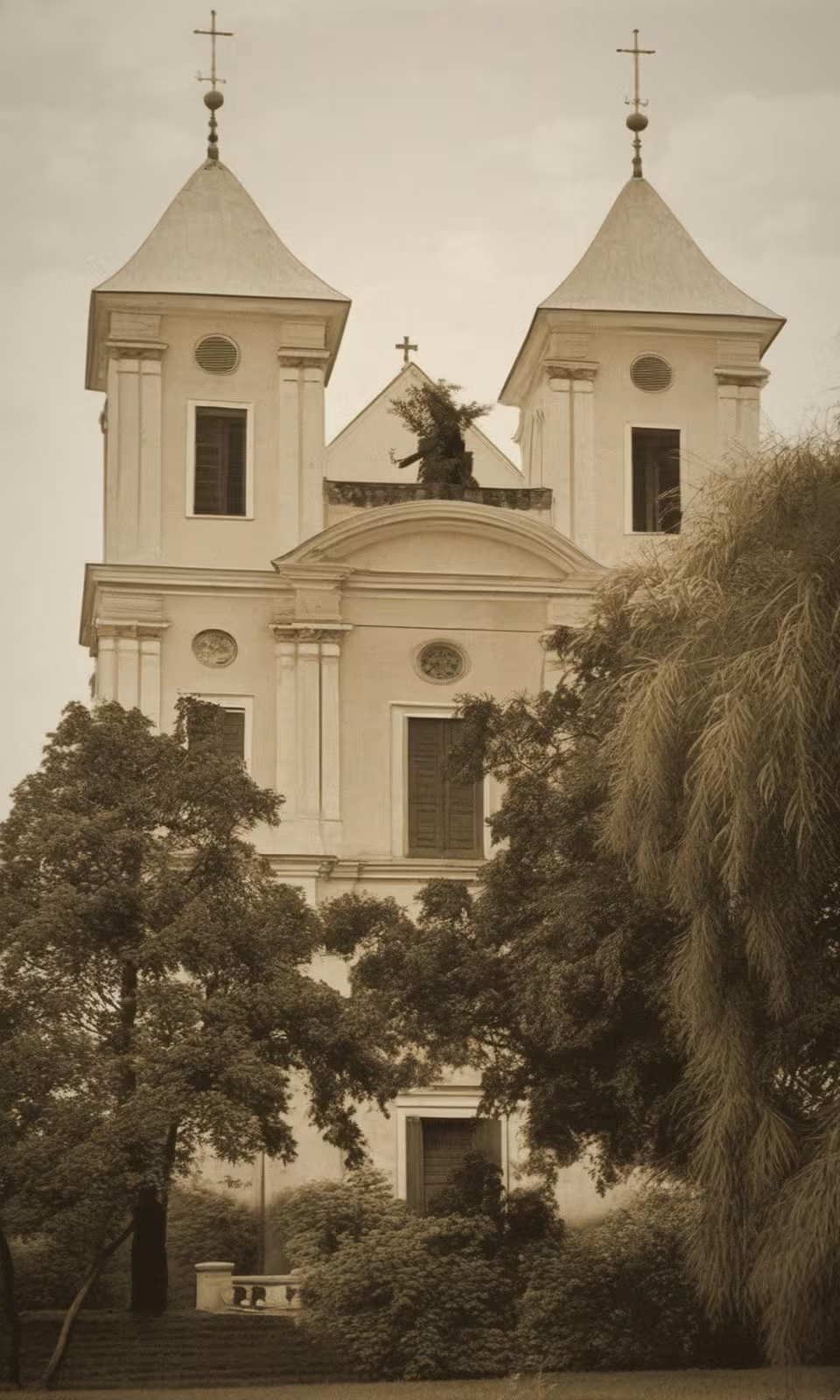
The historical appearance on the left is an AI-generated visualisation and serves as inspiration only.
Historical milestones
- 1685-1694
- Church construction work
- 1763
- Renovation after looting during the seven-year war
- 1887-1902
- Renovation with the addition of karytide, fresco and stained glass
- 1901
- Introduction of electric lighting
- 1908
- Installation of organ
- 1963
- Protection as a cultural monument
- 2001
- The ordination of two bells
Architectural development
The original early Baroque building has a floor plan of the Latin cross and is unoriented. Over the centuries, numerous renovations took place, especially in the 18th century, when most of the interior equipment was created, and at the turn of the 19th and 20th centuries, when frescoes and stained glass were added. The interior is richly decorated with Baroque and rococo elements.
Historical events
1685- 1694: Church construction; 1763: Renovation after looting during the seven-year war; 1887-1902: Extensive renovation including addition of karytide and frescoes; 1963: Entry into the list of cultural monuments.
Points of interest
- The church was founded in support of Prague Archbishop Jan Bedřich of Valdštejn. - The construction was entrusted to Jean Baptiste Mathey, an important figure of Prague Baroque born in the Burgundy region of France. The church has been protected as a cultural monument since 1963. - During the seven-year war, the church suffered considerable plunder, which required extensive renovation in 1763. - At the turn of the 19th and 20th centuries, there were larger reconstructions involving karyatis, frescoes and stained windows.
Guide
This guide is narrated by a synthetic voice generated by artificial intelligence.
Show guide text
This text was created by artificial intelligence and has not been editorially reviewed. It may contain inaccuracies.
Welcome to Upper Litvin. You are standing in front of one of the most important treasures of this region, the church of St. Michael the Archangel. Before you go on, stop for a moment and feel the atmosphere of a place where history meets the present. Look around you and notice how this monumental Baroque building dominates the historic part of the city. The church is not alone here, but together with the adjoining rectory it creates an impressive, harmonious composition that determines the character of the whole area. This building is not just a wall and a roof, it is a witness of centuries, telling the story of faith, art and political changes that have been taking place here.
To understand why this place looks the way you see it right now, we have to go back deep into the past by the end of the seventeenth century. The whole building was created in the years of a thousand six hundred eighty-five to a thousand six hundred ninety-four. At that time, architecture was an instrument of expression of power and spiritual beliefs. The main mover of this whole building was Prague Archbishop Jan Bedřich z Valdštejna. It was his support and will that allowed such an important sacral work to be created in this part of the landscape. The Archbishop wanted to create a place that, with its size and beauty, reflected the importance of its position and depth of faith.
Now pay attention to the proposal itself. For the construction to be truly exceptional, the assignment was given to someone who was the absolute top in the field at the time. This man was Jean Baptiste Mathey. Although it moved in Czech countries, its roots reached into French Burgundy. It was this connection that brought a European baroque to Litvin, which was not common here at the time. Mathey's influence is evident in the overall scope of the construction, which carries the specific elegance and dynamism that is typical of both French and Central European Baroque. Now, when you're looking at the facade and the total mass of the building, feel the effort for perfection that the architect has put into every element of his work.
The history of this place, however, was not just a passe of peace and construction. The church had to face even darker pages of history. The years that have passed since its inception have brought wars and unrest. One of the hardest times was a seven-year war that left traces of the building. The church suffered after looting and damage, which required major repairs. It was in the year one thousand seven hundred and sixty-three that a major renovation took place, which was meant to flourish again and ensure its stability for future generations. This process of reconstruction shows how important this place was for the local people and the church.
Now, if you look at the details that you can see, remember that today's church form is the result of many layers of history that have gradually piped into each other. The church was never completed at one time, but it was constantly changing and rich. A very important period was the end of the nineteenth and the beginning of the twentieth century, namely the years one thousand eight hundred eighty-seven to one thousand nine hundred and two. It was during this period that there was extensive reconstruction and decorating, which gave the interior and exterior the rich form that you now perceive. At that time, selected karytites were added to the building, which give the building its distinctive appearance, as well as beautiful frescoes and colorful stained windows. These elements were not only a decoration, but the aim was to awaken the visitor's amazement and lead his eyes to a spiritual experience.
It is also interesting to see how this historical object adapted to the coming modern times. At the turn of the century, in the year one thousand and nine hundred and one, something happened, which at that time represented a technological leap - electric lighting was introduced into the church. Imagine the moment when dark spaces suddenly lit up with a new, artificial light that completely changed the perception of space and the beauty of the paintings there. A few years later, a thousand and nine hundred and eight years later, an organ was installed that gave the place not only a musical dimension, but also a new depth of sound. These steps show that the church was not only a static monument, but a living organism that tried to walk hand in hand with the advancing progress of mankind.
Looking at this structure, you can also think of the people who shaped it. In addition to Archbishop Valdštejn and architect Mathey, there are other personalities involved in the life of this place. Every hand that worked here, every craftsman who carved a stone or painted a fresco, left a piece of his own soul in this space. Although the names of many of them are lost in the abyss of time, their work is still alive and tangible here.
You might find one interesting thing that gives this place special weight. St. Michael's archangel church is not just a building. Since the year one thousand nine hundred sixty-three it has been protected as a cultural monument. This means that its value has been officially recognised and the state has undertaken to protect it. This protection gives us certainty that even in a rapidly changing world, this baroque composition will be preserved for future generations so that they can stand here where you are standing right now and feel the same amazement.
Now that you've learned the foundations on which this building stands and understand its historical significance, I suggest you continue your search. Feel the silence, feel the architecture and try to imagine how everything looked here hundreds of years ago. Take a look at the more detailed parts of the building, notice the light games on its surfaces and let yourself drift through the atmosphere of this extraordinary place. Thank you for spending this moment with us. We wish you a beautiful and inspiring walk through the history of Upper Litvinov.
Tips for visitors
The best time to visit St. Michael's archangel church is in the spring or autumn season when the weather is pleasant and sunny. This time of year is ideal for exploring baroque details of the building that are in full light visible.
Parking can be found in the vicinity of the church, but due to limited capacity we recommend using public transport. Local buses and trams can access the upper parts of Litvinov, including St. Michael's archangel church.
When visiting, bring protective clothes and shoes suitable for walking on stone paths. This will make you more comfortable while walking around the church and the surrounding Baroque area.
Photography is particularly effective in the early morning or evening when light is softer and shadow effects add depth to the photos. The best places for photography are especially the western facade of the church and the area of the Lithuanian deanery.
It is possible to visit the Baroque area of the Litvinovský deanery, which offers interesting architecture and quiet atmosphere. For families with children it can be fun to explore the surrounding parks and natural areas nearby.
Frequently asked questions
Is Kostel svatého Michaela archanděla v Litvínově open to the public?
Yes, the church is open for public visits. We recommend to verify current information about opening times on the official website or in telephone query.
How do I get to the place by car / public transport?
The church is easily accessible by car and public transport. Parking in the centre can be limited, therefore we recommend using public transport. Current connections and times can be checked online.
How much is the entrance fee and is it paid on the spot?
Admission fees are usually paid on the spot. The current prices can be found on the official website of the church or at a telephone request.
Is the tour suitable for children and seniors?
Yes, the tour is suitable for both children and seniors. The church offers comfortable conditions for visiting all ages.
How long does the tour take?
A tour of the church can take from 30 minutes to an hour, depending on how thoroughly you wish to examine the site.
What are the opening times and booking is required?
Opening hours may vary depending on the year and season. The reservation is usually not needed, but we recommend checking the current information before visiting.
What's interesting in the immediate vicinity?
There is a Baroque rectory and other historical buildings around the church. We recommend exploring the centre of Upper Litvinov, which offers various cultural attractions.
For kids
More than 326 years ago, something very special began to be built in the small town of Litvinov - the church of St. Michael the Archangel. If we could imagine it, it would be like a new mystery treasure suddenly appearing in the game. And so began a time of adventure and wonder!
Businesses nearby
Do you run a restaurant, accommodation, shop, museum, rental, wellness or other visitor service near this monument? Show yourself directly to the people heading to it — this is how they will see you in the app and on the web:
Events nearby
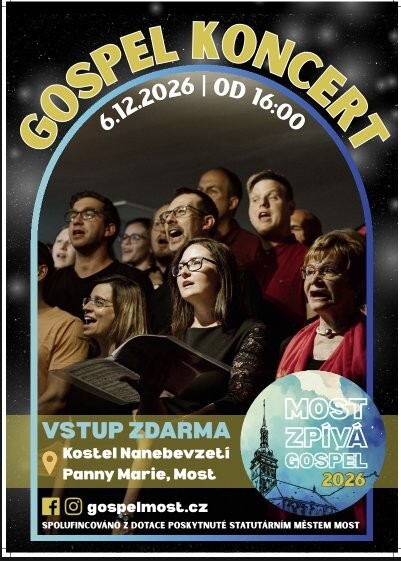
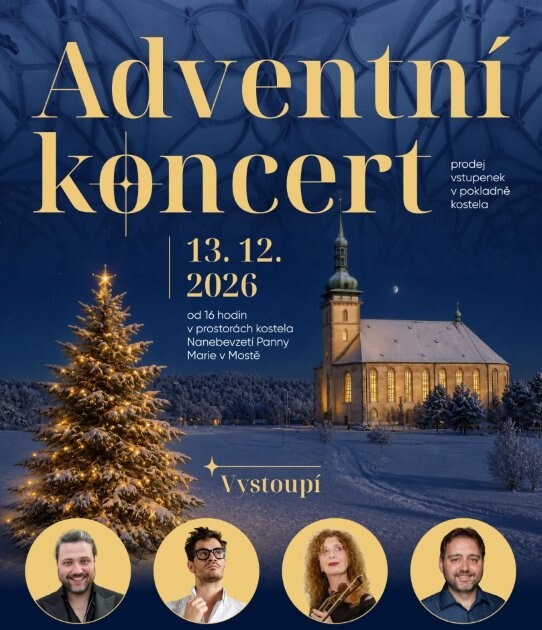
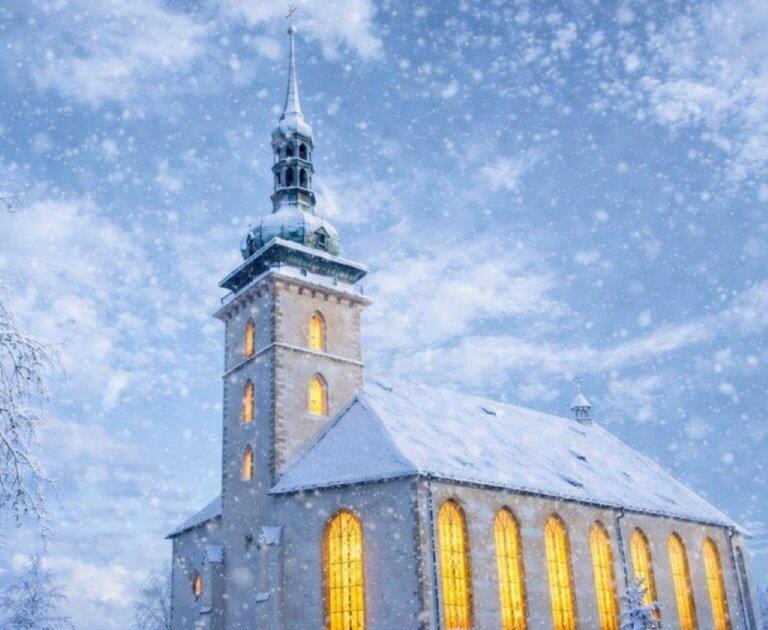
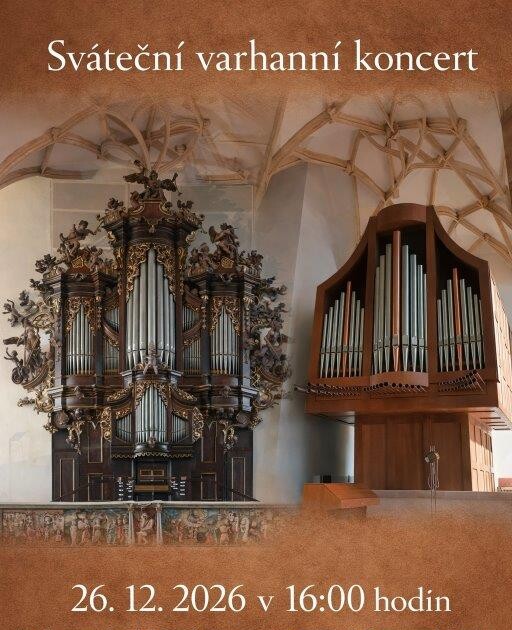
Zdroj akcí: otevřená data měst a obcí ČR (Národní katalog otevřených dat) a kalendář akcí Národního památkového ústavu.
Nearby
The Baroque area of the Lithuanian deanery.
Accommodation nearby
Themed route
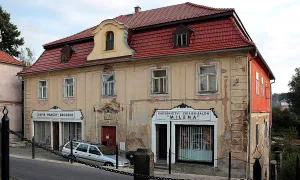
Baroque area of Litvinov deanery Type: Historical zone This area is a natural and logical point point entry point for the tour. Here are key buildings that complement the atmosphere of the main goal and allow you to familiarise yourself with the local Dean's environment before entering the church.
Kostel svatého Michaela archanděla v Litvínově Type: Church The main destination of the route, which is worth visiting for its architectural value and spiritual atmosphere. Inside you can see the interior details and appreciate the artistic elements that are typical of this sacral building in the village Horní Litvínov.
Baroque area of Litvinov deanery Type: Historical zone After visiting the church, you will return to this area to enjoy the quiet and historical nature of the surroundings. A tour of the local objects from a different perspective after visiting the church interior provides a comprehensive picture of this place in the Most district.
Kostel svatého Michaela archanděla v Litvínově Type: Church A revisit to the church area from the outside or a short break at the entrance allows to seal the impression of the visit. It is an ideal place for final photographs and contemplation of the cultural heritage of this territory in the Ústí Region.
Baroque area of Litvinov deanery Type: Historical zone The final walk on the deanery grounds serves as a peaceful end of the trip. It allows a gradual exit from the historical core and transition to the normal environment of the village Horní Litvínov with a feeling of the completed program.
Seasonal recommendations
In spring, the church surrounds the awakening green, which creates a fresh contrast with the facade. Soft spring light is ideal for observing architectural details in peace. We recommend wearing layered clothes because the weather is usually variable, and visit the memory in the morning when the air is the cleanest.
The summer season brings a radiant sun and a full bloom of the surrounding nature, which gives the place a blazing character. Due to the high season, more visitors may appear, so it is advisable to come first thing in the morning to make the stay more peaceful. Don't forget light, breathable clothes and plenty of fluids.
In autumn, the surrounding area of the church is coloured in golden and brown tones, while morning fog gives the building a mysterious and melancholy atmosphere. The best time to visit is late afternoon, when the low sun will highlight the texture of masonry beautifully. Practical are waterproof shoes due to wet soil.
In winter, the monument is peaceful and quiet, especially if it is covered by a layer of snow. The atmosphere is particularly dreamy and quiet at advent time. It is necessary to wear warm winter clothes and to check in advance the opening times which are often shorter during this period.
Visualizations and artistic views


The visualisations are generated by artificial intelligence and serve as inspiration.
Photos from the area
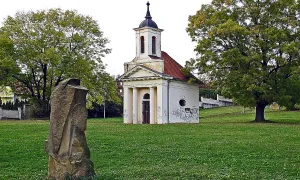
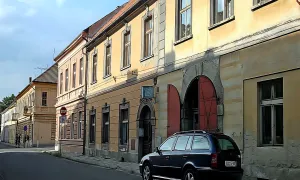
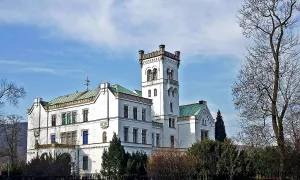
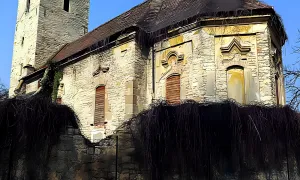
Real photos taken near the monument


Zdroj a licence jsou uvedeny u každého snímku.
Atmosphere of the place
This atmospheric visualisation of the place and period was generated by artificial intelligence. It is not real footage of the location.
Tips from visitors
No tips yet. Be the first!
Log in and add your tip.
Sources and literature
Photos: Jirka Dl / CC BY-SA 3.0 — Wikimedia Commons. The author and licence also appear when you hover over the image.
Faktickým podkladem tohoto textu byl článek na Wikipedii, jehož autory jsou přispěvatelé Wikipedie. Článek je dostupný pod licencí CC BY-SA 4.0.
Location on the map

Příběhy a pověsti
Legendy, pověsti a příběhy spjaté s touto památkou
Fotografie návštěvníků
Zatím žádné fotografie. Buďte první, kdo přidá fotografii z návštěvy!
Log in a přidejte svou fotografii nebo hodnoťte.
Za ověřenou návštěvu v aplikaci získáte víc bodů — poznáme podle GPS, že jste na místě.
Reviews and comments