






Kostel svatého Mikuláše (Běsno) Church
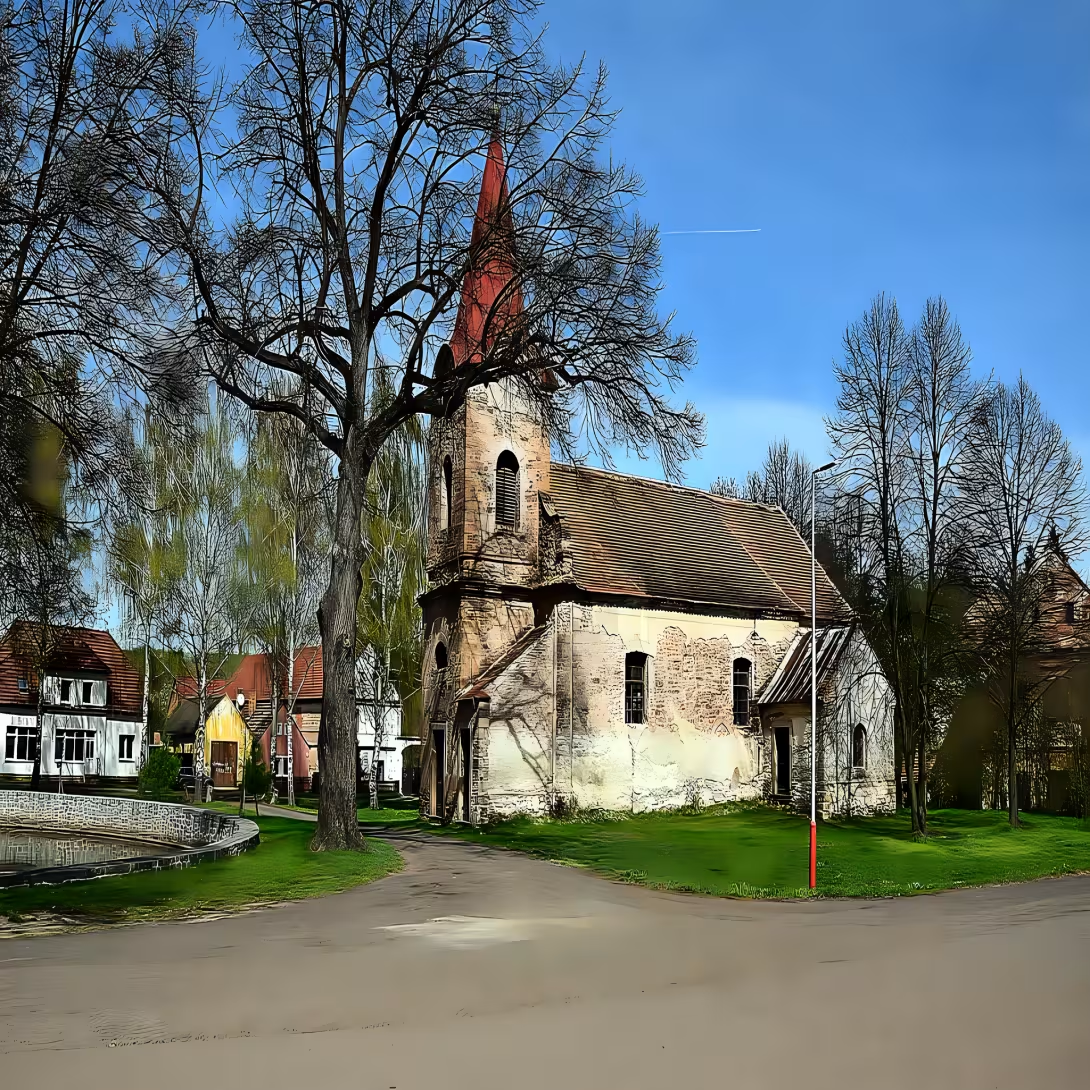
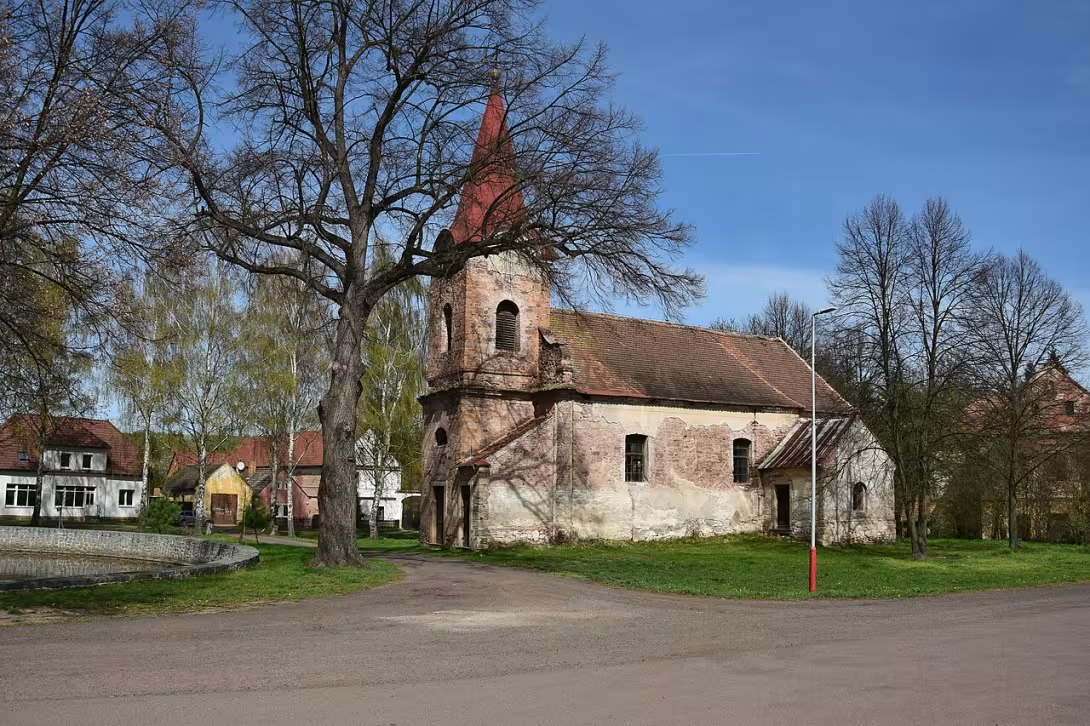
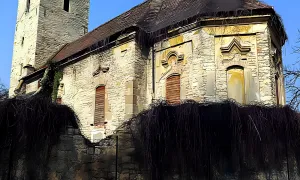
The Church of Saint Nicholas in Běsno is a notable example of medieval architecture, primarily Gothic, located in the village square of Běsno within the Kryry district of Ústecký kraj. First documented in 1352, it has endured through centuries, including surviving the Thirty Years' War. Recognized as a cultural monument of the Czech Republic since 2013, it holds significant historical value due to its rich past and enduring presence.
The church's origins date back to around 1330, with evidence suggesting Cistercian monks from Zbraslav were likely responsible for its construction. This period coincided with Bohemia's integration into the Holy Roman Empire when Gothic architecture flourished across Europe, characterized by verticality and light-filled spaces. The church first appeared in historical records in 1352 as part of the register of papal tithes, indicating its early ecclesiastical significance.
Architecturally, the church is predominantly Gothic. A survey conducted in 2012 revealed that not only the presbytery but also about three-quarters of the nave towards the west retain their original Gothic elements. The structure features an oblong plan and a rectangular presbytery oriented to the east. Its vaulted presbytery boasts cross-ribbed vaulting on pointed arches, a hallmark of Gothic design. In the late 18th century, significant renovations extended it westward, added a new belfry, and modified its interior with larger windows and a choir loft.
Throughout its history, the Church of Saint Nicholas experienced various administrative changes. Initially documented as having patronage by a Žatec family in the 14th century, it became affiliated with Kryry during the Thirty Years' War after the fire at Strojetice Church in 1634. This affiliation lasted until the early 18th century when the church returned to its original parish following the restoration of the Strojetice Church.
The church's historical narrative includes curiosities, such as a mistaken record of dedication to Saint Wenceslas instead of its actual patron, Saint Nicholas—a discrepancy corrected by later inventories and records. Additionally, local German heritage sources once claimed an 1788 dedication to the memory of the Visitation of Mary, but this has not been corroborated in other historical documents.
Today, the Church of Saint Nicholas stands as a cultural monument open for visitors who wish to explore its architectural beauty and historical significance. Its preservation allows one to appreciate the craftsmanship of medieval builders and the church's journey through centuries of change. Visitors are invited to experience this enduring symbol of Běsno's heritage and reflect on its place within the broader tapestry of Czech history.
Then and now
Drag the slider to compare how the landmark may have looked when it was built with the view today.

The historical appearance on the left is an AI-generated visualisation and serves as inspiration only.
Historical milestones
- 1330
- Foundation of the Church of St. Nicholas by Cistercian monks from Zbraslav.
- 1352
- First documentation in the register of papal tithes.
- 1634
- Annexation to Kryry after a fire at the church in Strojetice during the Thirty Years' War.
- 1700
- Return to the original parish following the restoration of the church in Strojetice.
- end of 18th century
- Significant reconstructions, including an extension and a new tower.
- 2013
- Recognition as a cultural monument of the Czech Republic.
Architectural development
The church's original Gothic structure dates back to around 1330, likely built by Cistercian monks from Zbraslav. By the late 18th century, it underwent significant renovations including an extension westward, installation of a new belfry, and interior modifications such as larger windows and a choir loft. The church's vaulted presbytery features cross-ribbed vaulting on pointed arches.
Historical events
1352: First documented mention in the register of papal tithes.
1634: During the Thirty Years' War, the church was affiliated with Kryry after the fire at Strojetice Church.
Points of interest
- Despite being primarily Gothic, the Church of Saint Nicholas in Běsno has undergone significant architectural changes over time, including an 18th-century extension that added a new belfry and altered its interior with larger windows and a choir loft.
- The church's historical records once incorrectly listed it as dedicated to Saint Wenceslas instead of its actual patron, Saint Nicholas. This error was later corrected through subsequent inventories and documentation.
- During the Thirty Years' War, after the fire at Strojetice Church in 1634, the Church of Saint Nicholas temporarily became affiliated with Kryry until the early 18th century when it returned to its original parish following the restoration of Strojetice Church.
- A curious claim by local German heritage sources suggested that the church was dedicated in 1788 to the memory of the Visitation of Mary, but this dedication has not been supported by other historical records or documents.
- Although first documented in 1352 as part of a register of papal tithes, evidence suggests that the Church of Saint Nicholas dates back to around 1330 and was likely constructed by Cistercian monks from Zbraslav during a time when Bohemia was integrating into the Holy Roman Empire.
Guide
This guide is narrated by a synthetic voice generated by artificial intelligence.
Show guide text
This text was created by artificial intelligence and has not been editorially reviewed. It may contain inaccuracies.
Welcome to the Church of Saint Nicholas in Běsno, a remarkable testament to medieval craftsmanship and resilience through centuries of change. As you stand here on this village square, take a moment to appreciate its historical significance and architectural beauty.
The story of this church begins in 1330 when it was founded by Cistercian monks from Zbraslav. By 1352, the church had made its mark with documentation in the papal tithes register, signifying its growing importance. The Thirty Years' War brought challenges; in 1634, following a devastating fire at the nearby church in Strojetice, it was affiliated with the Kryry parish. However, by 1700, after the restoration of the Strojetice church, Saint Nicholas returned to its original parish.
Architecturally, this church predominantly features Gothic elements, which have been beautifully preserved over time. As you look around, notice how the structure has undergone significant changes, especially in the late 18th century when it was extended and a new belfry was added. These alterations introduced larger windows and a choir loft, enhancing its internal space.
While specific architects remain unknown, the church's evolution is evident in its design. The blend of original Gothic architecture with later modifications offers a unique glimpse into its history. As you stand here, imagine the generations that have walked through these doors, each leaving their mark on this sacred site.
One intriguing aspect of Saint Nicholas Church is how it has adapted and survived through tumultuous times, including wars and fires. Its resilience is not just in its structure but also in its community's spirit. In 2013, the church was recognized as a cultural monument of the Czech Republic, a testament to its enduring legacy.
As we conclude our visit here at Běsno, I invite you to explore further, perhaps wandering around the village square and imagining life through the centuries. The Church of Saint Nicholas stands not just as a building but as a storybook of history waiting for you to turn its pages. Thank you for joining me on this journey through time.
Tips for visitors
The best time to visit the Church of Saint Nicholas in Běsno is during late spring or early autumn. During these months, you can enjoy pleasant weather that enhances your experience as you explore the Gothic architecture and serene surroundings. Additionally, visiting outside of peak tourist seasons means fewer crowds, allowing for a more intimate appreciation of this historical site.
It's advisable to check current routes and schedules in advance through a travel planner or local transit website to ensure smooth access.
When planning your visit, consider bringing comfortable walking shoes as you may want to explore the area around the church. A camera is recommended for capturing the stunning Gothic architecture, especially during golden hour when the light beautifully illuminates the façade. Additionally, carrying a small backpack with water and snacks can enhance your comfort during your exploration.
Photography enthusiasts will find several spots around the Church of Saint Nicholas ideal for capturing its beauty. The best lighting is typically in the early morning or late afternoon when the sun casts soft shadows across the church's intricate stonework. Position yourself to capture the full façade from a distance, and don't forget to explore inside for unique interior shots.
For those interested in exploring nearby attractions within 30 minutes of Běsno, consider visiting the charming village of Ústí nad Labem. This city offers a blend of historical sites, museums, and cultural experiences that complement your visit to the church. It's an excellent opportunity to delve deeper into the region’s rich history.
Families with children will find the Church of Saint Nicholas in Běsno an engaging destination. The medieval architecture can spark interest in young minds about history and art. Consider bringing a small guidebook or app related to Gothic architecture for interactive learning. Additionally, the surrounding area offers open spaces perfect for a family picnic after your visit.
Frequently asked questions
Can the monument be visited?
Religious buildings are usually open mainly during services; at other times a visit is normally arranged with the parish or the operator. We have not verified specific times.
Where is the monument?
Location: Běsno, Ústecký kraj. The map on this page shows the exact spot.
Why is the monument protected?
It is listed in the Central List of Cultural Monuments of the Czech Republic as a cultural monument (register no. 105139).
Businesses nearby
Do you run a restaurant, accommodation, shop, museum, rental, wellness or other visitor service near this monument? Show yourself directly to the people heading to it — this is how they will see you in the app and on the web:
Accommodation nearby
Themed route
Thematic Walking Tour: Běsno and its Surroundings
1. Kostel svatého Mikuláše (Běsno) - Church Begin your journey at the heart of Běsno with the historic Kostel svatého Mikuláše. This church is a quintessential example of local architectural heritage, offering visitors an opportunity to explore its intricate design and serene atmosphere. The church serves as both a spiritual center for the community and a cultural landmark steeped in history.
2. Běsno Village Square - Public Space Stroll approximately 100 meters from the church to the charming Běsno Village Square. This central gathering place is perfect for experiencing local life, with its quaint surroundings and opportunities to interact with residents. The square often hosts community events and markets, providing a glimpse into the vibrant culture of Běsno.
3. Local Historical Museum (if available) - Museum Continue your tour by visiting any nearby historical museum in Běsno, if one exists within the village or its immediate vicinity. This stop offers insights into the region's past, showcasing artifacts and exhibits that highlight the area’s development over time. It's a great way to deepen your understanding of local history and traditions.
4. Běsno Community Park - Park Conclude your tour at the nearby Běsno Community Park, located just a short walk from the village square. This green space provides a peaceful setting for relaxation, with walking paths and benches where visitors can enjoy nature and reflect on their journey through Běsno. The park is ideal for those looking to unwind amidst beautiful landscapes.
This thematic tour offers a comprehensive exploration of Běsno's cultural and historical highlights, ensuring an enriching experience within the village and its immediate surroundings.
Seasonal recommendations
Spring: Visiting the Church of Saint Nicholas during spring offers a unique experience as nature begins to awaken around Běsno. The church is bathed in soft, natural light that accentuates its architectural details, creating an inviting atmosphere for visitors. As flowers bloom and trees regain their leaves, the surrounding landscape provides a picturesque backdrop perfect for photography enthusiasts. Springtime often sees fewer tourists compared to summer, allowing for a more serene exploration of this historic site. Visitors should dress comfortably in layers, as temperatures can vary throughout the day. Arriving early is advisable to enjoy the church’s tranquility before any potential increase in visitors later in the day.
Summer: The Church of Saint Nicholas shines under the bright summer sun, with its surroundings lush and vibrant. This season attracts more tourists due to pleasant weather conditions, making it a popular time for outdoor activities in Ústecký kraj. The church's atmosphere is lively yet peaceful, offering an ideal setting for those looking to explore historical sites without the chill of colder months. Visitors should be prepared for larger crowds and consider arriving early or visiting during weekdays to avoid peak times. Light, breathable clothing is recommended, along with sunscreen and a hat to protect against the sun.
Autumn: Autumn at the Church of Saint Nicholas transforms the landscape into a stunning tapestry of warm colors, making it an enchanting time for visitors. The soft, golden light enhances the church's historic beauty, providing a magical backdrop as leaves gently fall around its perimeter. This season is less crowded than summer, offering a more intimate experience while still enjoying the vibrant hues and crisp air typical of autumn in Ústecký kraj. Visitors should dress warmly in layers to adapt to changing temperatures throughout the day. An early visit can capture the serene beauty before any potential increase in visitors.
Winter: The Church of Saint Nicholas presents a stark yet beautiful contrast during winter, with snow-covered surroundings and shorter days creating a mystical atmosphere. Icy conditions may affect accessibility, but those who venture to see it are rewarded with a tranquil setting that feels almost otherworldly. This season is ideal for visitors seeking solitude, as fewer people tend to explore the site in colder weather. Warm clothing, including coats, hats, gloves, and sturdy boots, is essential to stay comfortable during your visit.
Visualizations and artistic views


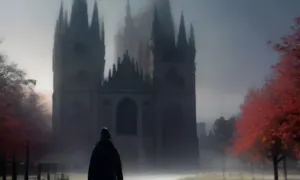
The visualisations are generated by artificial intelligence and serve as inspiration.
Photos from the area
Real photos taken near the monument


Zdroj a licence jsou uvedeny u každého snímku.
Tips from visitors
No tips yet. Be the first!
Log in and add your tip.
Sources and literature
Photos: Petr Kinšt / CC BY-SA 4.0, rozlišení zvýšeno umělou inteligencí — Wikimedia Commons. The author and licence also appear when you hover over the image.
Faktickým podkladem tohoto textu byl článek na Wikipedii, jehož autory jsou přispěvatelé Wikipedie. Článek je dostupný pod licencí CC BY-SA 4.0.
Location on the map

Příběhy a pověsti
Legendy, pověsti a příběhy spjaté s touto památkou
Příběh: Kostel svatého Mikuláše (Běsno)
Bylo to v pondělí ráno, kdy Vilém zjistil, že každý krok v náladě podzimu je na ulicích Běsna plný chraplavého šustotu listů. Mrazivý vítr mu foukal ústa a s…
Číst příběh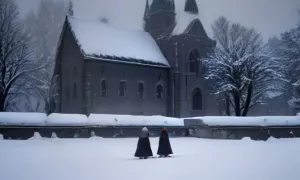
Pověst: Kostel svatého Mikuláše (Běsno)
Podle místní pověsti si kostel v Běsně svého patrona vybral sám — a nikdo z living pamětníků si netroufal tuto volbu zpochybnit. Traduje se, že když cisterc…
Číst příběhFotografie návštěvníků
Zatím žádné fotografie. Buďte první, kdo přidá fotografii z návštěvy!
Log in a přidejte svou fotografii nebo hodnoťte.
Za ověřenou návštěvu v aplikaci získáte víc bodů — poznáme podle GPS, že jste na místě.
Reviews and comments