






Kostel svatého Mikuláše (Malé Březno) Church
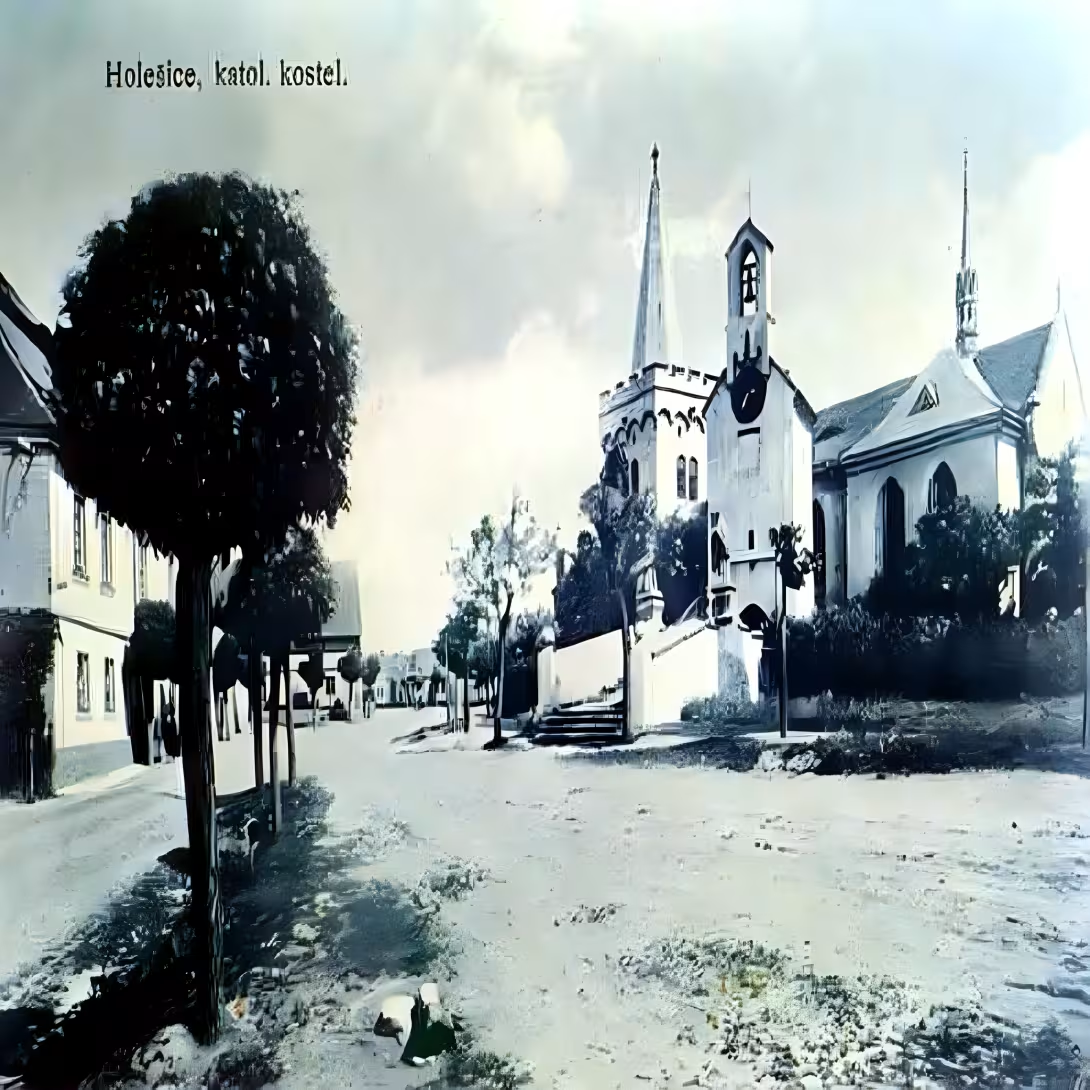
Objekt se nedochoval — na místě dnes nestojí. Následující text popisuje jeho historii, ne současnou návštěvu.
The Church of Saint Nicholas in Malé Březno stands as a testament to the historical and architectural evolution that characterized what is now Ústecký kraj. Originally located in the vanished village of Holešice, this Roman Catholic church served its community until it was demolished in 1981 due to coal mining activities at Lom Vršany. Its significance lies not only in its religious function but also in its architectural transformations over centuries, reflecting broader historical and cultural shifts.
Constructed during the Gothic period when Bohemia was part of the Holy Roman Empire, the Church of Saint Nicholas underwent several significant changes throughout its history. Initially built as an early Gothic structure, it expanded and fortified in the 15th century to meet parishioner needs. A devastating fire in 1616 led to a restoration completed by 1678, marking the start of modifications that continued into the modern era.
Architecturally, the church featured distinctive elements typical of its time and subsequent periods. Situated on an island surrounded by a water moat and originally fortified with walls, it was accessible via two-arched bridges. The main structure included a single-nave design ending in a narrower rectangular presbytery. A notable feature was the polygonal tower with a battlemented parapet supported on corbels, housing a bell and later clock mechanisms. This tower also contained the original sacristy, characterized by ribbed vaulting with a circular keystone adorned with vegetal motifs from the 14th century.
Over time, the church's interior saw significant changes as well. In 1847, a chapel dedicated to Our Lady of Sorrows was added to its northern side. By 1894, renovations replaced weathered stone ribs in the presbytery with stucco ones and updated other aspects of the interior. The nave extended by 1908, accompanied by a new sacristy, reflecting ongoing adaptations for liturgical needs.
The church's furnishings also evolved, incorporating elements from various periods. Notably, it housed a 16th-century stone baptismal font and an organ crafted in 1890 by local maker Langenauer. These additions underscored the blend of historical styles that characterized the building over time.
Despite its rich history, the Church of Saint Nicholas no longer stands today. Its demolition in 1981 was due to industrial expansion, specifically coal mining operations at Lom Vršany, necessitating the removal of the village and its structures. This loss marks not only an end to a physical monument but also a chapter in the region's cultural heritage.
Today, while the church itself is no longer accessible for visits, its historical significance remains a point of interest for those exploring the area's past. The story of the Church of Saint Nicholas serves as a reminder of the dynamic interplay between history, architecture, and industry that has shaped Malé Březno and its surroundings. Visitors to the region are encouraged to reflect on this legacy, appreciating how such sites contribute to our understanding of cultural evolution and resilience in the face of change.
Then and now
Drag the slider to compare how the landmark may have looked when it was built with the view today.
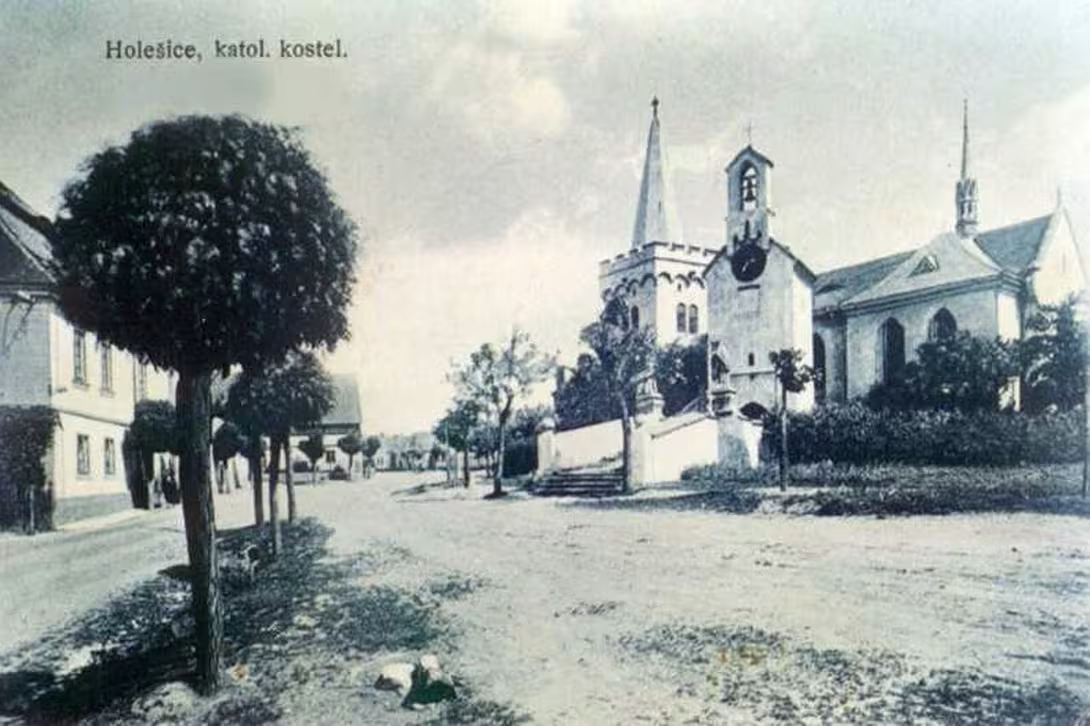

The historical appearance on the left is an AI-generated visualisation and serves as inspiration only.
Historical milestones
- 1616
- The church suffered a fire.
- 1678
- Restoration of the church after the fire.
Architectural development
Originally built as an early Gothic structure, the Church of Saint Nicholas underwent significant changes over time. In the 15th century, it was expanded and fortified. After a fire in 1616, restoration took place by 1678. The church saw further modifications with the addition of a chapel in 1847 and interior renovations in 1894 that replaced weathered stone ribs with stucco ones. By 1908, its nave was extended, and a sacristy was added.
Historical events
In the 15th century, the early Gothic church was expanded and fortified. In 1616, it suffered a fire but was restored by 1678.
The church was demolished in 1981 to make way for coal mining operations.
Points of interest
- The Church of Saint Nicholas was originally situated on an island surrounded by a water moat and accessed via two-arched bridges, highlighting its strategic and defensive design typical of medieval architecture.
- After a devastating fire in 1616, the church underwent restoration that included modifications to its polygonal tower. This tower featured a battlemented parapet supported on corbels, housing both a bell and later clock mechanisms, reflecting evolving architectural needs over time.
- The original sacristy was located within the polygonal tower of the church, characterized by ribbed vaulting with a circular keystone adorned with vegetal motifs from the 14th century, showcasing intricate Gothic craftsmanship.
- In 1847, a chapel dedicated to Our Lady of Sorrows was added to the northern side of the church. This addition reflects the evolving liturgical and community needs that influenced architectural changes throughout its history.
- The church's interior saw significant renovations by 1894 when weathered stone ribs in the presbytery were replaced with stucco ones, illustrating ongoing efforts to preserve and adapt historical structures for contemporary use.
Guide
This guide is narrated by a synthetic voice generated by artificial intelligence.
Show guide text
This text was created by artificial intelligence and has not been editorially reviewed. It may contain inaccuracies.
The Church of Saint Nicholas no longer stands today. It was located on the village square of Holešice on the Mostecko region and until its demolition it was the parish church of Holešice parish. The village at the end of the seventies of the twentieth century gave way to brown coal mining in the Vršany Quarry. During the year nineteen eighty-one the church was demolished together with all the buildings.
The church was created as an early Gothic structure. In the fifteenth century it was expanded and fortified. In sixteen sixteen it burned down and it was restored only in sixteen seventy-eight. Later it underwent several modifications. In eighteen forty-seven a chapel of the Virgin Mary was added on the north side. In eighteen ninety-four the interior was renovated. The cracked sandstone ribs of the vault in the presbytery were then replaced with stucco ribs. In nineteen eighty-eight the nave was extended and a sacristy was added.
The Gothic church stood on an island which was surrounded by a water-filled moat and originally also a rampart. It was approached by a bridge with two arches and a tower with a gate, into which they later placed a clock. On the bridge stood sandstone statues of Saint Felix and Saint John of Nepomuk from the first half of the eighteenth century.
The church itself had one nave and a narrower rectangular presbytery. On its north side rose a prismatic tower with crenellations cantilevered on corbels. The tower had Renaissance windows and a late Gothic brick pyramidal roof. In its ground floor was the original sacristy with a ribbed vault. The vault was decorated with a circular keystone with a plant motif from the fourteenth century.
The nave was covered with a flat reed ceiling. In its extended western part stood a gallery supported by two pillars. Light penetrated into the nave through Neo-Gothic windows with segmental closures.
Most of the furnishings were Neo-Gothic and came from the beginning of the twentieth century. Older was a stone baptismal font on a cylindrical base from the sixteenth century. The organ was built in eighteen ninety by the Podbořany organist Langenauer.
Businesses nearby
Do you run a restaurant, accommodation, shop, museum, rental, wellness or other visitor service near this monument? Show yourself directly to the people heading to it — this is how they will see you in the app and on the web:
Events nearby
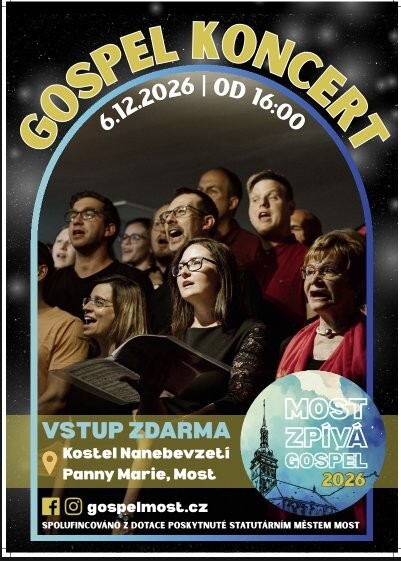
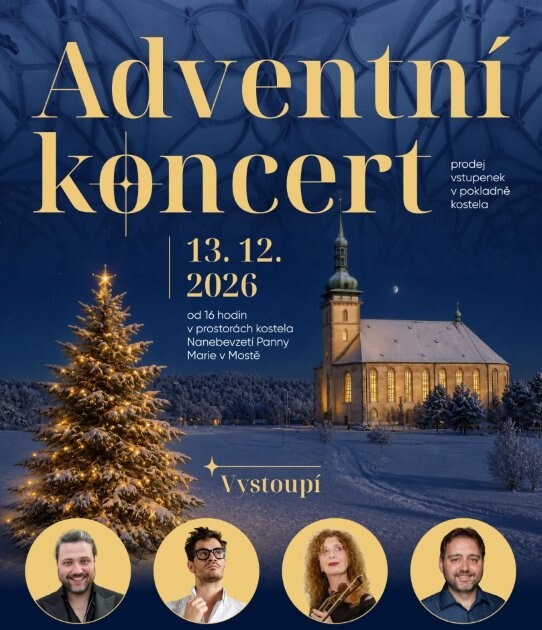
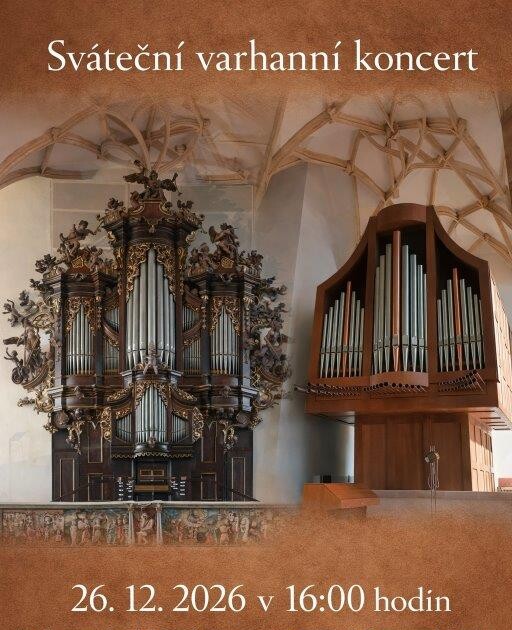
Zdroj akcí: otevřená data měst a obcí ČR (Národní katalog otevřených dat) a kalendář akcí Národního památkového ústavu.
Nearby
The church was situated on an island surrounded by a water moat and originally fortified with walls. It featured two-arched bridges leading to it, along with sculptures from the early 18th century.
Visualizations and artistic views


The visualisations are generated by artificial intelligence and serve as inspiration.
Photos from the area
Real photos taken near the monument

Zdroj a licence jsou uvedeny u každého snímku.
Atmosphere of the place
This atmospheric visualisation of the place and period was generated by artificial intelligence. It is not real footage of the location.
Tips from visitors
No tips yet. Be the first!
Log in and add your tip.
Sources and literature
Photos: autor neuveden / Public domain, rozlišení zvýšeno umělou inteligencí — Wikimedia Commons. The author and licence also appear when you hover over the image.
Faktickým podkladem tohoto textu byl článek na Wikipedii, jehož autory jsou přispěvatelé Wikipedie. Článek je dostupný pod licencí CC BY-SA 4.0.
Location on the map

Příběhy a pověsti
Legendy, pověsti a příběhy spjaté s touto památkou

Fotografie návštěvníků
Zatím žádné fotografie. Buďte první, kdo přidá fotografii z návštěvy!
Log in a přidejte svou fotografii nebo hodnoťte.
Za ověřenou návštěvu v aplikaci získáte víc bodů — poznáme podle GPS, že jste na místě.
Reviews and comments