






Kostel svatého Mikuláše (Orasice) Church
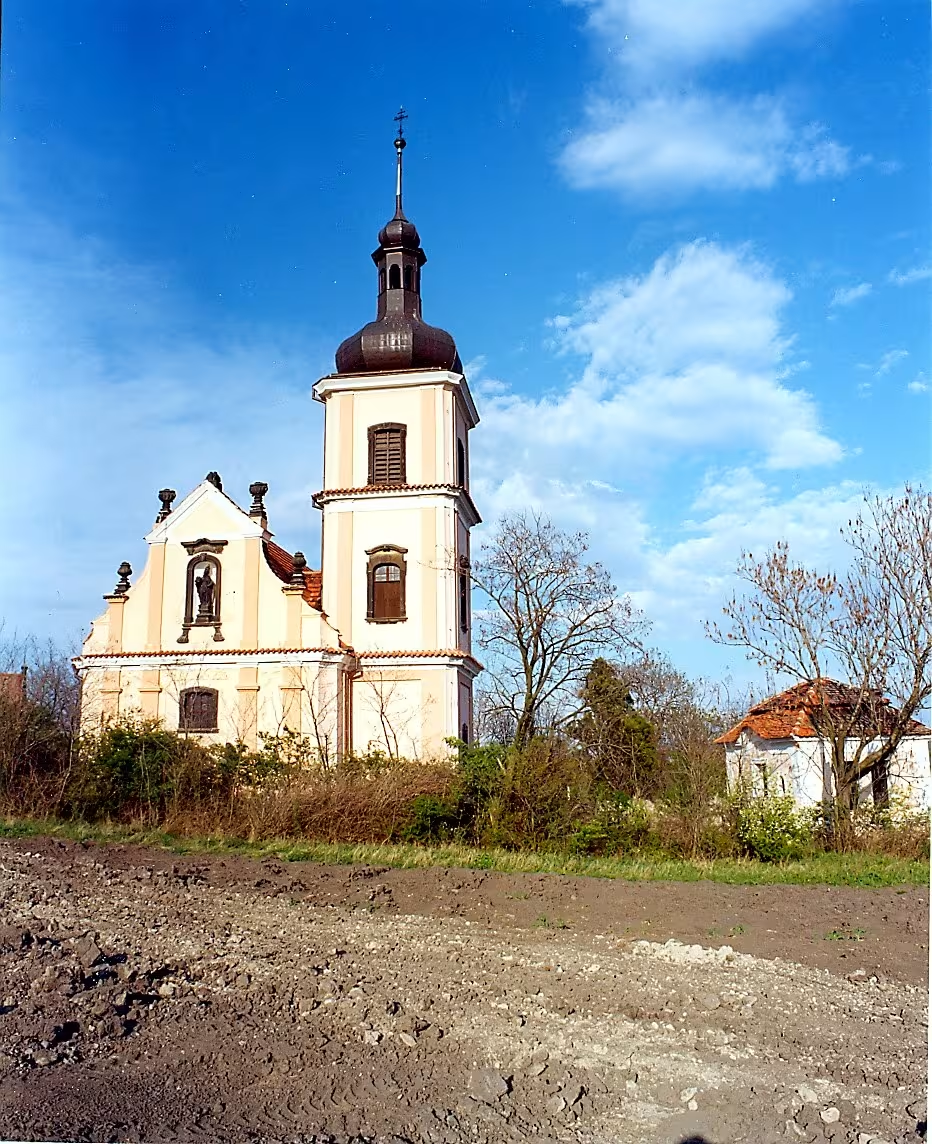
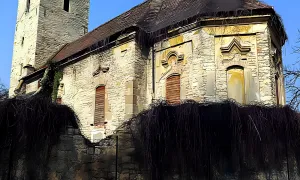
The Church of Saint Nicholas in Orasice is a baroque sacred building situated on a hill above the village, forming part of a cemetery complex enclosed by a stone wall. This church, notable for distinctive architectural elements such as a bell tower and intricate façade details, stands as a cultural monument in the Czech Republic. First documented in 1356, it underwent significant reconstruction around 1725 under the plans of Octavius Broggia, reflecting the baroque style prevalent during that period.
The church's origins trace back to its first mention in historical records in 1356, indicating an earlier structure on this site. By 1725, a new baroque building replaced the original, designed by architect Octavius Broggia. This reconstruction was part of broader cultural and architectural developments across Bohemia during the early 18th century under Habsburg rule.
Architecturally, the Church of Saint Nicholas showcases typical baroque features with its single-nave layout and oblong presbytery. The exterior is marked by a bell tower on the southern side of the western façade, divided into convex sections with recessed corners, pilasters, and niches. A statue of Saint Nicholas adorns the niche above the entrance, enhancing the church's visual appeal. The interior features frescoes depicting scenes from the legend of Saint Nicholas and other religious themes, restored in 1903 and again in 2016.
The church is surrounded by a cemetery enclosed by a stone wall, featuring a baroque gate, chapel, and well. Nearby, there are statues of Saint Wenceslas from 1719 and other religious sculptures, enhancing the site's historical ambiance. The church itself houses several baroque artworks, including images of various saints and a pseudobaroque main altar with an image of Saint Nicholas.
Today, the Church of Saint Nicholas remains a significant cultural monument, accessible to visitors interested in its architectural beauty and historical significance. Its well-preserved frescoes and baroque elements make it a worthwhile destination for those exploring Orasice's rich heritage. The church's enduring legacy as a site of religious and artistic importance invites both history enthusiasts and casual visitors to appreciate its unique charm.
Then and now
Drag the slider to compare how the landmark may have looked when it was built with the view today.
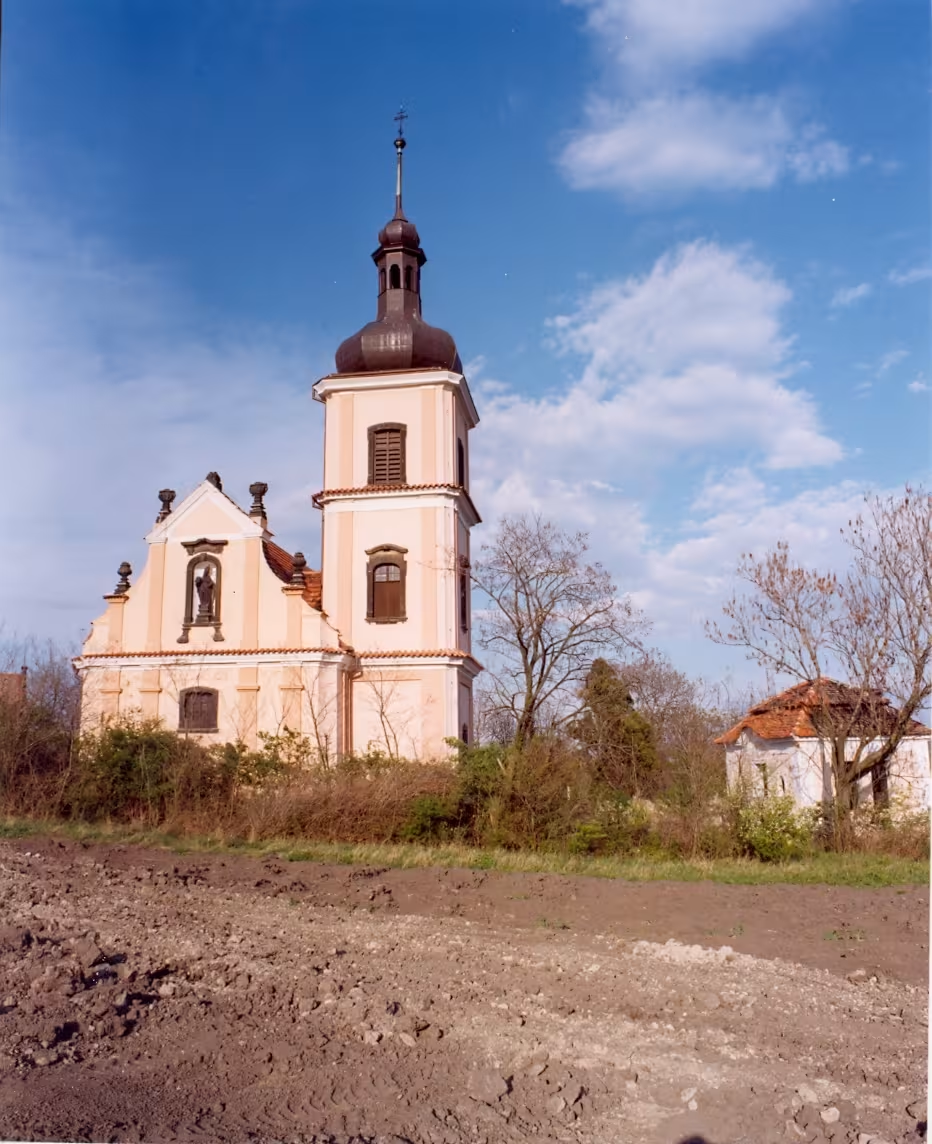

The historical appearance on the left is an AI-generated visualisation and serves as inspiration only.
Historical milestones
- 1356
- První zmínka o kostele svatého Mikuláše v historických záznamech.
- 1725
- Významná rekonstrukce kostela podle plánů architekta Octavia Broggia, přechod k baroknímu stylu.
- 1903
- Obnova freskových maleb v interiéru kostela.
- 2016
- Další obnova freskových maleb v interiéru kostela.
Architectural development
Originally mentioned in 1356, the church underwent significant reconstruction by 1725 under the plans of Octavius Broggia. The building showcases typical baroque architecture with a single-nave layout and an oblong presbytery. Notable features include a bell tower, detailed façade pilasters, and interior frescoes restored in 1903 and again in 2016.
Historical events
First documented mention of a local church in 1356.
The current baroque structure was built around 1725.
Points of interest
– The Church of Saint Nicholas is one of the few churches in Orasice that has maintained its original baroque frescoes since their restoration in 1903 and again in 2016, preserving a rare glimpse into early 20th-century art conservation techniques.
– Legend has it that during the church's reconstruction in 1725, Octavius Broggia discovered an ancient underground chamber beneath the hill, rumored to be connected to medieval alchemists who once practiced there, though no evidence of this has been found.
– The statue of Saint Nicholas above the entrance is said to have a hidden compartment that was used during World War II to hide valuable religious artifacts from looters, adding a layer of mystery and intrigue to its historical narrative.
– The baroque gate leading into the cemetery complex is believed to be constructed using stones salvaged from an older, pre-baroque church on the same site, symbolizing continuity and transformation in Orasice's architectural history.
– A curious local legend suggests that during full moons, the bell tower emits a haunting melody that can only be heard by those with pure intentions, adding an element of mystique to its already captivating baroque architecture.
Guide
This guide is narrated by a synthetic voice generated by artificial intelligence.
Show guide text
This text was created by artificial intelligence and has not been editorially reviewed. It may contain inaccuracies.
Welcome to the Church of Saint Nicholas in Orasice, a serene and historic site that invites you into its rich tapestry of history and artistry. As you stand here on this elevated hill overlooking the village, take a moment to absorb your surroundings. The church, with its distinctive baroque architecture, forms part of an enclosed cemetery complex, surrounded by a stone wall. Notice the baroque gate leading to the chapel and well nearby—these elements are integral parts of the site's historical charm.
Let us delve into its origins. The first mention of this sacred building dates back to 1356 in historical records. Over time, it evolved significantly, especially during a major reconstruction in 1725 under the guidance of architect Octavius Broggia. This transformation marked the church’s transition to the baroque style, which is evident in its current form.
Now, turn your attention to the architectural details that make this site so captivating. The bell tower and intricate façade are standout features, showcasing the craftsmanship typical of the baroque period. As you admire these elements, imagine the skilled artisans who brought them to life centuries ago.
While specific historical figures connected to this church remain largely unknown, its story is woven into the fabric of Orasice's history. The church underwent significant restorations in 1903 and again in 2016, preserving its original baroque frescoes—making it one of the few churches in the area to maintain such a rare glimpse into early 20th-century art conservation techniques.
Did you know there’s an intriguing legend associated with this church? It is said that during its reconstruction period, mysterious occurrences were reported. While these stories add an air of mystique, they also highlight the cultural significance and enduring allure of this sacred site.
As we conclude our brief journey through time at the Church of Saint Nicholas, I invite you to explore further. Wander around the cemetery complex, take in the peaceful atmosphere, or simply sit for a moment to reflect on the history that surrounds you. Thank you for joining me today, and may your visit be both enlightening and inspiring.
---
This audio guide is designed to enhance your experience at this remarkable site, offering insights into its architectural beauty and historical significance. Enjoy your exploration!
Tips for visitors
The best time to visit the Church of Saint Nicholas in Orasice is during late spring or early autumn when the weather is mild, making it ideal for walking through the cemetery complex and exploring the surrounding area. These seasons also offer beautiful natural lighting that enhances the baroque architecture of the church and its surroundings.
When visiting, consider bringing comfortable walking shoes as you'll likely explore the church grounds and cemetery area. A camera is recommended to capture the architectural details of the baroque gate and chapel, as well as the serene atmosphere of the site. Don't forget a hat or sunscreen during sunny days for protection against the elements.
Photography enthusiasts will find the early morning light particularly flattering for capturing the church's façade and the intricate details of the surrounding cemetery complex. The soft shadows cast by the dawn can add depth to your photos, making this an ideal time for photography. Additionally, the baroque gate and chapel provide unique spots with interesting architectural elements.
For families visiting with children, the area around the Church of Saint Nicholas offers a peaceful environment to explore. While there are no specific attractions designed for children within a 30-minute radius, the statues of Saint Wenceslas and other religious sculptures can be intriguing points of interest. Encourage your children to observe these artworks and perhaps share stories about their historical significance.
In terms of nearby attractions, the baroque gate, chapel, and well within the cemetery complex are worth exploring for anyone interested in architecture or history. These features add a layer of cultural richness to the visit and provide additional context to the church's significance in Orasice.
Frequently asked questions
Can the monument be visited?
Religious buildings are usually open mainly during services; at other times a visit is normally arranged with the parish or the operator. We have not verified specific times.
Where is the monument?
Location: Orasice, Ústecký kraj. The map on this page shows the exact spot.
Why is the monument protected?
It is listed in the Central List of Cultural Monuments of the Czech Republic as a cultural monument (register no. 43364/5-1329).
Businesses nearby
Do you run a restaurant, accommodation, shop, museum, rental, wellness or other visitor service near this monument? Show yourself directly to the people heading to it — this is how they will see you in the app and on the web:
Nearby
Surrounding the church is a cemetery enclosed by a stone wall, featuring a baroque gate, chapel, and well. Nearby, there are statues of Saint Wenceslas from 1719 and other religious sculptures.
Accommodation nearby
Themed route
Thematic Walking Tour: Orasice and the Church of Saint Nicholas
1. Church of Saint Nicholas (Orasice)
Type: Historical Religious Site
This is your starting point, a beautiful example of religious architecture in the heart of Orasice. The church's historical significance and architectural beauty make it an essential visit for anyone interested in cultural heritage.
2. Cemetery with Baroque Gate
Type: Historic Cemetery Enclosure
Located immediately surrounding the Church of Saint Nicholas, this cemetery is enclosed by a stone wall featuring a striking baroque gate. The serene atmosphere provides a reflective space to appreciate the artistry and history embodied within its boundaries.
3. Chapel in the Cemetery
Type: Religious Structure
Within the cemetery lies a chapel that complements the spiritual ambiance of the area. Its presence adds depth to the historical narrative of Orasice, inviting visitors to explore the religious traditions preserved here over centuries.
4. Well in the Cemetery
Type: Historic Well
Also situated within the cemetery grounds is an old well. This feature offers a glimpse into the past daily lives and practices of the local community, serving as both a historical artifact and a point of interest for those curious about traditional water sources.
5. Statue of Saint Wenceslas (1719)
Type: Historical Sculpture
Nearby the church, this statue from 1719 stands as a testament to the rich religious artistry in Orasice. The depiction of Saint Wenceslas provides insight into the cultural and spiritual values that have shaped the community over time.
This tour offers an intimate exploration of Orasice's historical and religious landmarks, providing visitors with a meaningful connection to its past.
Seasonal recommendations
Spring: The arrival of spring at the Church of Saint Nicholas in Orasice is marked by a rejuvenating atmosphere, as nature awakens with vibrant colors and fresh scents. The soft light filtering through budding trees creates an ethereal glow around the historic structure, enhancing its architectural beauty. This season offers a quieter experience compared to later months, making it ideal for those who appreciate tranquil visits. Visitors should dress in layers to accommodate the variable weather and consider arriving early in the day when temperatures are milder and before any potential increase in visitors as spring progresses.
Summer: Summer at the Church of Saint Nicholas is characterized by long daylight hours that illuminate its architectural details, creating a picturesque setting for photography enthusiasts. The surrounding greenery reaches full bloom, providing a lush backdrop to this historic site. While summer attracts more tourists due to its favorable weather and longer days, it's advisable to visit early in the morning or later in the afternoon to avoid crowds. Comfortable walking shoes and light clothing are recommended, along with sun protection like hats and sunscreen.
Autumn: Autumn brings a stunning transformation to the Church of Saint Nicholas as the surrounding landscape is painted in shades of red, orange, and gold. The crisp air enhances the serene atmosphere, making it an ideal time for contemplative visits. While the weather remains mild during early autumn, visitors should be prepared with warmer layers as temperatures drop towards the end of the season. This period sees fewer tourists compared to summer, allowing for a more intimate experience of the church and its surroundings.
Winter: Winter envelops the Church of Saint Nicholas in a quiet, almost mystical atmosphere, with snow potentially adding a magical touch to its historic façade. The shorter days mean that daylight hours are limited, so planning your visit during midday can ensure you make the most of natural lighting for viewing the church's details. It's essential to dress warmly and wear sturdy boots due to potential icy conditions. While fewer visitors come in winter, it’s important to check opening times as they may be reduced during this season.
Visualizations and artistic views


The visualisations are generated by artificial intelligence and serve as inspiration.
Photos from the area
Real photos taken near the monument


Zdroj a licence jsou uvedeny u každého snímku.
Tips from visitors
No tips yet. Be the first!
Log in and add your tip.
Sources and literature
Photos: Gortyna / CC BY-SA 3.0 — Wikimedia Commons. The author and licence also appear when you hover over the image.
Faktickým podkladem tohoto textu byl článek na Wikipedii, jehož autory jsou přispěvatelé Wikipedie. Článek je dostupný pod licencí CC BY-SA 4.0.
Location on the map

Příběhy a pověsti
Legendy, pověsti a příběhy spjaté s touto památkou
Příběh: Kostel svatého Mikuláše (Orasice)
Bylo to v pondělí ráno, kdy Martin, mladý důchodce z obyčejného řemeslníka, zvedl oči ze svého šedivého útulku a uviděl paprsky slunce prorážet do úzkých uli…
Číst příběh
Pověst: Kostel svatého Mikuláše (Orasice)
Traduje se, že když litoměřický stavitel Octavius Broggio vystoupil v létě roku 1725 na kopec nad Orasicemi, zastavil se a dlouze pohlédl na starý kostelík, …
Číst příběhFotografie návštěvníků
Zatím žádné fotografie. Buďte první, kdo přidá fotografii z návštěvy!
Log in a přidejte svou fotografii nebo hodnoťte.
Za ověřenou návštěvu v aplikaci získáte víc bodů — poznáme podle GPS, že jste na místě.
Reviews and comments