






kostel svatého Mikuláše (Ostrov) Kostel
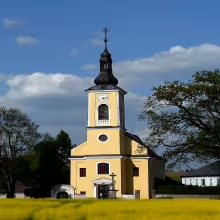
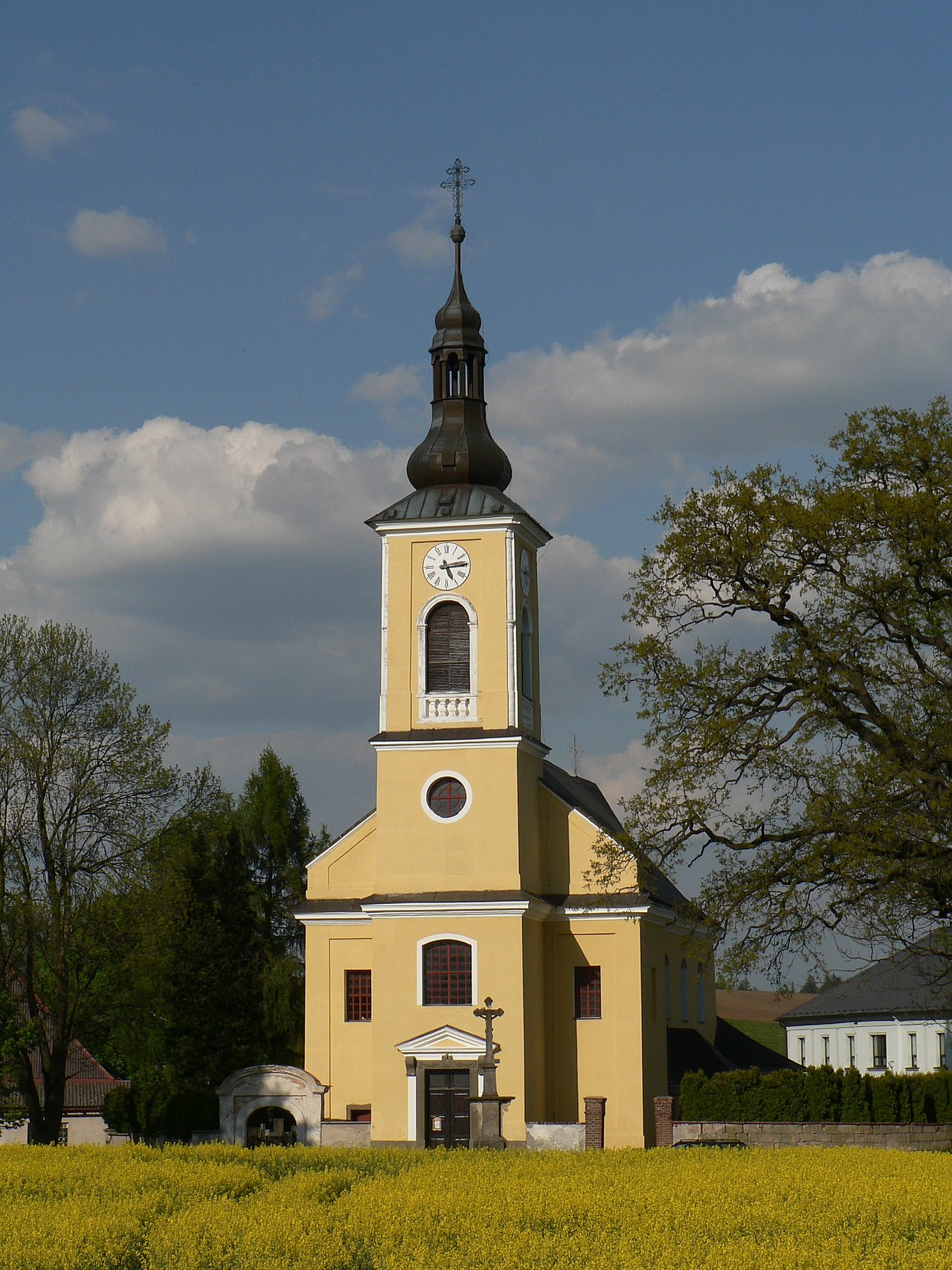
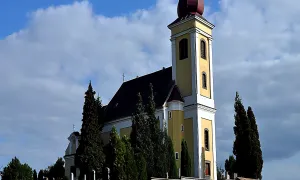
The Church of Saint Nicholas in Ostrov is a notable Baroque architectural monument from the 18th century, located in the village of Ostrov within Ústí nad Orlicí District, Pardubický kraj. Constructed in 1773 on the site of an earlier church that burned down in 1772, this single-nave structure with a square presbytery and sacristy stands as a testament to the region's cultural heritage. Its historical significance is enhanced by the addition of a spire to its original tower above the main portal in 1798.
The origins of the Church of Saint Nicholas trace back to an earlier church built in 1685, which was destroyed by fire in 1772. This event necessitated the construction of the current building in 1773, marking a significant moment in the village's history. The late 18th century was a period of cultural and architectural development across Bohemia, then part of the Habsburg Monarchy, where Baroque style flourished. During this time, many religious buildings were either constructed or renovated to reflect the grandeur and artistic expression characteristic of the era.
Architecturally, the Church of Saint Nicholas is distinguished by its late Baroque design. The structure features a single-nave layout complemented by a square presbytery and sacristy, typical elements that define this period's ecclesiastical architecture. In 1798, the church underwent further enhancement with the addition of a spire to the existing tower above the main portal, contributing to its distinctive silhouette and historical value.
Throughout its history, the Church of Saint Nicholas has remained an integral part of Ostrov’s cultural landscape. While specific details about ownership or dramatic changes in administration are not documented, it is recognized as a protected cultural monument, underscoring its importance within the region's architectural heritage.
The church's timeline highlights key events that have shaped its existence: the rebuilding in 1773 following the fire and the spire addition in 1798. These developments reflect both resilience and adaptation over time, ensuring the church’s continued presence as a historical landmark.
Today, the Church of Saint Nicholas stands as an accessible site for visitors interested in exploring Baroque architecture and local history. Its preservation as a cultural monument ensures that it remains a valuable piece of Ostrov's heritage. Visitors are invited to appreciate its architectural beauty and reflect on its historical journey, making it a worthwhile destination for those intrigued by the rich tapestry of Bohemian culture.
In conclusion, the Church of Saint Nicholas in Ostrov is not only an architectural marvel but also a symbol of resilience and cultural continuity. Its preservation allows visitors to connect with the past while appreciating the artistic achievements of the Baroque period. This monument invites exploration and reflection, offering insights into the historical narrative of the region.
Then and now
Drag the slider to compare how the landmark may have looked when it was built with the view today.
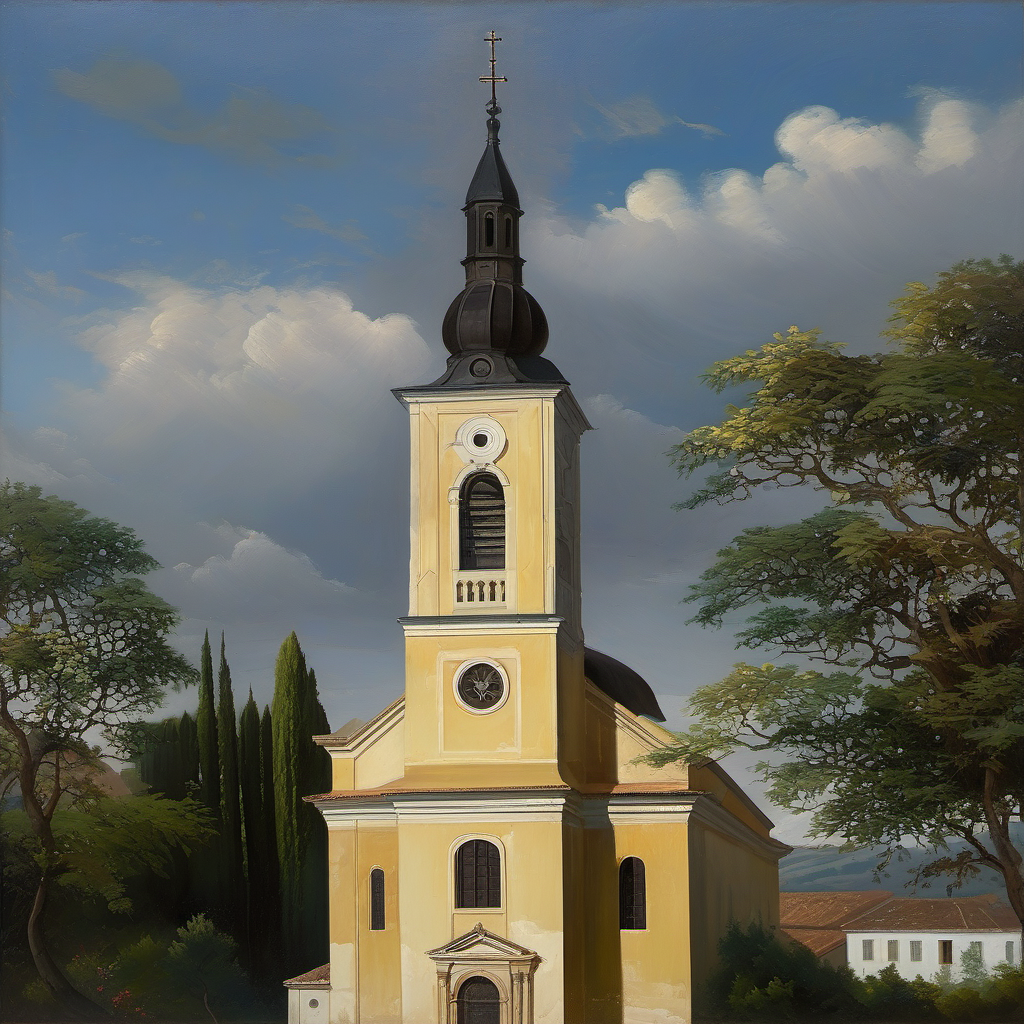
The historical appearance on the left is an AI-generated visualisation and serves as inspiration only.
Historical milestones
- 1685
- The original Church of Saint Nicholas was built.
- 1772
- The Church of Saint Nicholas burned down, leading to its restoration.
- 1773
- A new Church of Saint Nicholas was constructed on the site of the damaged building.
- 1798
- A tower above the main portal was added to the church.
Architectural development
The Church of Saint Nicholas underwent significant development from its initial construction as a simple baroque church in 1685, through its reconstruction after a fire in 1772, and finally with the addition of a spire in 1798. The building is characterized by its single-nave design, square presbytery, and sacristy.
Historical events
The original church was constructed in 1685 but burned down in 1772, leading to the construction of the current building in 1773.
A spire was added to the existing tower above the main portal in 1798.
Points of interest
- The Church of Saint Nicholas was constructed just one year after the previous church burned down in 1772, showcasing the community's resilience and determination to rebuild quickly. - In 1798, a spire was added to the original tower above the main portal, enhancing not only its architectural beauty but also serving as a symbolic gesture of renewal and growth during that period.
Guide
Show guide text
Welcome to the historic Church of Saint Nicholas in Ostrov! As you stand before this magnificent structure, take a moment to soak in its grandeur—a testament to the village's rich history and cultural heritage. The church, with its baroque architecture from the 18th century, stands as an enduring symbol of resilience and community spirit.
The story of this church begins in 1685 when the original Church of Saint Nicholas was constructed. However, fate had a different plan, and in 1772, the church succumbed to flames. The villagers, undeterred by this setback, demonstrated remarkable determination by rebuilding their beloved church just one year later. This swift reconstruction speaks volumes about the community's resilience.
As you gaze upon the church today, notice its single-nave structure with a square presbytery and sacristy—a design choice that reflects both functionality and aesthetic appeal. The addition of a spire to the original tower above the main portal in 1798 added an elegant touch, enhancing the architectural beauty of this historic edifice.
While exploring further, you might be intrigued by the fact that there are no known architects or historical figures directly associated with its construction. This mystery adds an element of intrigue, inviting us to ponder the anonymous craftsmen whose skills brought this vision to life.
As we conclude our visit, I invite you to continue exploring Ostrov and discover more about its fascinating history. Thank you for joining me today at the Church of Saint Nicholas, where every stone tells a story.
Businesses nearby
Do you run a restaurant, accommodation, shop, museum, rental, wellness or other visitor service near this monument? Show yourself directly to the people heading to it — this is how they will see you in the app and on the web:
Accommodation nearby
Themed route
Thematic Tour Itinerary: Ostrov and Surroundings
1. Kostel svatého Mikuláše (Ostrov) - Church Begin your journey at the stunning Kostel svatého Mikuláše, a beautiful example of baroque architecture located in the heart of Ostrov. This church is renowned for its intricate design and historical significance, offering visitors a glimpse into the rich cultural heritage of the region.
2. Farní dům (Ostrov) - Parish House A short walk from the church will lead you to the Farní dům, an architectural gem that complements the church's baroque style. This parish house is significant for its historical role in community gatherings and religious events, providing insight into the social fabric of Ostrov.
3. Náves (Ostrov) - Town Square Continue your exploration to the charming Náves, the central town square of Ostrov. It serves as a vibrant hub where locals and visitors alike can enjoy traditional markets and cultural festivals. The square's historical ambiance makes it an ideal spot for relaxation and people-watching.
4. Kaple svatého Jana Nepomuckého (Ostrov) - Chapel Nearby, you'll find the serene Kaple svatého Jana Nepomuckého, a small yet spiritually significant chapel dedicated to Saint John of Nepomuk. This site is cherished for its peaceful atmosphere and intricate artwork, offering a moment of reflection amidst your tour.
5. Městský park (Ostrov) - City Park Conclude your visit at the Městský park, a lush green space perfect for unwinding after exploring Ostrov's historical sites. The park provides scenic walking paths and beautiful landscaping, making it an ideal spot to appreciate nature while reflecting on the day's journey.
This itinerary offers a comprehensive exploration of Ostrov's cultural and historical highlights, ensuring a memorable experience in this picturesque part of Pardubický kraj.
Seasonal recommendations
Spring: Visiting the Church of Saint Nicholas during spring offers a unique experience as the surrounding landscape bursts into life with vibrant wildflowers and budding trees, creating an enchanting atmosphere that complements the historic architecture. The soft, diffused light filtering through fresh leaves enhances the church's intricate details, making it an ideal time for photography enthusiasts. Visitors should be prepared for occasional rain showers by bringing a waterproof jacket or umbrella and wearing comfortable walking shoes to explore the grounds. Arriving in the morning can help avoid larger crowds as tourists flock to enjoy the region’s natural beauty.
Summer: The summer months bring long days and warm weather, making it perfect for exploring the Church of Saint Nicholas and its picturesque surroundings on Ostrov Island. With the lush greenery and blooming gardens at their peak, visitors can enjoy a leisurely walk around the area while soaking in the serene ambiance. However, this is also the height of tourist season, so arriving early in the day is advisable to avoid larger crowds and ensure ample time for exploration. Comfortable footwear and light clothing are recommended, along with sunscreen and a hat to protect against the sun.
Autumn: Autumn transforms the Church of Saint Nicholas into a stunning backdrop of warm hues as the leaves change color, offering a picturesque setting that enhances its historical charm. The cooler temperatures make it an ideal time for a leisurely visit without the summer crowds. Visitors should take advantage of the crisp air by bringing a light jacket or sweater to stay comfortable during their exploration. Early mornings are particularly magical with misty landscapes and softer lighting, providing excellent opportunities for photography.
Winter: Winter brings a quiet and contemplative atmosphere to the Church of Saint Nicholas, with snow often blanketing the landscape and adding a touch of magic to its historic façade. The shorter days mean that visiting in the morning is best to make the most of daylight hours, as some facilities may have reduced opening times during this season. Visitors should dress warmly in layers, including thermal wear and waterproof outer garments, to stay comfortable while exploring. Despite potential closures or limited access due to weather conditions, the serene beauty of the church set against a winter backdrop is truly enchanting.
Visualizations and artistic views


Vizualizace jsou generovány umělou inteligencí a slouží jako inspirace.

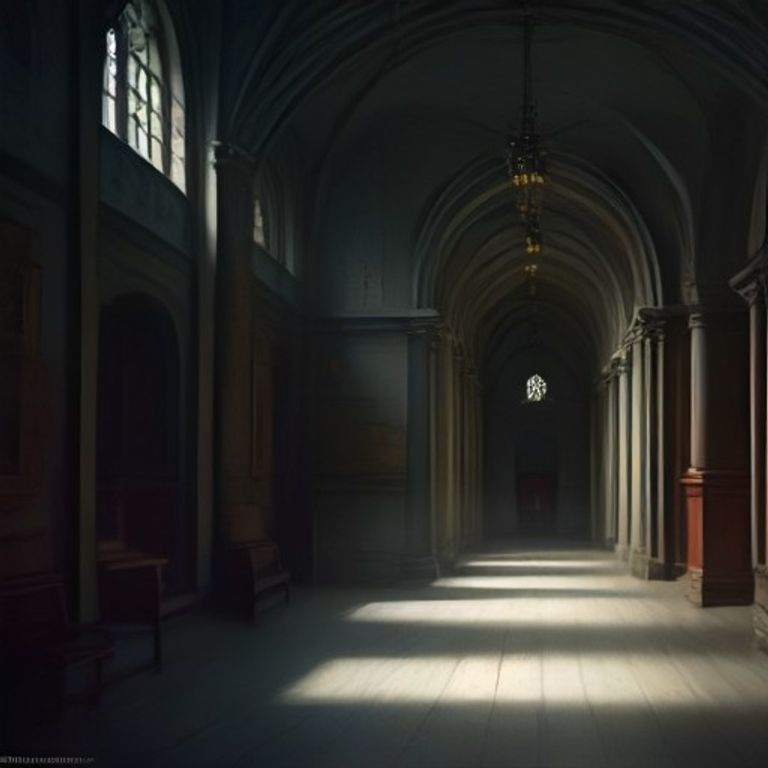
Atmosphere of the place
Atmospheric visualization of the setting and era
Tips from visitors
No tips yet. Be the first!
Log in and add your tip.


Příběhy a pověsti
Legendy, pověsti a příběhy spjaté s touto památkou
Za ověřenou návštěvu v aplikaci získáte víc bodů — poznáme podle GPS, že jste na místě.
Reviews and comments