






Kostel svatého Mikuláše v Třebušíně Church
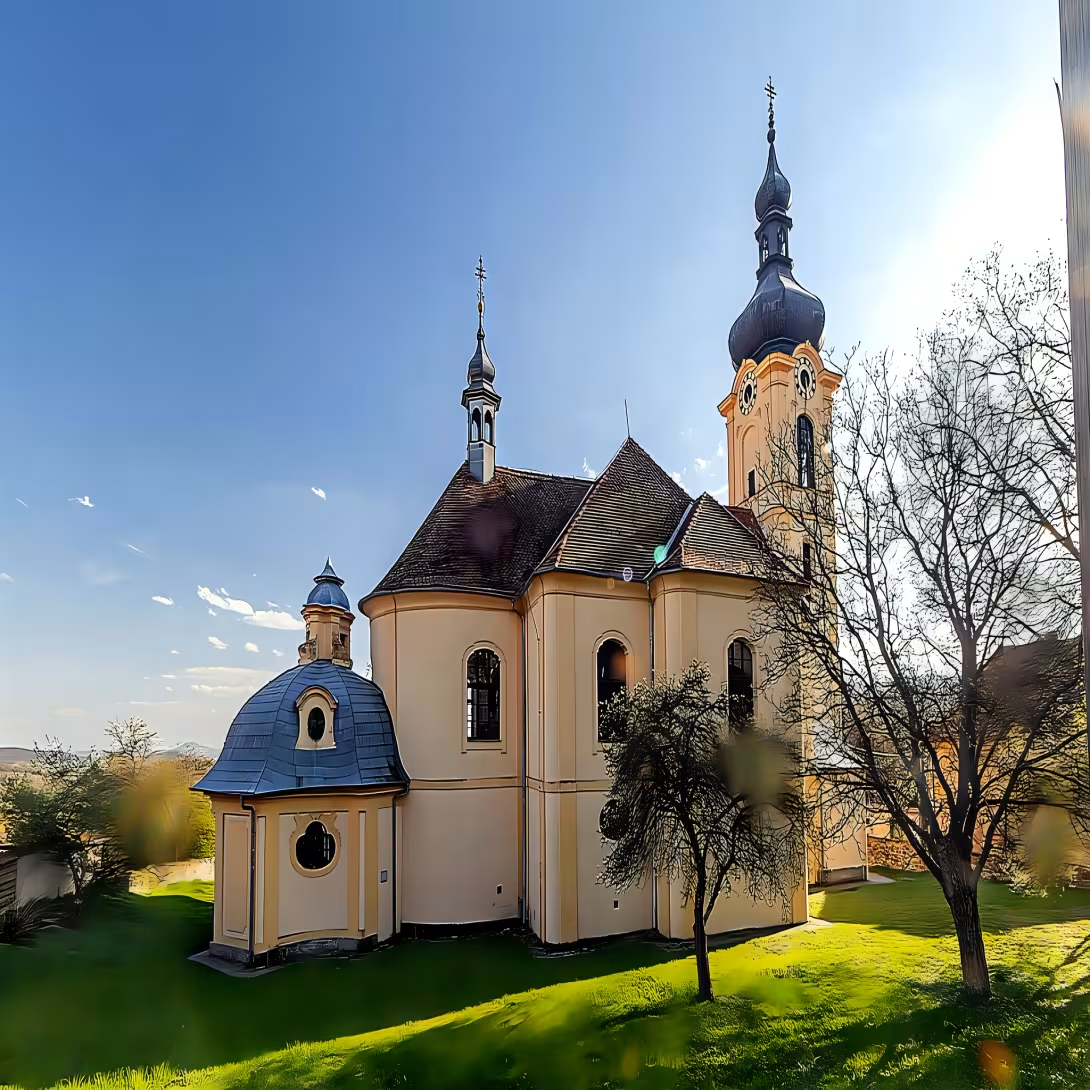
The Church of Saint Nicholas in Třebušín is a prominent Baroque architectural landmark within the village, located in Ústecký kraj, Czech Republic. First mentioned in 1384, it has evolved from probable Romanesque origins to its current form starting in 1709. Its significance is enhanced by a chapel built between 1724 and 1725 by Octavio Broggio, making it a dominant local feature.
Historically integral since the late Middle Ages as a Gothic structure, the church experienced destruction and reconstruction during events like the Hussite Wars. In 1709, its transformation into a Baroque edifice began, reflecting broader European trends under Habsburg influence. Changes included replacing a wooden belfry with a brick tower in 1902 and major restorations from 1992 to 2003, supported by financial contributions from displaced residents and their descendants.
Architecturally, the church features a single-nave layout with prominent side chapels and narrower galleries on both sides, creating a cross-shaped floor plan. The western facade has a spire tower, while the eastern end houses a presbytery with a semicircular closure forming part of an adjacent lower central chapel with a dynamic polygonal floor plan. Externally, all corners are rounded and flanked by pilasters, with three-part tracery windows. Inside, it features barrel vaults and pilaster bundles, with an organ loft in the western nave section and galleries above. The eastern chapel dedicated to Saint John has a monastic (valve) vault with a lantern.
The interior includes elements from previous church iterations. The main altar is Baroque, framed, featuring artwork by Jan Onghers from 1721, supported by two angels. A rococo side altar dedicated to the Holy Trinity in the northern chapel dates to the mid-18th century. Additionally, a late Baroque statue of Saint John Nepomuk from 1747 stands near the church.
Today, the Church of Saint Nicholas is both a place of worship and a cultural monument protected for its historical and architectural significance. The surrounding cemetery and remnants of a moat and ditch suggest a former Teutonic fortress nearby. Its rich history and Baroque architecture make it a worthwhile visit for those interested in Czech heritage and religious art.
Visitors to Třebušín are invited to explore this remarkable site, where history and art converge in the Church of Saint Nicholas. Its enduring presence as a cultural landmark offers insight into the architectural evolution and historical narratives that have shaped the region over centuries.
Then and now
Drag the slider to compare how the landmark may have looked when it was built with the view today.
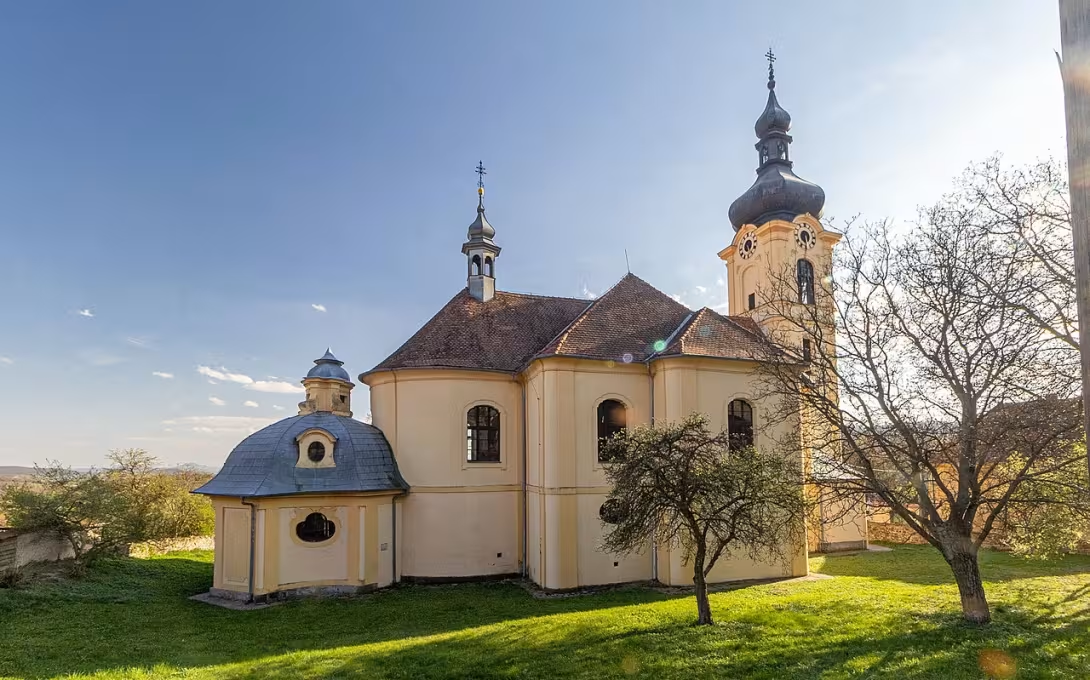
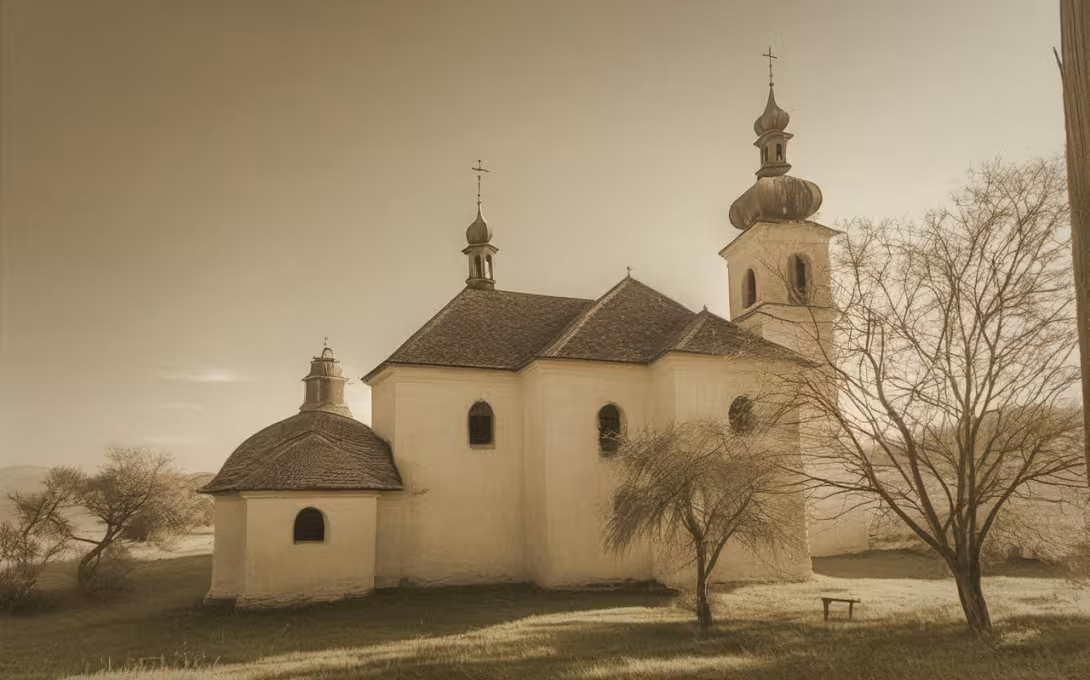
The historical appearance on the left is an AI-generated visualisation and serves as inspiration only.
Historical milestones
- 1384
- The church is mentioned as Gothic.
- 1709
- Construction began on the Baroque church.
- 1724
- Chapel built by Octavio Broggio.
- 1902
- Wooden belfry replaced with a brick tower.
Architectural development
The Church of Saint Nicholas began as a Romanesque structure, later mentioned as Gothic in 1384. It was rebuilt into its Baroque form starting in 1709, with significant additions like the chapel by Octavio Broggio between 1724-1725. The church underwent further modifications in 1902 when its wooden belfry was replaced with a brick tower. Restoration efforts from 1992 to 2003 revitalized the structure.
Historical events
1709: Construction began on the Baroque church, transforming an earlier structure.
1902: The wooden belfry was replaced with a high brick tower, altering the church's appearance significantly.
1992-2003: Major restoration efforts were undertaken, supported by financial contributions from displaced residents and their descendants in Germany.
Points of interest
- The Church of Saint Nicholas underwent significant architectural transformation during the Baroque period beginning in 1709, reflecting broader European trends under Habsburg influence, which marked a shift from its probable Romanesque origins.
- A unique feature of the church is the dynamic polygonal floor plan of the lower central chapel, an unusual design choice that adds to the building's architectural intrigue and complexity.
- The church houses a late Baroque statue of Saint John Nepomuk dating back to 1747, which stands near the church as a testament to its rich artistic heritage and religious significance during that period.
- The main altar, crafted in the Baroque style, is adorned with artwork by Jan Onghers from 1721, supported by two angels, showcasing the intricate artistry and craftsmanship of early 18th-century Bohemian artists.
- Surrounding the church are remnants of a moat and ditch, hinting at the historical presence of a Teutonic fortress nearby, which adds an element of medieval military history to the site's narrative.
Guide
This guide is narrated by a synthetic voice generated by artificial intelligence.
Show guide text
This text was created by artificial intelligence and has not been editorially reviewed. It may contain inaccuracies.
Welcome to the Church of Saint Nicholas in Třebušín, a magnificent testament to Baroque architecture and local history that has stood as a beacon for this village since its first mention in 1384. As you stand here, imagine yourself stepping into a world where every stone tells a story of transformation and devotion.
The origins of this church trace back to the late Middle Ages when it was first mentioned as a Gothic structure. While its earliest form likely bore Romanesque influences, the most significant changes began in 1709, marking a new era under the Baroque style. This period of architectural evolution reflects broader European trends during the Habsburg influence, showcasing how local and continental styles merged to create something truly unique.
As you take in the surroundings, notice the dynamic elements that define its Baroque character. The church's transformation was not merely an aesthetic choice but a reflection of changing times and spiritual needs. One cannot miss the distinctive chapel built by Octavio Broggio between 1724 and 1902 when the wooden belfry gave way to a more enduring brick tower. These elements speak volumes about the ingenuity and vision that shaped this sacred space.
While many historical figures associated with its construction remain unnamed, their legacy is etched into every detail of the church's architecture. The work of Octavio Broggio stands out as a pivotal moment in the church’s history, bringing to life the Baroque ideals of grandeur and movement.
Now, let your curiosity lead you to one of the church’s intriguing features: its dynamic polyphonic echoes that seem to fill the space with life. This auditory experience is just one way this place continues to inspire awe and wonder among those who visit.
As we conclude our journey through time at the Church of Saint Nicholas in Třebušín, I invite you to explore further, to wander around its perimeter, and perhaps even step inside if the doors are open. Let your senses guide you as you discover more about this architectural gem that has stood the test of time.
Thank you for joining me on this exploration. May your visit be filled with inspiration and a deeper appreciation for the stories held within these walls. Farewell, until we meet again at another historical marvel.
Frequently asked questions
Can the monument be visited?
Religious buildings are usually open mainly during services; at other times a visit is normally arranged with the parish or the operator. We have not verified specific times.
Where is the monument?
Location: Třebušín, Ústecký kraj. The map on this page shows the exact spot.
Why is the monument protected?
It is listed in the Central List of Cultural Monuments of the Czech Republic as a cultural monument (register no. 42324/5-2388).
Businesses nearby
Do you run a restaurant, accommodation, shop, museum, rental, wellness or other visitor service near this monument? Show yourself directly to the people heading to it — this is how they will see you in the app and on the web:
Events nearby
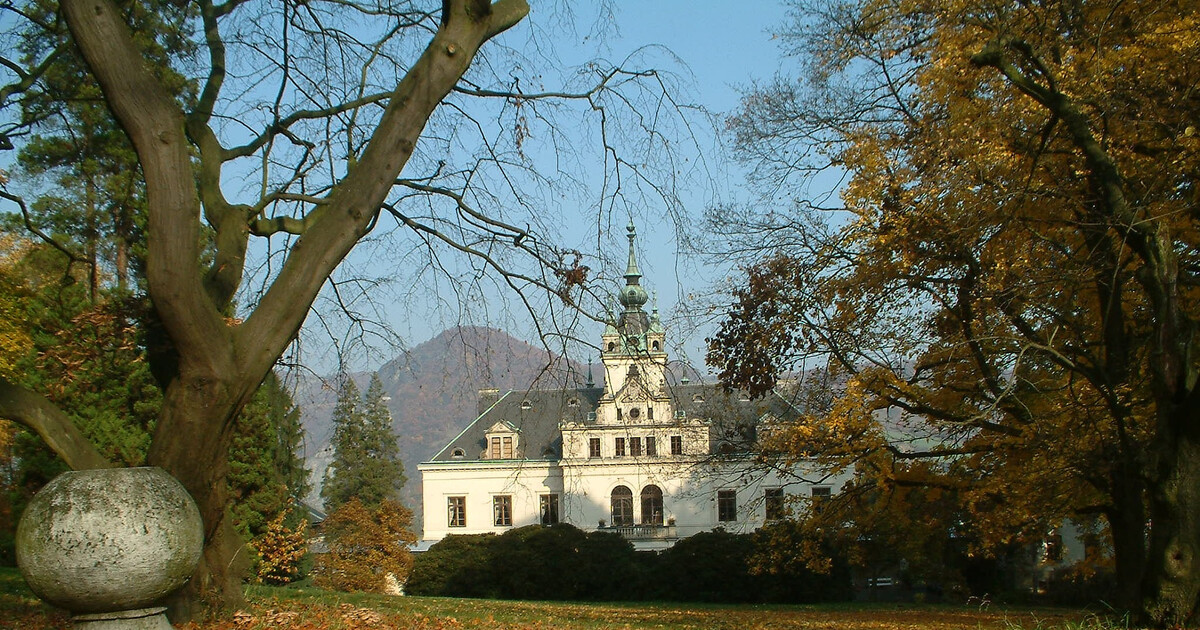

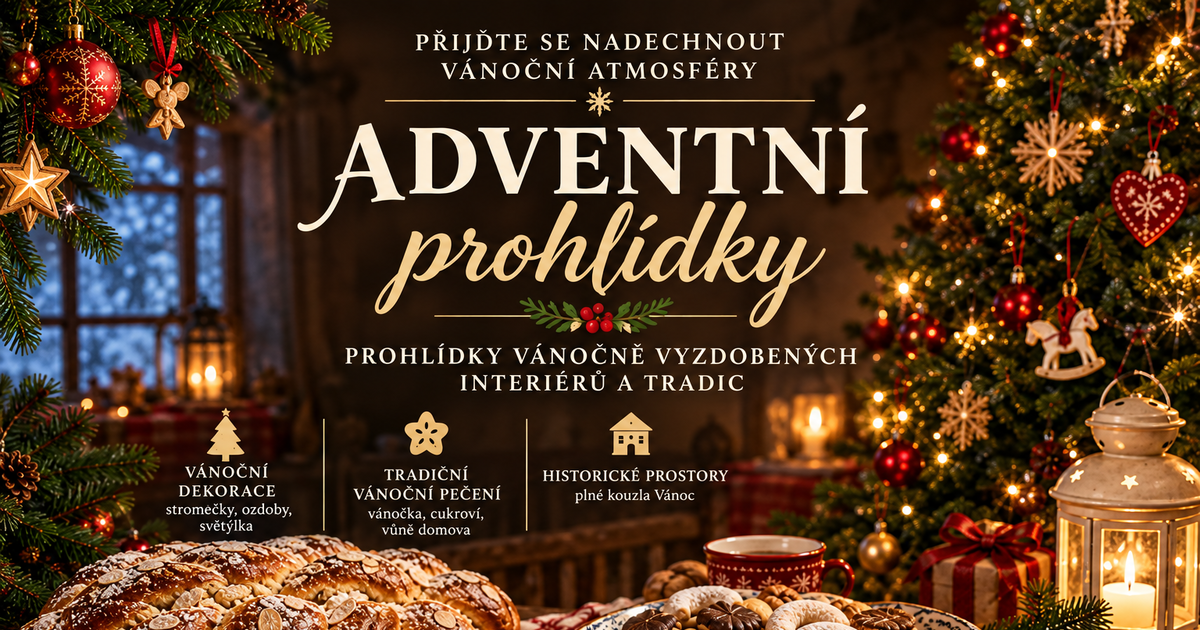
Zdroj akcí: otevřená data měst a obcí ČR (Národní katalog otevřených dat) a kalendář akcí Národního památkového ústavu.
Nearby
Surrounding the church is a cemetery. Nearby, remnants of a moat and ditch suggest the presence of a former Teutonic fortress. The area also features a late Baroque statue of Saint John Nepomucký.
Accommodation nearby
Trips and activities nearby
Guided tours, tickets and activities nearby from GetYourGuide
Affiliate link: if you buy from the partner, we may receive a commission. The price for you does not change.
Search tours and activities →Themed route
Thematic Walking Tour: Třebušín
1. Kostel svatého Mikuláše (Church of Saint Nicholas) - Type: Historical Church - Why Visit: Begin your journey at the heart of Třebušín with this stunning example of architectural history. The Church of Saint Nicholas is renowned for its intricate design and historical significance, offering a glimpse into the region's past.
2. Cemetery Surrounding the Church - Type: Historical Cemetery - Why Visit: Explore the serene cemetery that encircles the church. This site provides an opportunity to reflect on local history and traditions, as it serves as the final resting place for many generations of Třebušín's residents.
3. Remnants of a Teutonic Fortress - Type: Historical Ruins - Why Visit: Just a short walk from the church, these remnants offer fascinating insights into medieval fortifications. The moat and ditch suggest the presence of a former Teutonic fortress, inviting visitors to imagine life in Třebušín centuries ago.
4. Late Baroque Statue of Saint John Nepomucký - Type: Sculpture - Why Visit: Conclude your tour with this captivating late Baroque statue located nearby. The statue of Saint John Nepomucký is not only a beautiful piece of art but also holds cultural and religious significance, making it a must-see for anyone interested in the region's artistic heritage.
This thematic walking tour offers a compact yet enriching experience, allowing visitors to immerse themselves in the historical and cultural tapestry of Třebušín.
Seasonal recommendations
Spring: Visiting the Church of Saint Nicholas in Třebušín during spring offers a unique experience as nature comes to life, enveloping the church with vibrant colors and blooming flora. The soft morning light enhances the architectural details of this historic site, creating an ethereal atmosphere that is both refreshing and inspiring. Springtime brings moderate crowds, making it a pleasant time for those who enjoy exploring without too much hustle and bustle. Visitors should dress in layers to accommodate fluctuating temperatures, with comfortable walking shoes for traversing any uneven paths or gardens around the church.
Summer: The summer months at the Church of Saint Nicholas are characterized by long daylight hours that illuminate the historic structure beautifully, allowing visitors to fully appreciate its intricate details. This is also the peak tourist season, so expect larger crowds and potentially longer wait times if you plan to attend any services or events held during this period. To enhance your experience, consider visiting early in the morning or later in the afternoon when it’s cooler, as temperatures can soar. Wearing light, breathable clothing and bringing a hat or sunscreen is advisable for those exploring the church grounds.
Autumn: Autumn brings a breathtaking palette of warm colors to Třebušín, with the changing leaves providing a picturesque backdrop for the Church of Saint Nicholas. The crisp air and mellow sunlight create a serene atmosphere perfect for reflection and photography. Visitor numbers tend to decrease as the season progresses, offering a more tranquil experience. Dressing in layers is recommended due to cooler temperatures, especially later in the day. Carrying an umbrella or raincoat might be wise, given the likelihood of autumnal showers.
Winter: Winter transforms the Church of Saint Nicholas into a magical winter wonderland, with snow often draping over its historic features and enhancing its charm. The shorter days mean that visitors should plan their visit around daylight hours to make the most of their time exploring. While the church grounds may be quieter due to fewer tourists, it’s important to dress warmly in layers and wear sturdy footwear for walking on potentially icy paths. Visiting during this season offers a unique opportunity to experience the church in its quietest state, providing a peaceful and introspective atmosphere.
Visualizations and artistic views


The visualisations are generated by artificial intelligence and serve as inspiration.
Photos from the area
Real photos taken near the monument


Zdroj a licence jsou uvedeny u každého snímku.
Atmosphere of the place
This atmospheric visualisation of the place and period was generated by artificial intelligence. It is not real footage of the location.
Tips from visitors
No tips yet. Be the first!
Log in and add your tip.
Sources and literature
Photos: VitVit / CC BY-SA 4.0, rozlišení zvýšeno umělou inteligencí — Wikimedia Commons. The author and licence also appear when you hover over the image.
Faktickým podkladem tohoto textu byl článek na Wikipedii, jehož autory jsou přispěvatelé Wikipedie. Článek je dostupný pod licencí CC BY-SA 4.0.
Location on the map
More monuments – Třebušín
Show all in the municipality
Příběhy a pověsti
Legendy, pověsti a příběhy spjaté s touto památkou
Fotografie návštěvníků
Zatím žádné fotografie. Buďte první, kdo přidá fotografii z návštěvy!
Log in a přidejte svou fotografii nebo hodnoťte.
Za ověřenou návštěvu v aplikaci získáte víc bodů — poznáme podle GPS, že jste na místě.
Reviews and comments