






Kostel svatého Ondřeje (Jestřebí) Church
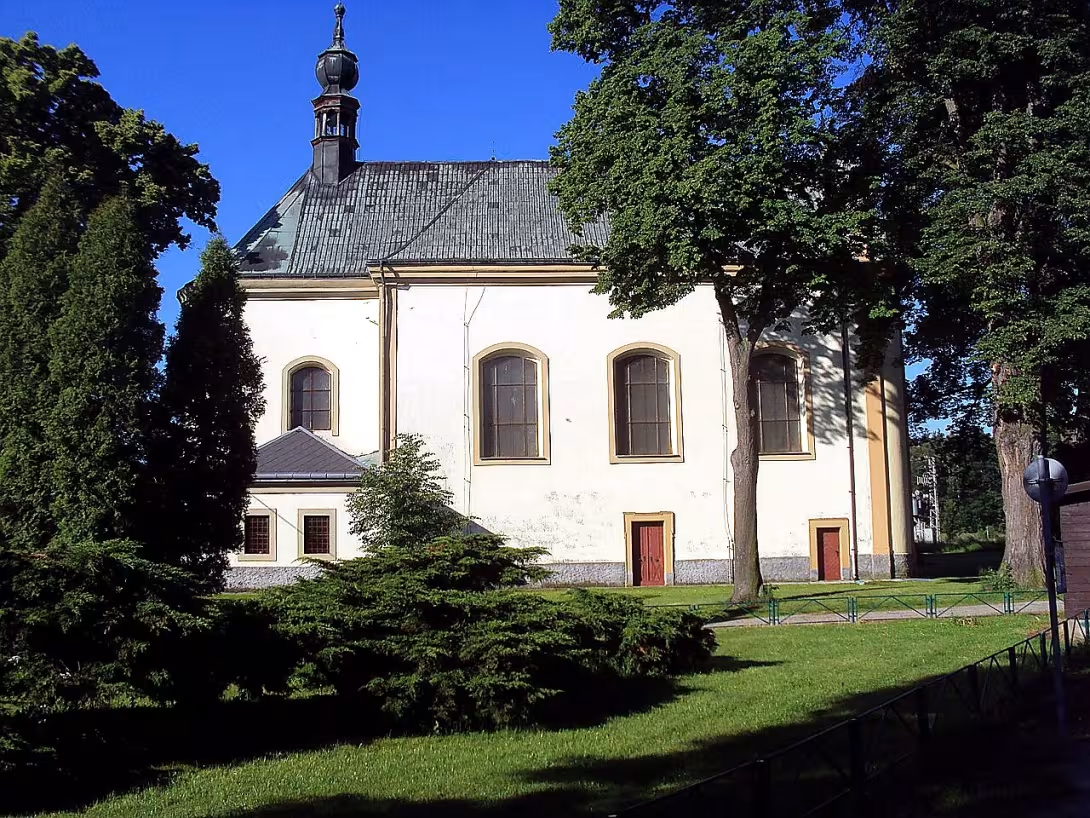
The Church of Saint Andrew in Jestřebí is a classicist structure from the late 18th century, serving as the parish church for the local community. Located in the town of Jestřebí within the Liberec Region, this architectural gem was consecrated in 1781 by Wenzelem Hockem and features significant interior paintings by Josef Kramolín. Recognized as a cultural monument of the Czech Republic, it stands as a testament to the religious and artistic endeavors of its time.
The origins of the Church of Saint Andrew date back to the late 18th century when Bohemia was part of the Habsburg Monarchy under Emperor Joseph II. This era saw significant reforms that influenced church architecture and community life. The original parish church in the area, located at Krušina (now Jestřebí), had vanished by the 17th century, prompting locals to attend services in nearby Pavlovic. Under Emperor Joseph II's directive, construction of a new church began, culminating in its completion and consecration in 1781. The interior was later completed with frescoes by Josef Kramolín in 1790.
Architecturally, the Church of Saint Andrew is characterized by its classicist style, featuring a single nave with a narthex and two ground-level annexes. One annex serves as a sacristy while the other functions as a winter chapel. The interior boasts preserved frescoes by Josef Kramolín, particularly notable in the presbytery and the ceiling of the nave. An illusionistic painting enhances the visual impact of the dome above the presbytery, creating an optical enlargement that adds to the church's artistic allure.
Throughout its history, the Church of Saint Andrew has undergone several renovations and restorations. In the 20th century, significant architectural interventions were made, including a major renovation initiated in the 1980s by then-parish priest Josef Červenka, completed in 1996 under his successor. More recently, in 2012, the church's façade was renovated, and in October 2021, a small memorial plaque honoring R.D. Josef Rouský, a local priest, was unveiled in the vestibule.
Today, the Church of Saint Andrew remains an active parish church, open to visitors who wish to explore its historical and artistic significance. Its status as a cultural monument ensures that it is well-preserved, offering insights into the classicist architectural style and the rich religious history of the region. The church's preserved frescoes by Josef Kramolín and its unique architectural features make it a worthwhile destination for those interested in Czech heritage.
Visiting the Church of Saint Andrew provides an opportunity to appreciate not only its historical significance but also its artistic beauty. It stands as a symbol of the community's enduring faith and cultural legacy, inviting visitors to explore its storied past and enjoy its serene atmosphere.
Then and now
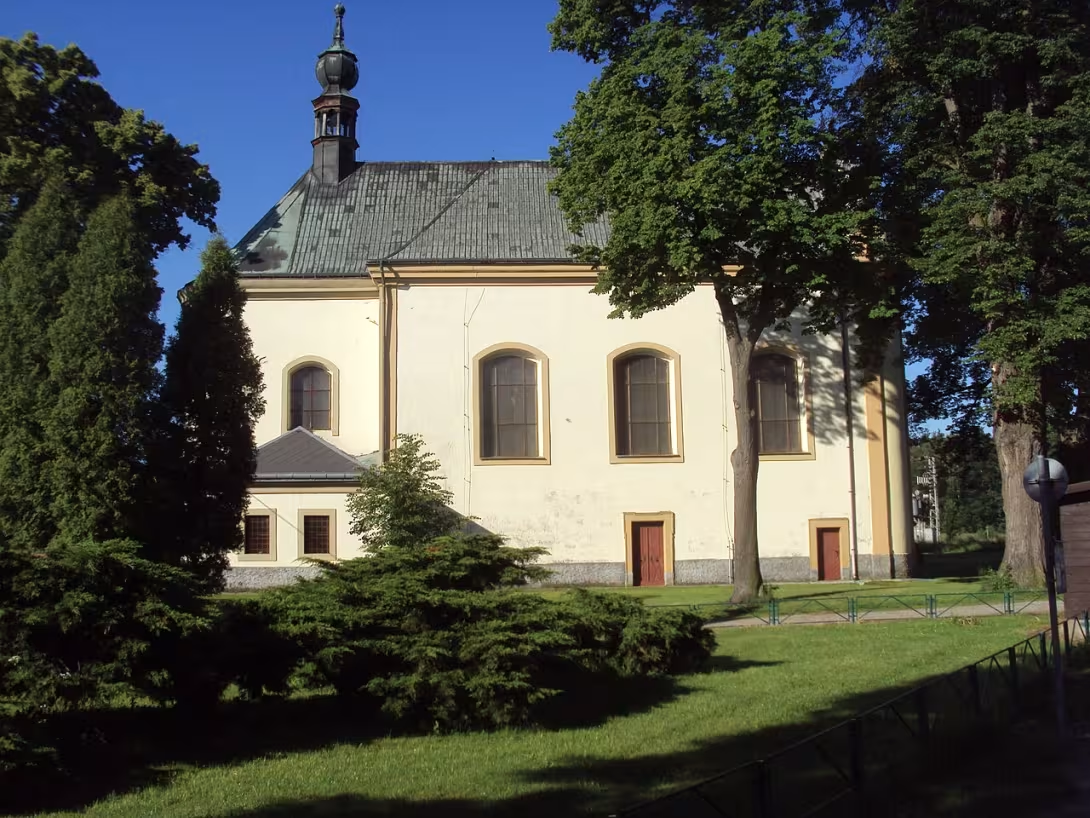
Drag the slider to compare how the landmark may have looked when it was built with the view today.
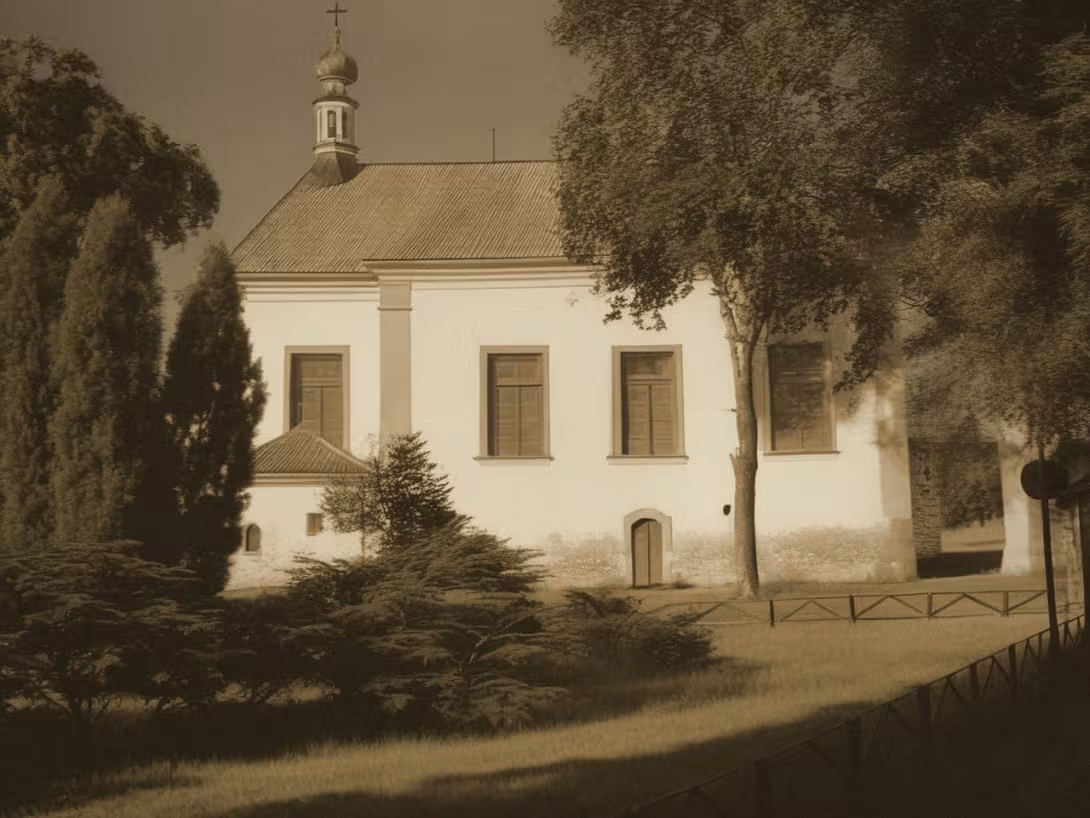
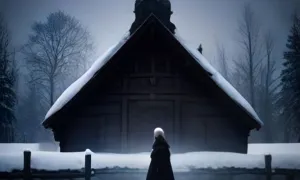
The historical appearance on the left is an AI-generated visualisation and serves as inspiration only.
Historical milestones
- 1781
- The church was consecrated by Wenzelem Hockem.
- 1790
- Interior paintings were completed by Josef Kramolín.
Architectural development
Constructed in the classicist style, the Church of Saint Andrew features a single nave with a narthex and two ground-level annexes. The interior includes preserved frescoes by Josef Kramolín, particularly notable in the presbytery and nave ceiling. In the 20th century, significant architectural interventions occurred, including a major renovation initiated in the 1980s.
Historical events
- 1781
- The church was consecrated by Wenzelem Hockem.
- 1790
- Interior paintings were completed by Josef Kramolín.
Points of interest
- The Church of Saint Andrew was originally planned as part of a broader set of reforms by Emperor Joseph II, who sought to reduce the influence of the Catholic Church and promote religious tolerance across his empire. This context adds an intriguing layer to its history, reflecting the complex interplay between politics and religion during that era.
- Despite being completed in 1781, the church was not fully adorned with its interior frescoes until 1790 by Josef Kramolín. Interestingly, Kramolín is more famously known for his work on the St. Nicholas Church in Prague, highlighting a lesser-known chapter of his artistic career that took place in Jestřebí.
- The illusionistic painting above the presbytery's dome is an example of "trompe-l'œil," a technique designed to trick the eye into perceiving three-dimensional space on a flat surface. This artistic feature reflects the innovative approaches used by classicist architects and artists to enhance spatial perceptions within religious structures.
- In 2012, during a renovation of the church's façade, workers discovered a hidden compartment containing old documents and artifacts from the church’s early days. These items provided new insights into the construction and community life surrounding the church in its formative years.
- The unveiling of the memorial plaque for R.D. Josef Rouský in 2021 was accompanied by a local legend that he had once saved the church from a fire during his tenure as parish priest, although historical records do not confirm this event. This story has become part of the oral tradition among the community, illustrating how legends can grow around significant figures associated with local landmarks.
Guide
This guide is narrated by a synthetic voice generated by artificial intelligence.
Show guide text
This text was created by artificial intelligence and has not been editorially reviewed. It may contain inaccuracies.
Welcome to the Church of Saint Andrew in Jestřebí—a serene and captivating landmark that stands as a testament to both architectural elegance and historical depth. As you stand here, take a moment to absorb the classical lines and tranquil presence of this late 18th-century structure. Its harmonious proportions and thoughtful design speak volumes about its era and purpose.
The Church of Saint Andrew was consecrated in 1781 by Wenzelem Hockem, marking it as an integral part of the local community's spiritual life. This period was one of significant change across Europe, particularly under the influence of Emperor Joseph II, who championed a series of reforms aimed at reducing the Catholic Church's power and promoting religious tolerance throughout his empire. The church’s establishment reflects these broader historical currents, making it not just a place of worship but also a symbol of shifting societal values.
As you take in the architecture, notice how the classical style is expressed through its balanced proportions and understated elegance. Although the architects remain unknown, their work clearly resonates with the ideals of clarity and harmony that were prized during this period. While specific architectural details aren't documented here, allow yourself to appreciate the overall symmetry and grace that define this structure.
Inside, one cannot miss the significant interior paintings by Josef Kramolín, completed in 1790. These artworks add a layer of cultural richness to the church, enhancing its sacred atmosphere with vibrant colors and intricate designs. As you look around, let your imagination wander through these painted scenes, each telling stories that have captivated worshippers for centuries.
The history of this place is further enriched by key figures such as Wenzelem Hockem and Josef Kramolín. Their contributions—Hockem’s role in consecrating the church and Kramolín's artistic legacy—are threads woven into the fabric of its story, adding depth to your visit.
An intriguing aspect of the Church of Saint Andrew is its connection to Emperor Joseph II's reforms. This context adds a fascinating layer to its history, reflecting the complex interplay between religion and governance during that era. It serves as a reminder of how places of worship can be more than just spiritual havens; they are also witnesses to historical change.
As you conclude your visit, I invite you to explore further, perhaps wandering around the surrounding area or delving deeper into the stories behind this remarkable church. Thank you for joining me on this journey through time and history at the Church of Saint Andrew in Jestřebí. Safe travels as you continue your exploration!
Tips for visitors
The best time to visit the Church of Saint Andrew in Jestřebí is during late spring or early autumn when the weather is pleasant, allowing you to comfortably explore both the church's interior and its surroundings. These seasons offer moderate temperatures and fewer crowds, enhancing your experience. Additionally, visiting on a weekday can provide a more serene atmosphere compared to weekends.
Public transportation options are accessible, with local buses serving the area; however, specific routes and schedules should be checked online prior to your visit. Walking from nearby towns can also be a pleasant option if you're staying within a short distance.
When visiting the Church of Saint Andrew, it's advisable to bring comfortable walking shoes, especially if exploring the surrounding areas or planning to walk from nearby locations. A camera is recommended for capturing the church’s classicist architecture and serene environment. Since weather conditions can vary, consider bringing an umbrella or raincoat during spring or autumn visits.
For photography enthusiasts, the best spots around the Church of Saint Andrew are those that capture its architectural details in natural light, particularly during early morning or late afternoon when shadows add depth to photos. The church’s façade and surrounding landscape provide excellent opportunities for both wide-angle shots and detailed close-ups. Be mindful of lighting conditions inside the church, as they can vary.
These areas provide additional opportunities for outdoor activities and learning about the region's history and culture. Families with children may find these spots particularly enjoyable due to their interactive nature.
Frequently asked questions
Can the monument be visited?
Religious buildings are usually open mainly during services; at other times a visit is normally arranged with the parish or the operator. We have not verified specific times.
Where is the monument?
Location: Jestřebí, Liberecký kraj. The map on this page shows the exact spot.
Why is the monument protected?
It is listed in the Central List of Cultural Monuments of the Czech Republic as a cultural monument (register no. 17883/5-3025).
Businesses nearby
Do you run a restaurant, accommodation, shop, museum, rental, wellness or other visitor service near this monument? Show yourself directly to the people heading to it — this is how they will see you in the app and on the web:
Events nearby
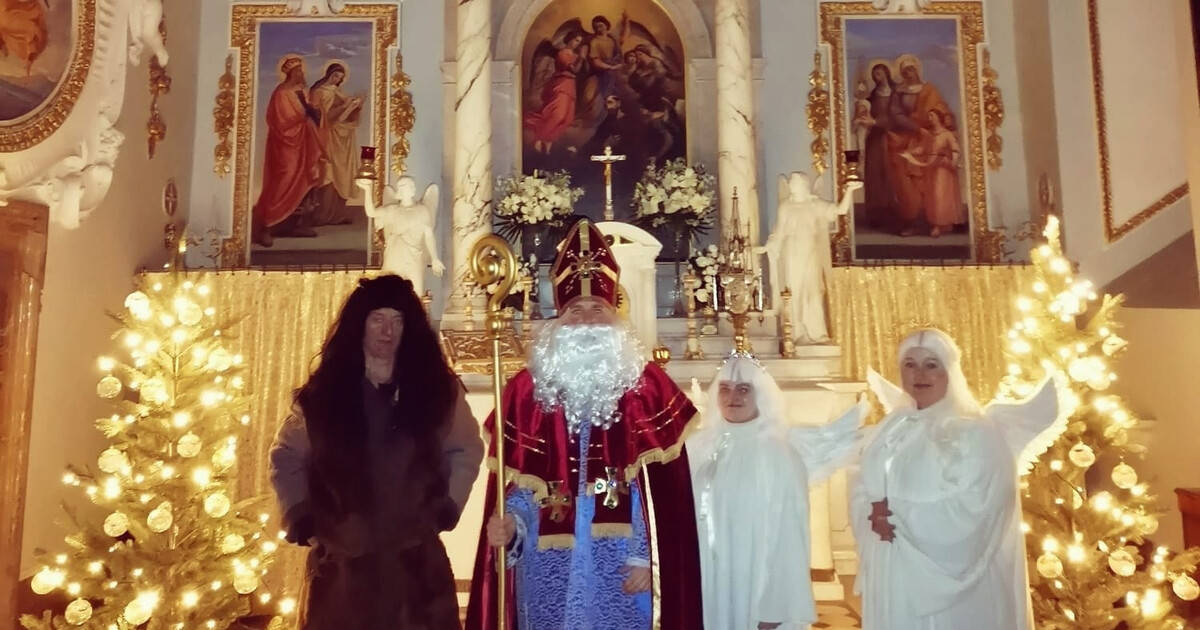
Zdroj akcí: otevřená data měst a obcí ČR (Národní katalog otevřených dat) a kalendář akcí Národního památkového ústavu.
Accommodation nearby
Themed route
Tematická výletní trasa: Kostel svatého Ondřeje (Jestřebí)
1. Kostel svatého Ondřeje (Jestřebí) - Typ: Náboženská památka - Proč stojí za návštěvu: Tento barokní kostel je nejvýraznější architektonickou památkou obce Jestřebí. Jeho bohaté historie a umělecké prvky, včetně freskových malbách a důkladného interiéru, přitahují návštěvníky z celého regionu.
2. Dřevěný kostel svaté Anny (Jestřebí) - Typ: Náboženská památka - Proč stojí za návštěvu: Tento historický dřevěný kostel je jedním z mála zachovaných příkladů tohoto typu v regionu. Jeho jedinečný architektonický styl a historické významy nabízejí pohled do minulosti místní komunity.
3. Městská čtvrť (Jestřebí) - Typ: Historická oblast - Proč stojí za návštěvu: Procházka po ulicích městské čtvrti vám umožní objevit starobylou architekturu a atmosféru malého města. Zde najdete i další historické domy, které svým půvabem přispívají k celkovému dojmu od této oblasti.
4. Památník válečných padlých (Jestřebí) - Typ: Památník - Proč stojí za návštěvu: Tento památník je významným místem pro vzpomínku na válečné oběti z regionu. Jeho mírné prostředí a klid poskytuje vhodné místo k reflektování a uctívání památky těch, kteří se v historických konfliktech obětovali.
Tato trasa nabízí pohled na bohatou kulturní a historickou stránku obce Jestřebí, přičemž každý bod má svůj jedinečný charakter a význam.
Seasonal recommendations
Spring: Visiting the Church of Saint Andrew in Jestřebí during spring offers a unique experience as nature awakens around this historic site. The surrounding landscape is adorned with blooming flowers and fresh greenery, creating an enchanting atmosphere that enhances the beauty of the church's architectural details. As daylight hours increase, visitors can enjoy longer periods exploring the area. It's advisable to wear comfortable walking shoes for a leisurely stroll through the rejuvenated surroundings. While spring generally sees fewer tourists than summer, it is still recommended to arrive early to fully appreciate the serene environment without the crowds.
Summer: The summer months bring vibrant life and activity to the Church of Saint Andrew in Jestřebí. With longer days and pleasant weather, this season offers ideal conditions for exploring the church and its surroundings. The lush greenery provides a picturesque backdrop, making it an excellent time for photography enthusiasts. However, due to increased tourist traffic during peak summer months, it's wise to plan your visit early in the day or later in the afternoon to avoid crowds. Light, breathable clothing is recommended, along with sunscreen and water to stay comfortable during your exploration.
Autumn: Autumn transforms the Church of Saint Andrew into a stunning spectacle of colors as the leaves change hues around Jestřebí. The cooler temperatures create a crisp atmosphere that complements the historical ambiance of the church. This season often sees fewer visitors compared to summer, offering a more tranquil experience. It's advisable to wear layers, as mornings can be chilly while afternoons remain mild. Carrying an umbrella or raincoat is also wise, given the potential for autumn showers. The soft lighting during this time adds a magical touch to the church’s architecture.
Winter: Winter offers a unique charm at the Church of Saint Andrew in Jestřebí, with snow-covered landscapes creating a serene and picturesque setting. The shorter days mean that visits should be planned earlier in the day to make the most of natural light. Wearing warm clothing is essential, as temperatures can drop significantly, especially during early mornings or late evenings. Snow may affect accessibility, so it's wise to check local conditions before your visit.
Visualizations and artistic views


The visualisations are generated by artificial intelligence and serve as inspiration.
Photos from the area
Real photos taken near the monument


Zdroj a licence jsou uvedeny u každého snímku.
Tips from visitors
No tips yet. Be the first!
Log in and add your tip.
Sources and literature
Photos: Zákupák / Public domain — Wikimedia Commons. The author and licence also appear when you hover over the image.
Faktickým podkladem tohoto textu byl článek na Wikipedii, jehož autory jsou přispěvatelé Wikipedie. Článek je dostupný pod licencí CC BY-SA 4.0.
Location on the map
Příběhy a pověsti
Legendy, pověsti a příběhy spjaté s touto památkou
Fotografie návštěvníků
Zatím žádné fotografie. Buďte první, kdo přidá fotografii z návštěvy!
Log in a přidejte svou fotografii nebo hodnoťte.
Za ověřenou návštěvu v aplikaci získáte víc bodů — poznáme podle GPS, že jste na místě.
Reviews and comments