






Kostel svatého Prokopa (Jablonec nad Jizerou) Church
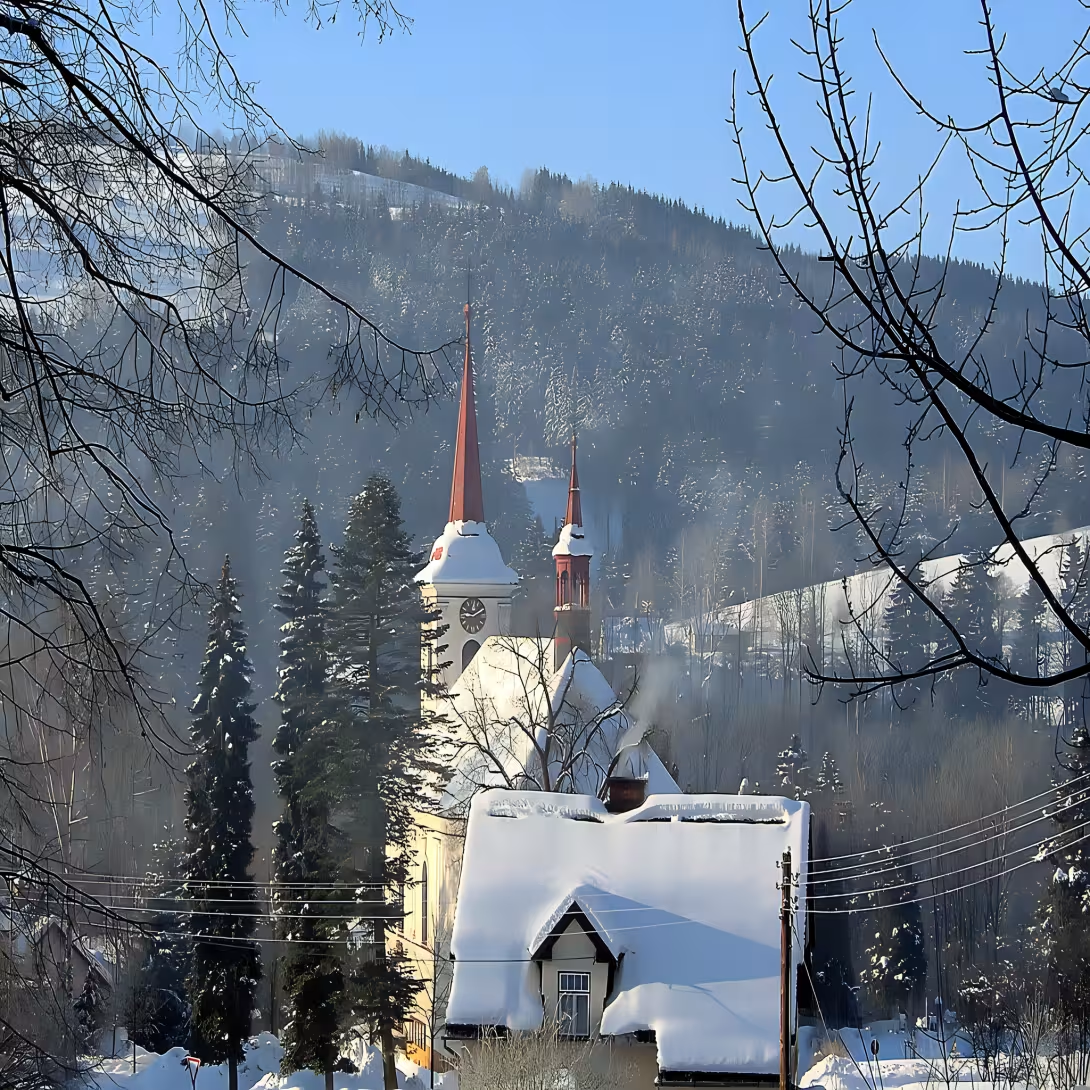
The Church of Saint Procopius in Jablonec nad Jizerou stands as a testament to the town's historical prosperity and architectural evolution. Located within the municipality of Jablonec nad Jizerou in the Liberecký kraj region, this Roman Catholic parish church is recognized as a cultural monument of the Czech Republic. Originally constructed on the site of an earlier wooden church, the current late Baroque structure was completed in 1776 and later expanded in 1893. Its architectural significance is underscored by its designation as a protected cultural heritage site.
The origins of the Church of Saint Procopius trace back to the late 18th century when Bohemia was part of the Habsburg Monarchy, a period marked by significant cultural and architectural development during the Baroque era. The original wooden church on this site was replaced by the current structure in 1776, reflecting the broader European trend towards elaborate and ornate architectural styles. This transition from wood to stone symbolized durability and aligned with contemporary aesthetic preferences.
Architecturally, the Church of Saint Procopius is a quintessential example of late Baroque design. It features a single-nave layout complemented by a square presbytery and sacristy, along with a distinctive conical tower that adds visual prominence to the town's skyline. The main altar houses a statue of its patron saint, Saint Procopius, serving as a focal point for both religious devotion and artistic appreciation. Additionally, an alliance coat of arms of the Harrach and Dietrichstein families is prominently displayed above a side entrance, hinting at historical connections and patronage.
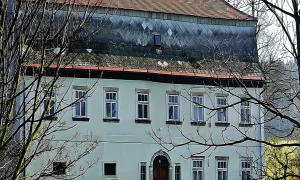
Adjacent to the church stands a parsonage built in 1813, showcasing the Empire style with its stucco ornamentation and original doors. This building complements the church and provides insight into architectural trends following the Baroque period. Together, these structures create a cohesive historical narrative for visitors to explore.
Over the years, the Church of Saint Procopius has remained an integral part of Jablonec nad Jizerou's community life and heritage. Its expansion in 1893 reflects ongoing adaptations to meet parishioners' needs while preserving its architectural integrity. The church continues as a place of worship and cultural significance, drawing visitors interested in both its religious function and historical architecture.
Today, the Church of Saint Procopius is accessible to the public, offering a glimpse into the rich tapestry of Bohemian history and Baroque artistry. Its well-preserved structure and surrounding buildings make it an attractive destination for those keen on exploring cultural heritage sites. Visitors are invited to appreciate its architectural beauty, historical significance, and enduring role in the community.
In conclusion, the Church of Saint Procopius is not only a remarkable example of late Baroque architecture but also a symbol of Jablonec nad Jizerou's historical journey. Its preservation as a cultural monument ensures that future generations can continue to explore and appreciate its unique heritage. Whether drawn by architectural interest or spiritual curiosity, this church offers a compelling reason to visit and experience the enduring legacy of Bohemian history.
Then and now
Drag the slider to compare how the landmark may have looked when it was built with the view today.
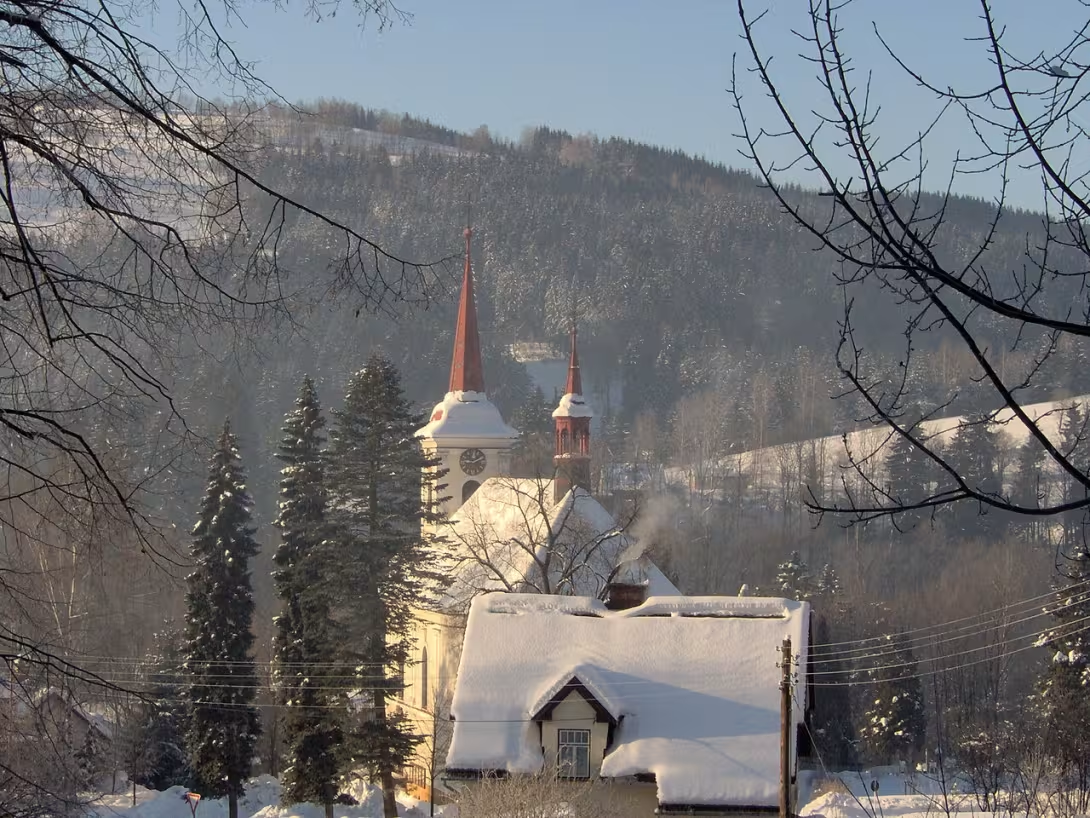
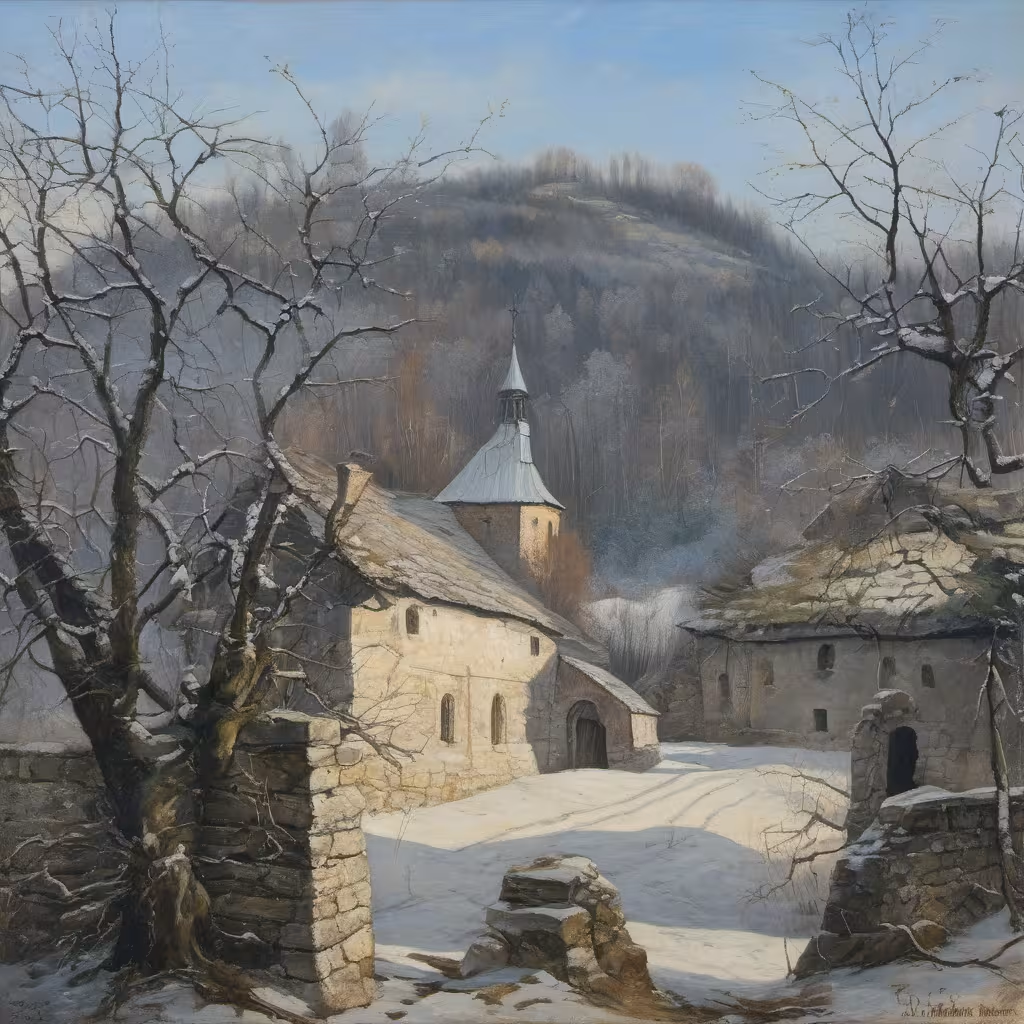
The historical appearance on the left is an AI-generated visualisation and serves as inspiration only.
Historical milestones
- konec 18. století
- Původní dřevěná kaple nahrazena kamennou strukturou.
- 1776
- Dokončení současného pozdně barokního kostela svatého Prokopa.
- 1893
- Rozšíření kostela svatého Prokopa.
- 1813
- Postavení farářského domu v Empire stylu.
Architectural development
The Church of Saint Procopius began as a wooden structure, which was later replaced by a late Baroque building completed in 1776. It features a single-nave layout with a square presbytery and sacristy, complemented by a conical tower. The church underwent an expansion in 1893.
Historical events
The original wooden church was replaced by the current Baroque structure in 1776.
The church underwent an expansion in 1893.
Guide
This guide is narrated by a synthetic voice generated by artificial intelligence.
Show guide text
This text was created by artificial intelligence and has not been editorially reviewed. It may contain inaccuracies.
The Church of Saint Prokop is the parish church of the Roman Catholic parish of Jablonec nad Jizerou and is protected as a cultural monument of the Czech Republic.
Originally, a wooden church stood on this site. In 1776, it was replaced by the current late Baroque structure, which was expanded in 1893.
The church is single-nave. Adjacent to the nave is a rectangular presbytery, that is, the space around the main altar, further the sacristy and a prismatic tower. On the main altar stands a statue of Saint Prokop, the principal patron of the church. Above the side entrance is placed a paired coat of arms of the Harrach and Dietrichstein families.
Beside the church stands the presbytery building. It was built in 1813 in the Empire style. It is decorated with stucco ornamentation and its original doors are also worthy of note.
Tips for visitors
The best time to visit the Church of Saint Procopius is during late spring or early autumn when the weather is pleasant, allowing for comfortable exploration both inside and outside the church. These seasons also offer beautiful natural lighting that enhances the baroque architecture's intricate details. Additionally, visiting on a weekday can help avoid larger crowds typically found on weekends.
It's advisable to check current routes and schedules using a local transit app or website for the most accurate information.
When visiting, it is recommended to bring comfortable walking shoes as exploring historical sites often involves some walking on uneven surfaces. Additionally, carrying a camera with a zoom lens can be beneficial for capturing detailed architectural features from various angles. Don't forget to wear layers if you're visiting in cooler months, and always have water and snacks handy.
For photography enthusiasts, the best spots to capture the Church of Saint Procopius are during the golden hours—shortly after sunrise or before sunset—when the natural light beautifully highlights the baroque details. The adjacent parsonage with its Empire style stucco ornamentation also offers a stunning backdrop for photos. Inside the church, look for areas where sunlight streams through stained glass windows to create vibrant patterns.
Nearby attractions within 30 minutes include the historic town center of Jablonec nad Jizerou, which features charming streets and local shops perfect for exploring after your visit to the church. The adjacent parsonage from 1813 is also worth a look, especially for its architectural details like original doors and stucco ornamentation.
Frequently asked questions
Can the monument be visited?
Religious buildings are usually open mainly during services; at other times a visit is normally arranged with the parish or the operator. We have not verified specific times.
Where is the monument?
Location: č.p. 428, Jablonec nad Jizerou, Liberecký kraj. The map on this page shows the exact spot.
Why is the monument protected?
It is listed in the Central List of Cultural Monuments of the Czech Republic as a cultural monument (register no. 27748/6-2560).
Businesses nearby
Do you run a restaurant, accommodation, shop, museum, rental, wellness or other visitor service near this monument? Show yourself directly to the people heading to it — this is how they will see you in the app and on the web:
Nearby
Adjacent to the church is a parsonage built in 1813 in Empire style. The area features stucco ornamentation and original doors that attract attention.
Accommodation nearby
Themed route
Thematic Tour Itinerary: Jablonec nad Jizerou
1. Kostel svatého Prokopa (Church of Saint Procopius) - Type: Historical Church - Why Visit: This stunning Baroque church, with its rich history and architectural beauty, serves as the centerpiece of this tour. Its intricate design and historical significance make it a must-see for anyone interested in religious architecture or local heritage.
2. Parsonage (Farářský dům) - Type: Historical Building - Why Visit: Located adjacent to the church, the parsonage was built in 1813 and showcases the Empire style. Visitors are drawn to its elegant stucco ornamentation and original doors, offering a glimpse into early 19th-century architectural aesthetics.
3. Church Surroundings - Type: Architectural Ensemble - Why Visit: The area around the church provides an immersive experience of historical architecture in harmony with nature. Walking through this space allows visitors to appreciate the cohesive design elements that connect these structures, enhancing their understanding of local history and cultural heritage.
This itinerary offers a concise yet enriching exploration of Jablonec nad Jizerou's architectural treasures, focusing on the church and its immediate surroundings.
Seasonal recommendations
Spring: Visiting the Church of Saint Procopius during spring offers a unique experience as nature begins to awaken around Jablonec nad Jizerou. The surrounding landscape is adorned with blooming flowers and fresh greenery, creating a vibrant backdrop for the historical architecture. Natural light enhances the church's features, casting gentle shadows that highlight its intricate details. This time of year sees fewer visitors compared to summer, making it an ideal opportunity for those seeking tranquility. Dress in layers to accommodate fluctuating temperatures, and consider bringing a camera to capture the picturesque scenery.
Summer: Summer is the peak season for visiting the Church of Saint Procopius, with long daylight hours offering optimal lighting conditions for photography and exploration. The lush greenery surrounding the church provides a beautiful natural setting, perfect for leisurely walks after your visit. However, this is also when the site experiences its highest visitor numbers, so it's advisable to arrive early in the day to avoid crowds. Light, breathable clothing is recommended, along with sunscreen and water to stay comfortable during warmer months.
Autumn: Autumn transforms the Church of Saint Procopius into a stunning spectacle of colors as the leaves around Jablonec nad Jizerou turn vibrant shades of red, orange, and yellow. The softer light of this season enhances the church's architectural beauty, creating a warm and inviting atmosphere. While visitor numbers are moderate, it’s still wise to plan your visit during weekdays for a more peaceful experience. Layered clothing is essential as temperatures can vary significantly throughout the day.
Winter: Winter offers a serene and enchanting setting at the Church of Saint Procopius, with snow-covered landscapes providing a picturesque contrast to the historic structure. The shorter days mean that lighting conditions are softer, ideal for capturing the church's features in a unique light. Early visits can help avoid crowds of visitors who come to enjoy the wintry atmosphere.
Visualizations and artistic views


The visualisations are generated by artificial intelligence and serve as inspiration.
Photos from the area
Real photos taken near the monument


Zdroj a licence jsou uvedeny u každého snímku.
Atmosphere of the place
This atmospheric visualisation of the place and period was generated by artificial intelligence. It is not real footage of the location.
Tips from visitors
No tips yet. Be the first!
Log in and add your tip.
Sources and literature
Photos: Joker Island / Public domain, rozlišení zvýšeno umělou inteligencí — Wikimedia Commons. The author and licence also appear when you hover over the image.
Faktickým podkladem tohoto textu byl článek na Wikipedii, jehož autory jsou přispěvatelé Wikipedie. Článek je dostupný pod licencí CC BY-SA 4.0.
More monuments – Jablonec nad Jizerou
Show all in the municipality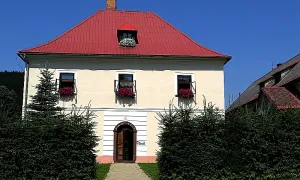
Příběhy a pověsti
Legendy, pověsti a příběhy spjaté s touto památkou
Fotografie návštěvníků
Zatím žádné fotografie. Buďte první, kdo přidá fotografii z návštěvy!
Log in a přidejte svou fotografii nebo hodnoťte.
Za ověřenou návštěvu v aplikaci získáte víc bodů — poznáme podle GPS, že jste na místě.
Reviews and comments