



Kostel svatého Prokopa (Lestkov) Church
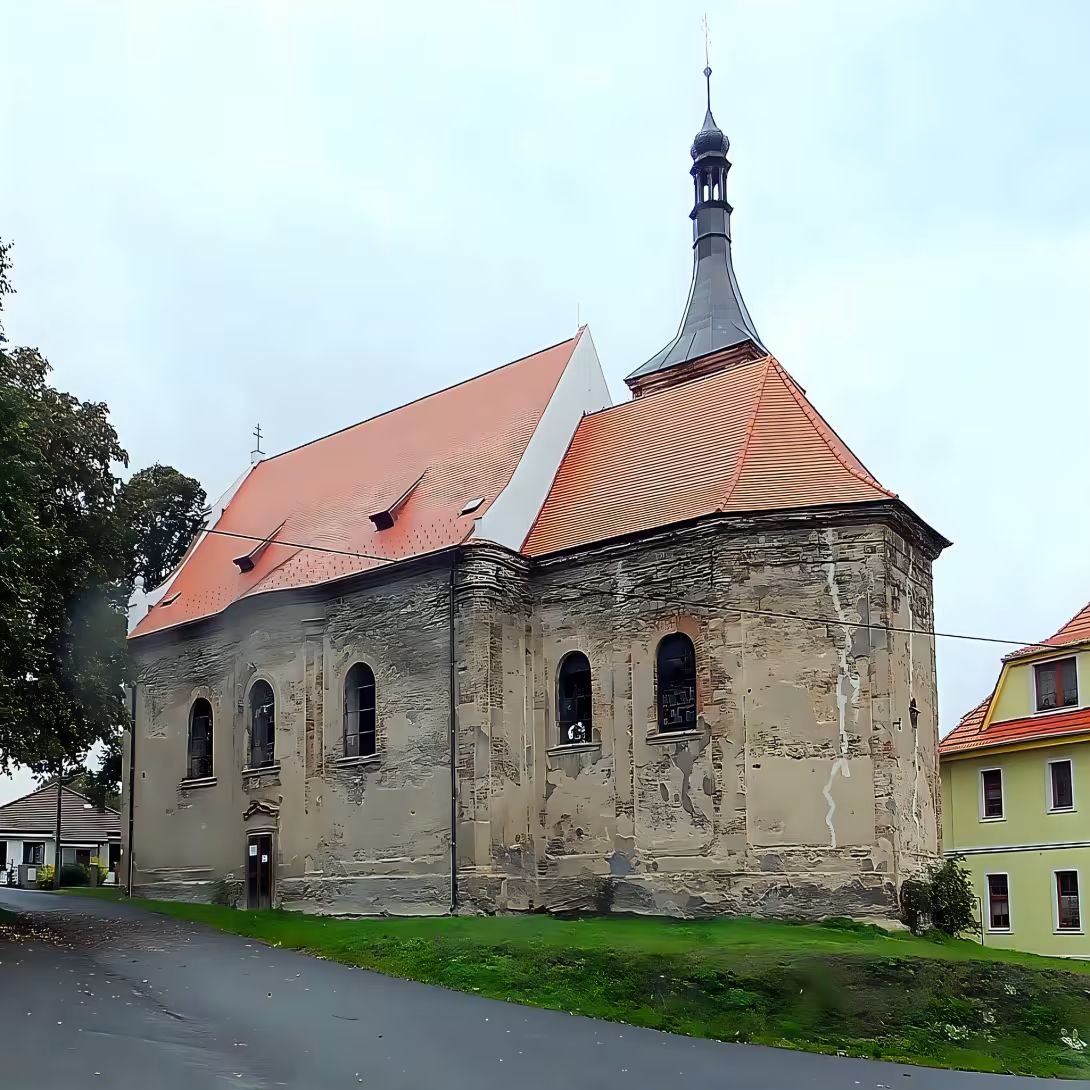
The Church of Saint Procopius in Lestkov is a historical monument dating back to the early 15th century. Situated in the village of Lestkov within the Tachov region of Plzeňský kraj, it exemplifies centuries of architectural evolution and cultural significance. Recognized as a cultural heritage site since 1964, the church has experienced various transformations, including significant baroque renovations in the 18th century that preserved only parts of its original medieval structure. Despite extensive damage post-World War II, recent restoration efforts have focused on maintaining its historical integrity while adapting it for contemporary use.
The church's documented history begins with a mention in 1375 when the Švamberk family held patronage rights over it. This noble family played an influential role in local governance and religious patronage during that era. By the 17th century, the church was in poor condition, leading parish priest Kašpar Haas to partially demolish it in 1647. Reconstruction efforts followed between 1739 and 1740, with a baroque-style renovation occurring in 1780. This renovation preserved only parts of the original medieval structure, notably on the corner of the tower.
Architecturally, the Church of Saint Procopius has undergone several phases of development. Initially constructed in the early 15th century, it experienced significant changes over time. The 17th-century demolition and subsequent reconstruction efforts reflect its evolving architectural style. By the late 18th century, baroque renovations had altered much of its medieval character, leaving only fragments of the original structure intact.
Throughout its history, the church has been associated with notable figures such as Jan ze Švamberka, a member of the influential Švamberk family who served as a parish priest. The church's fortunes have fluctuated over time, marked by periods of neglect and restoration. In 1993, a significant portion of its roof collapsed, further emphasizing the need for preservation efforts.
Key events in the church's history include its initial construction and subsequent renovations. The collapse of its roof in 1993 was a pivotal moment that spurred modern restoration efforts. Interestingly, an image preserved in one of the damaged stained glass windows inspired local citizens to form the group "Pomozme si sami," highlighting the community's connection to the church.
Today, the Church of Saint Procopius stands as a symbol of resilience and cultural heritage. Restoration efforts have focused on preserving its historical elements while ensuring it remains accessible for contemporary use. Despite lacking a roof for years, the church hosted weddings under an open sky, demonstrating its enduring significance to the local community. Its current state reflects both its rich history and ongoing commitment to preservation.
Visiting the Church of Saint Procopius offers a unique glimpse into the region's historical and cultural tapestry. Its storied past and recent restoration efforts make it a compelling destination for those interested in architectural heritage and community resilience. As you explore this monument, you are invited to reflect on its enduring legacy and the stories it continues to tell.
Then and now
Drag the slider to compare how the landmark may have looked when it was built with the view today.
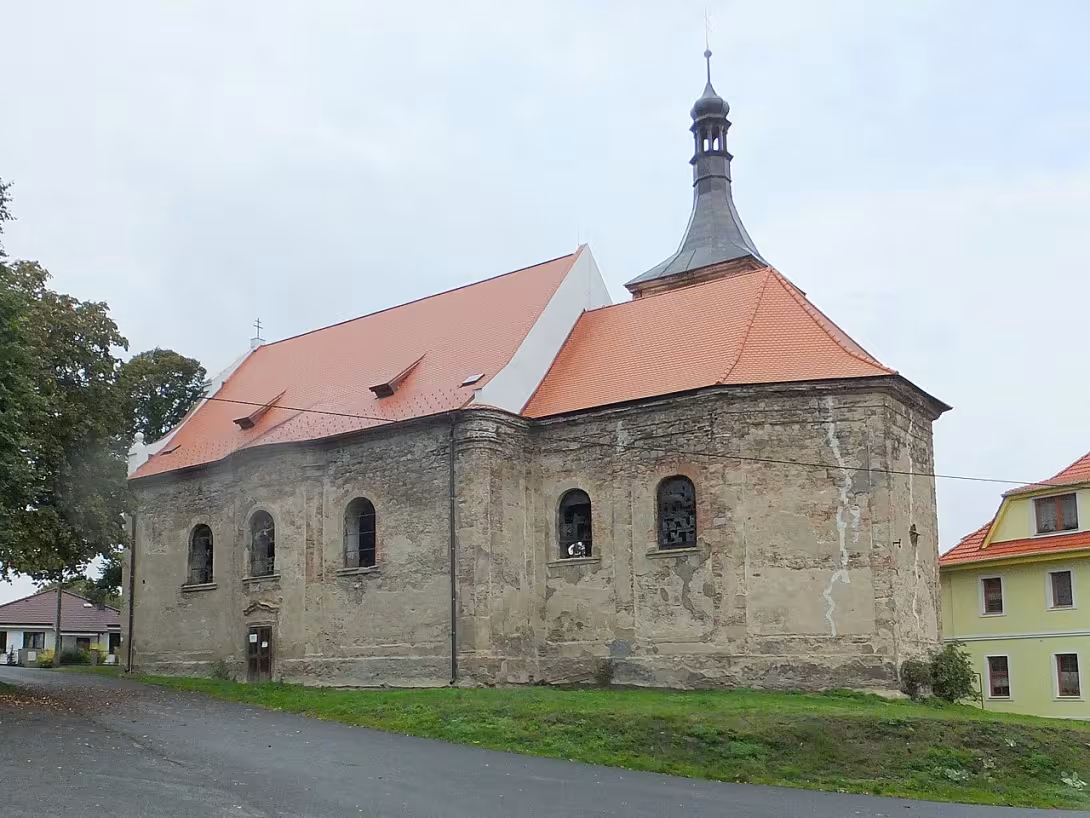

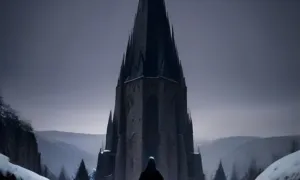
The historical appearance on the left is an AI-generated visualisation and serves as inspiration only.
Historical milestones
- 1375
- First documented mention of the church.
- 1647
- Partial demolition by parish priest Kašpar Haas due to poor condition.
- 1739
- Extensive reconstruction began.
- 1993
- Significant portion of the roof collapsed.
Architectural development
The Church of Saint Procopius has seen several phases of development, starting from its initial construction in the early 15th century. In the 17th century, it was partially demolished due to disrepair and later underwent major reconstruction between 1739 and 1740. The church was baroque-style renovated in 1780, which preserved only parts of the original medieval structure.
Historical events
1375: First documented mention of the church, with patronage by the Švamberk family.
1647: The church was partially demolished due to poor condition by parish priest Kašpar Haas.
1739-1740: Extensive reconstruction took place.
1993: A significant portion of the roof collapsed.
Points of interest
- One of the lesser-known aspects of the Church of Saint Procopius is its connection to the Švamberk family, whose patronage rights over the church date back to 1375. This noble family played a significant role in local governance and religious affairs during that era.
- An intriguing legend associated with the church involves Jan ze Švamberka, a member of the influential Švamberk family who served as a parish priest. His involvement highlights the intertwining of local nobility with ecclesiastical duties.
- A curious fact about the church's restoration is that an image preserved in one of its damaged stained glass windows inspired the formation of the group "Pomozme si sami." This community initiative underscores the strong connection between the church and local residents.
- Despite extensive damage over the centuries, including a significant roof collapse in 1993, the church continued to host weddings under an open sky. This tradition demonstrates its enduring cultural significance and resilience within the community.
- The baroque renovations of 1780 left only fragments of the original medieval structure intact, notably on the corner of the tower. These remnants serve as a testament to the architectural evolution that the church has undergone over centuries.
Guide
This guide is narrated by a synthetic voice generated by artificial intelligence.
Show guide text
This text was created by artificial intelligence and has not been editorially reviewed. It may contain inaccuracies.
The Church of Saint Prokop in Lestkův on the Tachov region has its roots in the 14th century. The first written mention dates from 1375. The Švamberk family held the patronage rights at that time, and the parish priest was also a member of this noble family, Jan ze Švamberka.
In the 17th century, the church was in very poor condition. Parish priest Kašpar Haas therefore had part of it demolished in 1647. Between 1739 and 1740, extensive reconstruction took place, and during further repairs in 1780, the church was rebuilt in the Baroque style. Medieval masonry was thus preserved only at the corner of the tower. A square tower adjoins the church. The furnishings dated from 1720 to 1730. Today they are partly in the Church of Saint James in Domaslavi and partly in a depot of the Pilsen bishopric.
There used to be a cemetery near the church. In 1683, however, a new one was created near the now disappeared chapel of Saint John the Baptist. The old cemetery was abolished during repairs in 1780, and some of the gravestones were then moved to the new one.
After 1945, the church was completely devastated. Since 1964, it has been protected as a cultural monument. In 1972, strong wind broke the cross off the tower, and in doing so, a case with documents from the last repair was found. In October 1993, the original roof structure and the roof of the nave collapsed into the interior. Only a small part remained above the chancel.
A turning point came from one of the damaged stained glass windows. The image of touching human hands was preserved in it, which inspired local residents to establish a civic association called Let Us Help Each Other. The first repairs began in 2003. In October 2009, the tower received a new cupola, and documents for future generations were placed in the finial beneath the cross. The roof of the presbytery was repaired first, and later the nave also received new covering.
In 2011, when the nave still had no roof, a wedding took place in the church after decades, under the open sky. In this Catholic church, a pastor of the Evangelical Church of Czech Brethren performed the ceremony.
Tips for visitors
The best time to visit the Church of Saint Procopius in Lestkov is during late spring or early autumn when the weather is pleasant, allowing you to comfortably explore both the church and its surroundings. These seasons offer mild temperatures and beautiful natural scenery, enhancing your experience. Additionally, visiting outside peak tourist season can provide a more serene atmosphere, making it easier to appreciate the historical details of this 15th-century monument.
The church is accessible by both car and public transport, though specific routes should be checked in advance using a travel planner or local resources. Always verify current transportation schedules and availability before your visit.
When visiting the Church of Saint Procopius, it's advisable to bring comfortable walking shoes as you might want to explore the surrounding areas or walk through any available grounds around the church. Additionally, carrying a camera is recommended for capturing the architectural beauty of this historical site, especially during times when natural light enhances its features.
For photography enthusiasts, early morning or late afternoon provides the best lighting conditions to capture the Church of Saint Procopius. These times offer soft, diffused light that highlights the intricate details and baroque renovations of the church. Look for angles that showcase both the interior and exterior architecture, taking advantage of any open spaces around the church to get a comprehensive view.
In terms of nearby attractions within 30 minutes, visitors can explore additional historical sites or natural landscapes in the region. While specific recommendations are not provided here, checking local guides or maps can help identify places of interest that complement your visit to Lestkov. For families with children, consider planning a day trip that includes both cultural and leisure activities suitable for all ages.
Frequently asked questions
Can the monument be visited?
Religious buildings are usually open mainly during services; at other times a visit is normally arranged with the parish or the operator. We have not verified specific times. According to the heritage register restoration is under way, so access may be restricted.
Where is the monument?
Location: Lestkov, Plzeňský kraj. The map on this page shows the exact spot.
Why is the monument protected?
It is listed in the Central List of Cultural Monuments of the Czech Republic as a cultural monument (register no. 39084/4-1795).
Businesses nearby
Do you run a restaurant, accommodation, shop, museum, rental, wellness or other visitor service near this monument? Show yourself directly to the people heading to it — this is how they will see you in the app and on the web:
Accommodation nearby
Themed route
Tematická výletní trasa: Kostel svatého Prokopa (Lestkov)
1. Kostel svatého Prokopa (Lestkov) - Kostel Začněte svůj výlet u kostela svatého Prokopa, který je nejenom hlavním cílem vaší trasy, ale také jedním z nejvýznamnějších kulturních a historických památek v obci Lestkov. Jeho gotická architektura a bohatá historie přitahují návštěvníky, kteří si chtějí prohlédnout jedinečné stavební prvky a získat poznatky o minulosti regionu.
2. Lestkov - Historické centrum obce Přibližně 0,5 km od kostela se nachází historické centrum Lestkova. Procházejte si uličkami s typickými barokními domy a užijte si atmosféru malého českého městečka. Tento oblast je ideální pro ty, kdo chtějí poznat každodenní život v minulosti i dnes.
3. Lestkov - Místní muzeum Pokračujte do místního muzea, které se nachází ve stejném historickém centru obce. Muzeum nabízí exponáty a výstavy, které osvětlují historii Lestkova a okolních oblastí. Je to skvělý způsob, jak se dozvědět více o kulturním dědictví regionu.
4. Lestkov - Lokální tržiště Návštěva lokálního tržiště v Lestkově je nezbytná pro ty, kdo chtějí prozkoumat místní gastronomii a ručně vyrobené produkty. Zde najdete široký výběr potravinových speciálností, zemědělských produktů a tradičních předmětů uměleckého řemesla.
5. Lestkov - Park u kostela Zavřete svou návštěvu pohodlným procházáním v parku u kostela svatého Prokopa. Tento místo nabízí klidnou atmosféru a krásné zelené prostory, kde si můžete odpočinout po plném dni objevování historie a kultury Lestkova.
Tato trasa vám umožní nejenom seznámit s kostelem svatého Prokopa, ale i hluboce prozkoumat kulturní bohatství obce Lestkov.
Seasonal recommendations
Spring: The arrival of spring brings a gentle awakening to the surroundings of St. Procopius Church in Lestkov, with the landscape adorned by budding flora and vibrant wildflowers. This season offers a unique opportunity to witness the church's architecture as it is softly illuminated by the longer daylight hours, casting intricate shadows that enhance its historic charm. Visitors can enjoy serene walks through nearby nature trails, where the fresh scent of spring air complements the tranquil atmosphere. It’s advisable to wear comfortable layers, as temperatures can vary throughout the day. While the crowds are generally moderate during this time, arriving early in the morning allows for a peaceful exploration before more visitors arrive.
Summer: Summer transforms Lestkov into a lively destination with its warm weather and extended daylight hours, making it an ideal time to visit St. Procopius Church. The lush greenery surrounding the church creates a picturesque setting, perfect for photography enthusiasts looking to capture the historic site against a vibrant natural backdrop. During this peak tourist season, visitors should plan their trip in advance and consider arriving early to avoid larger crowds. Light, breathable clothing is recommended, along with sun protection such as hats or sunglasses. Exploring the church during the cooler hours of morning or late afternoon can provide a more comfortable experience.
Autumn: Autumn at St. Procopius Church offers a stunning palette of warm colors, as the surrounding foliage turns shades of orange, red, and gold. This season is particularly enchanting with its crisp air and softer light, which accentuates the intricate details of the church’s architecture. The cooler temperatures make for a pleasant visit, though visitors should dress in layers to adapt to changing weather conditions throughout the day. While visitor numbers may decrease compared to summer, it remains a popular time for those seeking the beauty of fall landscapes. Enjoying a leisurely stroll through the nearby woods can enhance the autumnal experience.
Winter: The winter season envelops St. Procopius Church in Lestkov with a serene and magical atmosphere, as snow blankets the landscape and creates a picturesque setting against the historic architecture. This time of year offers a unique opportunity to see the church shrouded in quietude, with fewer visitors allowing for more intimate exploration. The shorter daylight hours mean that visits should be planned earlier in the day to make the most of available light. Warm clothing is essential, including hats, gloves, and insulated layers, as temperatures can drop significantly. Visitors should also check opening times, which may vary during this season, ensuring a smooth experience while enjoying the tranquil winter wonderland.
Visualizations and artistic views


The visualisations are generated by artificial intelligence and serve as inspiration.
Photos from the area
Real photos taken near the monument


Zdroj a licence jsou uvedeny u každého snímku.
Tips from visitors
No tips yet. Be the first!
Log in and add your tip.
Sources and literature
Photos: Miloš Hlávka / CC BY-SA 4.0, rozlišení zvýšeno umělou inteligencí — Wikimedia Commons. The author and licence also appear when you hover over the image.
Faktickým podkladem tohoto textu byl článek na Wikipedii, jehož autory jsou přispěvatelé Wikipedie. Článek je dostupný pod licencí CC BY-SA 4.0.
Location on the map
More monuments – Lestkov
Show all in the municipality



Příběhy a pověsti
Legendy, pověsti a příběhy spjaté s touto památkou
Fotografie návštěvníků
Zatím žádné fotografie. Buďte první, kdo přidá fotografii z návštěvy!
Log in a přidejte svou fotografii nebo hodnoťte.
Za ověřenou návštěvu v aplikaci získáte víc bodů — poznáme podle GPS, že jste na místě.
Reviews and comments