






Kostel svatého Šebestiána (Hora Svatého Šebestiána) Church
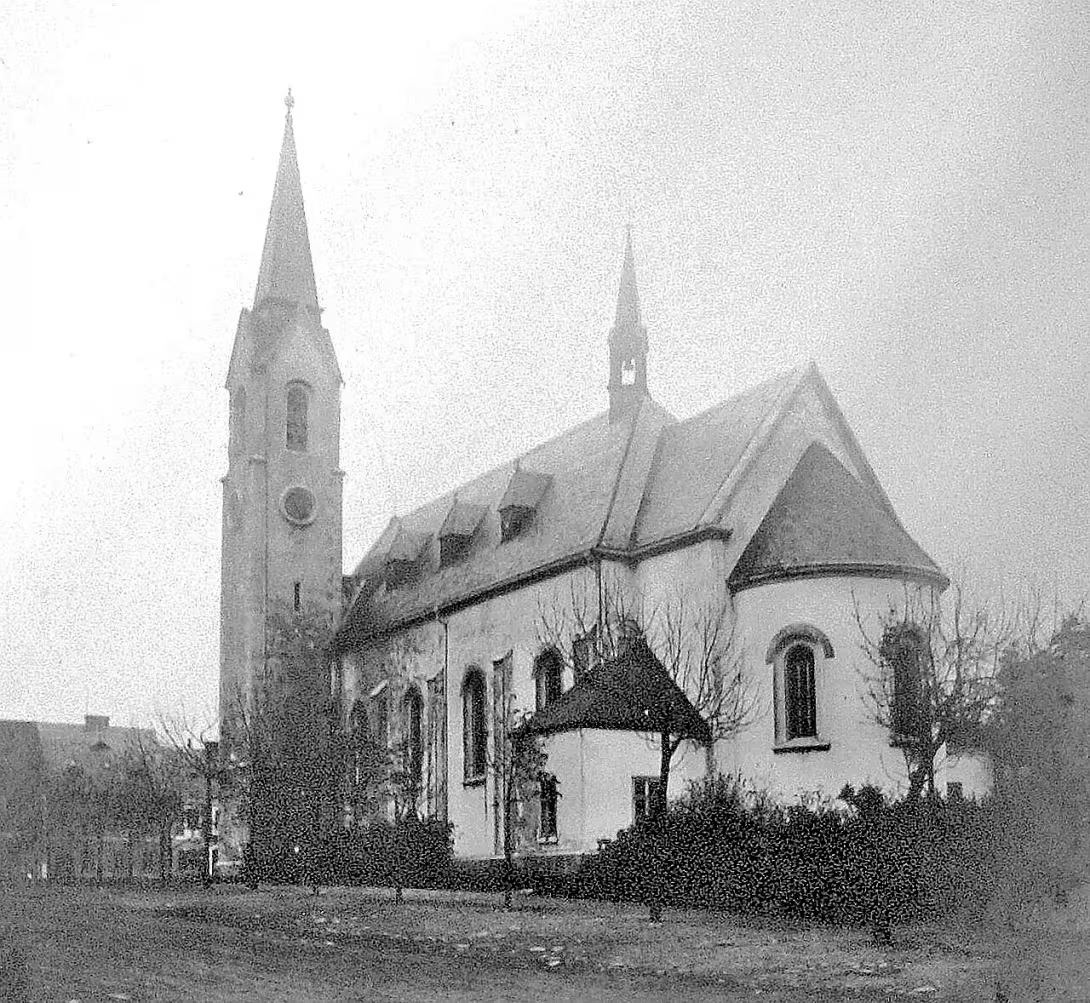
Objekt se nedochoval — na místě dnes nestojí. Následující text popisuje jeho historii, ne současnou návštěvu.
The Church of Saint Sebastian in Mount Svatéš Šebestián stands as evidence of historical and architectural evolution within this Czech location. Founded in the sixteenth century by the Shebestian of Veitmile, it served as a parish church for the local community until its demolition in 1967. The importance of the church underlines not only its role in religious life, but also its involvement in broader historical and military stories.
The origin of the Church of St. Sebastian is rooted in a period characterised by a significant religious upheaval, particularly as a result of the Protestant Reformation passing through Bohemia during the sixteenth century. Šebestián z Veitmile founded the original church, which became an integral part of the spiritual life of the community. On September 13, 1854, however, the city swallowed up a devastating fire that destroyed the church along with 109 other buildings. The remains were cleaned after two decades later in 1874, which prepared the stage for reconstruction.
The reconstruction process was led by Chomutov architect Josef Dausch, who designed and supervised the construction of a new church which was sanctified in 1877. This construction contained a one-ship arrangement with a rectangular plan and a semi-circular sequence reflecting the architectural trends at the time. Among the important elements were the slender tower adjacent to the south wall and the small sacristy which increased its structural elegance. The interior probably boasted about the vault barrel and the conch- shaped apse, which contributes to its aesthetic attraction.
During his existence, St. Sebastian's Church housed several important artifacts. From the original structure he retained the first font with a tin pan from 1730 and crucifix from the eighteenth century. In addition, works of art from a later period included the painting of the Fourteen Holy Helpers of V. Hendlich, created in 1860, and Pieta located under the main altar of J. Wertschitzkem of Chomutova.
Despite its historical and cultural importance, the church faced structural challenges in the middle of the twentieth century. In the 1960s he was considered unhealthy, leading to his demolition on either March 15 or 25, 1967. This decision was influenced not only by concerns about its physical condition, but also by military interests; the potential of the structure as a navigation point for attacks on nearby missile barracks has contributed to its removal.
Today, the site of the former church of St. Sebastian turned into a park in the eastern part of the square. While the church itself is no longer standing, its historical trail remains significant. Visitors can think about the layers of history that shaped this location - from its origin during the reformation through industrial growth and modernization to its possible demolition in the context of the Cold War.
The story of the Church of Saint Sebastian is a convincing story of resistance and transformation, which offers a view of the local heritage and wider historical currents. His legacy continues to call for exploration and reflection, making him a valuable destination for interested people in Czech history and architecture.
Then and now
Drag the slider to compare how the landmark may have looked when it was built with the view today.
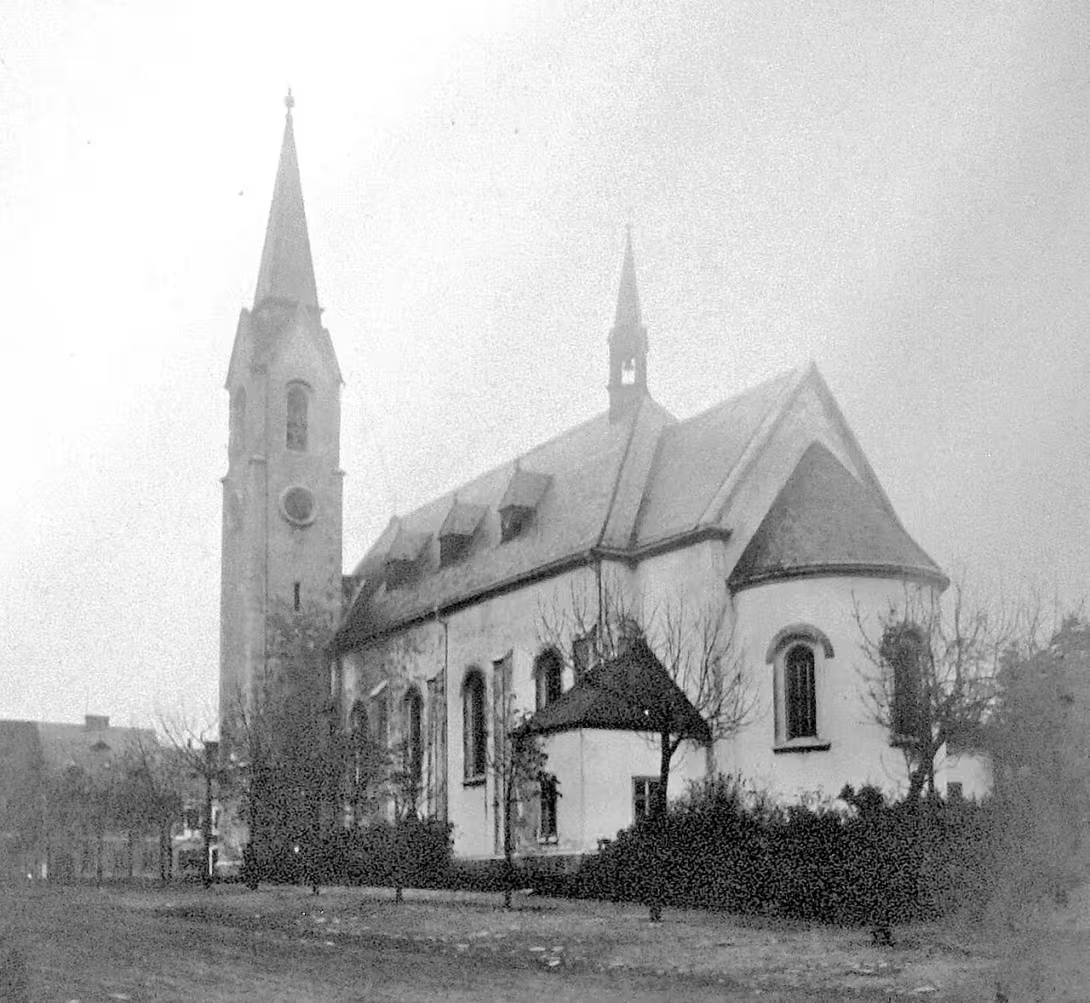

The historical appearance on the left is an AI-generated visualisation and serves as inspiration only.
Historical milestones
- 1854
- The original church of St. Sebastian burned down in a big fire.
- 1877
- Harvest of the newly rebuilt church Josef Dausch.
- 1967
- Demolition church due to structural problems and military concerns.
Architectural development
The original church of St. Sebastian, founded in the 16th century by the Shebestian of Veitmile, was rebuilt after a devastating fire. The new construction, designed by Josef Dausch, contained a one-ship layout with rectangular plan and semi-circular composition. The architectural elements included a slender tower and small sacristy. The interior of the church probably had a chamber chamber and a conch- shaped apsy.
Historical events
- 1854
- The original church of St. Sebastian burned down in a fire that destroyed 109 other buildings.
- 1877
- The new church was sanctified after the reconstruction of Josef Dausch.
- 1967
- the church was destroyed because of poor structural condition and military concerns.
Points of interest
- The Church of Saint Sebastian was founded at a time of religious upheaval in the Czech Republic because of the Protestant Reformation, which highlighted its role in major historical changes. - The devastating fire on September 13, 1854 destroyed the church and 109 other buildings in Hora Svatého Šebestiána, with the remains cleaned only two decades later, meaning the period of reconstruction and resistance to the community.
- Reconstruction led by architect Josef Dausch presented architectural elements as a slender tower and semi-circular sequence reflecting trends in the mid-19th century and contributing to its structural elegance.
- Among his artifacts was an 18-year-old crucifix and a tin pan christening font, which preserved pieces of the original spiritual heritage church despite its possible demolition.
- Strategic location of the church near the missile barracks during the Cold War added urgency to the demolition in 1967 due to military concerns about it as a navigation point for attacks.
Guide
This guide is narrated by a synthetic voice generated by artificial intelligence.
Show guide text
This text was created by artificial intelligence and has not been editorially reviewed. It may contain inaccuracies.
The Church of Saint Sebastian no longer stands in Hora Svatého Šebestiána in the Chomutov district. It used to be located in the eastern part of the square, and until its destruction, it served as the parish church of the local parish. After its demolition, this part of the square was transformed into a park.
The original town church was founded in the sixteenth century by Sebastian of Veitmile. It was destroyed by a great fire of the city on September thirteenth, 1854, in which one hundred and nine other houses also burned to ashes. The ruins of the church were not cleared away until twenty years later, in 1874. That same year, Chomutov builder Josef Dausch began construction of a new church. It was consecrated in 1877.
The new church lasted less than a century. In the nineteen sixties, it was decided that it should be demolished due to its poor technical condition. The army also wanted it torn down. According to them, the church could have served as a significant navigation point during an attack on the nearby barracks of the rocket forces. The church was destroyed in March 1967. Sources differ as to whether it was on the fifteenth or the twenty fifth.
It was a single-nave structure with a rectangular ground plan. The nave was followed by a rectangular presbytery ending in a semicircular apse. A slender prismatic tower stood at the south wall of the nave, and a small sacristy nearby. Above the peak of the eastern gable rose a small sanctus turret. The interior was most likely vaulted with a coffered vault, and the apse was covered with a concha.
The furnishings came mostly from the second half of the nineteenth century. These included a painting of the Fourteen Holy Helpers by the painter Hendlich from 1860. Beneath the choir loft was placed a Pietà created by Wertschitzky of Chomutov. Some objects were moved from the older church. These included a baptismal font with a pewter basin from 1730 and a crucifix from the late eighteenth century.
For kids
Six centuries! That was when our ancestors began to build new settlements and churches. And we want to talk about one of them today. We're talking about the church of St. Sebastian in Mount St. Sebastian.
This place used to be full of life. People lived in nearby villages, traded and managed. And at the center of everything, there was a church tower that went to heaven. It was like a Christmas candlestick that lit the way for all those who went to St. Sebastian.
Businesses nearby
Do you run a restaurant, accommodation, shop, museum, rental, wellness or other visitor service near this monument? Show yourself directly to the people heading to it — this is how they will see you in the app and on the web:
Nearby
ITEX Show interactive overview of the surroundings - restaurants, accommodation, rentals and other places within a 15 km radius.
Data: OpenStreetMap contributors, 15 km radius.
‡ Historical monuments
- Franz Patzelt (1.8 km)
- Karl Stülpner Gedenkstein (4.6 km)
- Anton Günther Gedenkstein (4.6 km)
- Third Lower Mill (5.7 km)
- Hausberk (7.6 km)
- Monument of redeployment of German population (7.9 km)
- Zum Gedenken an die 1945 ermordeten Förster (8.4 km)
- Ehrenmal 1. Weltkrieg (8.7 km)
Restaurant and catering
- Second MLY (6.3 km)
- U Stepana (7.7 km)
- Rastätte Am Wildbach (9.0 km - Schmalzgrubner Straße 18)
- Restaurant at Sovy (9.0 km)
- Gaststätte Forellenhof (9.1 km - Hauptstraße 2)
- Bierstübl (10.2 km)
- Zum Zuchtfreund (11.4 km - Pleiler Straße 202)
- Rätzens Brettmühle (12.6 km - Brettmühlenweg 8)
Accommodation
- Táboríště The second mill (6.2 km)
- Načetín (7.1 km)
- Gästehaus Altes Brauhaus (8.0 km - Turnhallenberg 2)
- Bernava (8.4 km)
- Hotel & Restaurant Heilbrunnen (11.2 km - Jöhstädter Straße 17)
- Mountain hotel SvahvA (12.2 km)
- Clochard (12.4 km - Blatenská 1099 / 48)
- Stone Lake (13.0 km)
› Rental and sports
- Liviland Marienberg Tanzinsel für allemit und ohne Behinderung (3.9 km)
- Sporthalle Satzung (4.2 km - Straße der Jugend 3)
- Fahrräder - Motorgeräte - Moped (8.9 km - Hauptstraße 7)
- Squash Fitness Chomutov (11.9 km - Bricklayer 5478)
- Sports hall Březenecks (12.0 km - Březenecká 4704)
- Sport hala (12.2 km)
- Elektrokola - CHULIT (12.4 km)
- Area New Chomutov (13.3 km)
© Tourism and nature
- Hirtstein (5.0 km)
- Skifernwanderweg Vogtland-Osterzgebirge (5.3 km)
- Deer Hora (7.0 km)
- Aussichtsplattform (7.6 km)
- Schmelzofen (8.5 km)
- Schwarzwassertal (10.4 km)
- Preßnitztalbahn (10.5 km)
- Big Peak (13.0 km)
Visualizations and artistic views


The visualisations are generated by artificial intelligence and serve as inspiration.
Photos from the area
Real photos taken near the monument


Zdroj a licence jsou uvedeny u každého snímku.
Tips from visitors
No tips yet. Be the first!
Log in and add your tip.
Sources and literature
Photos: autor neuveden / Public domain — Wikimedia Commons. The author and licence also appear when you hover over the image.
Faktickým podkladem tohoto textu byl článek na Wikipedii, jehož autory jsou přispěvatelé Wikipedie. Článek je dostupný pod licencí CC BY-SA 4.0.
Location on the map
More monuments – Hora Svatého Šebestiána
Show all in the municipality

Příběhy a pověsti
Legendy, pověsti a příběhy spjaté s touto památkou
Příběh: Kostel svatého Šebestiána (Hora Svatého Šebestiána)
Bylo to v pondělí ráno, kdy Jakub slyšel zvon kostelního zvonu až ke svému domu u paty kopce. Přemáhal ho únavou a bída — jeho ruce byly otrhané po celý den …
Číst příběh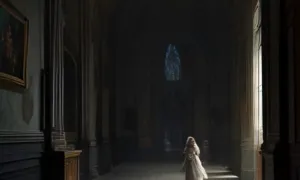
Pověst: Kostel svatého Šebestiána (Hora Svatého Šebestiána)
Podle místní pověsti stál kostel svatého Šebestiána v Hoře Svatého Šebestiána na místě, které si sám světec vyvolil. Traduje se, že Šebestián z Veitmile, šle…
Číst příběhFotografie návštěvníků
Zatím žádné fotografie. Buďte první, kdo přidá fotografii z návštěvy!
Log in a přidejte svou fotografii nebo hodnoťte.
Za ověřenou návštěvu v aplikaci získáte víc bodů — poznáme podle GPS, že jste na místě.
Reviews and comments