



Kostel svatého Štěpána (Mostecké Předměstí) Church
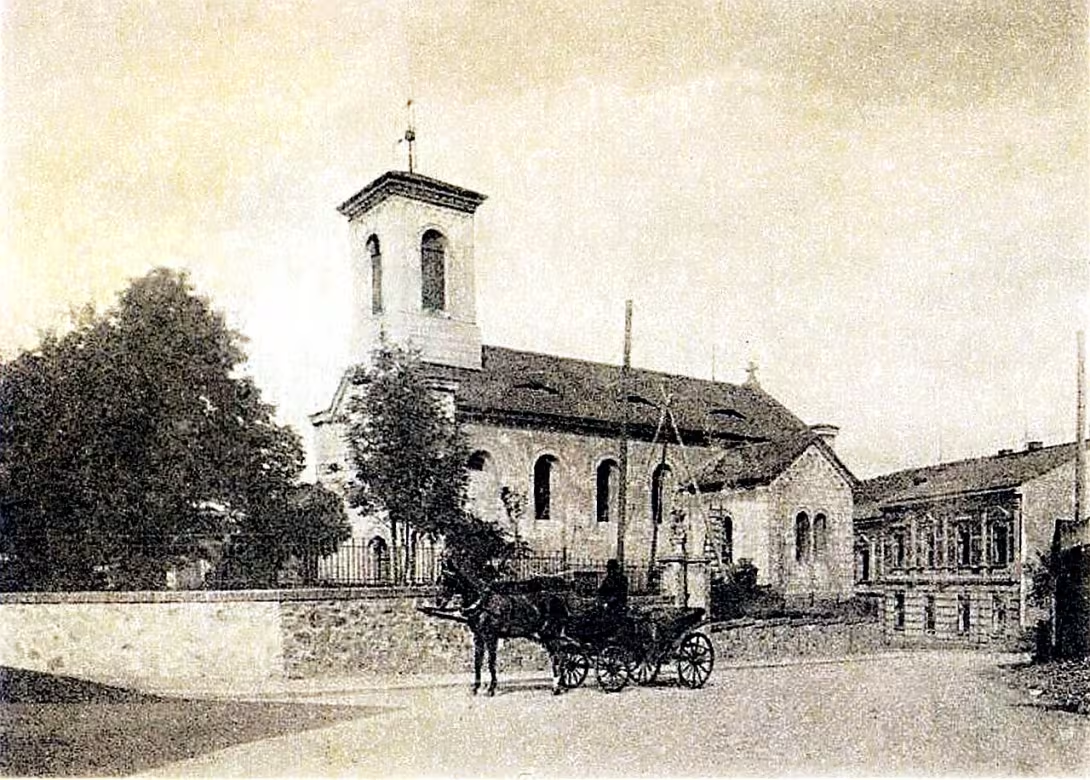
Objekt se nedochoval — na místě dnes nestojí. Následující text popisuje jeho historii, ne současnou návštěvu.
The Church of Saint Stephen in Mostecké Předměstí exemplifies the architectural evolution over centuries in Ústecký kraj. Originally built in 1361 as a Gothic chapel on an active cemetery, it underwent significant transformations before its demolition in November 1983. Today, only a Baroque statue of Saint Anthony from 1764 remains at the site, marking where this once-prominent spiritual center stood.
The church's origins date back to the medieval period when Gothic architecture was prevalent across Bohemia. Initially serving as a cemetery chapel, it expanded between 1651 and 1698 with two Baroque chapels added on either side of the nave. This blend of styles reflects changing tastes and religious practices over time.
In 1854, the original structure was demolished to make way for a new Neo-Romanesque church. The reconstruction used some old foundations and incorporated existing Baroque chapels, respecting historical elements while embracing contemporary trends. The interior featured a flat ceiling, with the main altar as a notable example of Neo-Romanesque design from 1883.
Throughout its history, the church experienced various changes in use and ownership. After World War II, services moved to another church, leading to Saint Stephen's decline. By mid-20th century, it served as storage for a local polyclinic, school, and home for the elderly until its demolition in 1983.
Despite its absence today, the site holds historical significance, particularly with the incorporation of a grave marker for Franz Ambros Reuss, a renowned physician and geologist, into the wall of the new church. This detail highlights personal histories intertwined with the church's legacy.
Visitors to Mostecké Předměstí can still appreciate the Baroque statue of Saint Anthony as a reminder of the church's past grandeur. While the physical structure no longer stands, its historical and architectural journey offers valuable insights into the region's cultural heritage. This site remains worth visiting for those interested in exploring the layers of history that have shaped this area.
Then and now
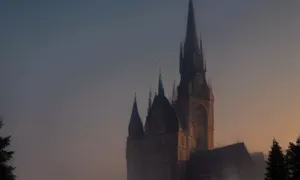
Drag the slider to compare how the landmark may have looked when it was built with the view today.
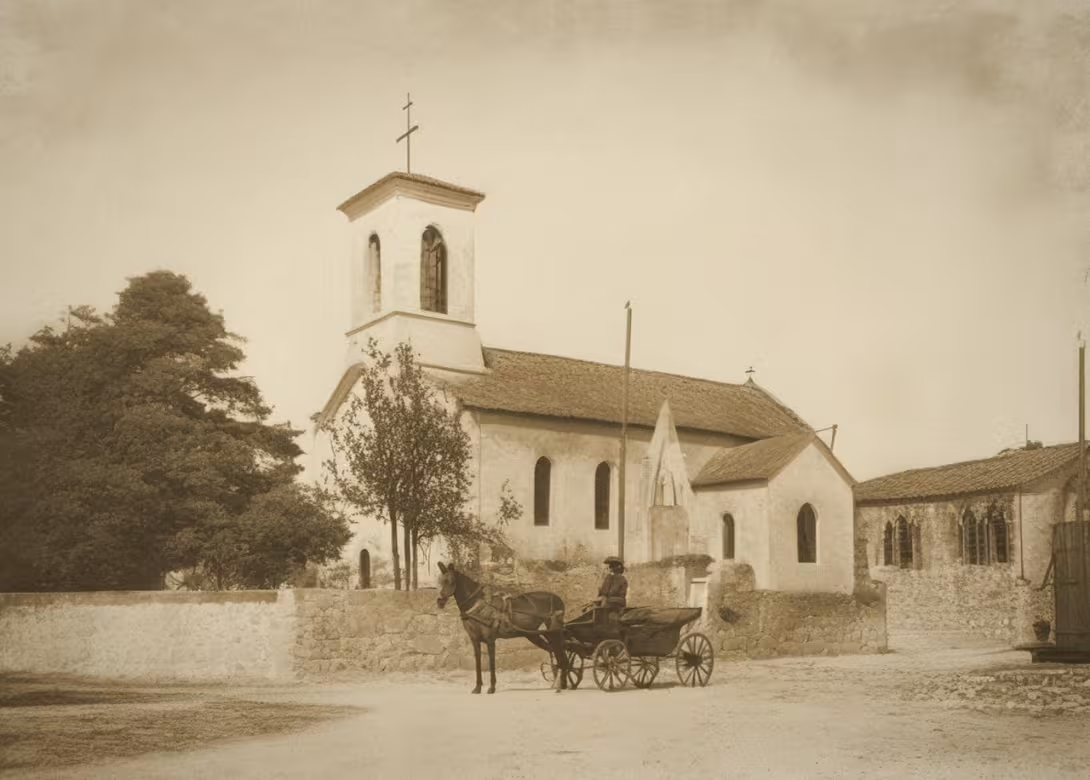
The historical appearance on the left is an AI-generated visualisation and serves as inspiration only.
Historical milestones
- 1361
- Construction of the original Gothic cemetery chapel.
- 1651
- Addition of two Baroque chapels to the church.
- 1854
- Demolition and reconstruction of the church in Neo-Romanesque style.
- 1983
- Demolition of the Church of Saint Stephen.
Architectural development
Initially built as a Gothic chapel in 1361, the Church of Saint Stephen underwent significant expansions between 1651 and 1698 with the addition of two Baroque chapels. In 1854, it was demolished and rebuilt in Neo-Romanesque style, incorporating some original foundations and the existing Baroque elements. The church's interior was repurposed for various uses before its eventual demolition in 1983.
Historical events
The original Gothic cemetery chapel was constructed in 1361.
Between 1651 and 1698, two Baroque chapels were added to the church.
In 1854, the old church was demolished and replaced with a Neo-Romanesque structure using some of its foundations and the existing Baroque chapels.
The church was demolished in November 1983.
Points of interest
- The Church of Saint Stephen was originally built as a Gothic chapel in 1361, making it one of the earlier examples of Gothic architecture in Bohemia. Its initial role as a cemetery chapel highlights medieval practices surrounding death and spirituality.
- During its transformation between 1651 and 1698, two Baroque chapels were added to either side of the nave. This architectural addition reflects the shift from Gothic to Baroque styles, mirroring broader European trends during that period.
- The church's demolition in 1983 marked the end of a building that had served multiple community roles over centuries, including as storage for local institutions like a polyclinic and school. Its varied use underscores how historical buildings often adapt to changing societal needs.
- A notable personal connection to the church is the grave marker of Franz Ambros Reuss, integrated into the wall of the new Neo-Romanesque structure. This detail illustrates how individual legacies can become part of a site's broader historical narrative.
- The remaining Baroque statue of Saint Anthony from 1764 serves as a poignant reminder of the church’s past grandeur and artistic heritage. It stands as a solitary witness to the architectural evolution that took place at this historically rich location.
Guide
This guide is narrated by a synthetic voice generated by artificial intelligence.
Show guide text
This text was created by artificial intelligence and has not been editorially reviewed. It may contain inaccuracies.
Welcome to the site of what once was a historic beacon of faith and architecture—the Church of Saint Stephen in Mostecké Předměstí. As you stand here on this tranquil spot within Ústecký kraj, imagine the centuries-old stories that echo through the air around you. Though today only fragments remain, these whispers from the past invite us to explore a remarkable journey through time.
The Church of Saint Stephen's story began in 1361 as a humble Gothic chapel built on what was once an abolished cemetery. This initial construction reflects medieval practices and spirituality surrounding death—a testament to how our ancestors sought solace and connection with the divine even amidst life’s finality. As you look around, envision this early structure, its Gothic roots deeply embedded in Bohemia's architectural heritage.
As we move forward through time, the church underwent significant transformations that tell a tale of evolving artistic tastes and religious needs. By 1651, two Baroque chapels were added to the original Gothic chapel, marking a shift towards more ornate and expressive designs. These additions would have stood as grand testaments to the growing influence of the Baroque style in this region.
However, change continued to shape the church's destiny. In 1854, it was demolished and reconstructed in the Neo-Romanesque style—a period marked by a revival of Romanesque elements but with a distinct 19th-century interpretation. This reconstruction would have given the church a robust, fortress-like appearance, blending historical reverence with contemporary architectural trends.
Despite its storied past and rich history as a spiritual center for local communities, the Church of Saint Stephen met an untimely end in 1983 when it was demolished. Today, only remnants of its Baroque elements remain to tell its tale—a poignant reminder of both the church's once-grand presence and the impermanence of human creations.
As you stand here, take a moment to appreciate these lingering fragments that speak volumes about the past. Notice how they blend with the landscape, inviting contemplation not just of architectural styles but also of the lives and stories intertwined with this sacred place over centuries.
While we can no longer walk through its halls or admire its full grandeur, the legacy of the Church of Saint Stephen endures in our imaginations and historical records. Let these echoes inspire you to delve deeper into the rich tapestry of Mostecké Předměstí's history as you explore further.
Thank you for joining us on this journey through time. We hope it has sparked your curiosity and appreciation for the layers of history that surround us. As you continue exploring, may each step reveal new stories waiting to be discovered. Safe travels!
Businesses nearby
Do you run a restaurant, accommodation, shop, museum, rental, wellness or other visitor service near this monument? Show yourself directly to the people heading to it — this is how they will see you in the app and on the web:
Events nearby
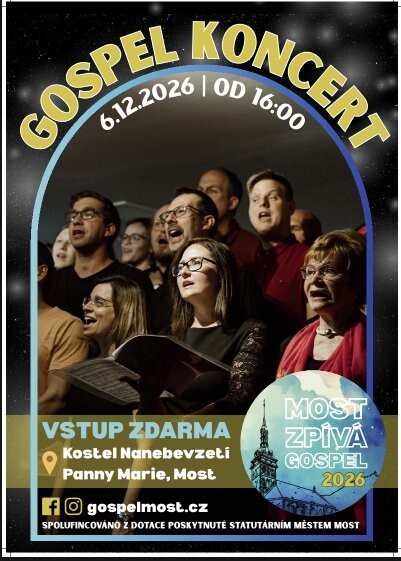
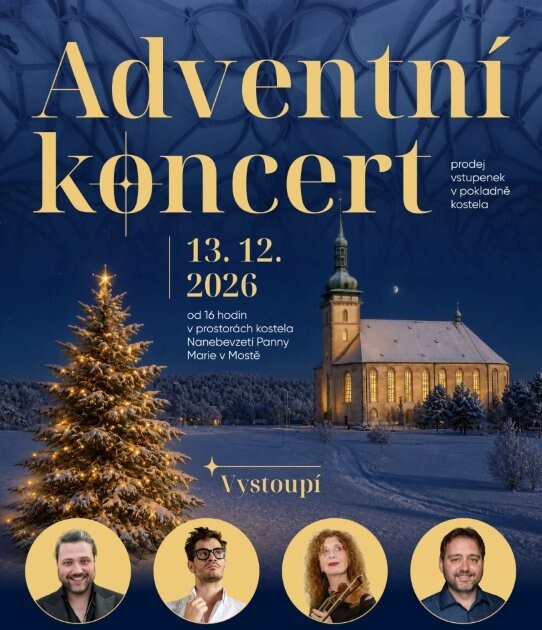
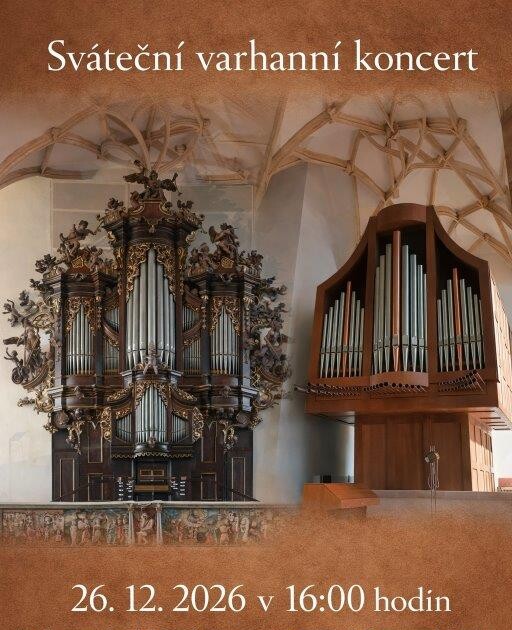
Zdroj akcí: otevřená data měst a obcí ČR (Národní katalog otevřených dat) a kalendář akcí Národního památkového ústavu.
Visualizations and artistic views


The visualisations are generated by artificial intelligence and serve as inspiration.
Photos from the area
Real photos taken near the monument


Zdroj a licence jsou uvedeny u každého snímku.
Tips from visitors
No tips yet. Be the first!
Log in and add your tip.
Sources and literature
Photos: autor neuveden / Public domain — Wikimedia Commons. The author and licence also appear when you hover over the image.
Faktickým podkladem tohoto textu byl článek na Wikipedii, jehož autory jsou přispěvatelé Wikipedie. Článek je dostupný pod licencí CC BY-SA 4.0.
Location on the map
More monuments – Mostecké Předměstí
Show all in the municipality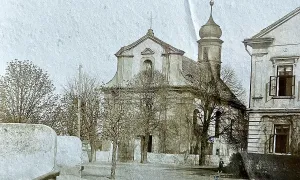
Příběhy a pověsti
Legendy, pověsti a příběhy spjaté s touto památkou
Fotografie návštěvníků
Zatím žádné fotografie. Buďte první, kdo přidá fotografii z návštěvy!
Log in a přidejte svou fotografii nebo hodnoťte.
Za ověřenou návštěvu v aplikaci získáte víc bodů — poznáme podle GPS, že jste na místě.
Reviews and comments