



Kostel svatého Václava (Bítov) Church
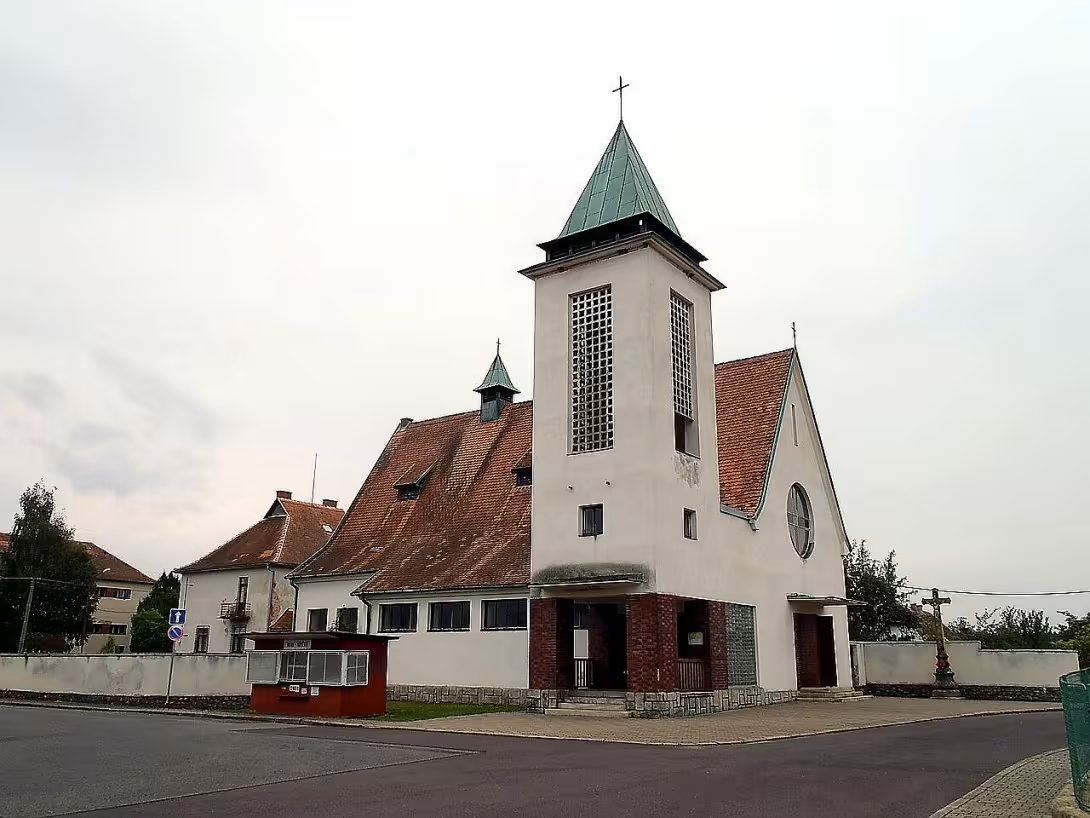
The Church of Saint Wenceslas in Bítov is a significant historical monument located in the Znojmo region of the Czech Republic. Built in the early 20th century and completed in 1935, this modern church replaced an older structure submerged by the Vranov Dam reservoir. Dedicated to Saint Wenceslas, it has been protected as a cultural monument since 2012, reflecting both religious significance and architectural trends of its time.
The origins of the Church date back to the early 20th century, following Czechoslovakia's establishment as an independent state in 1918. The original church, with Romanesque foundations dating around 900 years ago, was submerged due to the Vranov Dam construction. This necessitated building a new church for the community. Construction began shortly after submersion, and by June 1935, the first mass was held.
Architecturally, the Church reflects early 20th-century styles, incorporating elements from its predecessor where possible. While specific details are not extensively documented, most of the old church's inventory, except the organ and pews, was transferred to the new structure. This continuity underscores respect for tradition amidst modernization.
Throughout its history, the Church has witnessed significant events. The last mass at the original site took place on October 3, 1934, marking a farewell to the old Bítov community before submersion. The new church was consecrated on September 28, 1935, symbolizing both an end and a beginning for local parishioners.
Today, the Church remains an active worship site and cultural heritage location. Its designation as a protected monument highlights its importance not only to the local community but also to the broader historical narrative of the region. Visitors are drawn to its architectural significance and role in Bítov's adaptation to modern infrastructure developments.
The Church of Saint Wenceslas is more than just a place of worship; it is a testament to resilience and continuity amid change. Its preservation as a cultural monument invites visitors to explore its history, appreciate its architecture, and reflect on the broader historical context that shaped its existence. Whether for spiritual reflection or historical curiosity, this church offers a unique glimpse into the past while continuing to serve its community in the present.
Then and now
Drag the slider to compare how the landmark may have looked when it was built with the view today.
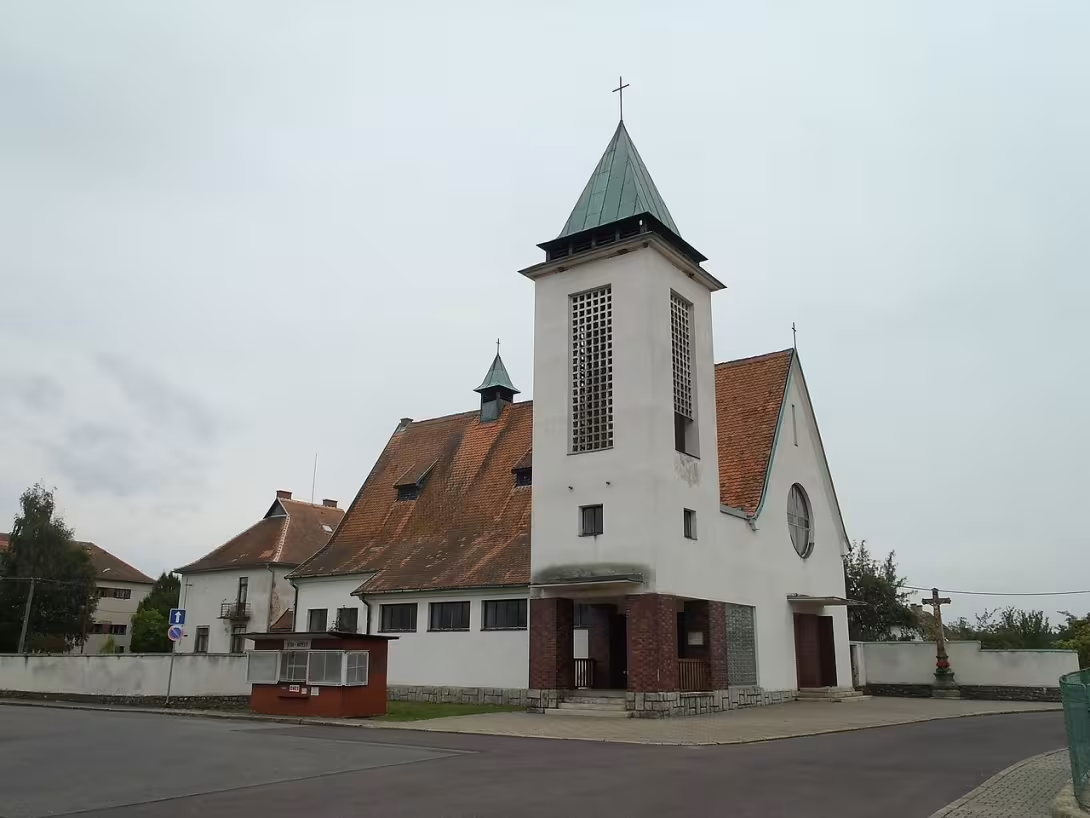
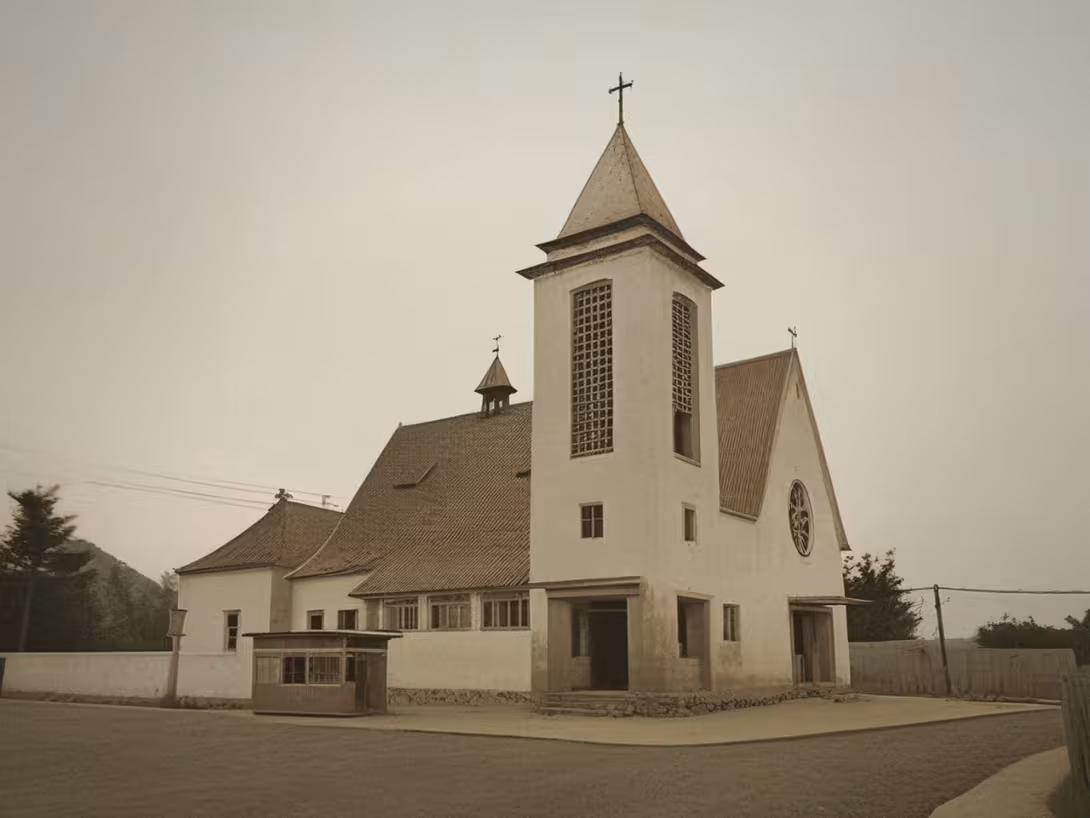
The historical appearance on the left is an AI-generated visualisation and serves as inspiration only.
Historical milestones
- 1918
- Czechoslovakia becomes an independent state.
- kolem 900
- Foundations of the original church date back to this period.
- 1934
- Last mass at the original church site on October 3.
- 1935
- New Church construction completed and first mass held in June.
- 1935
- Church consecrated on September 28, marking a new beginning.
- 2012
- Church designated as a protected cultural monument.
Architectural development
The construction of the new Church of Saint Wenceslas began shortly after the submersion of the original church, with the first mass held in June 1935. The design and construction reflect early 20th-century architectural styles, incorporating elements from the previous church's inventory except for the organ and pews.
Historical events
The original Church of Saint Wenceslas was submerged by the Vranov Dam reservoir in 1935.
The new church was consecrated on September 28, 1935.
Points of interest
- The Church of Saint Wenceslas was built to replace an older structure that had Romanesque foundations dating back approximately 900 years, showcasing a blend of historical architectural elements.
- During the construction of the new church in Bítov, most of the original church's inventory was preserved and transferred, except for the organ and pews, highlighting a commitment to maintaining tradition despite modernization.
- The last mass at the original site took place on October 3, 1934, serving as a poignant farewell ceremony before the submersion caused by the Vranov Dam construction, marking an end of an era for the Bítov community.
- Architecturally, the Church reflects early 20th-century styles and incorporates elements from its predecessor where possible, although specific design details are not extensively documented, emphasizing continuity in architectural trends.
- Despite being a relatively modern structure completed in 1935, the church was designated as a cultural monument only in 2012, indicating its growing recognition and importance within the historical narrative of the region.
Guide
This guide is narrated by a synthetic voice generated by artificial intelligence.
Show guide text
This text was created by artificial intelligence and has not been editorially reviewed. It may contain inaccuracies.
Welcome to the Church of Saint Wenceslas in Bítov, a remarkable testament to resilience and architectural evolution. As you stand here, take in the serene presence of this structure nestled within the Znojmo region. Its modern facade reflects the cultural aspirations of early 20th-century Czechoslovakia, an era marked by newfound independence in 1918.
This church has a rich history that dates back to around 900 AD when its predecessor was first established on Romanesque foundations. It stood as a spiritual beacon until 1934 when it met its fate beneath the waters of the Vranov Dam reservoir. The dedication and community spirit led to the construction of this new sanctuary, completed in 1935—a year that marked both an end and a beginning with the first mass held in June and its consecration on September 28.
Take a moment to appreciate the architectural style of this modern church. While specific details are not documented, imagine the blend of historical reverence and contemporary design as you explore its surroundings. The structure stands as a witness to time, embodying both continuity and change.
The Church of Saint Wenceslas is more than just a building; it's a symbol of cultural heritage, officially recognized as such in 2012. It replaced an older church that held treasures from the past, some of which were preserved during its construction. This narrative of preservation amidst transformation adds layers to your visit here.
Now, let’s delve into one of the intriguing aspects of this site. The original church's inventory was carefully salvaged and integrated into the new structure, creating a tangible link between eras. Consider how objects from nearly a millennium ago found a new home in this modern edifice, bridging past and present.
As you continue your exploration, allow yourself to be enveloped by the history and stories that echo through these walls. The Church of Saint Wenceslas invites you not just to observe but to engage with its legacy—a monument standing proudly as both guardian of tradition and emblem of progress.
Thank you for joining us on this journey through time at Bítov. We hope this experience has enriched your understanding and appreciation of the cultural tapestry that is woven into every corner of this sacred site. Feel free to explore further, discovering more stories and insights along the way. Farewell, until we meet again in another chapter of history.
Tips for visitors
The Church of Saint Wenceslas in Bítov is best visited during the late spring to early autumn months, when the weather is pleasant for outdoor exploration and the surrounding landscape is lush and vibrant. This period also coincides with local festivals that often take place around historical sites, offering a richer cultural experience. The lighting conditions are ideal for photography during these months, especially in the morning or late afternoon when the soft light accentuates the architectural details of the church.
For those preferring public transportation, local buses serve the area; however, specific routes should be checked in advance through a reliable travel app or website. The proximity of the church to Znojmo makes it an easy day trip for visitors staying in larger towns.
When visiting the Church of Saint Wenceslas, consider bringing comfortable walking shoes as you explore the site and its surroundings. A camera is recommended to capture the stunning architecture and serene landscape. Additionally, carrying a light jacket or sweater can be useful due to variable weather conditions. For those interested in learning more about the church's history, downloading an informative guide from the official website beforehand could enhance your visit.
Photography enthusiasts will find several spots around the Church of Saint Wenceslas ideal for capturing its beauty. The best light is usually found during the golden hours—shortly after sunrise or before sunset—when the sunlight casts a warm glow on the church's facade. A viewpoint from across the water, if accessible, can offer a unique perspective with reflections adding to the composition.
For families visiting Bítov, there are several activities and sites within a 30-minute drive that make for an enjoyable day out. These sites provide both educational value and entertainment for children.
Families with children will appreciate that the Church of Saint Wenceslas is not just about exploring architecture but also about engaging with local culture. The surrounding area offers trails suitable for family walks, where children can enjoy nature. Additionally, interactive exhibits or events at nearby historical sites in Znojmo can be both fun and informative for younger visitors.
Frequently asked questions
Can the monument be visited?
Religious buildings are usually open mainly during services; at other times a visit is normally arranged with the parish or the operator. We have not verified specific times.
Where is the monument?
Location: Bítov, Jihomoravský kraj. The map on this page shows the exact spot.
Why is the monument protected?
It is listed in the Central List of Cultural Monuments of the Czech Republic as a cultural monument (register no. 104635).
Businesses nearby
Do you run a restaurant, accommodation, shop, museum, rental, wellness or other visitor service near this monument? Show yourself directly to the people heading to it — this is how they will see you in the app and on the web:
Events nearby

Zdroj akcí: otevřená data měst a obcí ČR (Národní katalog otevřených dat) a kalendář akcí Národního památkového ústavu.
Accommodation nearby
Themed route
Tematická výletní trasa: Kostel svatého Václava (Bítov)
1. Kostel svatého Václava (Bítov) - Kostel - Proč stojí za návštěvu: Tento barokní kostel, postavený v 18. století, je známý svou architektonickou krásou a bohatou historií. Jeho interiér nabízí fascinující umělecké prvky, které přitahují návštěvníky z celého regionu.
2. Nádvoří kostela svatého Václava - Nádvoří - Proč stojí za návštěvu: Nádvoří poskytuje klidný prostor pro relaxaci a reflektování. Je to ideální místo k procházce po kostelním okolí, kde můžete užít si pohled na venkovní náboženské prvky a architekturu.
3. Věž kostela svatého Václava - Věž - Proč stojí za návštěvu: Výhled z věže nabízí jedinečnou perspektivu na okolní krajinu Bítova. Je to nejen historické místo, ale také skvělý bod pro fotografii a pochopení rozložení kostela v kontextu místního prostředí.
4. Expozice v kostele svatého Václava - Exponát - Proč stojí za návštěvu: Expozice přináší hlubší vhled do historie a kulturního dědictví kostela. Zde můžete objevit různé artefakty, které dokumentují životní cyklus a význam tohoto náboženského místa.
Tato trasa nabízí komplexní pohled na kostel svatého Václava ve Bítově, od jeho architektury přes historickou expozici až po klidný nádvořní prostor.
Seasonal recommendations
Spring: Visiting the Church of St. Wenceslas (Bítov) during spring offers a unique experience as the surrounding landscape bursts into life with vibrant colors and blooming flora, creating an enchanting atmosphere that complements the historical architecture. The gentle sunlight filters through the foliage, casting dappled shadows across the church grounds, enhancing its serene beauty. Visitors should plan their trip to enjoy this natural spectacle while avoiding the occasional spring showers by wearing comfortable layers and carrying a light raincoat or umbrella.
Summer: Summer at Bítov is characterized by long days filled with warm sunshine that illuminates the Church of St. Wenceslas in a golden glow, accentuating its architectural details and creating a majestic ambiance. The lush greenery around the church provides a picturesque setting for photography enthusiasts. Given the peak tourist season, it's advisable to visit early in the morning or later in the afternoon to avoid crowds and ensure a more tranquil experience. Light clothing is recommended due to the warm weather.
Autumn: Autumn brings a magical transformation as the foliage surrounding the Church of St. Wenceslas changes into rich hues of red, orange, and gold. This seasonal shift creates a stunning backdrop that enhances the historical charm of the church, making it an ideal time for photography. The cooler temperatures make exploring more comfortable, though visitors should dress in layers to accommodate fluctuating weather conditions. While still popular among tourists, autumn sees fewer crowds than summer.
Winter: Winter at Bítov offers a serene and almost mystical atmosphere as snow blankets the landscape around the Church of St. Wenceslas, transforming it into a picturesque winter wonderland. The church's architecture stands out starkly against the white backdrop, providing a unique visual experience. Visitors should dress warmly in layers to stay comfortable during their visit, as temperatures can be quite cold. Due to shorter daylight hours and potential weather-related closures, checking opening times in advance is recommended for planning your trip.
Visualizations and artistic views


The visualisations are generated by artificial intelligence and serve as inspiration.
Photos from the area
Real photos taken near the monument


Zdroj a licence jsou uvedeny u každého snímku.
Tips from visitors
No tips yet. Be the first!
Log in and add your tip.
Sources and literature
Photos: Vladimír Slávik / CC BY-SA 3.0 — Wikimedia Commons. The author and licence also appear when you hover over the image.
Faktickým podkladem tohoto textu byl článek na Wikipedii, jehož autory jsou přispěvatelé Wikipedie. Článek je dostupný pod licencí CC BY-SA 4.0.
Location on the map



Příběhy a pověsti
Legendy, pověsti a příběhy spjaté s touto památkou

Fotografie návštěvníků
Zatím žádné fotografie. Buďte první, kdo přidá fotografii z návštěvy!
Log in a přidejte svou fotografii nebo hodnoťte.
Za ověřenou návštěvu v aplikaci získáte víc bodů — poznáme podle GPS, že jste na místě.
Reviews and comments