






hrad Bítov Castle
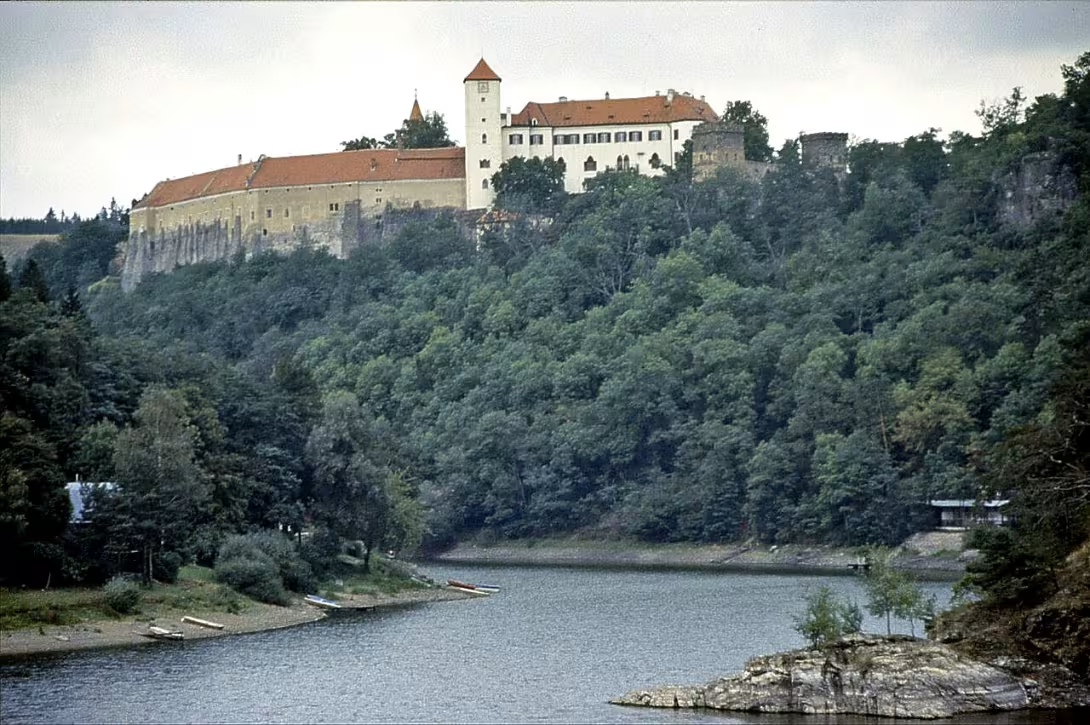
Bítov Castle, known as Hrad Bítov in Czech or Schloss Vöttau in German, majestically stands on a steep promontory above the meandering River Želetavka near the Vranov reservoir. Located in the village of Bítov within the Znojmo District of the Jihomoravský kraj, this castle is one of Moravia's oldest and largest fortifications, with origins dating back to the 11th century. Its historical significance lies not only in its age but also in its role as a defensive stronghold for the Přemyslid state, protecting against external threats during a period marked by territorial consolidation across Bohemia and Central Europe.
The site originally hosted a fortified settlement established by the Přemyslids, featuring the Chapel of Our Lady. In the first half of the 13th century, this fort was transformed into an impregnable Gothic castle, serving as a crucial defensive structure along the southern borders of the Přemyslid lands. The 14th century saw further enhancements with the construction of a new inner ward and Late Gothic fortifications, reflecting its strategic importance.
Ownership of Bítov Castle changed hands several times over the centuries, each owner leaving their mark on its architecture and history. Initially held by the Přemyslids from 1046 to 1307, it was then passed to the Lichtenburks of Bítov until 1572. The early 17th century saw the Jankovskýs of Vlašim take control before the Daun family acquired it in 1755. Subsequent owners included the Haugwitz and Haas families, with the castle eventually becoming state property in 1945.
Architecturally, Bítov Castle is a testament to various styles and periods. Its initial medieval fortification evolved through significant renovations by the Lichtenburks in the early 14th century, transforming it into a fortified residence. The 17th-century Jankovskýs of Vlašim remodeled it into a baroque fortress. In the early 19th century, under the Daun family's influence, romantic-era renovations were undertaken, adding layers to its historical narrative.
The castle has witnessed several key events throughout its history. First mentioned in records in 1061, it played a defensive role against German colonization efforts in the late 12th century. In 1185, during a conflict between Czech Duke Frederick and Znojmo Duke Konrad II Otto, Bítov successfully withstood an attack. These events underscore its strategic importance over the centuries.
Today, Bítov Castle is under state protection as a cultural monument, showcasing its rich history through various architectural styles from medieval fortifications to baroque renovations. Visitors can explore its intricate structural arrangement, which exemplifies Czech Early Gothic castle architecture. The castle's chapel was significantly altered in 1846 by the Daun family, featuring a new main altar painting by Anton Ziegler. Additionally, it houses a unique Gothic sculpture of Madonna from the early 14th century, originally from Cornštejn Castle.
Surrounding Bítov Castle is an English-style park established during romantic renovations, though its landscape was altered in the 1930s due to nearby dam construction. The castle's accessibility and preserved state make it a worthwhile visit for those interested in exploring layers of history embedded within its walls.
Bítov Castle stands as a remarkable testament to Moravia's historical narrative, offering visitors a glimpse into centuries of architectural evolution and strategic significance. Its rich past and well-preserved structure invite exploration and appreciation, making it a must-visit destination for anyone intrigued by medieval fortifications and their enduring legacy.
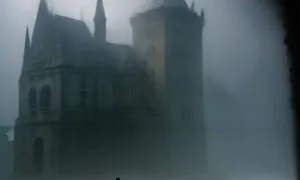
Then and now
Drag the slider to compare how the landmark may have looked when it was built with the view today.
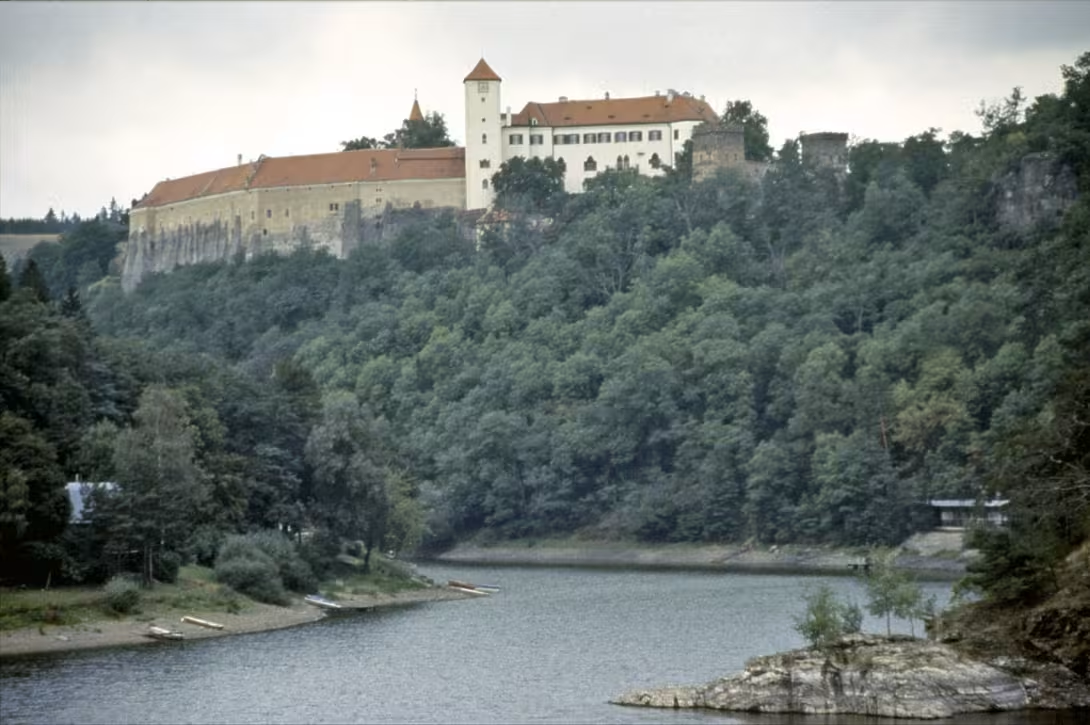

The historical appearance on the left is an AI-generated visualisation and serves as inspiration only.
Historical milestones
- 1061
- First documented mention of Bítov Castle.
- 1185
- Castle withstood an attack during a conflict between Czech Duke Frederick and Znojmo Duke Konrad II Otto.
Architectural development
Bítov Castle's architectural evolution began in the medieval period with its initial construction as a fortification. By around 1200, it featured a cylindrical tower and a castle hall, later enveloped by late Gothic structures. The 17th century saw a transformation into a baroque fortress under the Jankovskýs of Vlašim. In the early 19th century, romantic-era renovations were carried out by the Daun family, adding to its historical layers.
Historical events
The castle was first mentioned in records in 1061 and played a defensive role against German colonization efforts in the late 12th century.
In 1185, during a conflict between Czech Duke Frederick and Znojmo Duke Konrad II Otto, Bítov successfully withstood an attack.
In the early 14th century, the Lichtenburks initiated significant renovations, transforming it into a fortified residence.
Owners
The castle was initially owned by the Přemyslids (1046–1307), followed by the Lichtenburks of Bítov (1307–1572). In the early 17th century, it came under the Jankovskýs of Vlašim (1612–1739) before being acquired by the Daun family in 1755. The Haugwitz family owned it from 1890 to 1906, succeeded by the Haas family until 1945 when it became state property.
Points of interest
- Bítov Castle has a unique architectural feature known as the "Bishop's Tower," which was originally used for defensive purposes but later served as a chapel. This dual-purpose design reflects the castle’s evolving role over centuries.
- In 1645, during the Thirty Years' War, Bítov Castle played a significant part in local conflicts when it was besieged by Swedish forces. The castle's robust fortifications allowed it to withstand this attack, showcasing its strategic military importance during turbulent times.
- An intriguing legend associated with Bítov Castle involves a mysterious underground tunnel system said to connect the castle to other nearby castles and towns. While no definitive evidence confirms these tunnels' existence, they remain a popular topic of local folklore and intrigue.
- In the 19th century, Bítov Castle became a hub for romantic-era literature and art, attracting artists and writers who were inspired by its picturesque setting and storied past. This period contributed to the castle's cultural legacy beyond its historical military significance.
- The castle’s chapel houses an enigmatic painting known as "The Veil of Veronica," which is believed to have miraculous properties. According to legend, this painting can heal ailments when viewed under specific conditions, adding a layer of mystique and spiritual allure to Bítov Castle's history.
Guide
This guide is narrated by a synthetic voice generated by artificial intelligence.
Show guide text
This text was created by artificial intelligence and has not been editorially reviewed. It may contain inaccuracies.
Welcome to the historic site of Bítov Castle, a remarkable medieval fortress nestled near Vranov nad Dyjí in the Znojmo District. As you stand here, take a moment to absorb the grandeur before you. The castle's imposing silhouette against the Jihomoravský kraj landscape is a testament to its storied past.
The origins of Bítov Castle trace back to the 11th century, built on the site of a Great Moravian stronghold. Initially erected as a defensive structure for the Přemyslid state's southern border, it has witnessed centuries of history unfold. The first documented mention dates to 1061, marking its early significance in regional defense.
As you explore, notice the architectural evolution that Bítov Castle has undergone over time. Its strategic importance is reflected in the various transformations it has seen. One unique feature is the "Bishop's Tower," originally designed for defensive purposes but later repurposed as a chapel. This dual-purpose design highlights the castle’s adaptability and changing roles through history.
Throughout its existence, Bítov Castle has been associated with several key historical figures and families. The Přemyslovci were instrumental in its early development, while later owners like the Lichtenburkové z Bítova, Jankovští z Vlašimi, Daunové, Haugwitzové, and Haasové each left their mark on this fortress. In 1185, it withstood an attack during a conflict between Czech Duke Frederick and Znojmo Duke Konrad II Otto, showcasing its resilience.
A fascinating episode in the castle’s history occurred in 1645 during the Thirty Years' War when Bítov Castle played a crucial role. This period adds another layer to the rich tapestry of stories associated with this site.
As you continue your journey through Bítov Castle, I encourage you to immerse yourself in its atmosphere and imagine the lives that have passed through these walls. Each stone tells a story, inviting you to delve deeper into its history.
Thank you for joining me on this exploration of Bítov Castle. May your visit inspire curiosity and appreciation for this remarkable piece of medieval heritage. Enjoy uncovering more secrets as you wander through this historic site.
Tips for visitors
The best time to visit Bítov Castle is during the late spring or early autumn months, from May to September. During these times, the weather is typically mild and pleasant, making it ideal for exploring both the castle grounds and the surrounding English-style park. Additionally, visiting in this period allows you to enjoy the vibrant colors of the park's flora without the crowds that peak tourist seasons might bring.
Parking at Bítov Castle is convenient as there are designated parking areas nearby. For those preferring public transport, the town of Vranov nad Dyjí offers bus services which can be used to reach the castle. It’s advisable to check current routes and schedules through a local transportation website or app to ensure smooth travel.
When planning your visit, it's recommended to bring comfortable walking shoes as there are several areas within the park that require some walking. A light jacket is also suggested, especially if visiting in the early morning or late afternoon when temperatures can drop. Don't forget your camera for capturing the stunning views and architecture of the castle.
For photography enthusiasts, the best spots at Bítov Castle include the main entrance with its impressive towers and the panoramic view from the park's highest point. Early morning light provides a soft glow that enhances the castle’s medieval charm, while late afternoon offers dramatic shadows for a more moody effect. The English-style park also offers numerous picturesque scenes perfect for capturing.
Nearby attractions within 30 minutes include the Vranov nad Dyjí Dam and Lake, which is ideal for a relaxing walk or picnic by the water. Additionally, the town of Znojmo, known for its well-preserved medieval architecture and vibrant cultural scene, is worth exploring. Both locations offer unique experiences that complement your visit to Bítov Castle.
Frequently asked questions
Can the monument be visited?
Yes. We verified the opening hours or admission on the official website (6. 10. 2026); you will find them in the visitor information on this page. Please double-check with the operator before you travel.
What are the opening hours and admission?
Details verified on the official website (6. 10. 2026) are listed in the visitor information on this page. Official website: https://www.hrad-bitov.cz/
Where is the monument?
Location: č.p. 1, Bítov, Jihomoravský kraj. The map on this page shows the exact spot.
Why is the monument protected?
It is listed in the Central List of Cultural Monuments of the Czech Republic as a national cultural monument (register no. 282).
Businesses nearby
Do you run a restaurant, accommodation, shop, museum, rental, wellness or other visitor service near this monument? Show yourself directly to the people heading to it — this is how they will see you in the app and on the web:
Natáčelo se zde
- Tajemství staré bambitky (2011) film
Zdroj: Wikidata (vlastnost „místo natáčení“) · Všechna filmová místa
Events nearby

Zdroj akcí: otevřená data měst a obcí ČR (Národní katalog otevřených dat) a kalendář akcí Národního památkového ústavu.
Nearby
Bítov Castle is surrounded by an English-style park established during romantic renovations. The landscape was altered in the 1930s due to the construction of a nearby dam.
Accommodation nearby
Themed route
Thematic Tour Plan: Bítov Castle and Surroundings
1. Bítov Castle
Type: Historical Monument
Why Visit: Explore the grandeur of this 13th-century castle, renowned for its romantic renovations in the 19th century that introduced an English-style park. The castle's architecture and history offer a glimpse into the past, making it a must-visit for anyone interested in medieval structures.
2. English-style Park
Type: Landscape Garden
Why Visit: Stroll through the picturesque English-style park surrounding Bítov Castle. Established during the romantic renovations of the castle, this garden offers a serene environment with beautifully landscaped paths and lush greenery, perfect for relaxation and enjoying nature.
3. Dam-Adjacent Area
Type: Historical Landscape Feature
Why Visit: Discover how the construction of a nearby dam in the 1930s altered the landscape around Bítov Castle. This area provides insight into the historical changes that have shaped the region, offering a unique perspective on how human intervention has influenced natural and architectural surroundings.
This thematic tour offers a comprehensive exploration of Bítov Castle and its immediate environment, highlighting both historical architecture and landscaped beauty.
Seasonal recommendations
Jaro: In the spring season, Hrad Bítov offers a unique view of blooming gardens and overgrown terraces, where lighting changes with long sunny days. The atmosphere is full of renewal and life, making the visit impressive. Visitors should dress in appropriate clothing for mild weather with protection against chilly breezes, as temperatures can be variable. The best time to visit is usually in the afternoon when the sun illuminates architectural details and gardens are at their fullest beauty.
Summer: Summer brings long days and warm weather, ideal for exploring Hrad Bítov. Sunlight highlights historical structures and gardens offer a rich variety of flowers. During this period, the atmosphere is full of vitality but can also be challenging due to higher numbers of tourists. It's recommended to visit early in the morning or late in the evening to avoid crowds and enjoy cooler temperatures. Warm clothing, sun protection, and plenty of hydration are essential for a comfortable experience.
Autumn: In autumn, Hrad Bítov offers melancholic beauty with colorful leaves adorning terraces and surrounding forests. The atmosphere is calm and mildly cool, making the visit comfortable without excessive heat. Visitors should be prepared for variable weather with warm coats and rain protection, as autumn is known for its sudden storms. The best times to visit are usually in early afternoons when sunlight illuminates the leafy landscape.
Winter: A winter visit to Hrad Bítov offers a unique view of the historical structure under a blanket of snow, creating a quiet and serene atmosphere. Some parts may be closed due to winter weather, but this period offers more moderate visitor numbers. Visitors should dress in warm clothing including hats and gloves and be prepared for shorter opening hours caused by early sunsets. The best time to visit is usually around noon when the temperature is slightly milder and a clear frosty atmosphere might appear.
Visualizations and artistic views


The visualisations are generated by artificial intelligence and serve as inspiration.
Photos from the area
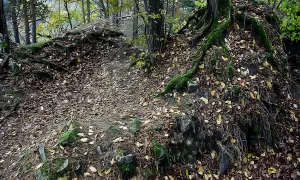
Real photos taken near the monument


Zdroj a licence jsou uvedeny u každého snímku.
Tips from visitors
No tips yet. Be the first!
Log in and add your tip.
Sources and literature
Photos: Christof Halbe / CC BY-SA 3.0 — Wikimedia Commons. The author and licence also appear when you hover over the image.
Faktickým podkladem tohoto textu byl článek na Wikipedii, jehož autory jsou přispěvatelé Wikipedie. Článek je dostupný pod licencí CC BY-SA 4.0.
Location on the map





Příběhy a pověsti
Legendy, pověsti a příběhy spjaté s touto památkou
Fotografie návštěvníků
Zatím žádné fotografie. Buďte první, kdo přidá fotografii z návštěvy!
Log in a přidejte svou fotografii nebo hodnoťte.
Za ověřenou návštěvu v aplikaci získáte víc bodů — poznáme podle GPS, že jste na místě.
Reviews and comments