






kostel svatého Václava (Dukovany) Church
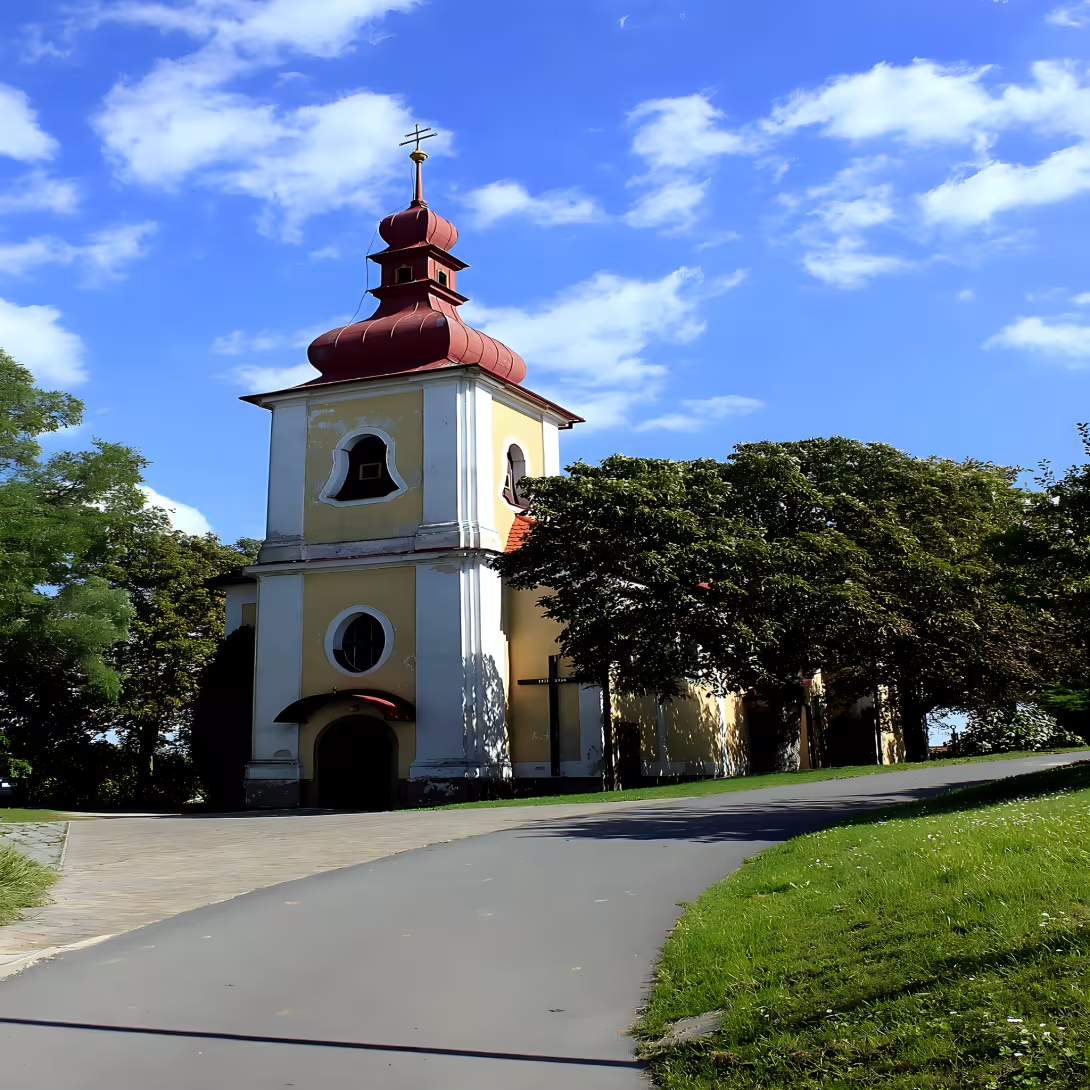
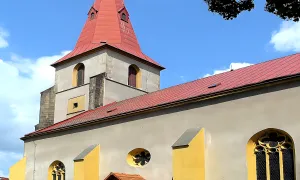
The Church of Saint Wenceslas in Dukovany is a Roman Catholic parish church located on a hill in the village's southern part. This Baroque single-nave building features a rectangular chancel and a pyramidal tower on its western side. Dating back to the early Gothic period, it has been designated as a cultural monument of the Czech Republic due to its historical significance and architectural evolution.
The church's origins trace back to the late 13th century when Bohemia was part of the Holy Roman Empire under King Wenceslas II. The first documented mention of the church dates to 1263, with its consecration occurring in 1279, possibly under Templar patronage. This period marked significant religious and political developments across Europe, including the rise of various knightly orders like the Templars.
Architecturally, the Church of Saint Wenceslas began as an early Gothic structure but underwent substantial Baroque renovations in the late 17th century. These renovations included adding a tower and later expansions such as the sacristy in 1901. The church's design features a single nave with a hipped roof, a recessed chancel, and a pyramidal tower housing both a loft and bell chamber.
Throughout its history, the church experienced several changes in patronage and parish affiliations. Initially under the Knights Templar, it passed to the Order of Malta in Brno by 1312. In 1488, it came under the Unity of the Brethren's patronage before being integrated into various parishes over the centuries. The church faced periods of neglect but was notably renovated and reconsecrated in 1690 after a Baroque transformation led by Jan Vilém Müller’s daughter.
Key events in its history include near-demolition due to disrepair, followed by significant restorations that preserved its cultural heritage. During World War II, the church's small bell tower was removed, reflecting broader wartime impacts on historical structures.
Today, the Church of Saint Wenceslas stands as a testament to the region’s rich religious and architectural history. Visitors can explore its Baroque interior, which includes 13th-century frescoes, romantic paintings, and various sculptures that enhance its spiritual ambiance. The church remains an accessible site for those interested in exploring Czech cultural heritage.
The Church of Saint Wenceslas is not only a place of worship but also a historical landmark offering insights into the architectural and religious evolution of the region. Its preservation as a cultural monument underscores its importance, making it a worthwhile visit for anyone interested in history and architecture.
Then and now
Drag the slider to compare how the landmark may have looked when it was built with the view today.
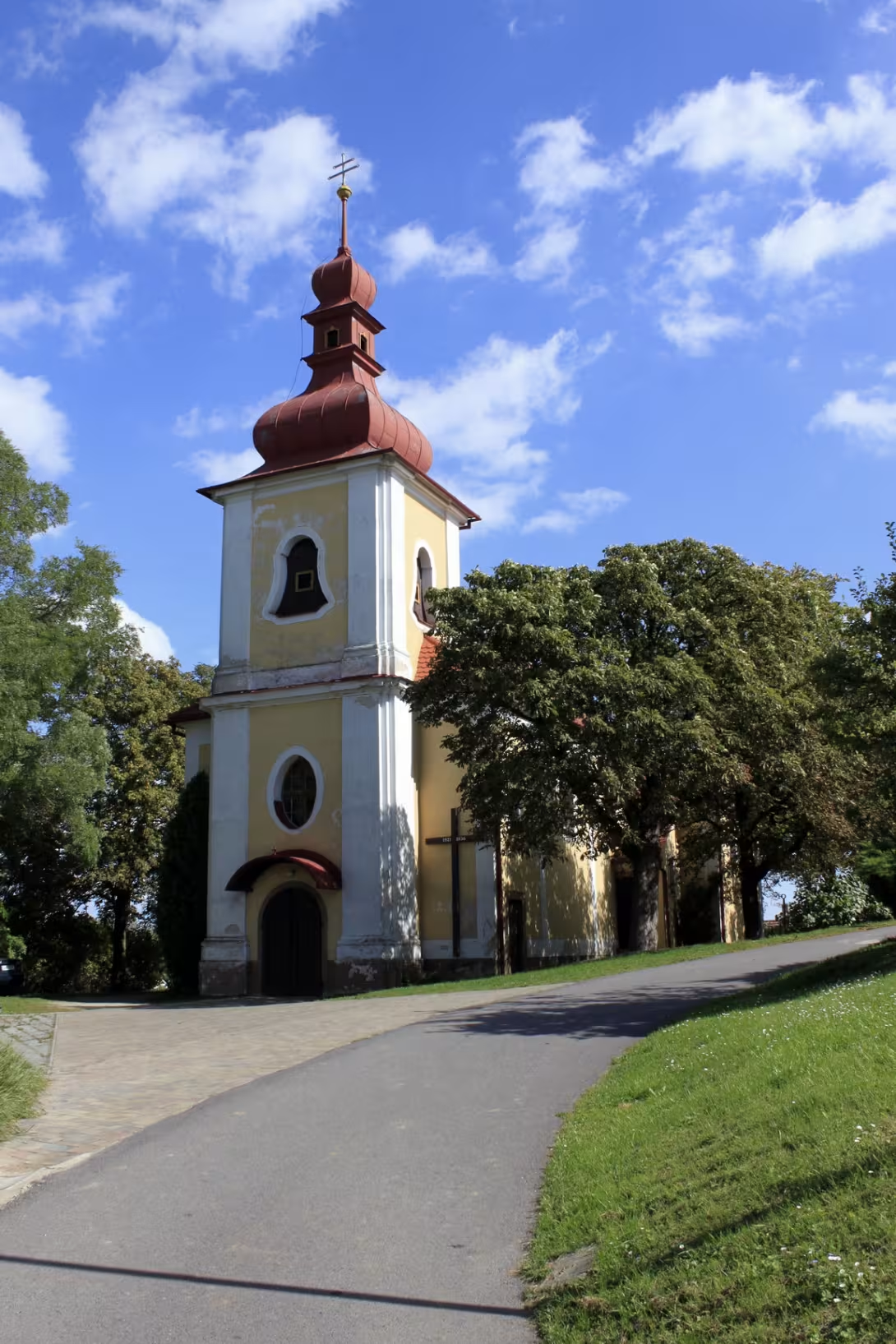
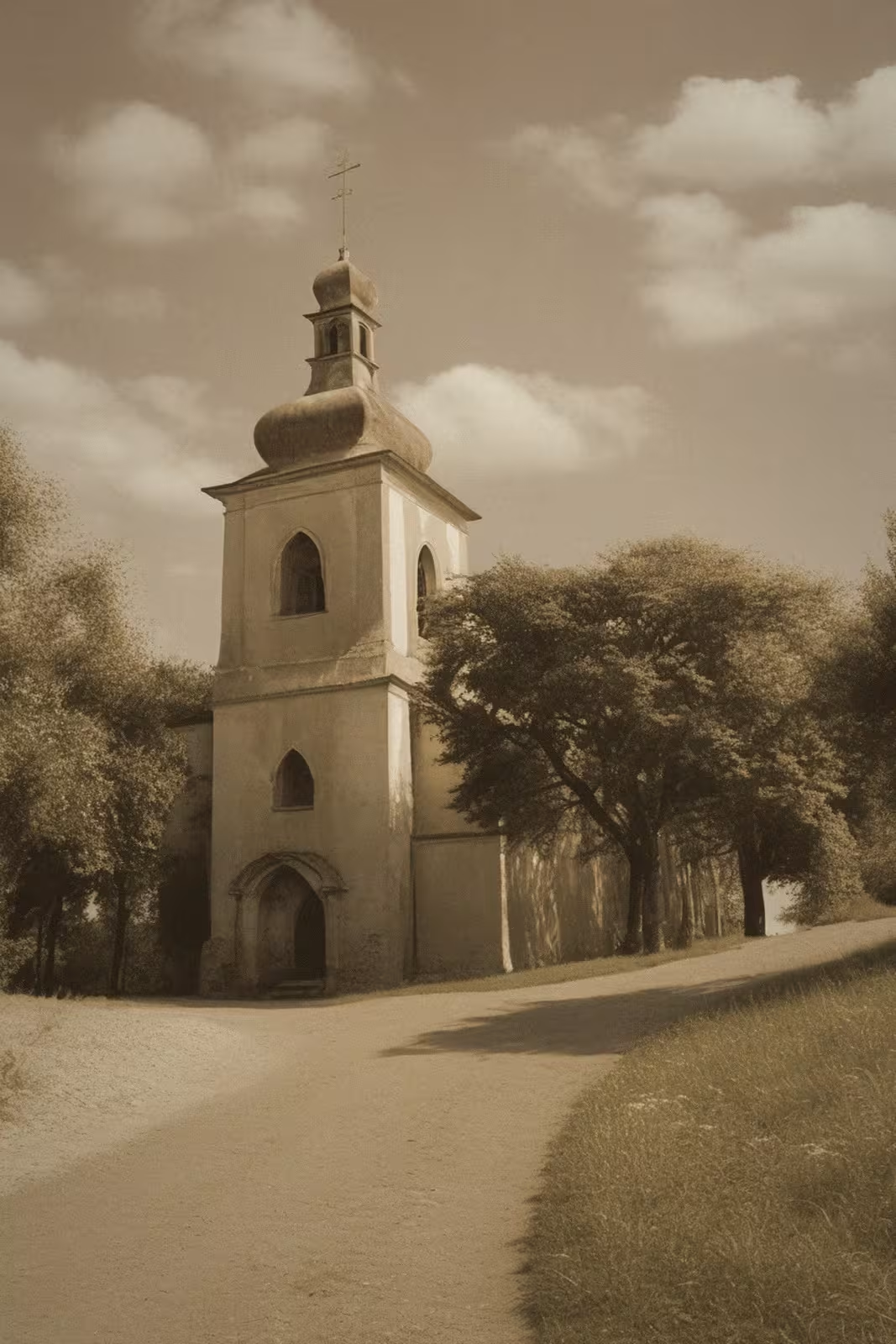
The historical appearance on the left is an AI-generated visualisation and serves as inspiration only.
Historical milestones
- 1263
- First mention of the church.
- 1270
- The founding of St. Wenceslas Church.
- 1279
- The church was consecrated, possibly under the Templars.
- 1312
- Transition to the care of the Order of Malta.
- 1488
- Under the protection of the Unity of the Brethren.
- 1690
- Renovation and re-consecration after a Baroque transformation.
Architectural development
Originally built in early Gothic style, the church underwent significant baroque renovations in the late 17th century. The tower was added during these renovations, and further modifications occurred throughout its history, including a major reconstruction in 1901 that expanded the sacristy.
Historical events
First documented mention in 1263
Consecrated in 1279, possibly under Templar patronage
Passed to the Order of Malta in 1312
Owners
The church was initially under the patronage of the Knights Templar around 1279, then passed to the Order of Malta in Brno in 1312. It became part of the Unity of the Brethren's patronage in 1488 and underwent several parish affiliations throughout its history.
Points of interest
- The Church of Saint Wenceslas is believed to have been originally patronized by the Knights Templar, a fact that adds an intriguing layer to its history given the mysterious and often romanticized legacy of this medieval order.
- In 1488, the church came under the patronage of the Unity of the Brethren, a Protestant movement in Bohemia known for its progressive views on religious freedom and community governance during a time when such ideas were rare in Europe.
- During World War II, the small bell tower was removed from the church as part of broader wartime destruction, reflecting the impact of global conflicts on local heritage sites and their subsequent need for restoration to preserve cultural memory.
- The church's Baroque renovations in the late 17th century were led by Jan Vilém Müller’s daughter, highlighting an unusual historical footnote where a woman played a significant role in the architectural transformation of this religious landmark.
- Despite periods of neglect and near-demolition due to disrepair, the Church of Saint Wenceslas was successfully preserved through restorations that maintained its cultural heritage, showcasing the resilience and enduring value placed on maintaining historical structures.
Guide
This guide is narrated by a synthetic voice generated by artificial intelligence.
Show guide text
This text was created by artificial intelligence and has not been editorially reviewed. It may contain inaccuracies.
Welcome to the historical site of the Church of Saint Wenceslas in Dukovany, a remarkable testament to centuries of faith and architecture nestled on a hill in the southern part of this charming village. As you stand here, take a moment to soak in the serene ambiance that envelops this baroque single-nave building with its distinctive rectangular chancel and pyramidal tower rising proudly on its western side. This church, steeped in history, beckons us to explore its past.
The origins of this sacred site trace back to 1263 when it first made an appearance in historical records. By 1270, the Church of Saint Wenceslas was established, and by 1279, it had been consecrated—possibly under the auspices of the enigmatic Knights Templar. This early Gothic structure has witnessed centuries unfold, adapting through various phases of care and transformation.
As you gaze upon its architecture, notice how the baroque elements harmonize with its gothic roots. The church underwent significant renovation in 1690, resulting in a striking baroque transformation that is evident today. Although the architects remain unnamed, their work has left an indelible mark on this cultural monument of the Czech Republic.
The history of this site is enriched by notable figures such as Jindřich Warmiensky z Ermelandů, whose influence resonates through time. In 1312, the church transitioned into the care of the Order of Malta, and in 1488, it came under the patronage of the Unity of the Brethren—a testament to its enduring spiritual significance.
One intriguing aspect that adds a layer of mystery is the belief that this church was originally linked to the Knights Templar. This connection invites us to ponder the stories and secrets that might have been whispered within these walls during medieval times.
As you continue your exploration, allow yourself to be drawn into the narrative woven through centuries, where history and spirituality converge in this sacred space. We invite you to delve deeper into its mysteries and marvel at how it has stood the test of time as a beacon of cultural heritage.
Thank you for joining us on this journey through history. May your visit inspire reflection and curiosity as you uncover more about the Church of Saint Wenceslas and the rich tapestry of stories it holds.
Tips for visitors
The best time to visit the Church of Saint Wenceslas in Dukovany is during late spring or early autumn, when the weather is mild and the surrounding landscape is particularly picturesque with blooming flowers or colorful fall foliage. Visiting during these times allows you to enjoy a pleasant walk through the village and its beautiful surroundings without the crowds that might be present during peak tourist seasons.
Parking in Dukovany can typically be found near the main road leading into the village, as it is a smaller locality with limited infrastructure. Public transport options are available, but they may not run frequently, so checking current schedules via an online search or local tourism office before your visit is advisable. If you're driving, ensure your vehicle has enough fuel and check for any road conditions that might affect travel.
When visiting the Church of Saint Wenceslas, it's a good idea to bring comfortable walking shoes as there are some inclines leading up to the church on its hillside location. Additionally, consider bringing a hat or sunscreen if you're visiting during warmer months, and perhaps an umbrella or raincoat in case of unexpected showers. A camera is also recommended for capturing the stunning views and architectural details.
For photography enthusiasts, the best spots around the Church of Saint Wenceslas include its hilltop location which offers panoramic views of Dukovany and the surrounding countryside. The soft morning light can enhance the textures and colors of the baroque architecture, while late afternoon light may cast dramatic shadows across the landscape. Exploring different angles from both inside and outside the church can yield a variety of captivating shots.
Nearby attractions within 30 minutes include remnants of medieval settlements that offer insights into the area's rich history. These sites provide an opportunity to explore traditional Czech architecture and learn more about local heritage. For families with children, these historical sites are engaging as they often feature interactive elements or guided tours that make learning fun for all ages.
Businesses nearby
Do you run a restaurant, accommodation, shop, museum, rental, wellness or other visitor service near this monument? Show yourself directly to the people heading to it — this is how they will see you in the app and on the web:
Nearby
Dukovany is situated in a picturesque landscape with rolling hills and traditional Czech architecture. The area features other historical sites, including remnants of medieval settlements.
Accommodation nearby
Themed route
Thematic Walking Tour: Historical and Architectural Exploration of Dukovany
1. Church of Saint Wenceslas (Dukovany) - Type: Religious Site - Why Visit: This church is the centerpiece of your tour, showcasing stunning Baroque architecture with intricate frescoes and a rich history dating back to its establishment in the 18th century. It serves as a testament to the religious and cultural heritage of Dukovany.
2. Remnants of Medieval Settlements - Type: Historical Site - Why Visit: Located within walking distance from the Church of Saint Wenceslas, these remnants offer a glimpse into the medieval past of Dukovany. Visitors can explore ancient foundations and imagine life in this historical village, providing context to the region's development over centuries.
3. Traditional Czech Architecture - Type: Architectural Tour - Why Visit: As you wander through the streets of Dukovany, take time to appreciate the traditional Czech architecture that characterizes the area. The charming wooden houses and quaint structures reflect local craftsmanship and historical influences, offering a picturesque backdrop for your exploration.
This tour provides an enriching experience by connecting visitors with the historical and architectural essence of Dukovany through its most significant sites and features.
Seasonal recommendations
Spring: The spring season at the Church of St. Wenceslas in Dukovany is marked by a rejuvenating atmosphere as nature awakens from its winter slumber. Visitors can enjoy the vibrant colors of blooming flowers and fresh greenery that frame the historic church, providing a picturesque backdrop for photographs. During this time, the weather can be variable, with occasional showers adding to the lushness of the landscape. To make the most of your visit, it's advisable to wear layers so you can adjust to changing temperatures throughout the day. Early mornings or late afternoons are ideal times to explore when the light is softer and crowds are fewer.
Summer: Summer in Dukovany brings long days filled with warm sunshine, making it an excellent time for outdoor activities around the Church of St. Wenceslas. The surrounding fields and forests offer a serene escape from the heat, while the church itself provides a cool haven to explore its architectural beauty. This is peak tourist season, so expect larger crowds, especially on weekends and holidays. Arriving early in the morning can help you avoid the busiest times, and wearing comfortable shoes for walking is recommended as there are several paths and trails to discover.
Autumn: The autumn months transform Dukovany into a tapestry of warm hues with leaves turning shades of orange, red, and gold around the Church of St. Wenceslas. This season offers a magical atmosphere that's perfect for photography enthusiasts looking to capture the beauty of fall foliage. As temperatures begin to drop, it’s wise to dress in layers and bring a light jacket or sweater for cooler evenings. The days are shorter, so plan your visit during daylight hours to fully enjoy the scenery.
Winter: Winter at the Church of St. Wenceslas presents a serene and quiet atmosphere as snow blankets the landscape, creating a picturesque setting against the church's historic architecture. Snowfall can transform paths into gentle slopes perfect for winter walks or even light sledding nearby if conditions permit. Visitors should dress warmly in layers, including hats, gloves, and insulated boots to stay comfortable during their exploration. Keep in mind that opening hours may be shorter due to the season, so it's best to check ahead of your visit.
Visualizations and artistic views


The visualisations are generated by artificial intelligence and serve as inspiration.
Photos from the area
Real photos taken near the monument


Zdroj a licence jsou uvedeny u každého snímku.
Tips from visitors
No tips yet. Be the first!
Log in and add your tip.
Sources and literature
Fotografie: neuveden / Public domain, rozlišení zvýšeno umělou inteligencí — Wikimedia Commons. The author and licence also appear when you hover over the image.
Faktickým podkladem tohoto textu byl článek na Wikipedii, jehož autory jsou přispěvatelé Wikipedie. Článek je dostupný pod licencí CC BY-SA 4.0.
Location on the map


Příběhy a pověsti
Legendy, pověsti a příběhy spjaté s touto památkou

Fotografie návštěvníků
Zatím žádné fotografie. Buďte první, kdo přidá fotografii z návštěvy!
Přihlaste se a přidejte svou fotografii nebo hodnoťte.
Za ověřenou návštěvu v aplikaci získáte víc bodů — poznáme podle GPS, že jste na místě.
Reviews and comments