






Kostel svatého Václava (Radošov) Church
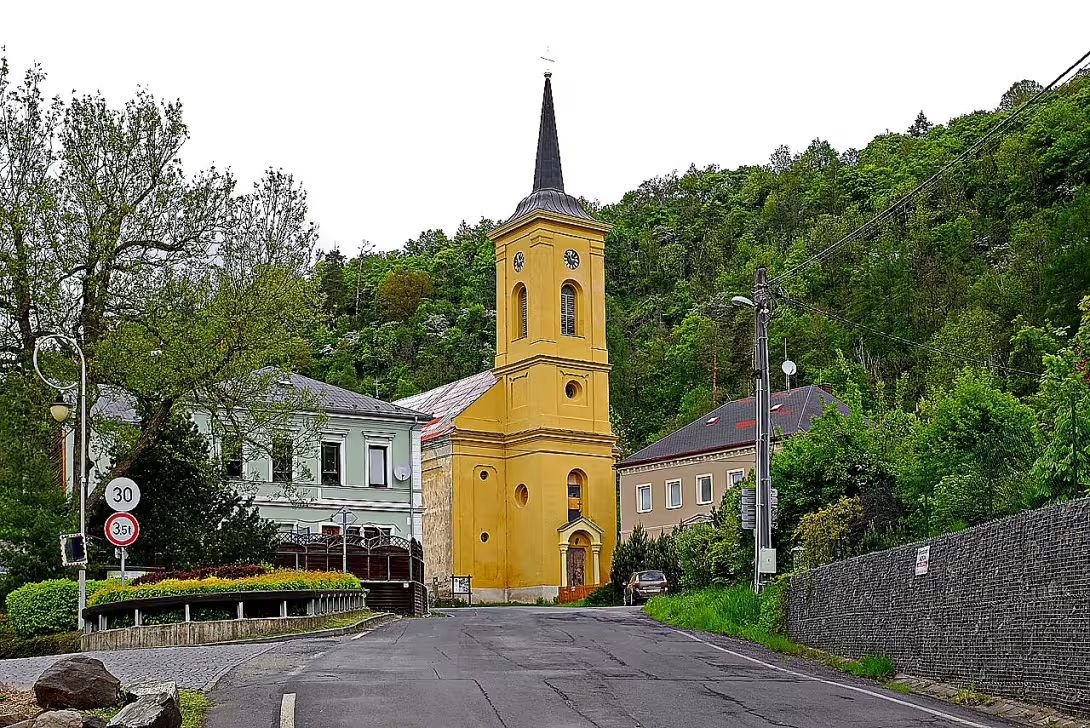
The Church of Saint Wenceslas in Radošov is a Roman Catholic filial church located within an island parish in the Karlovy Vary District. Constructed in the late Baroque style, it has been recognized as a cultural monument of the Czech Republic since 2011. Its historical significance dates back to its first documented mention in 1352 and includes architectural transformations reflecting broader European trends during the Habsburg Monarchy era.
The earliest recorded history of the Church of Saint Wenceslas dates to 1352, marking it as a longstanding religious site within the region. By around 1768, due to deterioration, the church underwent significant reconstruction in the late Baroque style, aligning with architectural trends prevalent across Bohemia during this period under the Habsburg Monarchy. This era witnessed considerable cultural and architectural developments that influenced the church's redesign.
Architecturally, the Church of Saint Wenceslas features an oblong nave leading to a rectilinear presbytery, adorned with Ionic pilasters. The interior boasts a flat wattle ceiling decorated with stucco panels, enhancing its aesthetic appeal. A notable addition in 1858 was the tower at the entrance façade, which replaced an earlier belfry above the presbytery. This architectural evolution highlights the church's adaptation over centuries.
Ownership and administration of the church have seen significant changes, particularly around 2008 when it was transferred to the civic association Radošovský most due to further deterioration. Despite this transfer, the church remains a vital cultural landmark within the community.
Today, the Church of Saint Wenceslas stands as a testament to its rich history and architectural evolution. Visitors can appreciate its late Baroque style, historical significance, and preserved artistic elements. The church's recognition as a cultural monument underscores its importance, making it a worthwhile destination for those interested in exploring Czech heritage.
The Church of Saint Wenceslas offers more than just a glimpse into the past; it invites visitors to connect with the cultural and historical narratives embedded within its walls. Its enduring presence serves as a reminder of the region's architectural legacy and religious history, encouraging exploration and appreciation from all who visit.
Then and now
Drag the slider to compare how the landmark may have looked when it was built with the view today.
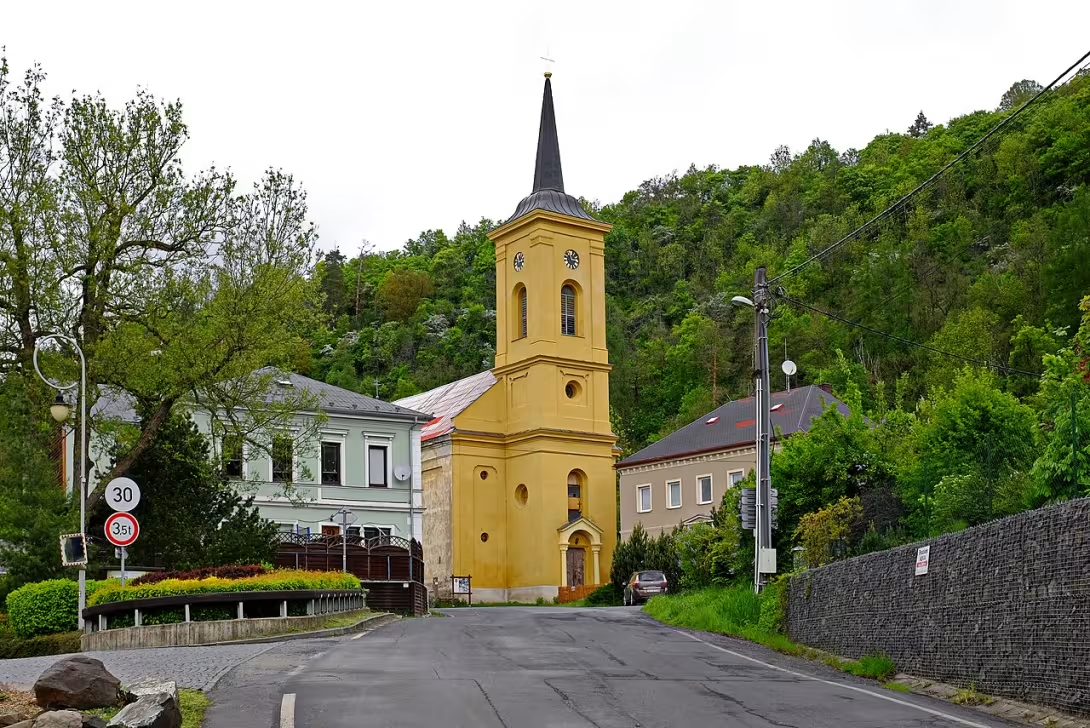

The historical appearance on the left is an AI-generated visualisation and serves as inspiration only.
Historical milestones
- 1352
- First written mention of the church.
- 1768
- Rebuilding in late Baroque style due to deterioration.
- 1858
- Addition of a tower to the entrance façade.
- 2008
- Transfer of ownership to Radošovský most civic association.
Architectural development
The church underwent significant architectural changes over time. Initially mentioned in 1352, it was rebuilt in a late Baroque style around 1768 due to its dilapidated condition. A tower was added to the entrance façade in 1858, replacing an earlier belfry above the presbytery. The interior features include Jónic pilasters and a flat wattle ceiling with stucco decorations.
Historical events
The first written record of the church dates back to 1352.
In around 1768, the deteriorating church was rebuilt in late Baroque style.
A tower was added to the entrance façade in 1858.
Around 2008, due to deterioration, the Roman Catholic Church transferred ownership to the civic association Radošovský most.
Points of interest
- The Church of Saint Wenceslas is part of an island parish, a unique ecclesiastical arrangement where the church serves multiple surrounding communities that are geographically isolated from each other.
- In 1858, the original belfry above the presbytery was replaced by a tower at the entrance façade. This change reflects broader trends in architectural adaptation during the mid-19th century, emphasizing both structural stability and aesthetic enhancement.
- The church's late Baroque style is characterized by its use of Ionic pilasters, which were popular in Bohemia during the Habsburg Monarchy era. These elements demonstrate how regional architecture was influenced by wider European artistic movements.
- In 2008, due to significant deterioration, the church was transferred to the civic association Radošovský most. This transfer highlights a community-driven effort to preserve cultural heritage and ensure the church's continued maintenance.
- Despite its recognition as a cultural monument since 2011, the Church of Saint Wenceslas continues to undergo preservation efforts. These ongoing initiatives underscore the challenges faced in maintaining historical structures while adapting them for modern use.
Guide
This guide is narrated by a synthetic voice generated by artificial intelligence.
Show guide text
This text was created by artificial intelligence and has not been editorially reviewed. It may contain inaccuracies.
The Church of Saint Wenceslas in Radošov is a Roman Catholic subsidiary church. It belongs to the Ostrov parish in the Karlovy Vary district. Since 2011 it has been protected as a cultural monument.
The first written mention of the Radošov church dates from 1352. Around 1768 it was already dilapidated, which is why it was reconstructed in late Baroque style. However, the tower in the front facade was only added in 1858. It replaced a small bell cote that had previously stood above the presbytery, that is above the space of the main altar. In the nineteen seventies the church was repaired, yet it began to deteriorate again. Around 2008 the Roman Catholic Church transferred it in damaged condition to the civic association Radošovský most.
It is a single-nave church with a rectangular ground plan. A presbytery adjoins the nave, which is closed on the outside with three sides, but inside it is rectangular. A sacristy is attached to its southwestern side. The facades are divided by recessed frames in plaster. Individual storeys of the tower are emphasized by profiled cornices and decorated with pilasters and lesene frames. A circular window illuminates the first storey of the tower. In the bell storey all windows are semicircular and have wooden blinds.
The nave has a flat reed ceiling with stucco mirror featuring architectural and ornamental decoration. The walls are divided by Ionic pilasters. Above the entrance section is a gallery, that is a musicians' loft, with a barrel vault in the centre. The presbytery is vaulted with a flat vault supported by half-pillars in the corners.
The church furnishings date from the first half of the eighteenth century and were restored in the nineteenth century. The main place belongs to a portal altar with a statue of Saint Wenceslas. It is complemented by side altars of Saint Joseph and the Virgin Mary with modern paintings. On the gallery stand an organ by Martin Zause from 1902.
Tips for visitors
The best time to visit the Church of Saint Wenceslas in Radošov is during late spring or early autumn when the weather is mild, allowing for a comfortable exploration of both the church and its surroundings. These seasons offer pleasant temperatures and fewer crowds, making it ideal for appreciating the architectural details of this late Baroque structure. Additionally, visiting during these times allows you to enjoy the natural beauty of the Karlovy Vary District without the extreme heat or cold that can occur in summer and winter, respectively.
For those preferring public transport, local buses may serve the area, but specific line numbers should be verified through a transit search tool.
When visiting the Church of Saint Wenceslas, it's recommended to bring comfortable walking shoes as you may wish to explore the surrounding area or walk within the church premises. A camera is also advisable for capturing the architectural beauty and serene atmosphere of this historic site. Additionally, consider bringing a light jacket or sweater, as indoor temperatures can be cooler, especially during off-peak seasons.
Photography enthusiasts will find several spots around the Church of Saint Wenceslas ideal for capturing its late Baroque architecture. The best natural lighting occurs in the early morning or late afternoon when the sun casts soft shadows that accentuate the church's details. Inside, be mindful of flash photography as it may not be permitted. For families with children, the visit can be both educational and enjoyable; ensure to engage them with stories about the church’s history and significance in the Roman Catholic faith.
Nearby attractions within a 30-minute drive include other historical sites and natural landscapes that offer a glimpse into the region's rich cultural heritage and scenic beauty. While specific names are not mentioned here, exploring local tourism websites or guides can provide additional information on places of interest close to Radošov, ensuring a well-rounded visit to the Karlovy Vary District.
Frequently asked questions
Can the monument be visited?
Religious buildings are usually open mainly during services; at other times a visit is normally arranged with the parish or the operator. We have not verified specific times.
Where is the monument?
Location: Radošov č.p. 6, Kyselka, Karlovarský kraj. The map on this page shows the exact spot.
Why is the monument protected?
It is listed in the Central List of Cultural Monuments of the Czech Republic as a cultural monument (register no. 104274).
Businesses nearby
Do you run a restaurant, accommodation, shop, museum, rental, wellness or other visitor service near this monument? Show yourself directly to the people heading to it — this is how they will see you in the app and on the web:
Accommodation nearby
Trips and activities nearby
Guided tours, tickets and activities nearby from GetYourGuide
Affiliate link: if you buy from the partner, we may receive a commission. The price for you does not change.
Search tours and activities →Themed route
Tematická výletní trasa: Kostel svatého Václava (Radošov)
1. Kostel svatého Václava (Radošov) - Hlavní cíl
Typ: Religiózní památka
Proč stojí za návštěvu: Tento barokní kostel, postavený v druhé polovině 18. století, je nejen architektonickou perli obce Radošov, ale také důležitým kulturním a historickým centrem místní komunity. Jeho bohatá interiérní výzdoba a působivé fresky přitahují návštěvníky z celého regionu.
2. Kaple svaté Anny (Radošov)
Typ: Kaple
Proč stojí za návštěvu: Tato kaple, nacházející se v blízkosti kostela svatého Václava, je známá svou klidnou atmosférou a historickým významem. Je to místo pro meditaci a odpočinek, kde můžete užít poklidné okolí a krásu venkovského prostředí.
3. Památník válečných padlých (Radošov)
Typ: Památník
Proč stojí za návštěvu: Tento památník je významným místem pro vzpomínku na oběti válek. Je to místo, kde se můžete zastavit a reflektovat nad historií regionu a důležitostí míru. Jeho umístění v blízkosti kostela svatého Václava dodává jeho působení hloubku.
4. Náves Radošov
Typ: Místní centrum
Proč stojí za návštěvu: Náves v Radošově je srdcem místního života a nabízí příležitost prozkoumat tradiční české venkovské prostředí. Zde najdete malé obchody, restaurace a možnost se setkat s místními obyvateli, což vám umožní získat hlubší vhled do života ve vesnici.
Tato trasa nabízí návštěvníkům komplexní pohled na kulturní a historické aspekty obce Radošov, přičemž každý bod přináší jedinečné zkušenosti spojené s místními tradicemi a dědictvím.
Seasonal recommendations
Spring: The arrival of spring at the Church of Saint Wenceslas in Radošov brings a refreshing transformation to the landscape surrounding this historical site. As nature awakens, vibrant wildflowers begin to dot the meadows with color, creating a picturesque backdrop for visitors exploring the church's architecture and serene atmosphere. This season often sees an increase in local wildlife activity, adding another layer of charm to your visit. It's advisable to wear layers as temperatures can vary; mornings may be cool while afternoons warm up pleasantly. Weekdays are generally less crowded than weekends, offering a more tranquil experience.
Summer: Summer is the peak season for visiting the Church of Saint Wenceslas in Radošov, with long days and abundant sunshine enhancing the beauty of this historic site. The lush greenery surrounding the church provides an ideal setting for picnics or leisurely strolls after exploring its interiors. As temperatures rise, it's important to wear comfortable clothing and bring sunscreen, a hat, and plenty of water to stay hydrated. Arriving early in the morning can help you avoid larger crowds that tend to gather during midday hours.
Autumn: Autumn offers a stunning display of colors as the foliage around the Church of Saint Wenceslas turns into rich shades of red, orange, and gold. This picturesque setting creates a magical atmosphere perfect for photography enthusiasts and those seeking a peaceful retreat. The weather is generally mild, but it can be unpredictable, so layering your clothing is recommended to adjust to temperature changes throughout the day. As summer crowds dwindle, autumn provides a quieter time to appreciate the church's architecture without the hustle and bustle.
Winter: Winter transforms the Church of Saint Wenceslas in Radošov into a serene and enchanting destination, especially during the Advent season when festive lights often adorn the area. The snow-covered landscape adds a touch of magic, making it an ideal time for those who enjoy winter activities like walking or photography in a snowy setting. Visitors should dress warmly in layers, including hats, gloves, and insulated footwear, as temperatures can be quite cold.
Visualizations and artistic views


The visualisations are generated by artificial intelligence and serve as inspiration.
Photos from the area
Real photos taken near the monument


Zdroj a licence jsou uvedeny u každého snímku.
Tips from visitors
No tips yet. Be the first!
Log in and add your tip.
Sources and literature
Photos: Lubor Ferenc / CC BY-SA 4.0 — Wikimedia Commons. The author and licence also appear when you hover over the image.
Faktickým podkladem tohoto textu byl článek na Wikipedii, jehož autory jsou přispěvatelé Wikipedie. Článek je dostupný pod licencí CC BY-SA 4.0.
Location on the map
More monuments – Radošov
Show all in the municipality
Příběhy a pověsti
Legendy, pověsti a příběhy spjaté s touto památkou

Fotografie návštěvníků
Zatím žádné fotografie. Buďte první, kdo přidá fotografii z návštěvy!
Log in a přidejte svou fotografii nebo hodnoťte.
Za ověřenou návštěvu v aplikaci získáte víc bodů — poznáme podle GPS, že jste na místě.
Reviews and comments