



Kostel svatého Václava ve Strakonicích Church
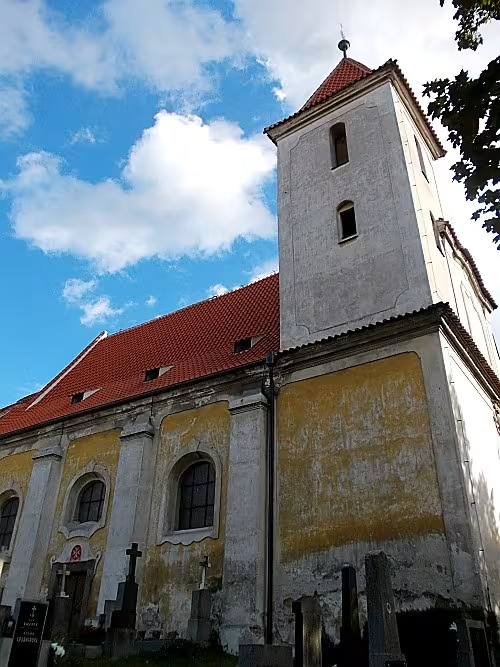
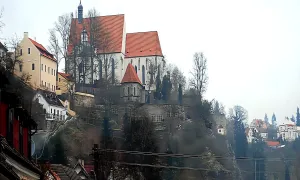
The Church of Saint Wenceslas in Strakonice is a cultural monument in the Czech Republic, known for its historical significance and architectural evolution from Gothic to Renaissance and Baroque styles. Located in Strakonice II within the Jihočeský kraj region, this church stands out for its rich history and artistic contributions to local culture. First documented in 1318, it has been protected as a cultural monument since May 3, 1958.
The Church of Saint Wenceslas began as part of Lom village, one of four villages that formed Strakonice city in 1367. Its earliest mention dates back to 1318, marking its importance during Bohemia's time under the Holy Roman Empire. Initially a parish church for Lom, it later served as a cemetery chapel, reflecting its evolving community role.
Architecturally, the Church of Saint Wenceslas showcases a blend of styles. Originally Gothic, it underwent significant transformations during the Renaissance and was further modified in the Baroque era between 1720 and 1730. The main altar, from the late 18th century, features an artwork by local artist A. Celerin depicting the assassination of Saint Wenceslas. This piece highlights regional artistic talent. Additionally, the church houses several mid-17th-century side altars with sculptural decorations.
The complex includes other notable structures such as the Chapel of the Holy Trinity and the Chapel of Saint Adalbert. The former was constructed in 1680 by Martin Mayer, a postmaster from Strakonice. The latter, dating back to the 17th century, serves as a burial site for members of the Order of Malta, including František Xaver II. Krakowský z Kolowrat and Rudolf Jan Meraviglia-Crivelli. In 2012, original frescoes were discovered in this chapel, adding another layer to its historical narrative.
Today, the Church of Saint Wenceslas remains a protected cultural monument, with its entire area—including chapels and mausoleum—under preservation. Visitors can explore not only the church but also these additional structures that contribute to its historical richness. The site offers insights into various architectural styles and periods, making it valuable for those interested in history and art.
The Church of Saint Wenceslas stands as a testament to Strakonice's cultural and architectural heritage. Its preservation allows visitors to appreciate the intricate blend of Gothic, Renaissance, and Baroque elements that define its structure. For anyone interested in historical architecture or Czech culture, this monument offers a unique glimpse into the past and is certainly worth visiting.
Then and now
Drag the slider to compare how the landmark may have looked when it was built with the view today.
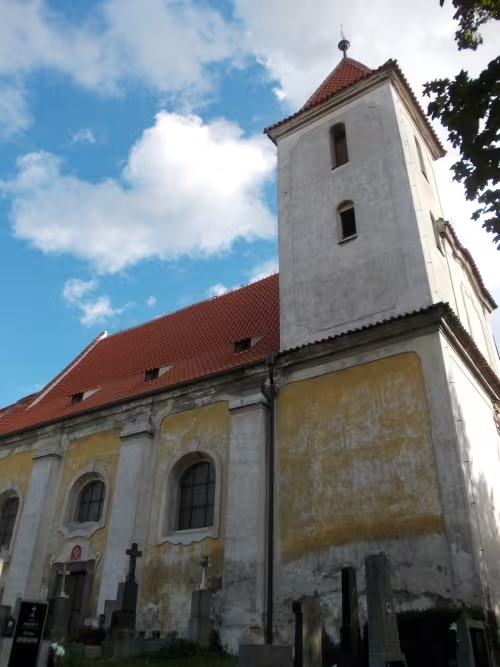

The historical appearance on the left is an AI-generated visualisation and serves as inspiration only.
Historical milestones
- 1318
- First mention of the Church of Saint Wenceslas.
- 1367
- Lom became one of the four villages that formed the town of Strakonice.
- 1680
- Erection of the Chapel of the Most Holy Trinity by Martin Mayer.
- 1720
- Begins of Baroque renovations to the church.
- 1730
- Completion of Baroque renovations to the church.
- 1958
- Protection as a cultural monument from May 3rd.
Architectural development
Initially constructed in the Gothic style, the Church of Saint Wenceslas was later modified during the Renaissance. In the Baroque period between 1720 and 1730, it underwent further architectural changes. The church features a main altar from the late 18th century and side altars dating back to the mid-17th century.
Historical events
- 1318
- First documented mention of the Church of Saint Wenceslas.
- 1958
- The church and its surrounding area were declared a cultural monument on May 3rd.
Points of interest
- The Church of Saint Wenceslas was initially part of the village of Lom, which later merged into Strakonice city in 1367. This highlights its early importance within a smaller community before becoming part of a larger urban area.
- Local artist A. Celerin created the main altar's artwork depicting the assassination of Saint Wenceslas. This piece not only adds artistic value but also emphasizes the church’s connection to regional talent and historical narratives.
- The Chapel of Saint Adalbert serves as a burial site for members of the Order of Malta, including notable figures like František Xaver II. Krakowský z Kolowrat and Rudolf Jan Meraviglia-Crivelli, linking it to European chivalric history.
- In 2012, original frescoes were discovered in the Chapel of Saint Adalbert, adding a new layer to its historical narrative and showcasing previously unseen artistic elements from its past.
- The church's architectural journey from Gothic through Renaissance to Baroque styles reflects broader cultural shifts over time, making it an exemplary site for studying these transitions within European religious architecture.
Guide
This guide is narrated by a synthetic voice generated by artificial intelligence.
Show guide text
This text was created by artificial intelligence and has not been editorially reviewed. It may contain inaccuracies.
Welcome to the historic Church of Saint Wenceslas in Strakonice—a cultural gem nestled in the heart of the Czech Republic. As you stand before this remarkable structure, take a moment to appreciate its grandeur and the layers of history etched into every stone.
The origins of this church date back to 1318 when it was first mentioned as part of the village of Lom. Over time, Lom merged with Strakonice in 1367, marking the beginning of the church's integration into a larger urban setting. Originally constructed in the Gothic style, the church underwent significant transformations during the Renaissance and Baroque periods in the early 18th century. This evolution reflects not only changes in architectural trends but also the shifting cultural landscape of the region.
As you explore the church, notice its intricate details that speak to these historical transitions. The main altar is a masterpiece crafted by local artist A. Celerin, depicting the poignant assassination of Saint Wenceslas—a narrative central to both religious and regional identity. The artwork invites contemplation on themes of martyrdom and sanctity.
The transformation into Baroque style began around 1720, culminating in 1730 with completed renovations that introduced a new level of artistic expression and architectural sophistication. These changes were overseen by notable figures such as František Xaver II. Krakowský z Kolowrat and Rudolf Jan Meraviglia-Crivelli, whose contributions have left an indelible mark on this sacred space.
A fascinating aspect of the church is its connection to local history through these transformations and artistic endeavors. The addition of the Chapel of the Most Holy Trinity in 1680 by Martin Mayer further enriches its historical tapestry, offering a glimpse into the spiritual life of past communities.
As you continue your visit, immerse yourself in the atmosphere that has been preserved over centuries. Feel the weight of history and the stories embedded within these walls. This church was recognized as a cultural monument on May 3, 1958, ensuring its preservation for future generations to appreciate and explore.
We invite you to delve deeper into this architectural marvel, discovering more about its past and the people who have shaped it. Thank you for joining us on this journey through history at the Church of Saint Wenceslas in Strakonice.
Tips for visitors
The best time to visit the Church of Saint Wenceslas in Strakonicice is during late spring or early autumn when the weather is pleasant, allowing for comfortable exploration inside and outside the church. The natural light during these seasons enhances the architectural details and interior artwork, making it an ideal period for photography enthusiasts. Additionally, visiting on weekdays can help avoid larger crowds, providing a more intimate experience of this historical site.
Public transport options are accessible for those preferring not to drive; however, it's advisable to check current routes and schedules online before your visit. Bicycles can also be a convenient mode of transportation within the town.
When visiting the Church of Saint Wenceslas, consider bringing comfortable walking shoes as you may wish to explore the surrounding area or walk around the church premises. A camera is recommended for capturing the intricate details of the Gothic and Renaissance architecture. Additionally, carrying a light jacket or sweater can be beneficial, especially if you plan to stay until later in the day when temperatures might drop.
For photography enthusiasts, the best spots to capture the Church of Saint Wenceslas are from the front entrance where its grandeur is fully visible, and from the side angles that showcase its architectural details. Early morning or late afternoon light provides a soft glow that accentuates the textures of the stone work. Inside, natural lighting through stained glass windows offers unique opportunities for capturing vibrant interior shots.
Nearby Strakonice, within a 30-minute drive, are several attractions worth visiting. The Strakonice Castle and its park offer insights into the region's history and beautiful landscapes to explore. For families with children, the local zoo provides an entertaining day out with various animal exhibits. These nearby sites complement your visit to the Church of Saint Wenceslas by offering a broader experience of the cultural and natural beauty in the Jihočeský kraj.
Frequently asked questions
Can the monument be visited?
Religious buildings are usually open mainly during services; at other times a visit is normally arranged with the parish or the operator. We have not verified specific times.
Where is the monument?
Location: Strakonice II, Jihočeský kraj. The map on this page shows the exact spot.
Why is the monument protected?
It is listed in the Central List of Cultural Monuments of the Czech Republic as a cultural monument (register no. 31471/3-3965).
Businesses nearby
Do you run a restaurant, accommodation, shop, museum, rental, wellness or other visitor service near this monument? Show yourself directly to the people heading to it — this is how they will see you in the app and on the web:
Accommodation nearby
Themed route
Tematická výletní trasa ve Strakonicích
1. Kostel svatého Václava
Typ: Kostel
Proč stojí za návštěvu: Tento barokní kostel, postavený na počest českého patrona Svatého Václava, je nejen architektonickou perli Strakonic, ale také centrem místní duchovní a kulturní aktivity. Jeho historie sahá do 14. století, kdy byl původně goticky postaven a později barokně rekonstruován.
2. Kostel svatého Bartoloměje
Typ: Kostel
Proč stojí za návštěvu: Tento kostel, nacházející se v blízkosti hlavního centra Strakonic, je známý svou historickou architekturou a krásnou interiérovou dekorací. Jeho gotické prvky jsou zvláště zajímavé pro milovníky starších stavebních stylů.
3. Náměstí Republiky
Typ: Náměstí
Proč stojí za návštěvu: Centrální náměstí Strakonic je ideálním místem pro relaxaci a prohlídku. Zde se nachází řada historických budov a památek, které odrážejí bohatou minulost města. Náměstí slouží také jako místo různých kulturních akcí.
4. Městské nádvoří
Typ: Nádvoří
Proč stojí za návštěvu: Toto historické nádvoří je součástí městských památek a poskytuje pohled na starobylou architekturu. Je to místo, kde se dá užít klidu v stínovém prostoru a prozkoumat detaily historických budov.
Tato trasa nabízí návštěvníkům možnost prozkoumat nejen hlavní památku, Kostel svatého Václava, ale i další významné místní zajímavosti. Každý bod trasy přináší jedinečný pohled na historii a kulturu Strakonic.
Seasonal recommendations
Spring: The arrival of spring at the Church of Saint Wenceslas in Strakonice brings a refreshing atmosphere as nature awakens around this historic site. The surrounding landscape is adorned with blooming flowers and lush greenery, creating picturesque views that enhance your visit. During this time, the church benefits from softer natural light, which beautifully illuminates its architectural details. Visitors can enjoy relatively mild weather, making it an ideal time for a leisurely exploration of both the church's interior and exterior surroundings. It's advisable to dress in layers as temperatures can vary throughout the day, and arriving early helps avoid larger crowds that gather during weekends.
Summer: Summer at the Church of Saint Wenceslas is characterized by vibrant energy and longer daylight hours, which allow for extended visiting times. The lush greenery surrounding the church provides a serene backdrop, perfect for capturing stunning photographs or simply enjoying the outdoors. This season often attracts more visitors due to its favorable weather conditions, so it's recommended to arrive early in the morning to experience the site with fewer people and better light for photography. Comfortable walking shoes and light clothing are advisable, along with staying hydrated as you explore.
Autumn: The autumn months offer a unique charm at the Church of Saint Wenceslas, with the surrounding landscape transforming into warm hues of red, orange, and gold. This season provides a magical atmosphere that complements the historic architecture, making it an ideal time for photography enthusiasts. As temperatures begin to cool, dressing in layers is advisable to stay comfortable during your visit. The church may experience fewer visitors compared to summer, offering a more tranquil experience.
Winter: Winter at the Church of Saint Wenceslas offers a serene and picturesque setting, with snow often blanketing the surrounding landscape, creating a fairy-tale-like ambiance. The historic architecture stands out against the white backdrop, making it a captivating sight during this season. However, visitors should be prepared for colder temperatures by dressing warmly in layers and wearing comfortable footwear suitable for potentially icy conditions. Arriving early can help ensure you have enough time to fully enjoy your visit before any closures.
Visualizations and artistic views


The visualisations are generated by artificial intelligence and serve as inspiration.
Photos from the area
Real photos taken near the monument


Zdroj a licence jsou uvedeny u každého snímku.
Tips from visitors
No tips yet. Be the first!
Log in and add your tip.
Sources and literature
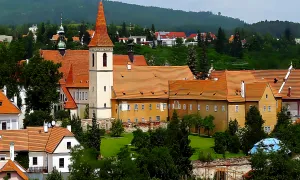
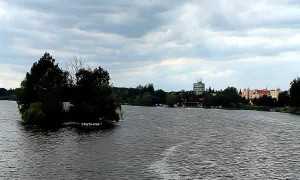
Photos: Lukáš Rozlílek / CC BY-SA 3.0 — Wikimedia Commons. The author and licence also appear when you hover over the image.
Faktickým podkladem tohoto textu byl článek na Wikipedii, jehož autory jsou přispěvatelé Wikipedie. Článek je dostupný pod licencí CC BY-SA 4.0.
Location on the map

Příběhy a pověsti
Legendy, pověsti a příběhy spjaté s touto památkou
Příběh: Kostel svatého Václava ve Strakonicích
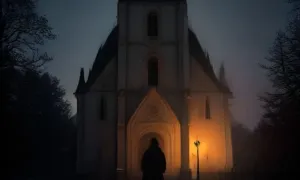
Bylo to v pondělí ráno, kdy Martin zjistil, že neustálé klepání na dveře kostela svatého Václava bylo přítomno již od poloviny noci. Konečný únavou ovlivněný…
Číst příběh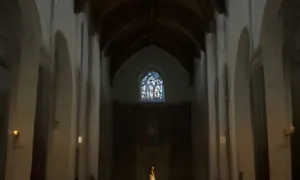
Pověst: Kostel svatého Václava ve Strakonicích
Podle místní pověsti, která se v okolí strakonického hřbitovního kostela šeptá již po staletí, není hlavní oltářní obraz dílem pouhé lidské ruky. Starousedlí…
Číst příběhFotografie návštěvníků
Zatím žádné fotografie. Buďte první, kdo přidá fotografii z návštěvy!
Log in a přidejte svou fotografii nebo hodnoťte.
Za ověřenou návštěvu v aplikaci získáte víc bodů — poznáme podle GPS, že jste na místě.
Reviews and comments