






Kostel svatého Václava (Výsluní) Church
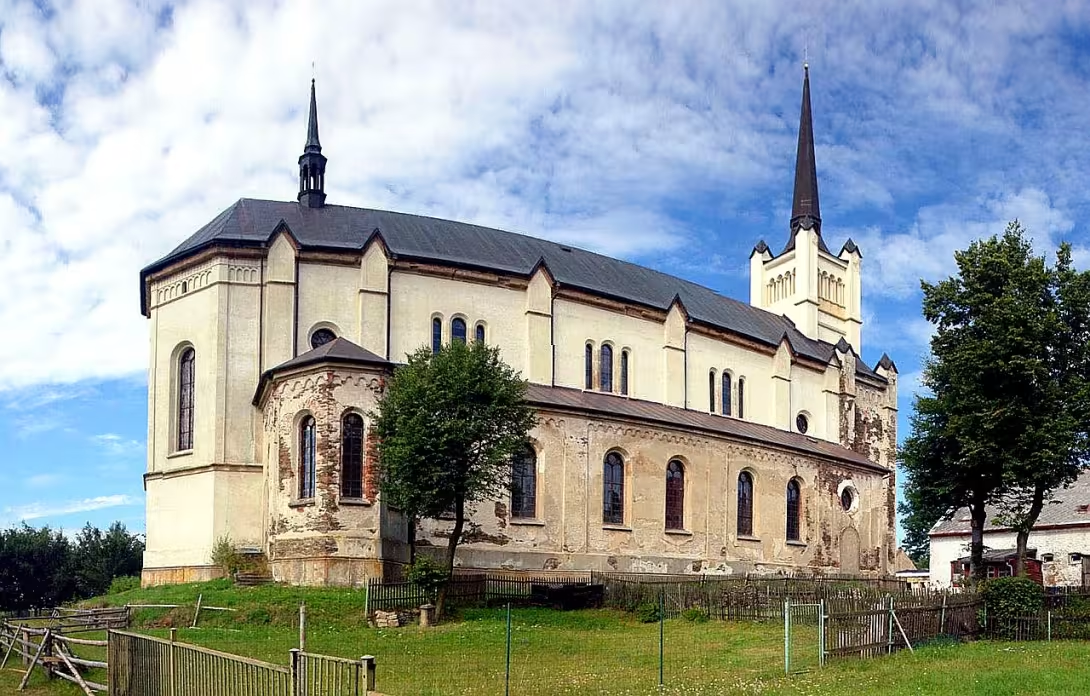
The Church of Saint Wenceslas in Výsluní is a monumental Roman Catholic church located 13 km west of Chomutov. Constructed between 1851 and 1857, it stands as an architectural testament to the historicism period in Bohemia, then part of the Austrian Empire. Designed by architect Karel Řivnáč with A. Wild from Prague overseeing its construction, the church's pseudoromanesque style has earned it recognition as a cultural monument since 1998. Its size and prominence have led to it being referred to as the 'cathedral of the Ore Mountains.' The church is notable for both its architectural significance and resilience through history, playing an active role in contemporary culture.
The Church of Saint Wenceslas replaced two earlier structures that served the community. The first, a wooden church, was erected in the mid-16th century but succumbed to flames during a Swedish invasion on March 27, 1640. A second church built between 1658 and 1659 also met its end by fire when lightning struck its tower in 1843. The current structure, completed in the mid-19th century, reflects the architectural trends of historicism prevalent at that time. Its pseudoromanesque style features five altars, showcasing the era's penchant for reviving and reinterpreting historical styles.
Ownership of the church has remained with the city of Výsluní since its construction. However, it faced significant challenges in the latter half of the 20th century. Following World War II, as German residents were relocated, the church began to deteriorate. By 1959, it had ceased hosting weddings and baptisms, leading to a period of neglect that saw much of its inventory stolen or destroyed. A fire in 1981 further damaged the structure, leaving it exposed to the elements. Despite plans for demolition due to financial constraints, efforts were made to preserve this cultural asset.
The church's fortunes changed with the establishment of the Foundation Church of Saint Wenceslas in 1997. This initiative marked the beginning of a comprehensive restoration project that included rebuilding roofs and restoring the tower. By 2021, the church had regained its role as a community hub, hosting weddings and various cultural events such as exhibitions on river navigation and border devastation, concerts, and theatrical performances. Additionally, it has become a site for pilgrimages during the Svatováclavské poutí.
The Church of Saint Wenceslas has also found a place in popular culture. It served as a filming location for several films and TV series, including 'Zapomenuté světlo' (Forgotten Light) in 1996, 'Lenya' in 2001, and more recently, the American series 'Kolo času' (Wheel of Time) in 2020. These productions have contributed to its fame beyond local borders. However, filming has not been without challenges; for instance, during the production of Rammstein's music video 'Feuer frei!' in 2002, damage occurred to the church's plaster and new flooring.
Today, the Church of Saint Wenceslas stands as a symbol of cultural resilience and historical continuity. Its restoration efforts have ensured that it remains an accessible site for visitors interested in architecture, history, or simply seeking a place of beauty and reflection. The church's integration into modern media further enhances its appeal, making it a must-visit destination for those exploring the scenic landscape of the Ore Mountains. Visitors are invited to experience this remarkable monument, which continues to serve as a testament to the enduring spirit of Výsluní and its community.
Then and now
Drag the slider to compare how the landmark may have looked when it was built with the view today.
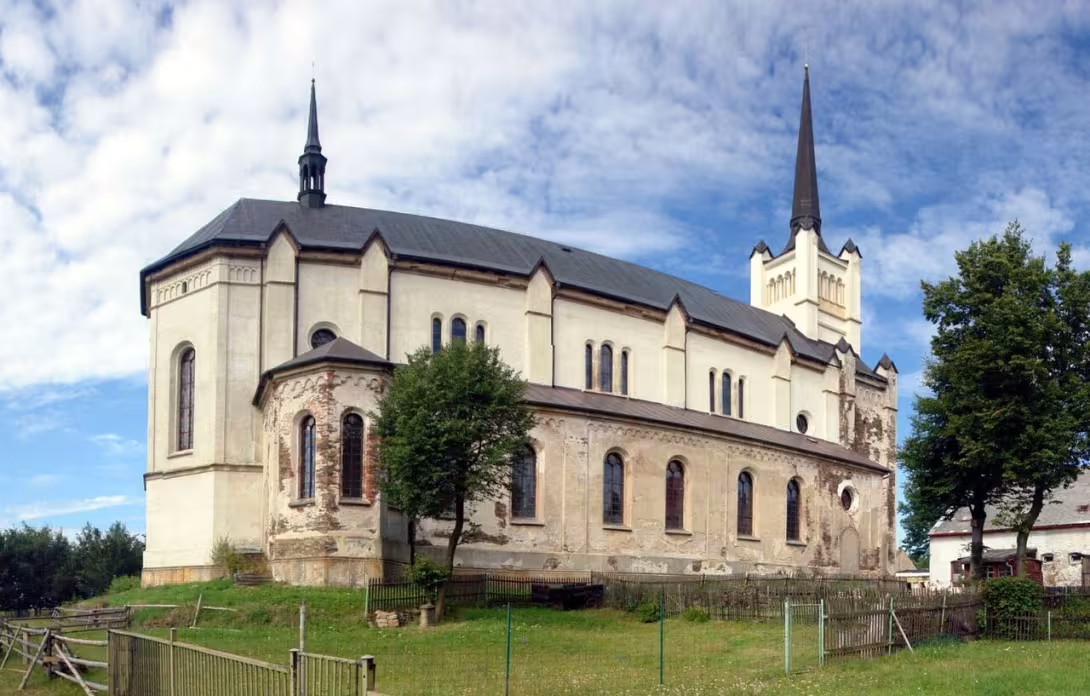
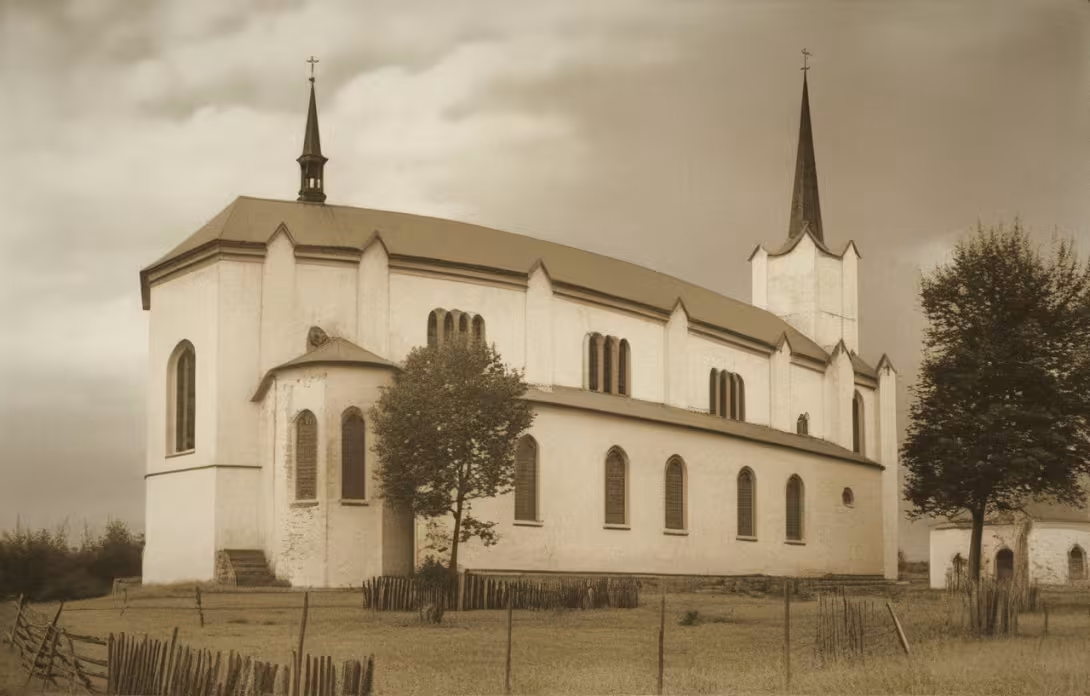
The historical appearance on the left is an AI-generated visualisation and serves as inspiration only.
Historical milestones
- 1851
- Construction of the current Church of Saint Wenceslas began.
- 1998
- The church was designated as a cultural monument.
Architectural development
The current church replaced two previous structures: an original wooden church from the mid-16th century and a second one built between 1658 and 1659. The present pseudoromanesque structure was constructed in the mid-19th century, featuring five altars. After neglect post-World War II, it underwent significant restoration starting in 1997.
Historical events
In 1843, a lightning strike caused a fire that destroyed the second church in Výsluní.
Reconstruction efforts began in 1997 with the establishment of the Foundation Church of Saint Wenceslas.
Owners
The city of Výsluní owns the church.
Points of interest
- The Church of Saint Wenceslas was built to replace two earlier structures; the first wooden church burned down during a Swedish invasion in 1640, and its successor also succumbed to fire when lightning struck its tower in 1843.
- Despite being recognized as a cultural monument since 1998, the church faced significant neglect after World War II, with much of its inventory stolen or destroyed by 1959, leading to plans for demolition due to financial constraints.
- The church played an unexpected role in popular culture, serving as a filming location for several films and TV series, including 'Zapomenuté světlo' (Forgotten Light) in 1996, 'Lenya' in 2001, and the American series 'Kolo času' (Wheel of Time) in 2020.
- A unique challenge arose during the filming of Rammstein's music video 'Feuer frei!' in 2002 when damage occurred to the church’s plaster and new flooring, highlighting the delicate balance between cultural heritage preservation and modern use.
- The establishment of the Foundation Church of Saint Wenceslas in 1997 marked a turning point for the church, leading to comprehensive restoration efforts that transformed it into a vibrant community hub hosting weddings, cultural events, and pilgrimages during Svatováclavské poutí.
Guide
This guide is narrated by a synthetic voice generated by artificial intelligence.
Show guide text
This text was created by artificial intelligence and has not been editorially reviewed. It may contain inaccuracies.
Welcome to the Church of Saint Wenceslas in Výsluní, a truly remarkable Roman Catholic monument that stands proudly against the backdrop of this serene village. As you stand here, take a moment to absorb its grandeur and the sense of history it exudes. This church is not just an architectural marvel but also a testament to resilience and faith.
Constructed between 1851 and 1857, the Church of Saint Wenceslas was designed by architect Karel Řivnáč with A. Wild from Prague overseeing its construction. It replaced two earlier structures that were lost to fire—one during the Swedish invasion in 1640 and another when lightning struck its tower in 1843. This church stands as a symbol of renewal, built to honor Saint Wenceslas and serve the community's spiritual needs.
As you take in your surroundings, notice the pseudoromanesque architecture that defines this church's character. Its design is both grand and harmonious, with elements that draw the eye towards its impressive scale. The church has a commanding presence in Výsluní, often referred to as the 'cat' of the region due to its size and prominence.
Now, let’s delve into some intriguing stories connected to this place. Despite being recognized as a cultural monument since 1998, the Church of Saint Wenceslas carries with it tales of resilience. The two earlier churches that once stood here faced their demise through fire—first during wartime turmoil and later by natural forces. Yet, each time, the community rebuilt, reflecting an enduring spirit.
As you continue to explore this site, imagine the countless ceremonies and gatherings held within its walls over the years. Each stone has witnessed moments of joy, sorrow, and celebration, embedding a rich tapestry of human experience into its very fabric.
Before we conclude our visit, consider this: despite its age and history, the Church of Saint Wenceslas remains an active place of worship and community gathering. It is not just a relic of the past but a living part of the village's present-day life.
Thank you for joining me on this journey through time at the Church of Saint Wenceslas in Výsluní. I invite you to continue exploring its surroundings, perhaps wandering through the nearby landscapes or delving deeper into local history. As we say goodbye, carry with you the stories and spirit of this remarkable place.
Tips for visitors
The best time to visit the Church of Saint Wenceslas in Výsluní is during late spring or early autumn, when the weather is pleasant for exploring both the church and its scenic surroundings. These seasons offer comfortable temperatures and lush landscapes, enhancing your experience as you walk through the Ore Mountains. Additionally, visiting outside peak tourist season can provide a more tranquil atmosphere to appreciate the church's architecture and history.
Always verify the latest travel information through a reliable search engine or local transit websites to plan your journey effectively.
When visiting the Church of Saint Wenceslas, consider bringing comfortable walking shoes and weather-appropriate clothing, especially if you plan to explore the surrounding natural landscapes. A camera is recommended for capturing the stunning views and architectural details of the church. Since photography inside might be restricted or require permission, it’s best to check with the site staff upon arrival.
For families with children, Výsluní offers a delightful experience beyond the church itself. The scenic surroundings provide excellent opportunities for nature walks and outdoor activities suitable for all ages. Exploring nearby historical sites within a 30-minute radius can also be educational and entertaining for kids, making it an ideal family outing.
Nearby attractions worth visiting include other historical sites in the Ore Mountains area. These locations offer additional cultural insights and natural beauty, perfect for extending your exploration beyond the church. Whether you're interested in history or nature, these sites provide a rich experience within a short travel distance.
Frequently asked questions
Can the monument be visited?
Religious buildings are usually open mainly during services; at other times a visit is normally arranged with the parish or the operator. We have not verified specific times. According to the heritage register restoration is under way, so access may be restricted.
Where is the monument?
Location: č.p. 109, Výsluní, Ústecký kraj. The map on this page shows the exact spot.
Why is the monument protected?
It is listed in the Central List of Cultural Monuments of the Czech Republic as a cultural monument (register no. 49795/5-5842).
Businesses nearby
Do you run a restaurant, accommodation, shop, museum, rental, wellness or other visitor service near this monument? Show yourself directly to the people heading to it — this is how they will see you in the app and on the web:
Nearby
The church is located in Výsluní, surrounded by the scenic landscape of the Ore Mountains. The area offers natural beauty and historical sites within a 5 km radius.
Accommodation nearby
Themed route
Tematická Výletní Trasa: Kostel svatého Václava v Výsluni
1. Kostel svatého Václava (Výsluní) - Typ: Historická památka, náboženská stavba - Proč stojí za návštěvu: Tento barokní kostel je centrem místní komunity a nabízí pohled na bohatou historii obce Výsluní. Jeho architektura a interiér jsou přitažlivé pro milovníky dějin a umění, zatímco věž poskytuje impozantní výhledy na okolní krajiny.
2. Nádvoří Kostela svatého Václava - Typ: Historické nádvoří - Proč stojí za návštěvu: Nádvoří kostela je klidným místem, kde si můžete užít mírného odpočinku a prohlédnout se po oblasti. Je to ideální místo pro fotografii nebo prozkoumání historických detailů kostela zvenku.
3. Věž Kostela svatého Václava - Typ: Historická věž - Proč stojí za návštěvu: Výlet na vrchol věže nabízí jedinečnou perspektivu na obec a okolní krajiny. Je to skvělá příležitost pro ty, kteří chtějí užít si panoramatický pohled a zaznamenat vzpomínku na svou návštěvu.
4. Park v okolí Kostela svatého Václava - Typ: Místní park - Proč stojí za návštěvu: Park nabízí klidný prostor pro relaxaci a procházku po krásné přírodě. Je to ideální místo k odpočinku po prozkoumání kostela, s možností si užít zelené krajiny a tichého okolí.
Tato trasa nabízí komplexní pohled na historický a kulturní význam Kostela svatého Václava a jeho bezprostřední prostředí, což činí z ní ideální volbu pro ty, kteří chtějí poznat místní dědictví.
Seasonal recommendations
Spring: The arrival of spring brings a unique charm to the Church of Saint Wenceslas, with its renaissance architecture beautifully illuminated by the soft morning light and vibrant wildflowers blooming around Výsluní. This season offers an enchanting atmosphere as nature awakens, providing a serene backdrop for visitors exploring the church's ongoing reconstruction. Spring is generally less crowded compared to summer, making it ideal for those seeking a peaceful experience. Visitors are advised to wear comfortable layers that can be adjusted with the fluctuating temperatures and to bring along a light jacket for cooler mornings or evenings.
Summer: Summer in Výsluní is characterized by long days filled with warm sunshine, casting dramatic shadows across the church's intricate stonework during the late afternoon. The lush greenery surrounding the site enhances its picturesque setting, inviting visitors to enjoy outdoor activities nearby. This season sees a higher influx of tourists, particularly around midday when temperatures peak and the sun is at its brightest. To avoid crowds, it’s best to visit early in the morning or later in the evening. Dressing in light, breathable clothing is recommended, along with wearing sunscreen and staying hydrated.
Autumn: Autumn transforms Výsluní into a tapestry of warm hues as leaves change color around the Church of Saint Wenceslas. The cooler temperatures provide a comfortable environment for exploring the church grounds, while the soft autumnal lighting adds an ethereal quality to the site's historical features. This season is perfect for those who appreciate nature’s beauty without the summer crowds. Visitors should dress in layers to accommodate the variable weather and consider bringing a scarf or hat for added warmth during brisk afternoons.
Winter: The winter months envelop the Church of Saint Wenceslas in a quiet, almost mystical atmosphere as snow gently blankets Výsluní, enhancing its historic charm with a touch of magic. Shorter days mean that natural light is limited, so planning your visit to coincide with daylight hours is advisable. Winter can be less crowded, offering an intimate experience of the church's architecture and ongoing restoration efforts. Visitors should dress warmly in insulated clothing, wear waterproof boots for snowy paths, and check opening times as they may vary during this season due to weather conditions.
Visualizations and artistic views


The visualisations are generated by artificial intelligence and serve as inspiration.
Photos from the area
Real photos taken near the monument


Zdroj a licence jsou uvedeny u každého snímku.
Tips from visitors
No tips yet. Be the first!
Log in and add your tip.
Sources and literature
Photos: KarelTvrdik / CC BY-SA 3.0 — Wikimedia Commons. The author and licence also appear when you hover over the image.
Faktickým podkladem tohoto textu byl článek na Wikipedii, jehož autory jsou přispěvatelé Wikipedie. Článek je dostupný pod licencí CC BY-SA 4.0.
Location on the map
More monuments – Výsluní
Show all in the municipality
Příběhy a pověsti
Legendy, pověsti a příběhy spjaté s touto památkou
Příběh: Kostel svatého Václava (Výsluní)
Bylo to v pondělí ráno, kdy Martin zjistil, že jeho život se rozplynul do tmy. Všude kolem něho byly pouze stíny minulých chyb a nedokončené snahy, které ho …
Číst příběh
Pověst: Kostel svatého Václava (Výsluní)
Staří obyvatelé Výsluní vyprávějí, že kostel svatého Václava na návrší nad městem nebyl nikdy jen kamenem a maltou. Byl zápisem, do nějž se každé pokolení za…
Číst příběhFotografie návštěvníků
Zatím žádné fotografie. Buďte první, kdo přidá fotografii z návštěvy!
Log in a přidejte svou fotografii nebo hodnoťte.
Za ověřenou návštěvu v aplikaci získáte víc bodů — poznáme podle GPS, že jste na místě.
Reviews and comments