






Kostel svatého Vavřince (Dlouhý Most) Church
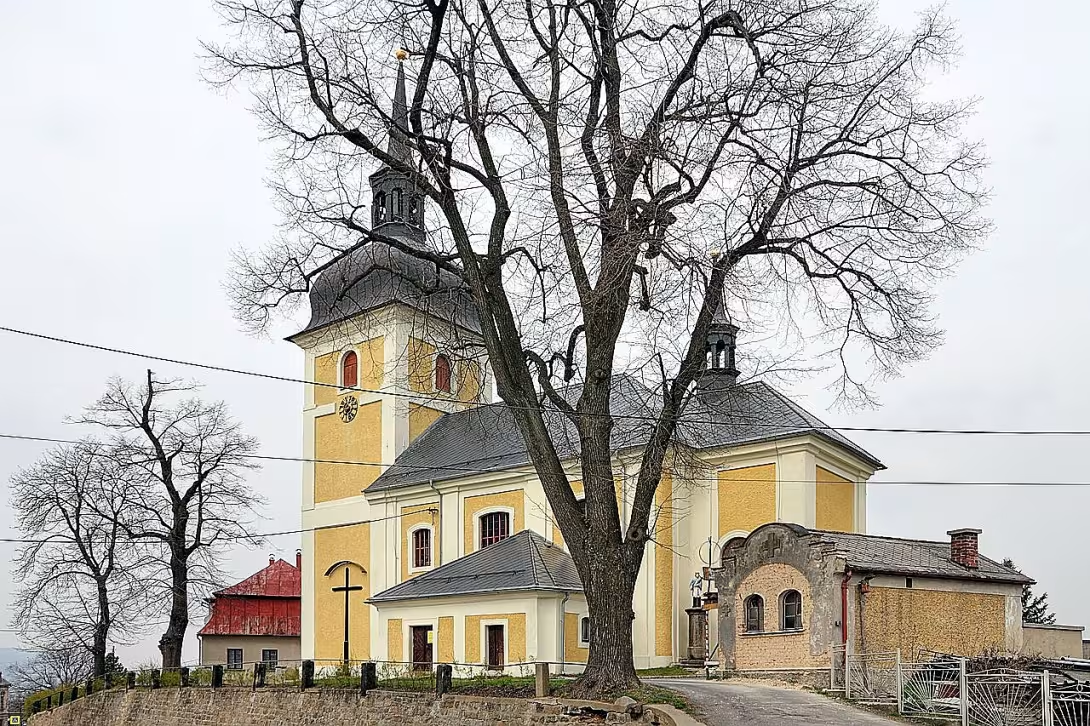
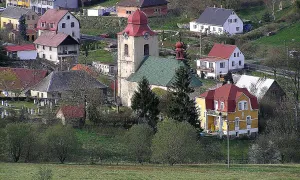
The Church of Saint Lawrence in Dlouhý Most is a notable Baroque sacred building from the Counter-Reformation period. It stands prominently at an elevated edge of the village near its cemetery. Originally replacing a wooden Protestant church, this structure has been protected as a cultural monument of the Czech Republic since it was built during a time when Bohemia experienced significant religious tensions under Habsburg rule. The church's construction began in 1696 and concluded by 1702, with its solemn consecration occurring on April 23, 1699. Its significance lies not only in its architectural style but also as a symbol of Catholic reassertion during the Counter-Reformation.
Constructed during the late 17th century under Habsburg rule, the Church of Saint Lawrence reflects the religious tensions between Catholicism and Protestantism. The Counter-Reformation aimed to reinforce Catholic dominance, influencing projects like this church. Built on the site of a former wooden Protestant church, it mirrors the broader historical context of religious transformation during that era.
Architecturally, the Church features a longitudinal structure with a southern porch and a rectangular presbytery adorned with pilasters. A significant feature is its robust western tower, added in 1711, which underwent modifications in 1792 and 1862. The nave has a flat ceiling, while the chancel boasts a cross vault. Additionally, the stone-built, two-story belfry adds to the church's imposing presence.
The interior showcases artistic elements from the late Baroque period. Its main altar, created in 1818 by Liberec sculptor Ginzel, exemplifies this style. The altarpiece depicting Saint Lawrence was painted by Jakob Ginzel. Other notable features include a side altar dedicated to Saint John of Nepomuk and an Our Lady's altar with an image by A. Löffler from 1882. Additionally, the church houses a Gothic stone baptismal font dating back to around 1500, along with copies of paintings from old masters created between 1833 and 1834 by J. Ginzel.
Today, the Church remains accessible to visitors who wish to explore its historical and architectural significance. Opposite the church stands a single-story late Baroque parish house from 1787, adding to the site's cultural heritage. Near the chancel is a cast iron statue of Saint John of Nepomuk on a stone pedestal, further enriching the surroundings.
Visiting the Church of Saint Lawrence offers an opportunity to appreciate its architectural beauty and historical significance within Bohemia's religious history. Its preservation as a cultural monument underscores its importance, making it a worthwhile destination for those interested in exploring Czech heritage.
Then and now
Drag the slider to compare how the landmark may have looked when it was built with the view today.
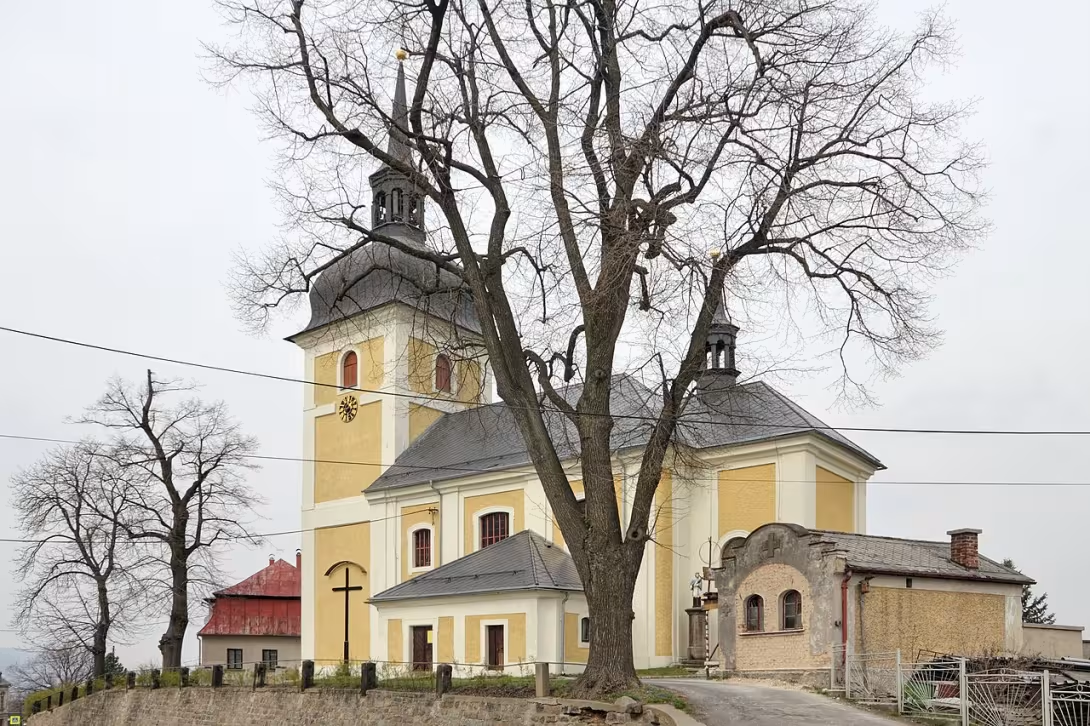
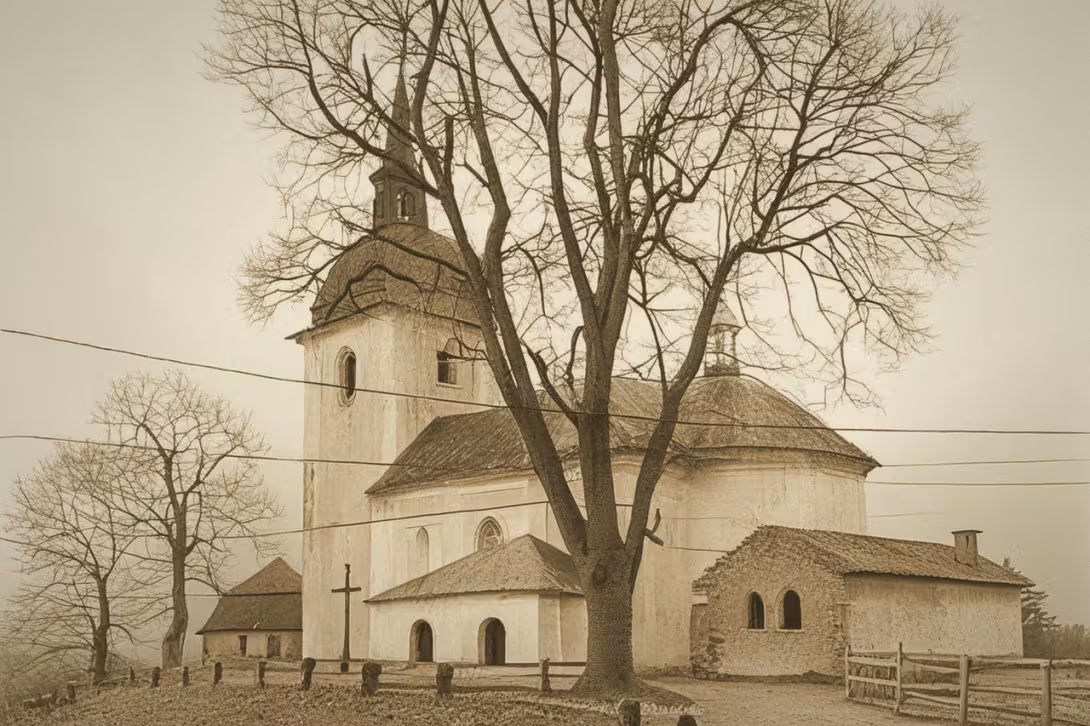
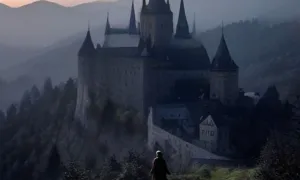
The historical appearance on the left is an AI-generated visualisation and serves as inspiration only.
Historical milestones
- 1696
- Začátek stavby kostela svatého Vavřince.
- 1699
- Svěcení kostela svatého Vavřince.
- 1702
- Dokončení stavby kostela svatého Vavřince.
- 1711
- Přidání robustní západní věže k kostelu.
- 1792
- Úpravy západní věže kostela svatého Vavřince.
- 1862
- Další úpravy západní věže kostela svatého Vavřince.
Architectural development
The church is a longitudinal structure with a southern porch and a rectangular presbytery. It features a robust western tower added in 1711, which underwent modifications in 1792 and 1862. The nave has a flat ceiling while the chancel boasts a cross vault. The belfry is stone-built and two-story.
Historical events
Construction began in 1696, completed by 1702, and the church was solemnly consecrated on April 23, 1699.
A significant tower was added to the church in 1711.
Points of interest
- The Church of Saint Lawrence was built on the site of a former wooden Protestant church, symbolizing the shift in religious power from Protestantism to Catholicism during the Counter-Reformation.
- A unique feature of the church is its stone-built, two-story belfry, which adds to its architectural prominence and reflects the Baroque style's emphasis on grandeur and verticality.
- The main altar, created by Liberec sculptor Ginzel in 1818, showcases late Baroque artistry, while the altarpiece depicting Saint Lawrence was painted by his son, Jakob Ginzel, highlighting a family legacy in church art.
- Opposite the church stands a single-story late Baroque parish house from 1787, which complements the church's architectural style and adds to the cultural heritage of Dlouhý Most.
- Near the chancel is a cast iron statue of Saint John of Nepomuk on a stone pedestal, adding a layer of historical intrigue as Saint John was famously associated with themes of secrecy and martyrdom.
Guide
This guide is narrated by a synthetic voice generated by artificial intelligence.
Show guide text
This text was created by artificial intelligence and has not been editorially reviewed. It may contain inaccuracies.
Welcome to the Church of Saint Lawrence in Dlouhý Most, a remarkable testament to Baroque architecture and a pivotal symbol from the Counter-Reformation period. As you stand here on this elevated edge of the village near its cemetery, take a moment to soak in the serene yet imposing presence of this sacred building. The church, with its rich history and architectural elegance, invites you into a journey through time.
The story of this church begins in 1696 when construction commenced, marking a significant shift from Protestantism to Catholicism during the Counter-Reformation. By 1699, it was consecrated, and by 1702, the building was completed. This timeline reflects not just architectural development but also a deeper religious transformation within the community.
As you look around, notice the church's architecture—a longitudinal nave that leads your gaze towards the southern porch and then to the rectangular presbytery adorned with pilasters. These elements are characteristic of Baroque design, emphasizing movement and grandeur. The two-story belfry stands as a unique feature, its stone construction adding both functionality and aesthetic appeal.
While specific architects remain unknown, the church's history is intertwined with broader historical narratives of religious shifts in the region. It replaced a former wooden Protestant church, embodying the Counter-Reformation's impact on local faith practices.
One intriguing aspect you might find captivating is how this structure symbolizes the transition from Protestantism to Catholicism—a narrative of change and continuity that resonates through its walls.
As we conclude our brief exploration, I invite you to continue your journey around Dlouhý Most. There are more stories waiting to be discovered in every corner of this historic village. Thank you for joining me on this auditory tour, and may your visit leave a lasting impression.
Frequently asked questions
Can the monument be visited?
Religious buildings are usually open mainly during services; at other times a visit is normally arranged with the parish or the operator. We have not verified specific times.
Where is the monument?
Location: Dlouhý Most, Liberecký kraj. The map on this page shows the exact spot.
Why is the monument protected?
It is listed in the Central List of Cultural Monuments of the Czech Republic as a cultural monument (register no. 18200/5-4216).
Businesses nearby
Do you run a restaurant, accommodation, shop, museum, rental, wellness or other visitor service near this monument? Show yourself directly to the people heading to it — this is how they will see you in the app and on the web:
Events nearby

Zdroj akcí: otevřená data měst a obcí ČR (Národní katalog otevřených dat) a kalendář akcí Národního památkového ústavu.
Nearby
Opposite the church stands a single-story late Baroque parish house from 1787, and near the chancel is a cast iron statue of Saint John of Nepomuk on a stone pedestal.
Accommodation nearby
Trips and activities nearby
Guided tours, tickets and activities nearby from GetYourGuide
Affiliate link: if you buy from the partner, we may receive a commission. The price for you does not change.
Search tours and activities →Themed route
Tematická Výletní Trasa: Kostel svatého Vavřince v Dlouhém Mostě
1. Kostel svatého Vavřince (Dlouhý Most) - Typ: Religiózní památka - Proč stojí za návštěvu: Tento barokní kostel je nejen duchovním centrem obce Dlouhý Most, ale také architektonickým zázrakem. Jeho bohaté historie a krásná interiérní výzdoba přitahují návštěvníky hledající klid a pohled na uměleckou kvalitu.
2. Parní dům (Dlouhý Most) - Typ: Historické obytné stavení - Proč stojí za návštěvu: Postavený v roce 1787, tento jednopatrový pozdně barokní parní dům představuje zajímavou stránku místní historie. Jeho architektura a umístění vedle kostela nabízejí nádherný pohled na minulost obce.
3. Socha svatého Jana Nepomuckého (Dlouhý Most) - Typ: Sochařská památka - Proč stojí za návštěvu: Umístěná u chóru kostela, tato železná socha svatého Jana Nepomuckého je symbolem místní víry a tradice. Její historický význam a umělecká hodnota činí z ní nezbytnou součást každého návštěvníka.
Tato trasa nabízí pohled na klíčové historické a kulturní prvky obce Dlouhý Most, zaměřené kolem kostela svatého Vavřince.
Thematic Tour Route: Church of Saint Lawrence in Dlouhý Most
1. Church of Saint Lawrence (Dlouhý Most) - Type: Religious Monument - Why visit: This Baroque church is not only the spiritual center of the community of Dlouhý Most but also an architectural marvel. Its rich history and beautiful interior decoration attract visitors seeking tranquility and a glimpse of artistic quality.
2. Parsonage (Dlouhý Most) - Type: Historic Residential Building - Why visit: Built in 1787, this single-story late Baroque parsonage represents an interesting chapter in local history. Its architecture and location next to the church offer a stunning view of the village's past.
3. Statue of Saint John of Nepomuk (Dlouhý Most) - Type: Sculptural Monument - Why visit: Located near the choir of the church, this iron statue of Saint John of Nepomuk symbolizes local faith and tradition. Its historical significance and artistic value make it an essential part of every visitor's experience.
This route offers a view of key historical and cultural elements of the community of Dlouhý Most, centered around the Church of Saint Lawrence.
Seasonal recommendations
Spring: Visiting the Church of Saint Lawrence in Dlouhý Most during spring offers a unique experience as nature begins to awaken, with blossoming flowers and fresh greenery enhancing the serene atmosphere around this historic site. The soft light filtering through budding trees creates a picturesque setting that complements the church's architectural beauty. As temperatures start to rise, visitors should dress in layers to accommodate fluctuating weather conditions. This is an ideal time for photography enthusiasts looking to capture the contrast between nature and history.
Summer: Summer brings vibrant life to the Church of Saint Lawrence with extended daylight hours allowing more time to explore its intricacies. The lush surroundings are at their peak, providing a refreshing backdrop to the church's historic charm. However, this is also the peak tourist season, so it’s advisable to arrive early in the morning to avoid crowds and fully appreciate the site without distractions. Comfortable walking shoes and light clothing are recommended due to warmer temperatures.
Autumn: Autumn transforms the Church of Saint Lawrence into a stunning canvas of warm colors as leaves change hues around Dlouhý Most. The crisp air and softer sunlight create an inviting atmosphere for visitors, making it a perfect time for leisurely exploration. While the weather can be unpredictable with occasional rain showers, packing a light waterproof jacket is wise. This season often sees fewer tourists, allowing for a more tranquil visit.
Winter: Winter cloaks the Church of Saint Lawrence in a serene blanket of snow, offering a magical and peaceful atmosphere that enhances its historical allure. The shorter days mean visiting hours are reduced, so planning your trip to maximize daylight is essential. It's crucial to dress warmly with thermal layers and sturdy boots for navigating potentially icy paths. Despite fewer visitors due to the cold, the church remains an enchanting destination during this quieter season.
Visualizations and artistic views


The visualisations are generated by artificial intelligence and serve as inspiration.
Photos from the area
Real photos taken near the monument

Zdroj a licence jsou uvedeny u každého snímku.
Tips from visitors
No tips yet. Be the first!
Log in and add your tip.
Sources and literature
Photos: Miloslav Rejha / CC BY-SA 3.0 — Wikimedia Commons. The author and licence also appear when you hover over the image.
Faktickým podkladem tohoto textu byl článek na Wikipedii, jehož autory jsou přispěvatelé Wikipedie. Článek je dostupný pod licencí CC BY-SA 4.0.
Location on the map
Příběhy a pověsti
Legendy, pověsti a příběhy spjaté s touto památkou
Fotografie návštěvníků
Zatím žádné fotografie. Buďte první, kdo přidá fotografii z návštěvy!
Log in a přidejte svou fotografii nebo hodnoťte.
Za ověřenou návštěvu v aplikaci získáte víc bodů — poznáme podle GPS, že jste na místě.
Reviews and comments