



Kostel svatého Vavřince (Havraň) Church
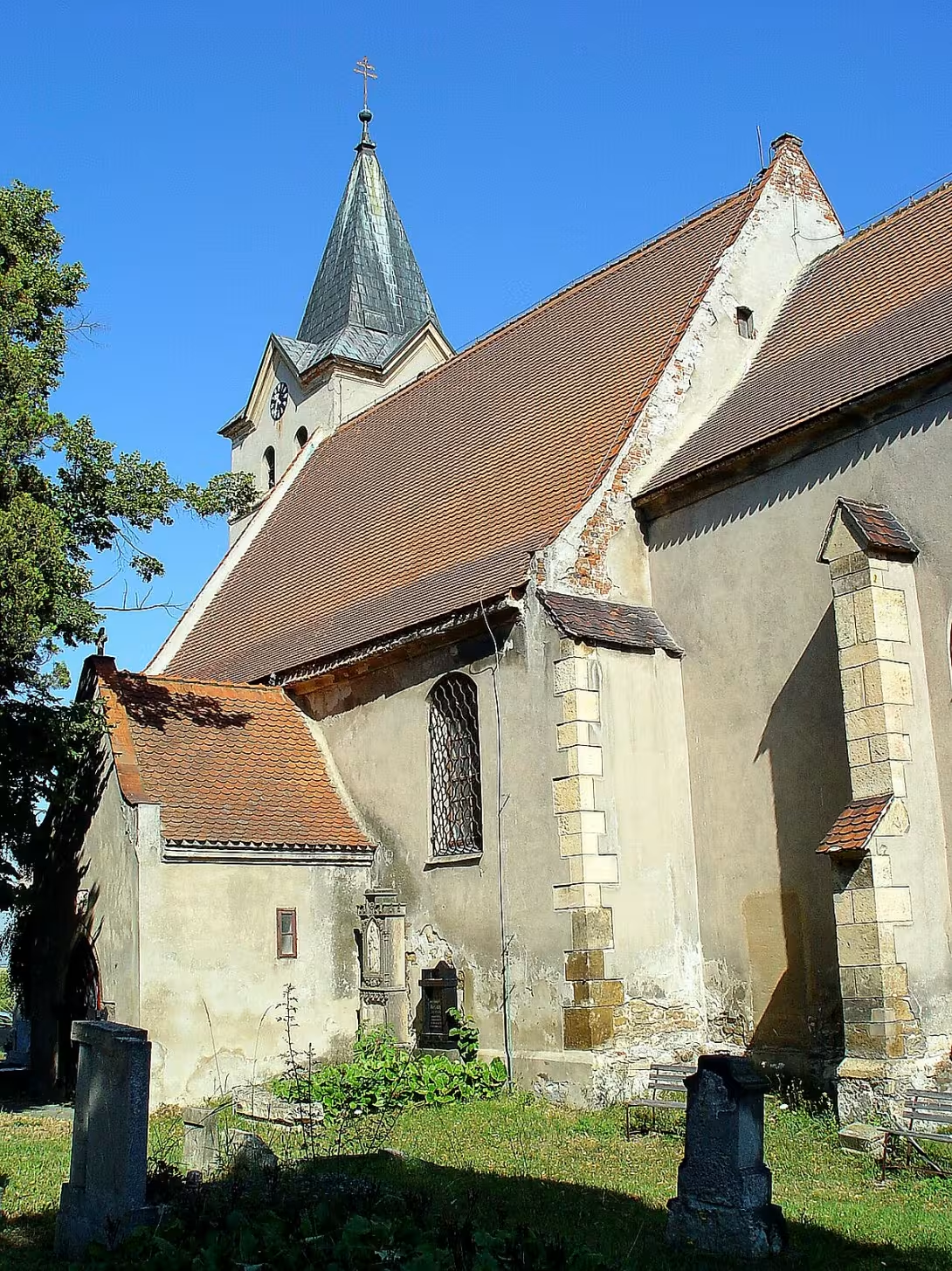
The Church of St. Lawrence in Ravrani is one of the sacral buildings with a long and complex history. It is a one-ship building with a special end to the presbytery and baroque expedition it has today.
The first written mention of the church dates back to 1337, when Ješek from Raván, Štěpán from Hrušvan and Moravevev had a dispute over the parish church. This suggests his ancient position in the local community in the early 14th century. Originally, it was a Gothic building, which was modified by the inhabitants in the Baroque style during the 18th century. This reconstruction determined the appearance of the church, which was preserved until today.
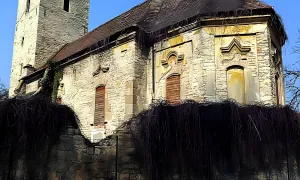
The church is an interesting combination of ages. It's a single-boat construction with a five-hip finish by a presbytery. On the north side of the main ship is the sacristy, on the south side is the hall. A characteristic dominant feature is the prism tower located in the northwest corner. A number of valuable elements were preserved from the Gothic past in the church - a Gothic portal with relief was preserved on the south side and in the upper parts of the ship we see sharp windows with circles, which were a typical Gothic decoration. The presbytery is encapsulated by a cross arch, and in its north wall there is a Gothic sanctuary with an original grate supplemented by a Renaissance frame dating back around 1600.
The church is surrounded by a cemetery and stands on the southern hill above the village itself, which gives it an expressive location in the landscape. Today, visitors visit him as a witness to the centuries-old development of the construction style from goth to renaissance to Baroque, so he is a valuable document of Czech construction.
Then and now
Drag the slider to compare how the landmark may have looked when it was built with the view today.
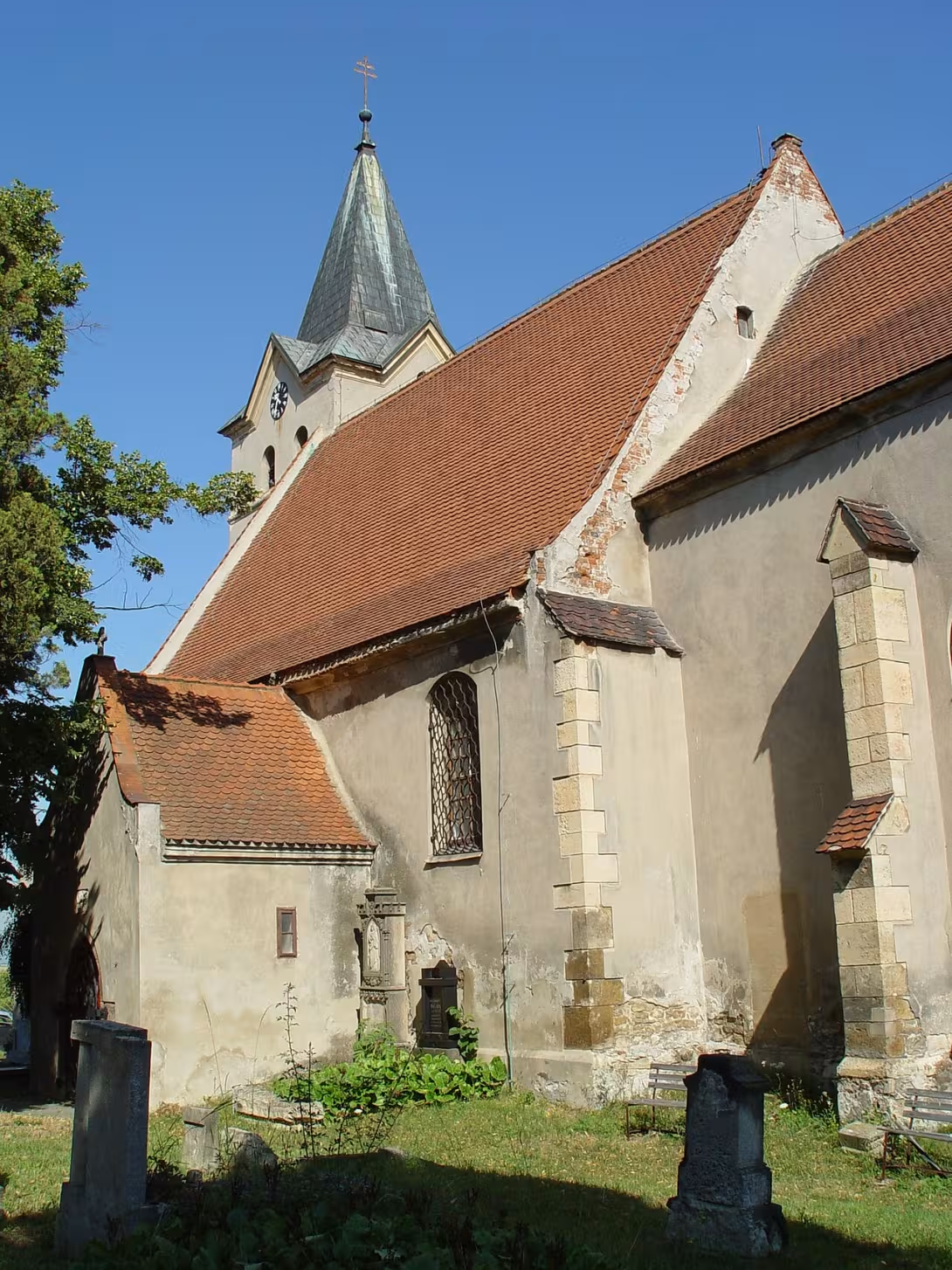

The historical appearance on the left is an AI-generated visualisation and serves as inspiration only.
Historical milestones
- 1337
- First written mention of the church in connection with the dispute over patronage law.
- 1600
- The time of the renaissance frame of the sanctuary in the presbytery.
- 18.0
- Baroque reconstruction of the church, which preserved some Gothic elements.
Architectural development
The church was created as a single-boat Gothic building with a five-sided presbytery and a prism tower in the northwest corner. During the Baroque reconstruction, some original elements were preserved, such as sharp windows with circles and gothic portal with relief. The presbytery has a cross vault and there is a Gothic sanctuary in the north wall with a Renaissance frame from around 1600. The church area is complemented by a wall with gates and a morgue.
Historical events
- 1337
- The first written mention of the church in connection with the dispute about patronage law between Ješek of Ravran and Stepan of Hrušvan and Moravuvesi.
- 18.0
- Baroque reconstruction of the church, which changed its original Gothic appearance.
Points of interest
- The first written mention of the church dates back to 1337, when there was a dispute over patronage between local nobles.
- The church underwent Baroque reconstruction in the 18th century, which preserved its original Gothic plan.
- She has preserved gothic decoration, like sharp windows with circles and a gothic portal with relief on the south side.
- The presbytery is covered with a cross vault and contains a gothic sanctuary with an original grate and a Renaissance frame from around 1600.
- The church stands on the hill above the village, giving it a strong location in the landscape.
Guide
This guide is narrated by a synthetic voice generated by artificial intelligence.
Show guide text
This text was created by artificial intelligence and has not been editorially reviewed. It may contain inaccuracies.
The Roman Catholic Church of Saint Lawrence stands in Havran in the Mostec region. You will find it on the southern hillside above the village, surrounded by a cemetery. It is protected as a cultural monument of the Czech Republic.
Its history reaches far back into the Middle Ages. The first written mention dates from 1337. At that time, Ješek z Havraně and Štěpán z Hrušovan and Moravěvsi were in dispute over the right of patronage of the parish church here. Originally it was a Gothic structure. In the eighteenth century, the church underwent a Baroque reconstruction, and its present appearance stems from that period.
The church has a single nave, which is followed by a presbytery ending in a five-sided shape. To the north side of the nave is attached a sacristy, to the south a vestibule. In the northwestern corner stands a prismatic tower.
The Baroque alterations, however, did not completely erase the Gothic origins of the building. Pointed windows with tracery have been preserved, and on the south side there is a Gothic portal with a relief. The presbytery is vaulted with a ribbed vault. In its northern wall is a Gothic sanctuary, that is, a niche for keeping the sacrament. It has retained its original grating and Renaissance frame from around 1600.
Frequently asked questions
Can the monument be visited?
Religious buildings are usually open mainly during services; at other times a visit is normally arranged with the parish or the operator. We have not verified specific times.
Where is the monument?
Location: Havraň, Ústecký kraj. The map on this page shows the exact spot.
Why is the monument protected?
It is listed in the Central List of Cultural Monuments of the Czech Republic as a cultural monument (register no. 42910/5-324).
For kids
Imagine going back 662 years to when our ancestors lived in the village of Ravens. The church of St. Vavríce stood like a small wooden chapel and was the centre of the village.
At that time, people lived off agriculture and animal husbandry. They decided to build a church so they could pray and celebrate their plight. So they started collecting wood, stones and other materials they needed.
It was like a game! People played roles like they were builders, craftsmen, or rich people. Everyone had their homework and everyone tried to do their best.
Businesses nearby
Do you run a restaurant, accommodation, shop, museum, rental, wellness or other visitor service near this monument? Show yourself directly to the people heading to it — this is how they will see you in the app and on the web:
Events nearby
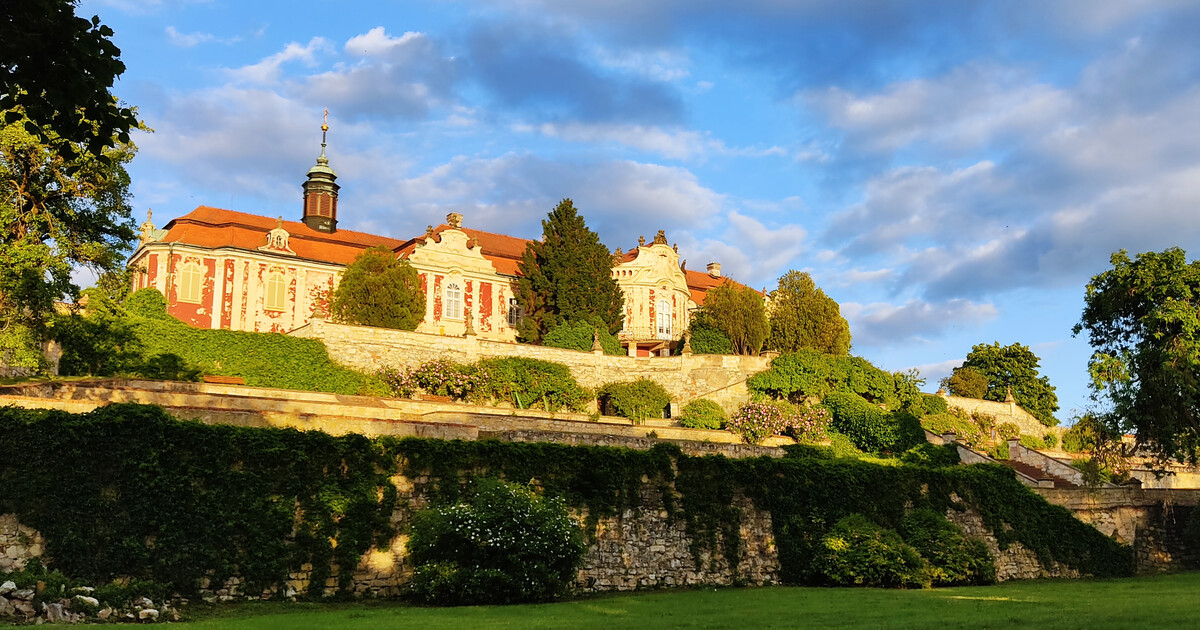
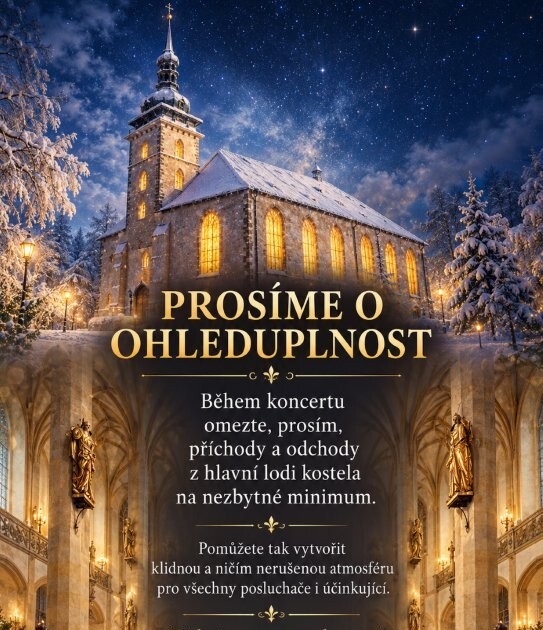

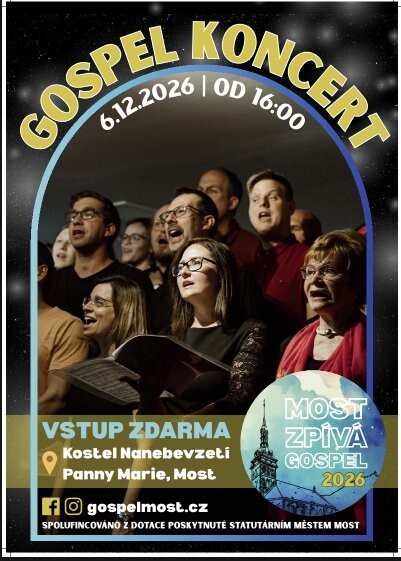
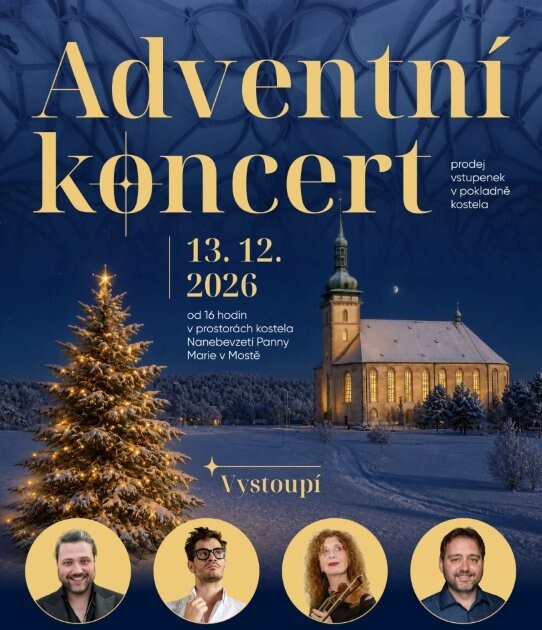
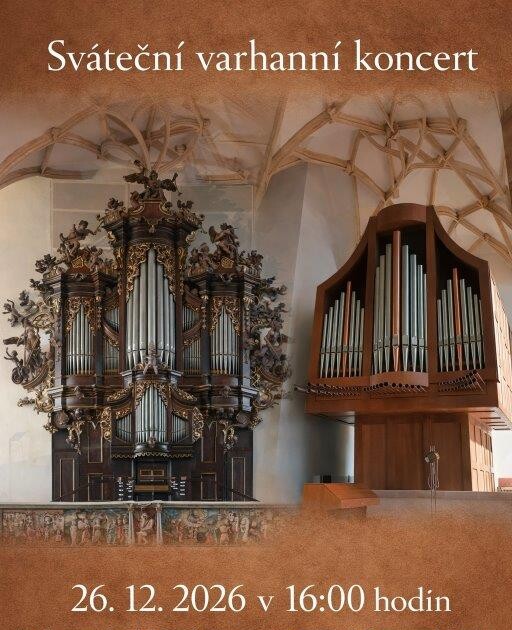
Zdroj akcí: otevřená data měst a obcí ČR (Národní katalog otevřených dat) a kalendář akcí Národního památkového ústavu.
Nearby
Within a radius of 5 km there are several other historical objects, such as the fortress in the village of Břežno or the remnants of medieval chateaux in the surroundings. The landscape is typical of northwest Bohemia with forest and ponds.
Accommodation nearby
Themed route
Thematic cruise route: Baroque and Middle Ages around the Raven
1. Kostel svatého Vavřince (Havraň) - Church The only preserved Baroque church in the area, built in the 18th century with valuable painting and mobility. Its quiet location in the middle of the village offers a view of the typical North Bohemia landscape.
2. Fortress in March - Fortress ruin The remains of the medieval fortress, which served as the administrative centre of the surrounding estates, are located approximately 3 km from the Raven. Its preserved walls and moat fortifications show strategic importance in the past.
3. Residues of the chateau near the Raven - Archaeological location In the woods near the village there are traces of medieval chateau, probably from the 12th to 13th century. It is not publicly available, but it is worth mentioning for history lovers as proof of the settlement of the region.
4. Březenská forest chateau - Archaeological location Another chateau ruin, about 4 km from Raven, connected to the early Middle Ages. Its location on the hill offers a view of the surroundings and resembles the defensive traditions of the region.
* The route combines sacral architecture with remains of medieval defense, typical of northwest Bohemia. *
Seasonal recommendations
Spring: In spring, the church's surroundings awaken to life and nature around the Raven begins to bloom. The light is soft and pleasant in this period, which gives the stone construction a delicate appearance. We recommend visiting the morning when the air is the cleanest. Clothes should be layered because the morning cold can quickly rotate with the heat of the sun.
Summer: Summer months bring the longest days and intense sunlight, which beautifully highlights the details of architecture. In the main summer season there may be more people around the sights, so it is best to arrive early in the morning to enjoy the peace and avoid the greatest heat. Don't forget the sun cap and plenty of fluids.
Autumn: Autumn season offers a fascinating colour palette and often there is a mysterious fog around the church that creates a nostalgic atmosphere. The sun is below the horizon at this time, creating long and interesting shadows on the walls of the building. For a walk in this period, choose stronger shoes for wet terrain and bring a warmer jacket.
Winter: In winter, the church is very impressive and lonely in the landscape, especially if everything is covered with snow or freeze. The atmosphere is quiet and quiet, which is ideal for lovers of history seeking solitude. Due to short days, plan a visit around noon and do not forget very warm clothes and quality gloves.
Visualizations and artistic views


The visualisations are generated by artificial intelligence and serve as inspiration.
Photos from the area
Real photos taken near the monument

Zdroj a licence jsou uvedeny u každého snímku.
Atmosphere of the place
This atmospheric visualisation of the place and period was generated by artificial intelligence. It is not real footage of the location.
Tips from visitors
No tips yet. Be the first!
Log in and add your tip.
Sources and literature
Photos: Hadonos / CC BY-SA 3.0 — Wikimedia Commons. The author and licence also appear when you hover over the image.
Faktickým podkladem tohoto textu byl článek na Wikipedii, jehož autory jsou přispěvatelé Wikipedie. Článek je dostupný pod licencí CC BY-SA 4.0.
Location on the map

Příběhy a pověsti
Legendy, pověsti a příběhy spjaté s touto památkou
Fotografie návštěvníků
Zatím žádné fotografie. Buďte první, kdo přidá fotografii z návštěvy!
Log in a přidejte svou fotografii nebo hodnoťte.
Za ověřenou návštěvu v aplikaci získáte víc bodů — poznáme podle GPS, že jste na místě.
Reviews and comments