



kostel svatého Víta (Jemnice) Church
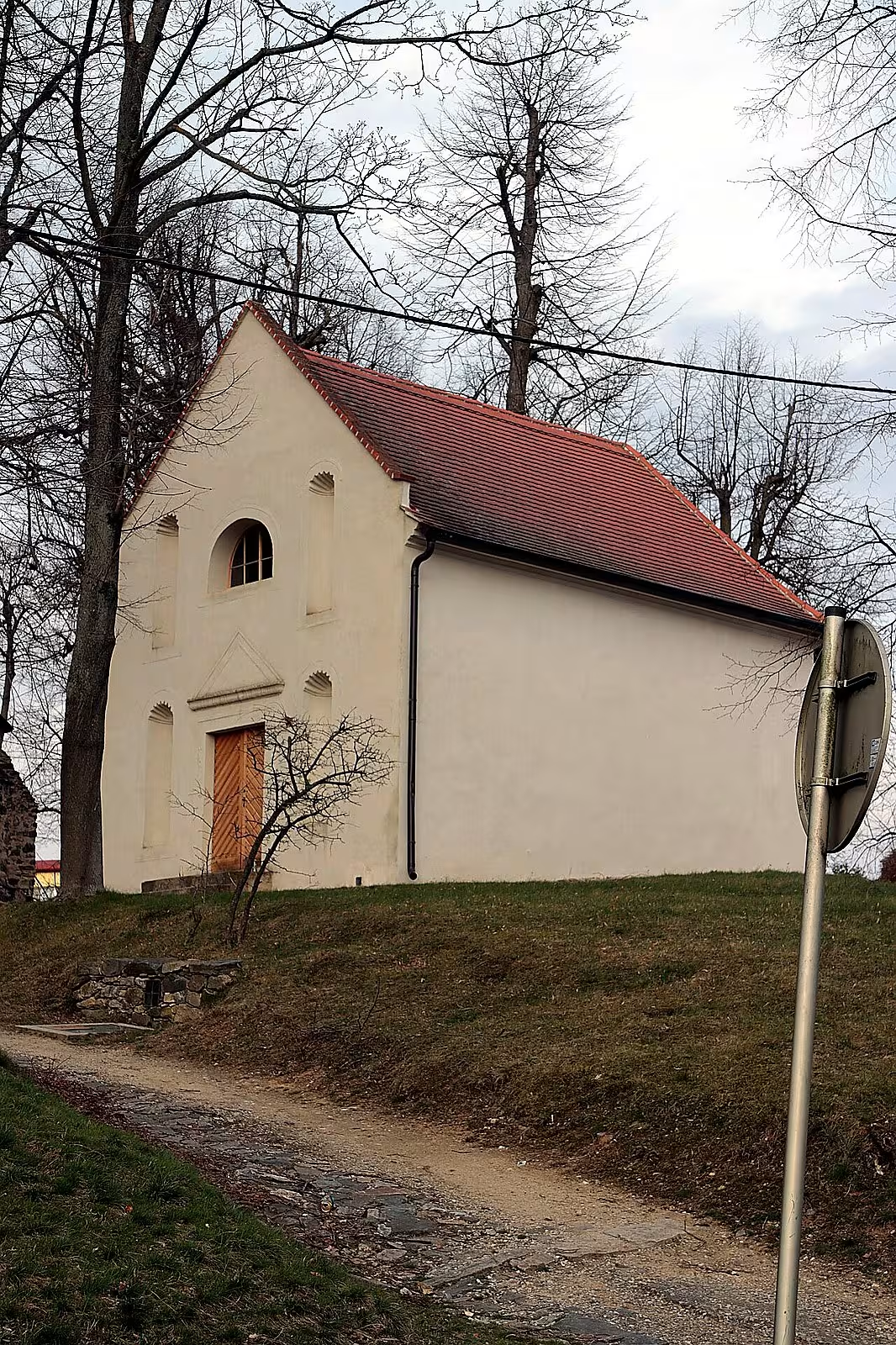
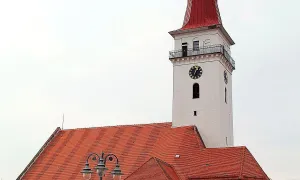
The Church of Saint Vitus in Jemnice is a notable Gothic church built from quarry stone. It originally served as the conventual church for a Franciscan monastery, located in the eastern part of Jemnice. Surrounded by streets such as Lípová and Topolová, its historical significance is highlighted by its designation as a cultural monument of the Czech Republic.
The church's origins are linked to the Franciscan monastery founded in 1455 by Albrecht, Hynk, and Štěpán z Lichtenburka. Initially serving this monastery, it became integral to Jemnice's religious landscape during significant political and religious changes in Bohemia. Constructed in Gothic style, the church was rebuilt after its destruction in 1468 by forces led by Matthias Corvinus. This event necessitated reconstruction efforts that expanded both the church and the monastery, including a chapel dedicated to the Crucifixion.
Architecturally, the Church of Saint Vitus underwent several transformations over the centuries. Initially built in Gothic style, it later saw modifications such as the removal of its vaulted ceilings for flat ones during the early 18th century. The church features frescoes painted around 1898 and an illusionistic main altar by Josef Winterhalder mladší. These artistic elements contribute to its historical and cultural value.
Ownership and administration have changed dramatically over time. Initially under the Franciscan Monastery from 1455 until its dissolution in 1560, it later came under Jemnice's citizens starting in 1570. In 1790, it was sold to Antonia Daunová and subsequently donated to the city of Jemnice by her. These shifts reflect broader historical trends, including religious reforms and changes in local governance.
Key events include its role as a conventual church for the Franciscan monastery until 1560 and the decision in 1673 to restore the monastery, which was reversed two years later leading to its dissolution. The church also experienced periods of neglect and restoration, with significant archaeological explorations in 1993 and 2005. In 1921, a legal dispute arose when the city attempted to transfer the church to the Czechoslovak Hussite Church, but this was unsuccessful.
Today, the Church of Saint Vitus stands as a testament to Jemnice's rich historical tapestry. It remains accessible to visitors drawn by its architectural beauty and historical significance. The presence of the Kapistránská lípa, a protected tree listed since 1976, adds interest for those exploring this cultural monument. Visitors can appreciate not only the church’s religious art but also its role in Jemnice's broader history.
The Church of Saint Vitus offers a unique window into the past, reflecting both architectural evolution and historical shifts within the region. Its preservation as a cultural monument ensures that future generations can continue to explore and learn from this remarkable site. For those interested in history, architecture, or religious art, visiting the Church of Saint Vitus is an enriching experience connecting them with Jemnice's legacy.
Then and now
Drag the slider to compare how the landmark may have looked when it was built with the view today.
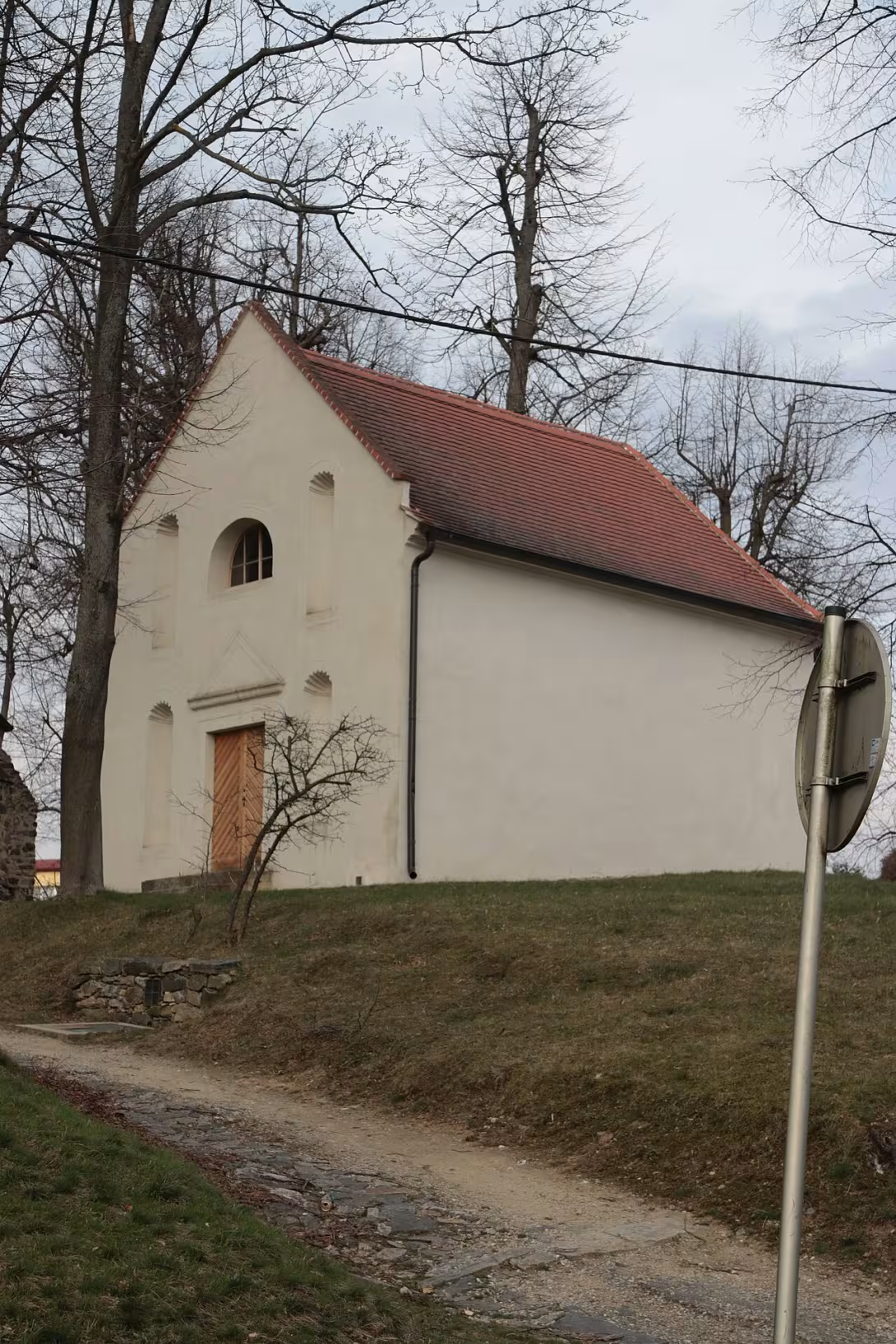
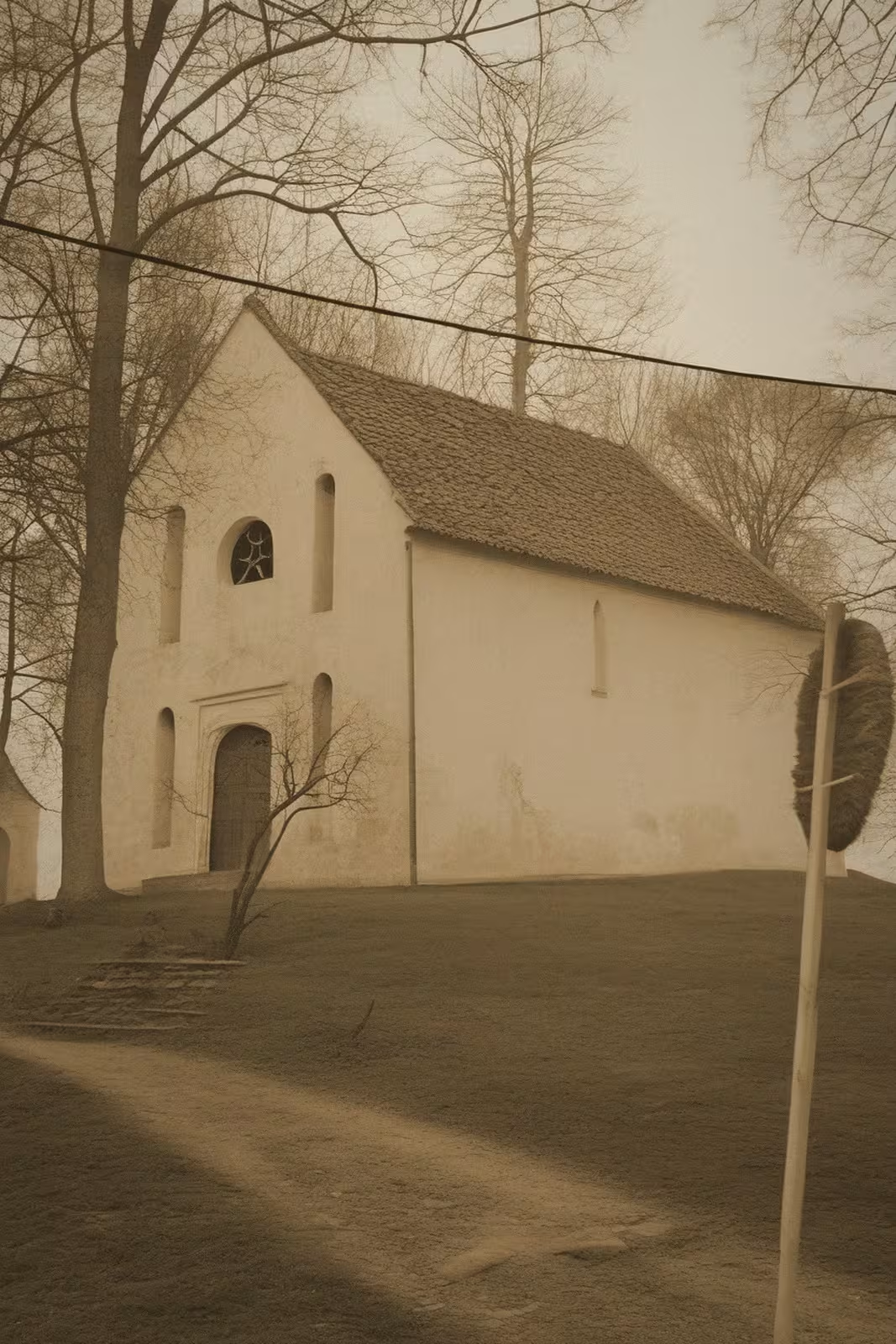
The historical appearance on the left is an AI-generated visualisation and serves as inspiration only.
Historical milestones
- 1455
- Založení františkánského kláštera v Jemnici.
- 1468
- Kostel zničen síly Matyáše Korvína.
- 1560
- Dissoluce františkánského kláštera v Jemnici.
- 1570
- Kostel převeden pod správu občanů Jemnice.
- 1675
- Zrušení plánované rekonstrukce kláštera.
- 1898
- Výzdoba kostela freskami.
Architectural development
The Church of Saint Vitus underwent significant architectural changes over time. Initially built in a Gothic style after being destroyed in 1468 by Matthias Corvinus's forces, it later saw modifications including the removal of its vault and creation of flat ceilings in the early 18th century. The church also experienced restoration efforts in 1993.
Historical events
- 1455
- The church was originally part of a Franciscan monastery founded in 1455.
- 1673
- In 1673, it was decided to restore the monastery, but by 1675, this decision was reversed and the monastery was dissolved.
Owners
- 1790
- 1790
Points of interest
- The Church of Saint Vitus was rebuilt after its destruction in 1468 by forces led by Matthias Corvinus, a notable historical figure known for his military campaigns and influence over Central Europe during the late Middle Ages.
- In 1673, there was an attempt to restore the Franciscan monastery associated with the church. However, this decision was reversed just two years later, leading to its dissolution—a reflection of the shifting religious dynamics in Bohemia at that time.
- The church underwent significant architectural changes over the centuries; notably, during the early 18th century, its vaulted ceilings were replaced with flat ones, illustrating evolving aesthetic and structural preferences.
- A legal dispute arose in 1921 when the city attempted to transfer ownership of the Church of Saint Vitus to the Czechoslovak Hussite Church. This attempt was unsuccessful, highlighting ongoing tensions between different religious communities post-World War I.
- The presence of the Kapistránská lípa, a protected tree listed since 1976, near the church adds an ecological and historical layer to this cultural monument, emphasizing its role as part of Jemnice's broader heritage.
Guide
This guide is narrated by a synthetic voice generated by artificial intelligence.
Show guide text
This text was created by artificial intelligence and has not been editorially reviewed. It may contain inaccuracies.
The Church of Saint Vitus stands in the eastern part of Jemnice, between the streets Lípová, Topolová, U Víta and U kláštera. Today it is a subsidiary church of the Jemnice Roman Catholic parish and is protected as a cultural monument. It is a Gothic structure built from quarried stone. Originally it was a convent church of a Franciscan monastery, from which only the entrance to the underground and underground passages have been preserved.
The monastery was founded in 1455 by the brothers Albrecht, Hynek and Štěpán from Lichtenburka. In 1492, Půta from Lichtenburka was buried here. His tombstone was walled into the northern wall of the church in 1941. In 1468, the armies of Matthias Corvinus burned down the city and the monastery. The church was subsequently rebuilt in the Gothic style and expanded with the Chapel of the Passion of the Lord. The monastery received an additional floor.
In the sixteenth century, the Lutheran Jindřích Meziříčský from Lomnice acquired Jemnice and banned preaching in the monastery church. In 1546, the townspeople attacked the monastery and drove out its inhabitants. In 1560 it is listed as abandoned. The Franciscans briefly returned, but in 1675 it was decided to dissolve the monastery and transfer its property to Dačice. The monastery buildings then served agricultural purposes.
Around 1770, the church was renovated at the request of the priest Josef Šabatka. Instead of a vault, a flat ceiling was created and three new windows were broken through. Josef Winterhalder the Younger then painted an illusionistic main altar. Because of the painting, the partition was shifted, a new sacristy was created and the presbytery was made smaller. In 1788, the church was purchased by the Bítov Countess Antonie Daunová. She had it repaired and in 1790 she donated it to the town.
In 1921, the town wanted to transfer the church to the Czechoslovak Hussite Church. However, the Catholic priest refused to hand over the keys and the dispute was decided in 1922 by the Supreme Court in Brno in favour of the town.
Inside is the main altar of Saint Vitus, the altar of Saint Francis Seraphinus and the altar of Saint Anne. The altar table was brought here from the abolished Chapel of Saint Anne. Further frescoes were created around 1898. The church also includes a shallow rectangular Gothic chapel of Our Lady of Sorrows. The organ dates from 1824 and was reconstructed in 1993.
By the church grows the Kapistránská linden tree. Since 1976 it has been registered as a memorial tree.
Tips for visitors
The best time to visit the Church of Saint Vitus in Jemnice is during late spring or early autumn when the weather is pleasant, and the surrounding nature is particularly beautiful. These seasons offer a comfortable climate for exploring both the church's interior and its historical surroundings without the crowds that can be present during peak tourist months. Additionally, visiting outside of major holidays allows you to experience the tranquility of this historic site.
When visiting the Church of Saint Vitus, consider bringing comfortable walking shoes, especially if you plan to explore the area around the church, including the former monastery site with its underground passages. A hat or sunscreen is recommended for protection against the sun during spring and summer months. Additionally, carrying a water bottle will help keep you hydrated throughout your visit.
For photography enthusiasts, the best spots include the exterior of the Church of Saint Vitus, where the Gothic architecture can be captured beautifully in natural light, especially during golden hours at sunrise or sunset. The surrounding streets like Lípová and Topolová offer picturesque views that complement the church's historic charm. Inside the church, lighting conditions vary, so using a camera with adjustable settings is advisable for capturing its interior details.
Nearby attractions within 30 minutes include the former monastery site of Jemnice, which features intriguing underground passages worth exploring. The area around the streets U Víta and U kláštera also offers historical insights into the town's past. These sites provide additional context to the Church of Saint Vitus and enrich your understanding of Jemnice's heritage.
For families with children, visiting the Church of Saint Vitus can be an educational experience. The church's history as a conventual church for the Franciscan monastery is fascinating for all ages. While exploring the nearby former monastery site, ensure that younger children are supervised, especially in areas like the underground passages. Bringing along some snacks and water will make the visit more comfortable for everyone.
Frequently asked questions
Can the monument be visited?
Religious buildings are usually open mainly during services; at other times a visit is normally arranged with the parish or the operator. We have not verified specific times.
Where is the monument?
Location: Jemnice, Kraj Vysočina. The map on this page shows the exact spot.
Why is the monument protected?
It is listed in the Central List of Cultural Monuments of the Czech Republic as a cultural monument (register no. 36922/7-2716).
Businesses nearby
Do you run a restaurant, accommodation, shop, museum, rental, wellness or other visitor service near this monument? Show yourself directly to the people heading to it — this is how they will see you in the app and on the web:
Events nearby

Zdroj akcí: otevřená data měst a obcí ČR (Národní katalog otevřených dat) a kalendář akcí Národního památkového ústavu.
Nearby
Surrounding the Church of Saint Vitus are streets named Lípová, Topolová, U Víta, and U kláštera. The area also includes a former monastery site with underground passages.
Accommodation nearby
Trips and activities nearby
Guided tours, tickets and activities nearby from GetYourGuide
Affiliate link: if you buy from the partner, we may receive a commission. The price for you does not change.
Search tours and activities →Themed route
Tematická výletní trasa kolem kostela svatého Víta (Jemnice)
1. Kostel svatého Víta
- Typ: Historický kostel
- Proč stojí za návštěvu: Kostel svatého Víta je ikonou Jemnice, známý svou architektonickou krásou a historickým významem. Navštivte jeho interiér pro pohled na bohatě zdobené oltáře a fresky, které představují klíčové momenty z dějin města.
2. U Víta
- Typ: Historická ulička
- Proč stojí za návštěvu: Tato ulice vede kolem kostela a nabízí pohled na jeho západní fasádu, což je ideální místo pro fotografování. Při procházce můžete ocenit klidnou atmosféru a historický charakter oblasti.
3. U kláštera
- Typ: Historické místo
- Proč stojí za návštěvu: Toto míře k bývalému klášternímu areálu, který je známý svými podzemními chodbami. Tyto pasáže jsou fascinujícím připomenutím minulosti a nabízejí jedinečný pohled na historii města.
4. Lípová
- Typ: Zelená ulička
- Proč stojí za návštěvu: Při procházce Lípovou se uvolněte a oceněte klidné prostředí, které je poseté lípy. Tato zelená ulička vytváří harmonický kontrast k historickým památkám a nabízí krásnou příležitost pro relaxaci.
5. Topolová
- Typ: Zelená ulička
- Proč stojí za návštěvu: Topolová pokračuje v atmosféře klidu a přírody, s topoly, které dodávají místu jedinečný ráz. Tato ulice je ideálním závěrem pro vaši trasa, kde si můžete užít pohled na oblast kolem kostela svatého Víta.
Tato trasa vás provede historickými a klidnými částmi Jemnice, nabízející bohatou směs kulturních zážitků a přírodní krásy.
Seasonal recommendations
Spring: Visiting the Church of St. Vitus during spring offers a unique experience as nature comes to life around this historic site. The surrounding gardens and fields burst into vibrant colors with blooming flowers, providing a picturesque backdrop that enhances the church's architectural beauty. The gentle warmth and longer daylight hours create an inviting atmosphere for leisurely exploration. Visitors should consider wearing comfortable layers, as temperatures can vary throughout the day. Early mornings are ideal to avoid larger crowds, allowing you to appreciate the serene environment and detailed stonework bathed in soft sunlight.
Summer: Summer is a popular time to visit the Church of St. Vitus due to its warm weather and extended daylight hours, making it perfect for exploring both the church and Jemnice's outdoor attractions. The lush greenery surrounding the site offers a refreshing contrast to the historic architecture, while the vibrant atmosphere encourages longer visits. It’s advisable to arrive early in the day to avoid crowds and ensure ample time for exploration. Comfortable walking shoes and light clothing are recommended, along with sunscreen and water to stay hydrated.
Autumn: Autumn brings a magical transformation to the Church of St. Vitus, as the surrounding landscape is adorned with warm hues of reds, oranges, and yellows. The cooler temperatures make it an ideal time for photography enthusiasts looking to capture stunning images against the church’s historic facade. As the days grow shorter, visiting in the late morning allows you to enjoy the site before the crowds gather. Layered clothing will keep you comfortable as temperatures fluctuate, and carrying a light jacket is advisable for the crisp afternoons.
Winter: Winter offers a unique charm at the Church of St. Vitus, with snow-covered surroundings creating a serene and almost mystical atmosphere around this historic landmark. The shorter days mean that visiting in the morning will allow you to make the most of natural lighting before it fades into the evening. Due to potentially icy paths, wearing sturdy boots is essential for safety. Visitors should dress warmly in layers to combat the cold temperatures and be prepared for a quieter experience, as fewer tourists typically visit during this season.
Visualizations and artistic views


The visualisations are generated by artificial intelligence and serve as inspiration.
Photos from the area
Real photos taken near the monument


Zdroj a licence jsou uvedeny u každého snímku.
Tips from visitors
No tips yet. Be the first!
Log in and add your tip.
Sources and literature
Photos: Jiří Sedláček / CC BY-SA 4.0 — Wikimedia Commons. The author and licence also appear when you hover over the image.
Faktickým podkladem tohoto textu byl článek na Wikipedii, jehož autory jsou přispěvatelé Wikipedie. Článek je dostupný pod licencí CC BY-SA 4.0.
Location on the map

Příběhy a pověsti
Legendy, pověsti a příběhy spjaté s touto památkou

Fotografie návštěvníků
Zatím žádné fotografie. Buďte první, kdo přidá fotografii z návštěvy!
Log in a přidejte svou fotografii nebo hodnoťte.
Za ověřenou návštěvu v aplikaci získáte víc bodů — poznáme podle GPS, že jste na místě.
Reviews and comments