






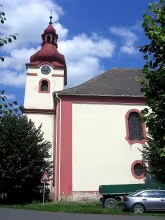
The Church of Saints Peter and Paul in Dolany is a Roman Catholic church located in the Plzeňský region, recognized as a cultural monument of the Czech Republic. First documented in 1384, it underwent significant reconstruction between 1794 and 1799, transforming into its current late Baroque style. This historical site stands out for its architectural evolution, rich history, and cultural significance.
The church's origins trace back to at least 1384 when it was first mentioned in records. During the late Baroque period, a time of significant cultural and architectural development across Europe influenced by the Enlightenment, the church underwent major transformation between 1794 and 1799. This reconstruction reshaped the structure into its present form, reflecting artistic and cultural shifts of that era.
Architecturally, the Church of Saints Peter and Paul is characterized by its late Baroque style with a single nave. The walls incorporate parts from an older structure, showcasing historical layers. Notably, some stone elements were sourced from other religious sites no longer in use: a chapel dedicated to Saint John the Baptist near Týnec and a former church of Saint Wolfgang near Chudenice. Additionally, the marble baptismal font is crafted from a lavatory originally part of the refectory at a Jesuit college in Klatovy, adding historical intrigue.
The artistic elements within the church include altar paintings and a way of the cross, both painted by Plzeňský painter Jan Herzog (1820–1886). The church's tower houses a bell cast in the 15th century by bell-maker Jan Kovář, further connecting it to its historical roots.
Today, the Church of Saints Peter and Paul remains a significant cultural monument. Recent restorations funded by the European Union between 2023 and 2024 focused on repairing the roof, steeple, and façade, ensuring preservation for future generations. The church is accessible to visitors who wish to explore its rich history and appreciate its artistic features.
Visiting the Church of Saints Peter and Paul offers a unique opportunity to delve into Dolany's historical and cultural tapestry. Its blend of architectural styles and historical elements makes it a noteworthy destination for those interested in religious architecture evolution and local heritage.
Historical milestones
- 1384
- The church is first recorded in historical documents.
- 1794
- Begins significant reconstruction in the style of late Baroque.
- 1799
- Completion of the church's reconstruction to its current form.
- 1820
- Jan Herzog, a painter from Plzeň, begins creating artistic elements in the church.
- 1886
- Death of Jan Herzog, the painter associated with the church's artworks.
- 15th century
- The creation of a bell by be
Architectural development
Originally mentioned in 1384, the Church of Saints Peter and Paul underwent a significant transformation between 1794 and 1799 when it was completely rebuilt in a late Baroque style. The church retains parts of its original walls, with some stone elements sourced from other religious sites that were no longer in use.
Historical events
The church was first documented in historical records in 1384.
A complete reconstruction of the church took place between 1794 and 1799, transforming it into its current late Baroque style.
Points of interest
- The Church of Saints Peter and Paul incorporates stone elements from two other religious sites that are no longer in use: a chapel dedicated to Saint John the Baptist near Týnec and a former church of Saint Wolfgang near Chudenice, weaving together architectural histories from different locations.
- An intriguing feature within the church is its marble baptismal font, which was originally part of a lavatory in the refectory at a Jesuit college in Klatovy. This repurposing adds a unique historical layer to the church's interior design.
Guide
Show guide text
Welcome to the historical monument of Sts. Peter and Paul Church in Dolany! You stand before an impressive medieval church that is not only a spiritual center but also a cultural monument of the Czech Republic. As you look at its façade, you feel drawn to its rich history and architectural nuances.
The Church of Saints Peter and Paul was first recorded in historical documents in 1384. Over many centuries, it became an essential part of the community, though not without changes. In 1794, a massive reconstruction began that transformed the church into the late Baroque style, completed in 1799. This industrious effort not only preserved the structure of the church but also added new depth and beauty to its architecture.
Look up at the single-story nave of the church. Notice parts of the walls preserved from an earlier period that represent a connection between past and present form. Although specific architects are not known, their work is visible in every crack and angle.
In 1820, Jan Herzog, a painter from Plzeň, began his work on the artistic elements within the church. His contribution was so significant that even after his death in 1886, his works remained an inspiration for visitors. In the 15th century, a bell by bell founder Jan Kovář was also created, which still announces the times from the church tower today.
Now let's take a look at one of the most interesting historical features. The Church of Saints Peter and Paul is unique in that it incorporates stones from two other now-vanished religious sites: the Chapel of St. John the Baptist near Týnec and the former Church of St. Wenceslas by Chudenice. These stones bring with them architectural histories from other locations, becoming living chapters of the past.
Let's move closer to this place. There is something here that makes you imagine the lives of the people who built and maintained this monument for generations. Every stone, every detail has its own story.
As we approach the end of our tour, we invite you to explore Sts. Peter and Paul Church in more detail. Experience its tranquil space and take time for history to speak to you personally. Thank you for your visit, and we hope this church leaves lasting impressions in your memory.
Tips for visitors
The best time to visit the Church of Saints Peter and Paul in Dolany is during late spring or early autumn, when the weather is pleasant for walking around the church grounds without the crowds that often accompany summer tourism. This period also offers beautiful natural lighting for photography enthusiasts looking to capture the architectural details of the church. Additionally, visiting on a weekday can provide a more serene experience compared to weekends.
Parking and transportation options are convenient for visitors coming by car or public transport. There is parking available near Dolany, though it's advisable to check in advance if there are any restrictions during certain times. For those using public transport, the church is accessible via regional bus services that connect Plzeň with surrounding areas. Always verify current schedules and routes through a reliable transportation app or website before your visit.
When planning your visit, it's recommended to bring comfortable walking shoes as you may want to explore not only the church but also its surroundings. A camera is advisable for capturing the historic architecture of the Church of Saints Peter and Paul, especially during golden hours in the morning or late afternoon when the light beautifully accentuates the building’s features. Additionally, consider bringing a small backpack with water, snacks, and perhaps a guidebook on Czech historical sites if you're interested in more detailed information.
For photography enthusiasts, the best spots to capture the church are from the front entrance where its façade is fully visible, or from the side gardens which offer a unique perspective of the structure against the backdrop of nature. Early morning light provides soft shadows that highlight the intricate details of the architecture. Families with children should note that while there's no specific play area within the vicinity of the church, the surrounding landscapes are suitable for leisurely walks and picnics.
In terms of nearby attractions within a 30-minute drive or travel time from Dolany, visitors can explore other cultural sites in the Plzeňský region. While specific recommendations aren't provided here, the area is known for its rich history and natural beauty, offering opportunities to visit local museums, historical castles, or enjoy scenic hikes through nearby forests and hills.
Businesses nearby
Do you run a restaurant, accommodation, shop, museum, rental, wellness or other visitor service near this monument? Show yourself directly to the people heading to it — this is how they will see you in the app and on the web:
Accommodation nearby
Themed route
Tematická výletní trasa: Kostel svatých Petra a Pavla (Dolany)
1. Kostel svatých Petra a Pavla (Dolany) - *Typ:* Náboženská památka - *Proč stojí za návštěvu:* Tento barokní kostel je nejen architektonickou perli, ale také důležitým kulturním centrem obce Dolany. Jeho historie sahá do 17. století a nabízí návštěvníkům pohled na bohatě zdobené interiéry, které odrážejí barokní uměleckou tradici.
2. Obecní úřad Dolany - *Typ:* Historický stavební objekt - *Proč stojí za návštěvu:* Původně byl toto místo obytným domem, který v průběhu let přešel do rukou místní správy. Jeho historické zdi a architektonické prvky poskytují vhled do minulosti života Dolan.
3. Dolanský pivovar - *Typ:* Kulturní památka - *Proč stojí za návštěvu:* Tento pivovar je nejen místem, kde se vyrábí tradiční pivo, ale také centrem kulturních akcí. Navštívit ho znamená prozkoumat historii a tradice pivovarnictví v regionu Plzeňského kraje.
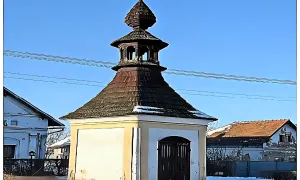
4. Kaple svaté Anny - *Typ:* Náboženská památka - *Proč stojí za návštěvu:* Kaple svaté Anny je místo klidu a útulku, které nabízí pohled na přírodní krásy okolních oblastí. Její historie sahá do 18. století a stojí za prozkoumání jejího jednoduchého, ale výrazného architektonického stylu.
5. Dolanský rybník - *Typ:* Místní zájem - *Proč stojí za návštěvu:* Rybník je nejen přírodním útvarem, ale také místem pro odpočinek a relaxaci. Jeho klidné vody a okolní zelená zahrada nabízejí ideální prostředí pro krátkou procházku po návštěvě kostela.
Tato trasa nabízí kombinaci historických, kulturních a přírodních atrakcí v obci Dolany, což umožňuje hlubší poznání tohoto malebného regionu.
Seasonal recommendations
Spring: Visiting the Church of Saints Peter and Paul in Dolany during spring offers a serene experience as nature awakens around this historic site. The surrounding landscapes burst into life with blooming flowers, creating a picturesque setting that enhances the church's architectural beauty. Soft morning light gently illuminates the structure, casting delicate shadows and adding to its mystical allure. This is an ideal time for photography enthusiasts seeking natural backdrops. Visitors should dress in layers as temperatures can vary, and it’s wise to arrive early to enjoy the tranquility before larger crowds gather.
Summer: Summer brings vibrant energy to Dolany's Church of Saints Peter and Paul, with long daylight hours allowing ample time to explore this historic landmark. The lush greenery surrounding the church provides a refreshing contrast against its timeless architecture, making it perfect for leisurely walks or picnics in nearby parks. However, summer also attracts more tourists, so arriving early can help avoid crowds. Comfortable footwear and light clothing are recommended due to warmer temperatures, and carrying water is advisable as you explore.
Autumn: Autumn transforms the Church of Saints Peter and Paul into a warm-hued gem set against the backdrop of changing foliage in Dolany. The golden leaves create a stunning natural tapestry that complements the church's historic charm, offering an idyllic setting for photography or quiet reflection. As temperatures begin to cool, it’s advisable to wear layers to stay comfortable during your visit. This season offers a quieter atmosphere compared to summer, making it ideal for those seeking a more peaceful experience.
Winter: Winter at Dolany's Church of Saints Peter and Paul presents a unique charm with its snow-covered surroundings, creating a picturesque scene reminiscent of a postcard. The crisp air and shorter daylight hours add a mystical quality to the historic site, while the quietness of the season provides an intimate atmosphere for visitors. It’s important to dress warmly in layers and wear sturdy boots due to potentially icy conditions. Additionally, be mindful that opening times may vary during this season, so checking ahead is recommended.
Visualizations and artistic views

Vizualizace jsou generovány umělou inteligencí a slouží jako inspirace.


Tips from visitors
No tips yet. Be the first!
Log in and add your tip.



Reviews and comments