






kostel Svatých schodů Church
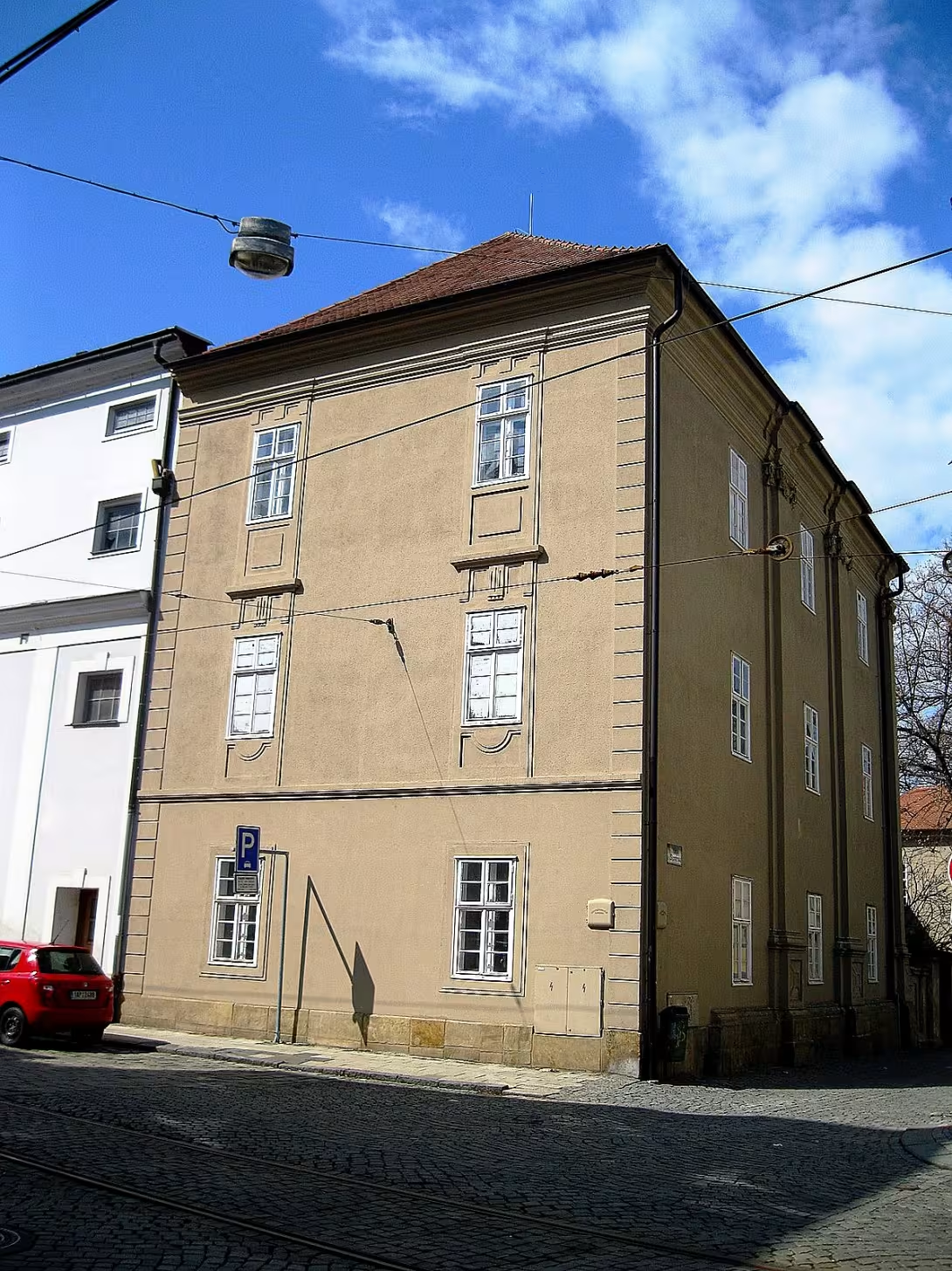
The Church of the Holy Stairs in Olomouc is an exemplary piece of Baroque architecture located at the intersection of Sokolská and Slovenská streets. It faces the Church of the Immaculate Conception of the Virgin Mary. Built by Franciscan monks in 1702, it was named after the Holy Stairs linked to Jesus' journey to Pontius Pilate's residence. Although no longer used for its original religious purpose, this monument is preserved as a cultural heritage site due to its historical significance and architectural features.
The church's origins date back to the early 18th century when Baroque architecture was flourishing across Europe. Franciscan monks began construction under Prior Khytribil's leadership, intending to house significant religious relics like parts of the True Cross and the Crown of Thorns. This period also aligned with Counter-Reformation efforts within the Habsburg Monarchy, reflecting broader religious and political dynamics.
Architecturally, the Church of the Holy Stairs features a three-story Baroque structure. It has an extended side facing Slovenská Street and a shorter front along Sokolská Street. The facade is modestly adorned with triglyphs and carved motifs, while pilasters enhance the lateral facades. A distinctive triangular gable hints at its original purpose as a church. Significant alterations occurred between 1799 and 1802 when its ornate facade was removed during its transformation into an educational institution.
Ownership of the church changed dramatically over time. Initially managed by Franciscan monks until their monastery's dissolution in 1785 due to Josephinist reforms, it later came under Dominican administration. After secularization, the building underwent further modifications and served various functions, including as an educational facility and a venue for cultural activities.
Key events include the church's desecration following the Franciscan monastery's dissolution and subsequent architectural changes that repurposed it for secular use. These transformations reflect broader societal shifts from religious to educational and cultural roles within the community.
Today, the Church of the Holy Stairs serves as a venue for music groups and schools, maintaining its relevance in Olomouc's cultural landscape. Its historical significance and architectural features make it an intriguing site for visitors interested in Baroque architecture and the region's rich history. The church stands as a testament to the dynamic changes that have shaped its purpose over time, inviting exploration and appreciation of its enduring legacy.
Then and now
Drag the slider to compare how the landmark may have looked when it was built with the view today.
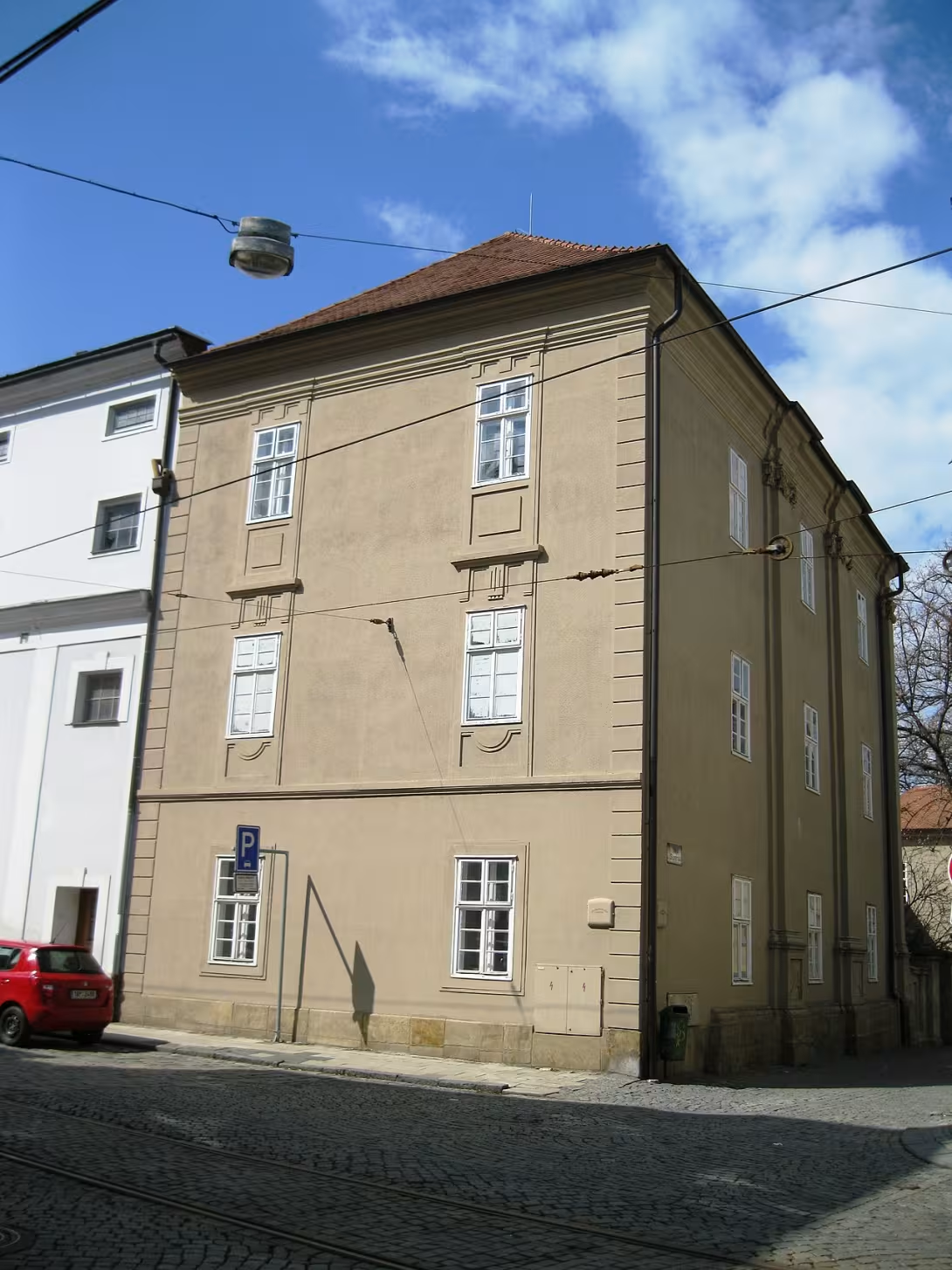
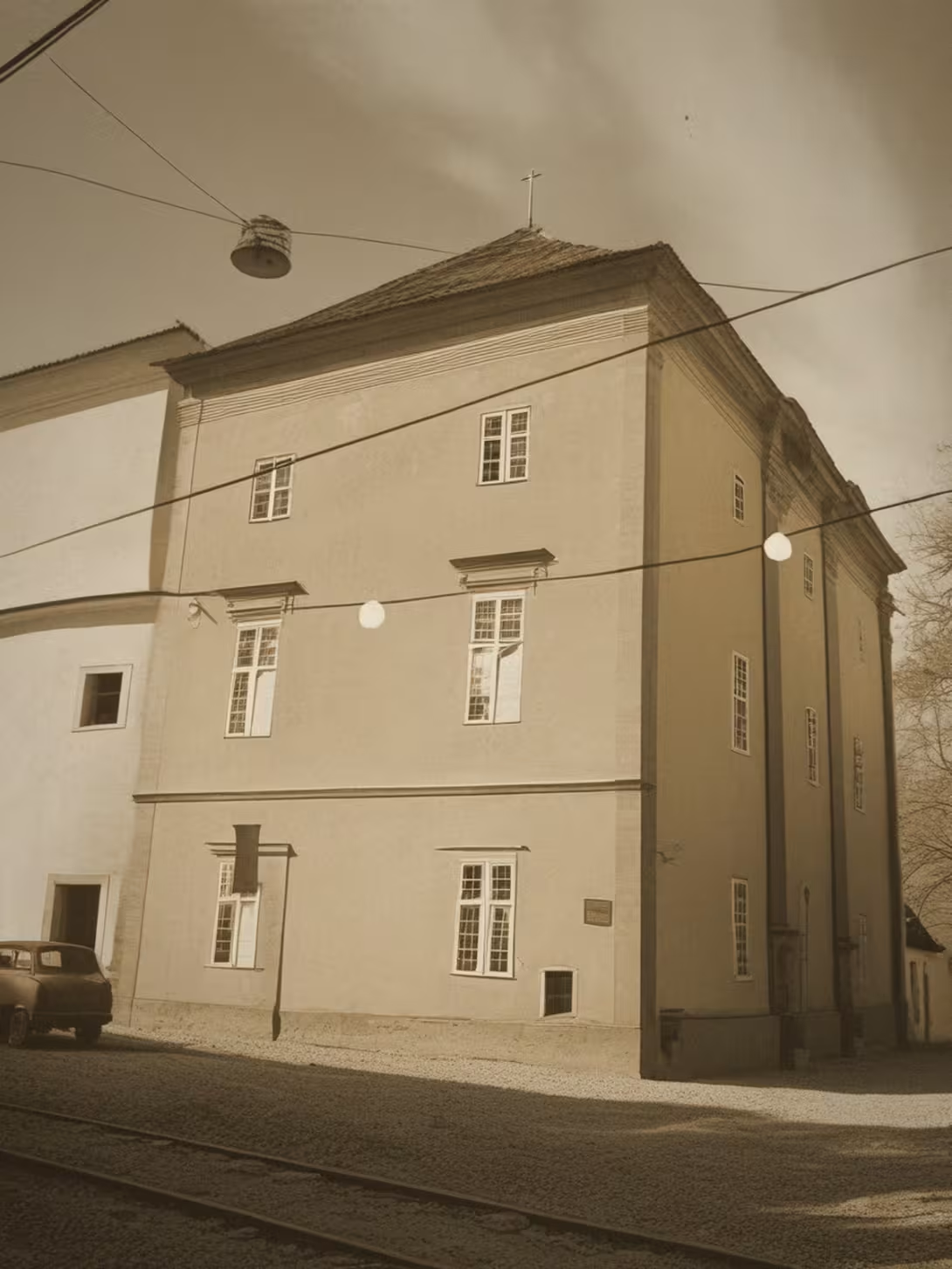
The historical appearance on the left is an AI-generated visualisation and serves as inspiration only.
Historical milestones
- 1702
- Construction began under Franciscan leadership.
- 1785
- The church was desecrated following the dissolution of the Franciscan monastery.
- 1799
- Significant architectural alterations commenced.
- 1802
- Alterations completed, including facade removal.
Architectural development
Originally a Baroque church with three staircases for religious processions, it was later transformed into an educational institution. Significant architectural changes occurred in the late 18th and early 19th centuries, including the removal of its original facade.
Historical events
1702: Construction began under Franciscan leadership with Khytribil as the prior.
1785: The Franciscan monastery was dissolved, leading to the church's desecration.
1799-1802: The building underwent significant alterations, including the removal of its ornate facade.
Owners
Initially owned by Franciscan monks until the dissolution of their monastery in 1785 during Josephinist reforms. Subsequently managed by Dominicans before being repurposed for secular uses.
Points of interest
- The Church of the Holy Stairs was originally intended to house significant religious relics such as parts of the True Cross and the Crown of Thorns, reflecting its deep spiritual significance during its construction.
- Following Josephinist reforms in 1785, the Franciscan monastery managing the church was dissolved, leading to a dramatic shift in ownership and purpose for the building.
- Between 1799 and 1802, the church underwent significant architectural changes, including the removal of its ornate facade, as it was transformed into an educational institution.
- During its history, the Church of the Holy Stairs experienced desecration following the dissolution of the Franciscan monastery, a reflection of broader societal shifts from religious to secular uses.
- Today, the church serves as a cultural venue for music groups and schools, showcasing how historical sites can adapt their roles to remain relevant in modern communities.
Guide
This guide is narrated by a synthetic voice generated by artificial intelligence.
Show guide text
This text was created by artificial intelligence and has not been editorially reviewed. It may contain inaccuracies.
Welcome to the Church of the Holy Stairs in Olomouc, a remarkable testament to Baroque architecture nestled within this historic city. As you stand here, take a moment to soak in the serene atmosphere surrounding this sacred site. Originally constructed by Franciscan monks in 1702, this church carries with it stories from centuries past.
Let's delve into its origins and historical context. The Church of the Holy Stairs was conceived as a spiritual beacon, intended to house significant religious relics such as parts of the True Cross and the Crown of Thorns. This deep-rooted spiritual significance is evident in every stone that makes up this structure. Built by Franciscan monks, it was named after the Holy Stairs that Jesus climbed to Pontius Pilate's residence in Jerusalem—stairs that later found their home in Rome.
As you look around, notice how the church has evolved over time. Originally a place of deep religious reverence, it underwent significant changes following its desecration in 1785 when Josephinist reforms led to the dissolution of the Franciscan monastery. By 1799, substantial architectural alterations began, and by 1802, these were completed with notable changes such as the removal of the facade.
While specific architects remain unknown, the transformation this church has undergone speaks volumes about its resilience and adaptability through history. It's fascinating to consider how it transitioned from a sacred space into an educational institution, reflecting broader societal shifts over time.
One intriguing figure associated with this place is Khytribil, whose stories add layers of mystique and historical intrigue. As you explore further, let your imagination wander about the lives and events that have unfolded within these walls.
Now, as we move forward, take a moment to appreciate the architectural details. Notice how the church's structure has been shaped by its history—each alteration adding a new chapter to its story. While specific elements like facades may no longer be present, the essence of its Baroque roots lingers in its spatial design and atmosphere.
Before we conclude our visit, consider this: the Church of the Holy Stairs was intended as more than just a building; it was envisioned as a vessel for profound spiritual relics. Imagine the reverence with which these relics were once housed here, adding to the church's sacred aura.
As you continue your exploration of Olomouc, let the stories and history of this remarkable site inspire you. Thank you for joining me on this journey through time. May your visit be both enlightening and memorable.
Tips for visitors
The best time to visit the Church of the Holy Stairs is during late spring or early autumn when the weather is pleasant, allowing you to comfortably explore both the church and its surroundings without the crowds that summer months might bring. These seasons offer a balance between good daylight for photography and fewer tourists, making it easier to appreciate the Baroque architecture and historical significance of the site.
Visitors are encouraged to use public transportation or park in designated areas further away from the church and walk, as this not only helps reduce congestion but also allows you to enjoy the scenic beauty of Olomouc's historic center.
Additionally, carrying a water bottle and some snacks can enhance your experience, particularly during warmer months. For those interested in the church's history and architecture, bringing along a camera is recommended to capture its intricate Baroque details.
Photography enthusiasts will find several spots around the Church of the Holy Stairs ideal for capturing its architectural beauty. The best light usually occurs during the golden hours—shortly after sunrise or before sunset—when the sunlight enhances the church's façade and interior details. Exploring the area around the Church of the Immaculate Conception can also provide unique perspectives and backdrops for your photographs.
Families with children will find the historical area surrounding the Church of the Holy Stairs engaging, with several nearby attractions within a 30-minute walk that offer educational and recreational opportunities. Exploring these sites together can make for an enriching experience, allowing both adults and children to learn about Olomouc's rich cultural heritage while enjoying leisurely walks through its historic streets.
Frequently asked questions
Can the monument be visited?
Religious buildings are usually open mainly during services; at other times a visit is normally arranged with the parish or the operator. We have not verified specific times.
Where is the monument?
Location: Slovenská 587/5, Olomouc, Olomoucký kraj. The map on this page shows the exact spot.
Why is the monument protected?
It is listed in the Central List of Cultural Monuments of the Czech Republic as a cultural monument (register no. 13734/8-3731).
Businesses nearby
Do you run a restaurant, accommodation, shop, museum, rental, wellness or other visitor service near this monument? Show yourself directly to the people heading to it — this is how they will see you in the app and on the web:
Events nearby

Zdroj akcí: otevřená data měst a obcí ČR (Národní katalog otevřených dat) a kalendář akcí Národního památkového ústavu.
Nearby
Located near the Church of the Immaculate Conception of the Virgin Mary in Olomouc, it is part of a historically rich area with several cultural landmarks.
Accommodation nearby
Trips and activities nearby
Guided tours, tickets and activities nearby from GetYourGuide
Affiliate link: if you buy from the partner, we may receive a commission. The price for you does not change.
Search tours and activities →Themed route
Thematic Walking Tour: Historic and Cultural Landmarks of Olomouc
1. Church of the Immaculate Conception of the Virgin Mary - Type: Church - Why Visit: Begin your journey at this stunning Baroque church, known for its impressive architecture and beautiful interior frescoes. Its proximity to the Church of St. Steps makes it a perfect starting point for exploring Olomouc's rich cultural heritage.
2. Church of St. Steps (Kostel Svatých schodů) - Type: Church - Why Visit: This unique church, famous for its 99 steps leading up to the entrance, offers a fascinating insight into local religious traditions and architectural styles. The climb itself is an experience, symbolizing spiritual ascent.
3. Olomouc Town Hall - Type: Historic Building - Why Visit: Located nearby, this historic town hall showcases stunning Gothic architecture with its ornate facades and intricate details. It's a testament to the city’s medieval past and offers panoramic views of Olomouc from its tower.
4. Olomouc Cathedral - Type: Cathedral - Why Visit: A short walk from the Church of St. Steps, this cathedral is an architectural marvel with its blend of Romanesque, Gothic, and Baroque elements. Its historical significance as a center for religious life in Olomouc makes it a must-see.
5. Olomouc Castle - Type: Historic Site - Why Visit: Conclude your tour at this historic castle, which offers insights into the region's history and stunning views of the city. The castle grounds are perfect for reflecting on the rich cultural tapestry you've explored throughout the day.
This thematic walking tour provides a deep dive into Olomouc’s historical and cultural landmarks, offering a comprehensive experience of its architectural beauty and heritage.
Seasonal recommendations
Spring: Visiting the Church of St. Steps during spring offers a unique experience as nature begins to awaken, with blossoming flowers and vibrant greenery surrounding the historic site. The mild weather provides comfortable conditions for exploring both inside and outside the church. This season sees fewer tourists compared to summer, making it an ideal time for those seeking a quieter visit. It's advisable to wear layers, as spring days can be warm but evenings may still require a light jacket. Early mornings are perfect for capturing serene photos with soft natural lighting.
Summer: Summer at the Church of St. Steps is characterized by long daylight hours and pleasant temperatures, making it an excellent time for extended exploration. The lush surroundings are in full bloom, enhancing the church's beauty. However, this season attracts more visitors due to its popularity among tourists, so arriving early can help avoid crowds. Lightweight clothing and comfortable shoes are recommended, along with sun protection such as hats or sunglasses. Visiting during weekdays might offer a slightly less crowded experience compared to weekends.
Autumn: Autumn brings a stunning palette of reds, oranges, and yellows to the Church of St. Steps, creating a picturesque setting that is perfect for photography enthusiasts. The cooler temperatures are ideal for walking around the area without discomfort. This season typically sees fewer tourists than summer, providing a more relaxed atmosphere. Layered clothing is advisable as mornings can be chilly while afternoons remain mild. Visiting during this time allows you to enjoy the church's beauty with fewer distractions and a tranquil ambiance.
Winter: Winter at the Church of St. Steps offers a magical experience with its serene snow-covered surroundings, creating a peaceful and almost ethereal atmosphere. The shorter days mean that visiting in the morning is essential to make the most of daylight hours. This season generally sees the least number of visitors, offering a quiet and contemplative environment. Warm clothing, including thermal layers, hats, gloves, and sturdy boots are necessary to stay comfortable during your visit. Be mindful of potential changes in opening times due to shorter days or weather conditions.
Visualizations and artistic views


The visualisations are generated by artificial intelligence and serve as inspiration.
Photos from the area
Real photos taken near the monument


Zdroj a licence jsou uvedeny u každého snímku.
Tips from visitors
No tips yet. Be the first!
Log in and add your tip.
Sources and literature
Photos: Lehotsky / CC BY-SA 3.0 — Wikimedia Commons. The author and licence also appear when you hover over the image.
Faktickým podkladem tohoto textu byl článek na Wikipedii, jehož autory jsou přispěvatelé Wikipedie. Článek je dostupný pod licencí CC BY-SA 4.0.
Location on the map
Příběhy a pověsti
Legendy, pověsti a příběhy spjaté s touto památkou

Fotografie návštěvníků
Zatím žádné fotografie. Buďte první, kdo přidá fotografii z návštěvy!
Log in a přidejte svou fotografii nebo hodnoťte.
Za ověřenou návštěvu v aplikaci získáte víc bodů — poznáme podle GPS, že jste na místě.
Reviews and comments