



Kostel Všech svatých (Kolín IV) Church
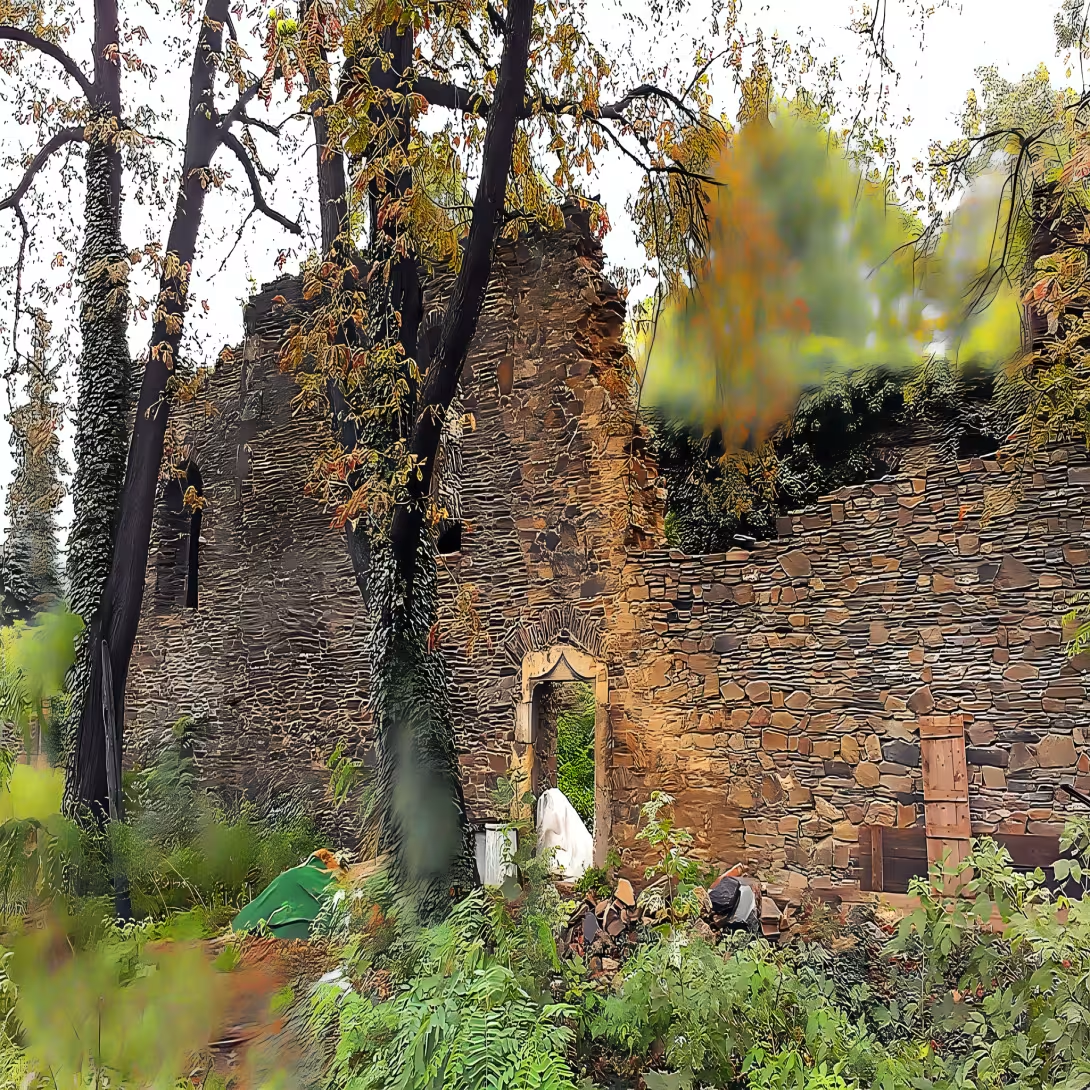
The Church of All Saints in KolínA is located close to Cologne Station. Today you will only meet here with ruins that are still protected as a cultural monument of the Czech Republic and testify about the rich past of this important Central Bohemian city.
The church was probably established between the end of the 13th and the beginning of the 14th century. The construction was financed by the proceeds of the silver mining that took place in Kolín, and this historical context explains the sometimes used adjoining of the church - the miners. The function of the church exceeded ordinary religious purposes; His cemetery served as a burial ground for people without rights to urban funerals, including those infected with diseases.
In the summer of 1611 the church underwent an important reconstruction. At the expense of Simon Shilhan of Choustník he was repaired and expanded. But after the 30-year war, he fell into abandonment. The following centuries have brought about a number of minor repairs, but they were not of a lasting nature. The worst hit came during World War II - the bombing of Kolín seriously damaged the construction of the bomb. The damage has complicated the activities of the homeless who recently sought shelter here.
The architecture of the church reflected the transition of styles. It was a single-boat building without a tower, built of stone, originally plastered. The main facade had four simple pilasters on the ground floor and a rococo shield on the upper part - strongly lined up at the top and sides with elegant spirals. A late Gothic entrance was opening from the left side. The ship was a rectangular shape with a wooden ceiling. The triumphal arch had a broken belt. The most special element was found in the chorus: the square space with the ribs of the cross arches which lay on the needles. There were gothic windows on three sides of the chorus, and the depth of the chorus was six meters.
Currently, access to ruins is not without limit. The preparatory work is under way to save this monument site, which is an unforgettable part of Cologne's history - the time of mining silver, wars and rebirth.
Then and now
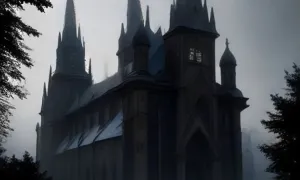
Drag the slider to compare how the landmark may have looked when it was built with the view today.
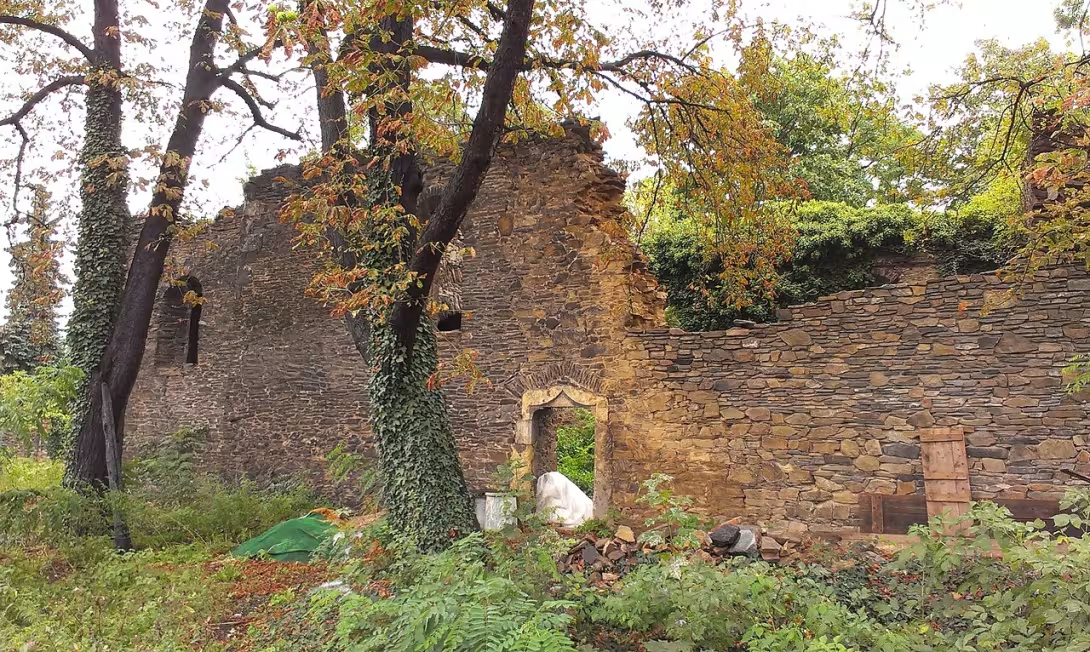
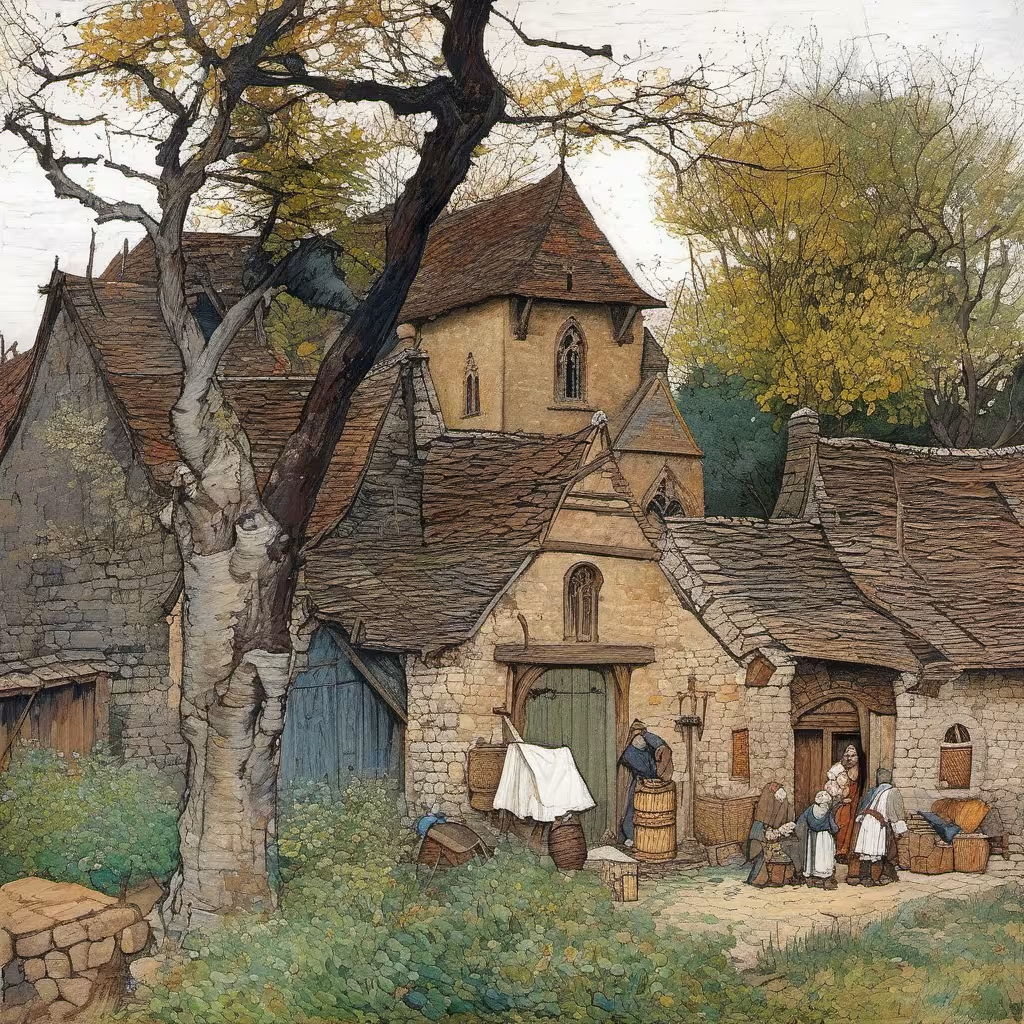
The historical appearance on the left is an AI-generated visualisation and serves as inspiration only.
Historical milestones
- 13.-14th century
- Church position probably from the proceeds of silver mining, the creation of a cemetery for persons without city rights
- 1611
- Repair and extension of the church at the expense of Simon Shilhanek from Choustník
- 1945
- Bomb impact during bombing Kolína, subsequent damage to construction
Architectural development
Originally a Gothic church of stone, probably from the late 13th or early 14th century. Later, it was supplemented with a rococo shield. After a 30-year war, it was desolate and repaired several times. Damaged by a World War II bomb and then neglected by the homeless.
Historical events
Likely creation of the church in connection with the mining of silver; repair and extension in 1611 at the expense of Simon Šilhanek of Choustník; severe damage during World War II during the bombing of Kolín.
Points of interest
- The Church of All Saints was probably built between the end of the 13th and the beginning of the 14th century thanks to the funding from the cologne mining of silver, which is why it is sometimes called * miners *.
He served as a burial ground for people without rights to urban funerals, including the sick.
- In 1611, at the expense of Simon Shilhanek of Choustnik, he was repaired and expanded.
- During World War II, he was severely damaged by bombing.
- The church choir had a square space with a cross arch on the needles and a depth of six meters.
Guide
This guide is narrated by a synthetic voice generated by artificial intelligence.
Show guide text
This text was created by artificial intelligence and has not been editorially reviewed. It may contain inaccuracies.
The Church of All Saints in Kolín is located next to Kolín railway station. Today only its ruins remain, yet it is still protected as a cultural monument of the Czech Republic.
The church was built in the late 13th or early 14th century, probably from the proceeds of silver mining. This is also where the nickname miners' church comes from, by which it is sometimes referred to. In the past, infected people were buried in the churchyard here, as well as those who had no rights to the town of Kolín.
In 1611, the church was repaired and extended at the expense of Šimon Šilhánek z Choustníka. After the Thirty Years' War it fell into disrepair and later underwent several renovations. It was most damaged by a bomb during the bombardment of Kolín in the Second World War. Further damage was caused by homeless people who sought shelter there in recent times. Access to the ruins is now restricted and preparatory work is underway to save them.
It was a single-nave stone structure without a tower, originally plastered, now partially demolished. The main façade had four simple pilasters on the ground floor and a Rococo gable above them. The gable was notably curved at the top and finished on the sides with spirals. On the left side of the church was a late Gothic entrance.
A rectangular nave was covered by a wooden ceiling. The choir was separated from it by a triumphal arch with a broken band. The choir was square, six metres deep, and had Gothic windows on three sides. The ribs of its cross vault rested on pyramidal consoles.
Tips for visitors
The best time to visit the ruins of the Church of All Saints is in the summer months when the weather is pleasant and nature around is in full bloom. It is ideal to visit it early in the morning or at the end of the afternoon when light is softer and photography excels. There are also fewer visitors in these hours, which allows for a more peaceful tour and better experiences from the historical environment.
The memory can be reached by car or public transport. The current connection and departure times can be found in the transport search engine.
Take comfortable shoes when visiting the ruins, because the terrain can be uneven and stone steps are not always in ideal condition. Next, I recommend you take enough water because there is no source of drinking water on the ruins. It is also appropriate to wear light but protective clothing, because the sun on the stone surfaces can be quite strong.
Ruins offer several interesting places for photography. It is best photographed here at sunset, when light illuminates the remains of the church from one side and creates interesting shadows. The most prominent places are the remains of the church ship and its plastered walls, which give the place a historic atmosphere. It is also recommended to photograph from different angles to capture different details and perspectives.
Several interesting places are worth visiting in the vicinity of the ruins, which are at most 30 minutes away. A little further along, about four kilometers, there is the Castle Kolín, which offers rich history and beautiful gardens.
For families with children a visit to the ruins of the Church of All Saints is a great opportunity to explore history and nature. Children can see the remains of the medieval church and imagine what it looked like before. In the area it is also possible to find interesting stones or small fossils that children can collect. It is also recommended to bring some activity such as drawing or painting so that children have something to do during the visit.
Frequently asked questions
Can the monument be visited?
Religious buildings are usually open mainly during services; at other times a visit is normally arranged with the parish or the operator. We have not verified specific times.
Where is the monument?
Location: Pod Hroby, Kolín IV, Kolín, Středočeský kraj. The map on this page shows the exact spot.
Why is the monument protected?
It is listed in the Central List of Cultural Monuments of the Czech Republic as a cultural monument (register no. 17045/2-3432).
For kids
Imagine going back to the past, until the Church of All Saints in Kolín was still young and full of life. That's when the cologne district was a village village where the people of the country lived. The church stood in the middle of the village and was their center.
It was like the capital he didn't go to. People came here to pray and celebrate holy days. The church was full of sounds of singing, chairs and organ. It was a mountain of beautiful art that humans created with their hands.
Businesses nearby
Do you run a restaurant, accommodation, shop, museum, rental, wellness or other visitor service near this monument? Show yourself directly to the people heading to it — this is how they will see you in the app and on the web:
Nearby
Neighborhood of Cologne Railway Station
Accommodation nearby
Trips and activities nearby
Guided tours, tickets and activities nearby from GetYourGuide
Affiliate link: if you buy from the partner, we may receive a commission. The price for you does not change.
Search tours and activities →Themed route
Thematic cruise route: Kolín IV - Travel between history and nature
1. Church of All Saints * Type: Pilgrimage Church * A unique Baroque building with rich decoration, associated with the legend of the miraculous painting of the Virgin Mary. Its quiet environment and historic atmosphere offers an ideal escape from the bustle of the city.
2. Kolín Railway Station * Type: Railway station * An architecturally interesting building from the end of the 19th century, which is an important hub of regional transport. It is an interesting example of industrial history for lovers of technology.
3. Natural Reservation Clips * Type: Protected area * A picturesque location with rich flora and fauna, ideal for a short walk or bird watching. Forest trails offer peace and natural beauty just a few kilometres from the center.
4. XZ Chateau * Type: Renaissance lock * One of the most important monuments of Cologne with rich history and picturesque park. Its interiors and surrounding gardens attract cultural experiences associated with Czech nobility.
* The route is designed to combine spiritual, historical and natural experiences around Kolína IV. *
Seasonal recommendations
Spring During the spring, when nature awakens to life, the ruins of the Church of All Saints in Kolín IV receive special spells. The light of the sun, which is reflected from the moist green of young leaves and scattered fog over the fields, creates soft, silvery shadows on the remains of the church. The air is saturated with the scent of wet earth and blooming trees, while the crow circling the ruins gives the place a mysterious atmosphere. It is an ideal time to visit, when the ruin appears to be a symbol of revival, even though it has long been at rest. It is recommended to arrive early in the morning when the surrounding area is still quiet and the light optimally illuminates the details of stone walls. Clothes should be comfortable, but wind protection - spring weather is variable, and rain showers can come unexpectedly.
Summer In the summer months, when the sun stands high and the heat is reflected from the dry earth, the ruins of the Church of All Saints act as a remnant of the past that resists time. The warm afternoon and long days allow you to explore every corner of the ruins, but also require caution - the sun without shade can be challenging. The surrounding area is lively, the fields and gardens around are in full harvest, and due to the proximity of the city, visitors with picnics or cyclists can appear in the vicinity of the ruins. It is recommended to visit the church in the morning when the shadow is long and the temperature is pleasant, and avoid the noon hours when the sun burns. Suitable is light but protective clothing, hat and plenty of water - dry summer can be challenging.
Autumn Autumn brings golden colors and quiet, nostalgic tones to Kolína IV that surround the ruins of the Church of All Saints as a veil. When tree leaves are painted red and yellow and fall on a decayed wall, it creates the impression that the monument itself is part of the natural cycle. The cold air and fog that rolls over the fields provide a mysterious, almost fairy-tale atmosphere. It is a period when the ruins appear to be the most mystical - suitable for photographers and lovers of peace. It is recommended to visit her in the morning when the light is soft and the fog has not yet disappeared. Clothes should be warm but not too massive - autumn weather changes rapidly, and rain can come anytime. Boots with good adhesion are suitable because wet soil can be slippery.
Winter The winter landscape around the ruins of the Church of All Saints is like a fairy tale - the white coating covers the remains of the church, and the freezing air gives the place a cool but beautiful atmosphere. The snow that settles on stones creates unique light effects, especially at sunrise or sunset, when the ruins appear to be carved from ice. The surrounding area is quiet, almost desolate, and the visit becomes an experience for those who seek silence and solitude. It is recommended to come on short winter days when light is intensified, and to avoid midday hours when the sun is weak. Clothes must be warm, wind resistant and suitable for walking on snow - shoes with good insulation and anti-slip soles are necessary. Due to lower temperatures and possible freezing of roads, it is advisable to check the current state of the access routes.
Visualizations and artistic views


The visualisations are generated by artificial intelligence and serve as inspiration.
Photos from the area
Real photos taken near the monument


Zdroj a licence jsou uvedeny u každého snímku.
Atmosphere of the place
This atmospheric visualisation of the place and period was generated by artificial intelligence. It is not real footage of the location.
Tips from visitors
No tips yet. Be the first!
Log in and add your tip.
Sources and literature
Photos: Kloin / CC BY-SA 3.0, rozlišení zvýšeno umělou inteligencí — Wikimedia Commons. The author and licence also appear when you hover over the image.
Faktickým podkladem tohoto textu byl článek na Wikipedii, jehož autory jsou přispěvatelé Wikipedie. Článek je dostupný pod licencí CC BY-SA 4.0.
Location on the map





Příběhy a pověsti
Legendy, pověsti a příběhy spjaté s touto památkou
Fotografie návštěvníků
Zatím žádné fotografie. Buďte první, kdo přidá fotografii z návštěvy!
Log in a přidejte svou fotografii nebo hodnoťte.
Za ověřenou návštěvu v aplikaci získáte víc bodů — poznáme podle GPS, že jste na místě.
Reviews and comments