






kostel Zjevení Páně (Panské Dubenky) Church
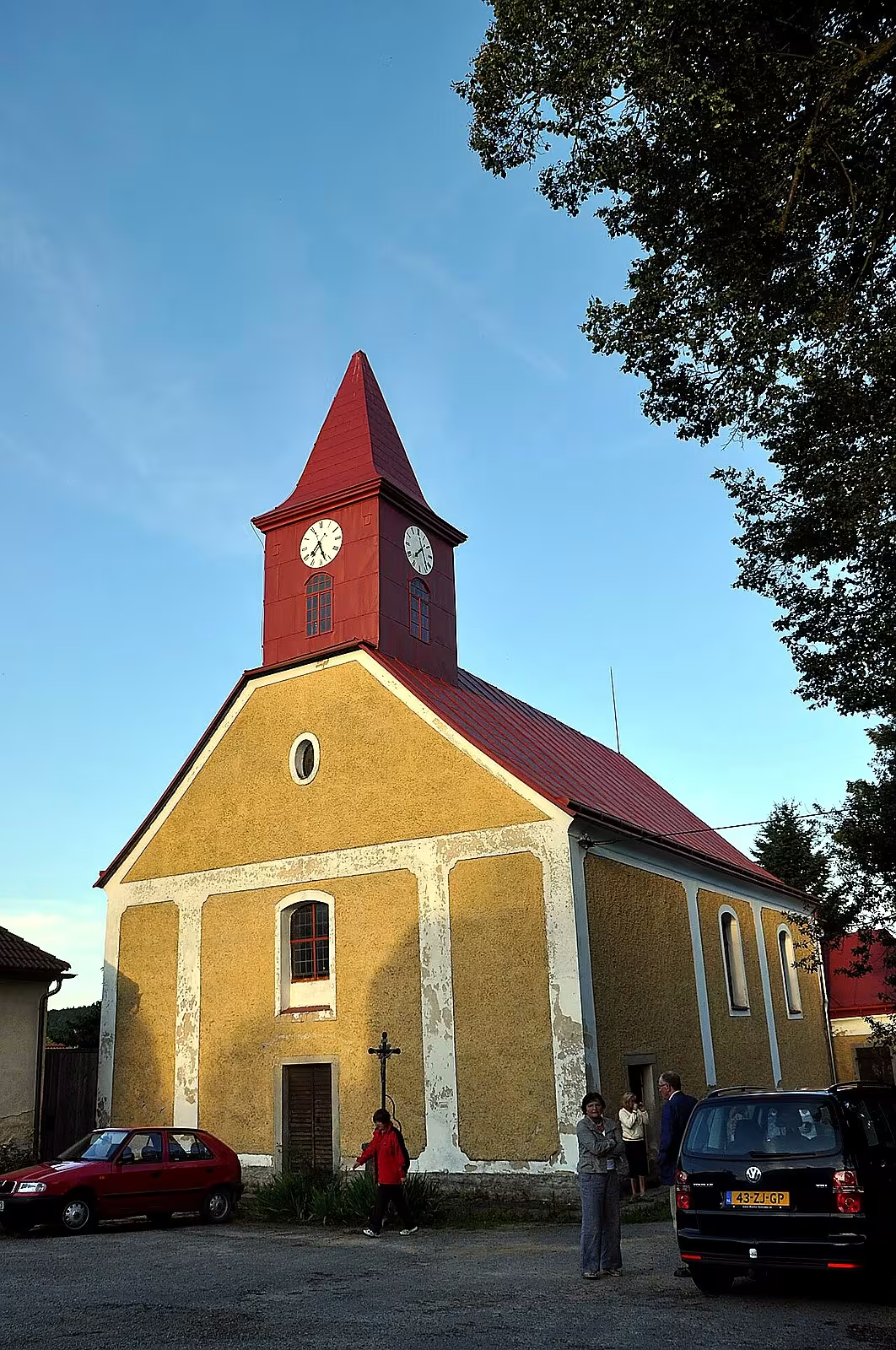
The Church of the Annunciation of the Lord in Panské Dubenky is a notable example of Josephinian architecture. It features ornamental frescoes and historical bells. Situated on the southern edge of the village within the Jihlava District of Vysočina Region, this single-nave church with a polygonal closure was built between 1787 and 1788 during Emperor Joseph II's enlightened absolutism.
The church emerged from an era marked by significant reforms across the Habsburg Monarchy, including Bohemia. In the late 18th century, Joseph II implemented changes affecting education, religion, and administration, reflecting enlightened ideals. This context influenced the church's design and purpose, aligning with broader societal transformations.
Architecturally, the Church of the Annunciation is distinguished by its classical style, characterized by a single nave and polygonal closure complemented by a front facade tower. The building features an intriguing illusionistic wall painting that creates architectural divisions within the interior space, enhancing visitors' visual experience. These frescoes include images of the four evangelists and saints Judas Thaddeus and John of Nepomuk, adding to its artistic allure.
Throughout its history, the church has undergone several renovations and restorations. In 1925, two bells dedicated to Saint Joseph and Jesus Christ were installed; one was requisitioned during World War II while another was hidden by a caretaker and later returned. The roof and tower received new tiles in 1935, along with the installation of a cross and belfry bell. By 1973, the original wooden altar had been removed, followed by reconstruction efforts that included wall insulation and repairs to the choir and nearby rectory. Frescoes were uncovered and restored in 1979, and the church was repainted in 1981.
The organ pipes, acquired from the Church of the Holy Spirit in Telč in 1795, add another layer of historical significance to the interior. In 1992, a bell dedicated to Saint George was installed, replacing one stolen in the 1990s with a new monstrance added in 2008. The church underwent further repairs and roof repainting in 2009.
Today, the Church of the Annunciation remains accessible for visitors, offering insights into its rich history and architectural beauty. Its preservation as a cultural monument ensures that future generations can appreciate this unique example of Josephinian architecture. Visitors are invited to explore its interior, where illusionistic frescoes and historical elements continue to captivate those who step through its doors.
Then and now
Drag the slider to compare how the landmark may have looked when it was built with the view today.
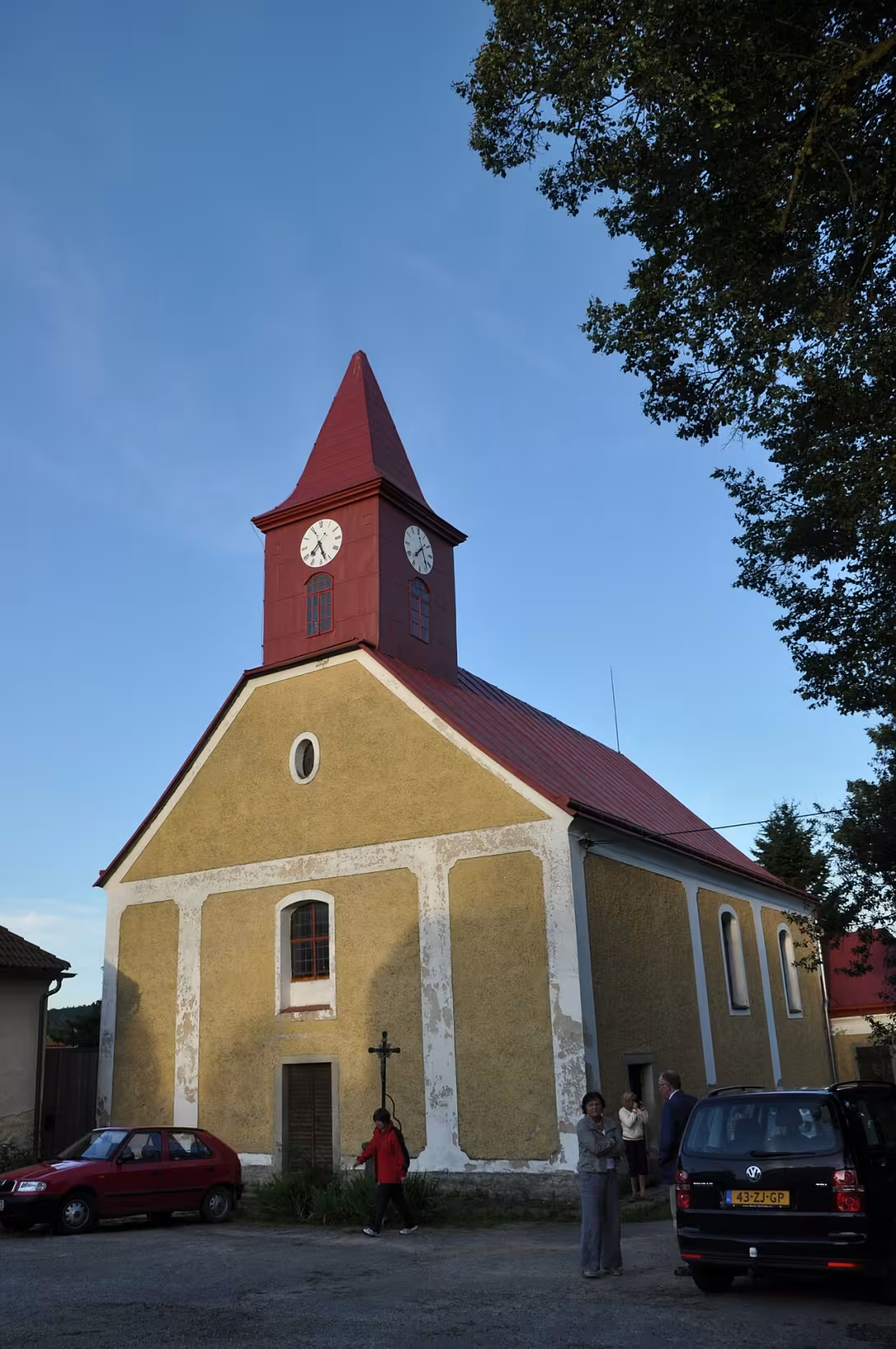

The historical appearance on the left is an AI-generated visualisation and serves as inspiration only.
Historical milestones
- 1788
- The church was completed.
- 1925
- Two bells dedicated to Saint Joseph and Jesus Christ were installed.
- 1935
- Roof and tower were covered with tiles; a cross and belfry bell were installed.
- 1973
- The original wooden altar was removed.
- 1979
- Frescoes were uncovered and restored.
- 1981
- The church was repainted.
- 1992
- A bell dedicated to Saint George was installed.
- 2008
- A new monstrance replaced one stolen in the 1990s.
- 2009
- The church underwent repairs and its roof was repainted.
Architectural development
The Church of the Annunciation underwent several renovations over the years. In 1935, its roof and tower were newly covered with tiles, and a cross and belfry bell were installed. The original wooden altar was removed in 1973, followed by reconstruction efforts that included wall insulation and repairs to the choir and nearby rectory. Frescoes were uncovered and restored in 1979, and the church was repainted in 1981.
Historical events
In 1925, two bells dedicated to Saint Joseph and Jesus Christ were installed in the church.
During World War II, one bell was requisitioned while another was hidden by the church caretaker and later returned.
Points of interest
- The Church of the Annunciation features an intriguing illusionistic wall painting that creates architectural divisions within its interior space, enhancing visitors' visual experience with images of the four evangelists and saints Judas Thaddeus and John of Nepomuk.
- During World War II, one of the church's bells dedicated to Saint Joseph was requisitioned, while another hidden by a caretaker was later returned, showcasing local efforts to preserve their cultural heritage during turbulent times.
- The organ pipes in the Church of the Annunciation were acquired from the Church of the Holy Spirit in Telč in 1795, adding historical significance and connecting it to other notable religious sites in the region.
- A bell dedicated to Saint George was installed in 1992 after one had been stolen in the previous decade, highlighting ongoing challenges in preserving historic artifacts amidst modern threats.
- In 2008, a new monstrance was added to the church's collection of historical elements, reflecting continuous efforts to maintain and enhance its religious and cultural significance.
Guide
This guide is narrated by a synthetic voice generated by artificial intelligence.
Show guide text
This text was created by artificial intelligence and has not been editorially reviewed. It may contain inaccuracies.
Welcome to the Church of the Annunciation of the Lord in Panské Dubenky, a remarkable example of Josephinian architecture that stands as a testament to both spiritual devotion and historical craftsmanship. As you stand before this serene structure, take a moment to absorb its elegant facade—a blend of simplicity and ornate detail that hints at the rich history within.
The church was completed in 1788, conceived during an era when architectural innovation flourished under Joseph II's reign. This period sought to modernize religious buildings while maintaining their sacred essence. The design by architect Jiří Trnka encapsulates this vision with its single nave and polygonal closure, topped by a tower that commands attention on the front facade.
As you look around, notice how the church harmoniously integrates its architectural elements. Although we cannot see every detail, imagine the play of light across the walls as it interacts with the illusionistic frescoes inside—a feature that creates an ethereal atmosphere and enhances the spatial experience. These paintings are a highlight, depicting the four evangelists alongside saints Judas Thaddeus and John of Nepomuk, inviting contemplation through their artistry.
The church's history is punctuated by significant events that have shaped its character over time. In 1925, two bells dedicated to Saint Joseph and Jesus Christ were installed, adding a resonant layer to the spiritual ambiance. Later, in 1935, the roof and tower received tiles, complemented by a cross and belfry bell, enhancing both functionality and aesthetics.
A pivotal moment came in 1973 when the original wooden altar was removed, marking a shift in the church's interior journey. However, it was in 1979 that the frescoes were uncovered and restored, breathing new life into this sacred space. By 1981, the entire church had been repainted, ensuring its preservation for future generations to admire.
While much about the individuals who contributed to its history remains unknown, their efforts have left an indelible mark on Panské Dubenky's cultural landscape. The church not only serves as a place of worship but also as a historical beacon that reflects the community's enduring faith and resilience through changing times.
One intriguing aspect is how World War II impacted this sacred site. Though details are scarce, it's fascinating to consider how such global events intersect with local history, influencing both physical structures and communal memory.
As you continue your exploration, let yourself be drawn into the church's tranquil atmosphere and historical narrative. Each corner holds a story waiting to be discovered, inviting you to delve deeper into its past while appreciating the craftsmanship that has stood the test of time.
Thank you for visiting this cherished landmark. May your journey through Panské Dubenky inspire reflection and curiosity as you uncover more of its hidden tales. Safe travels on your path of discovery!
Tips for visitors
The best time to visit the Church of the Annunciation of the Lord in Panské Dubenky is during late spring or early autumn, when the weather is pleasant for walking around and exploring the area. These seasons offer mild temperatures and beautiful natural surroundings, enhancing your experience as you admire the church's unique Josephinian architecture and ornamental frescoes. Additionally, visiting outside of peak tourist season can provide a more tranquil atmosphere, allowing you to appreciate the historical bells and serene environment without large crowds.
The church's location makes it easily reachable from nearby towns, ensuring a smooth visit whether you choose to drive or use public transport.
When visiting the Church of the Annunciation, consider bringing comfortable walking shoes and weather-appropriate clothing, as you may want to explore the surrounding area. A camera is essential for capturing the stunning architectural details and frescoes inside the church. Additionally, carrying a water bottle and some snacks can enhance your visit, especially if you plan on spending several hours exploring.
For photography enthusiasts, the best spots within the church are near the ornamental frescoes where natural light filters in through stained glass windows, creating vibrant color effects. Early morning or late afternoon visits may offer optimal lighting conditions for capturing these details. Outside, the church's exterior provides a picturesque backdrop against the landscape of Panské Dubenky.
Families with children will find the visit to the Church of the Annunciation enjoyable and educational. The historical significance and architectural beauty can captivate both adults and kids alike. Nearby, within 30 minutes, you might explore local nature trails or small parks where families can relax and enjoy outdoor activities after their church visit.
Frequently asked questions
Can the monument be visited?
Religious buildings are usually open mainly during services; at other times a visit is normally arranged with the parish or the operator. We have not verified specific times.
Where is the monument?
Location: Panské Dubenky, Kraj Vysočina. The map on this page shows the exact spot.
Why is the monument protected?
It is listed in the Central List of Cultural Monuments of the Czech Republic as a cultural monument (register no. 40511/7-5059).
Businesses nearby
Do you run a restaurant, accommodation, shop, museum, rental, wellness or other visitor service near this monument? Show yourself directly to the people heading to it — this is how they will see you in the app and on the web:
Accommodation nearby
Trips and activities nearby
Guided tours, tickets and activities nearby from GetYourGuide
Affiliate link: if you buy from the partner, we may receive a commission. The price for you does not change.
Search tours and activities →Themed route
Thematic Walking Tour: Discovering the Charm of Panské Dubenky
Welcome to a delightful exploration around the historic Kostel Zjevení Páně (Panské Dubenky), nestled in the serene village of Panské Dubenky. This tour will guide you through significant sites and local attractions within this quaint area.
1. Kostel Zjevení Páně (Panské Dubenky) - Type: Church - Why Visit: Begin your journey at the heart of Panské Dubenky with this stunning church, a testament to architectural beauty and spiritual heritage. Its intricate design and peaceful atmosphere make it a must-see for anyone interested in history or architecture.
2. Local Village Square - Type: Public Space - Why Visit: Just a short walk from the church, the village square offers an authentic glimpse into rural life in the Vysočina region. It's a perfect spot to relax and soak in the local ambiance, surrounded by traditional Czech architecture.
3. Village Museum - Type: Museum - Why Visit: Located nearby, this museum provides insight into the rich cultural history of Panské Dubenky. Exhibits showcase local traditions, crafts, and historical artifacts that highlight the village's unique heritage.
4. Community Park - Type: Park - Why Visit: Conclude your tour in a tranquil community park adjacent to the church. This green space is ideal for leisurely strolls or simply enjoying nature. It offers a peaceful retreat with beautiful landscaping and scenic views of the surrounding countryside.
This tour provides an enriching experience, combining historical exploration with local culture and natural beauty, all within the charming confines of Panské Dubenky.
Seasonal recommendations
Spring: Visiting the Church of the Nativity of the Lord (Panské Dubenky) during spring offers a unique experience as nature begins to awaken around this historic site in Vysočina Region. The landscape is adorned with vibrant wildflowers and budding trees, creating an enchanting atmosphere that complements the church's serene beauty. This season brings moderate weather, ideal for exploring both indoors and outdoors. Visitors should plan their trip during weekdays or early mornings to avoid larger groups of tourists who are drawn by the picturesque environment. Comfortable walking shoes and a light jacket are recommended due to the mild but occasionally unpredictable spring temperatures.
Summer: The summer months at the Church of the Nativity of the Lord (Panské Dubenky) highlight its architectural splendor under the warm, bright sunlight. This period is perfect for appreciating the intricate details of the church's design and enjoying outdoor activities in the surrounding lush greenery. Summer attracts more visitors, especially during weekends and peak holiday times, so arriving early can help avoid crowds. It's advisable to wear breathable clothing and bring sunscreen, a hat, and plenty of water to stay comfortable while exploring this historic gem during its busiest season.
Autumn: Autumn transforms Panské Dubenky with its stunning palette of reds, oranges, and yellows, providing a breathtaking backdrop for the Church of the Nativity of the Lord. The cooler temperatures make it an ideal time for leisurely strolls through the picturesque countryside surrounding the church. This season is less crowded than summer, offering a more tranquil experience. Visitors should dress in layers to accommodate the varying weather conditions and consider bringing a camera to capture the vibrant foliage that enhances the site's historic charm.
Winter: Winter at the Church of the Nativity of the Lord (Panské Dubenky) presents a serene and mystical atmosphere as snow blankets the landscape, adding a magical touch to the church’s historical architecture. While winter can be quieter in terms of visitor numbers, it's important to dress warmly with layers, including thermal wear and waterproof outer garments, to enjoy the chilly but enchanting surroundings. Early visits are recommended to make the most of daylight hours and ensure a peaceful experience amidst the wintry beauty.
Visualizations and artistic views


The visualisations are generated by artificial intelligence and serve as inspiration.
Photos from the area
Real photos taken near the monument


Zdroj a licence jsou uvedeny u každého snímku.
Tips from visitors
No tips yet. Be the first!
Log in and add your tip.
Sources and literature
Photos: Ben Skála, Benfoto / CC BY-SA 3.0 — Wikimedia Commons. The author and licence also appear when you hover over the image.
Faktickým podkladem tohoto textu byl článek na Wikipedii, jehož autory jsou přispěvatelé Wikipedie. Článek je dostupný pod licencí CC BY-SA 4.0.
Location on the map




Příběhy a pověsti
Legendy, pověsti a příběhy spjaté s touto památkou

Fotografie návštěvníků
Zatím žádné fotografie. Buďte první, kdo přidá fotografii z návštěvy!
Log in a přidejte svou fotografii nebo hodnoťte.
Za ověřenou návštěvu v aplikaci získáte víc bodů — poznáme podle GPS, že jste na místě.
Reviews and comments