






kostel Zvěstování Panny Marie (Ostřetín) Church
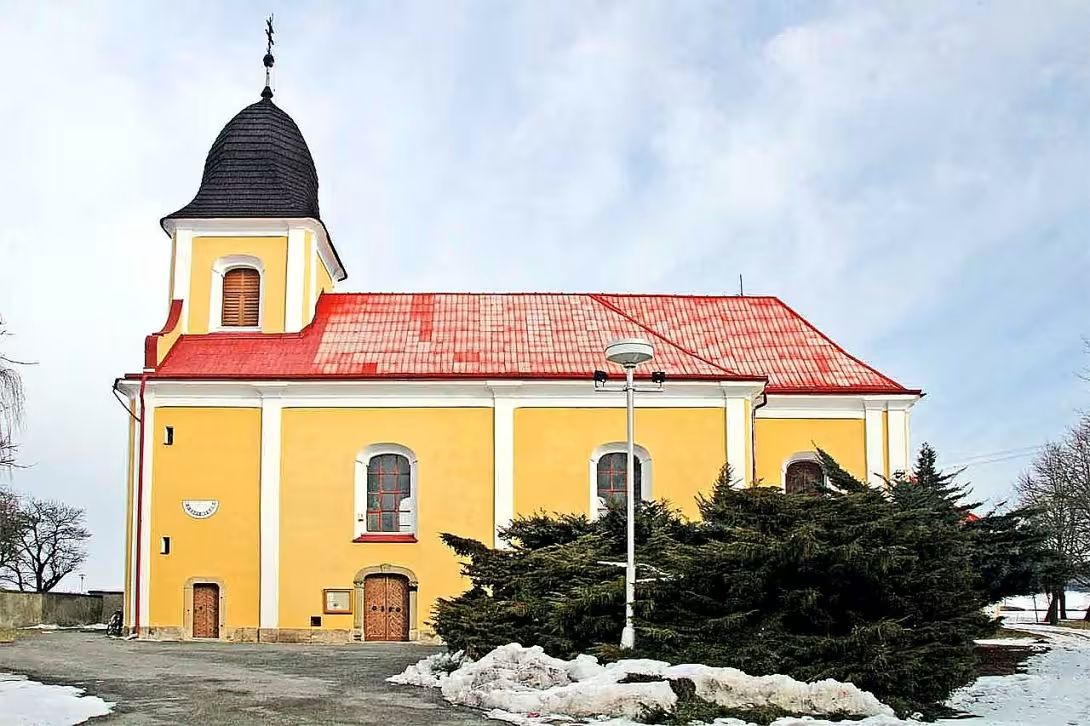
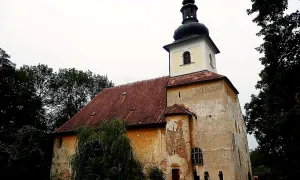
The Church of the Annunciation of the Virgin Mary in Ostřetín is a significant Baroque structure that dominates the village landscape. Located in the municipality of Ostřetín within Pardubice District, this church stands as both an architectural highlight and a cultural monument protected for its historical value. First mentioned in 1350 when it was transferred to the Litomyšl bishopric, the church has undergone several transformations over the centuries. Its current form dates back to 1781, replacing an earlier wooden structure that burned down during Prussian incursions in 1758.
The origins of this church are deeply rooted in its historical context within Bohemia, which was part of the Habsburg Monarchy during the 18th century—a period marked by significant cultural and architectural developments. The Baroque style, flourishing due to the Counter-Reformation's influence on religious architecture, is evident in the church's design. Initially a wooden structure serving as a filial church under various jurisdictions, it was rebuilt in stone after its destruction in 1758. This reconstruction led to the establishment of a small chapel before the present Baroque edifice was completed in 1781.
Architecturally, the Church of the Annunciation is characterized by its single-nave design with a rectangular floor plan oriented eastward. It features a tower at its western facade and includes a presbytery with pilasters and lisenas that add to its grandeur. The church's interior boasts a Baroque cartouche above the triumphal arch, enhancing its aesthetic appeal. The walls are adorned with pilasters—four on the façade and four on the sides—with doubled ones at the ends of the presbytery and sacristy. The main altar is graced by an Annunciation painting from the late 19th century, created by Jaroslav Hejda and Bartoloměj Hlaviňa.
Throughout its history, the church has seen various administrative changes. Initially a filial church under different jurisdictions, it became a local parish in 1854. The original wooden church's destruction during Prussian incursions led to significant rebuilding efforts, culminating in the current stone structure. Notably, an original painting by Jesuit Baroque painter Joseph Kramolin from 1781 is displayed on a side wall, adding historical depth to its artistic collection.
Today, the Church of the Annunciation remains a vital part of Ostřetín's cultural heritage. Its well-preserved Baroque architecture and rich history make it an intriguing site for visitors interested in religious art and architectural evolution. The church continues to serve as a place of worship while inviting tourists to explore its historical significance and artistic treasures. A visit to this monument offers a glimpse into the past, showcasing the enduring legacy of Baroque craftsmanship and the resilience of a community through centuries.
Then and now
Drag the slider to compare how the landmark may have looked when it was built with the view today.
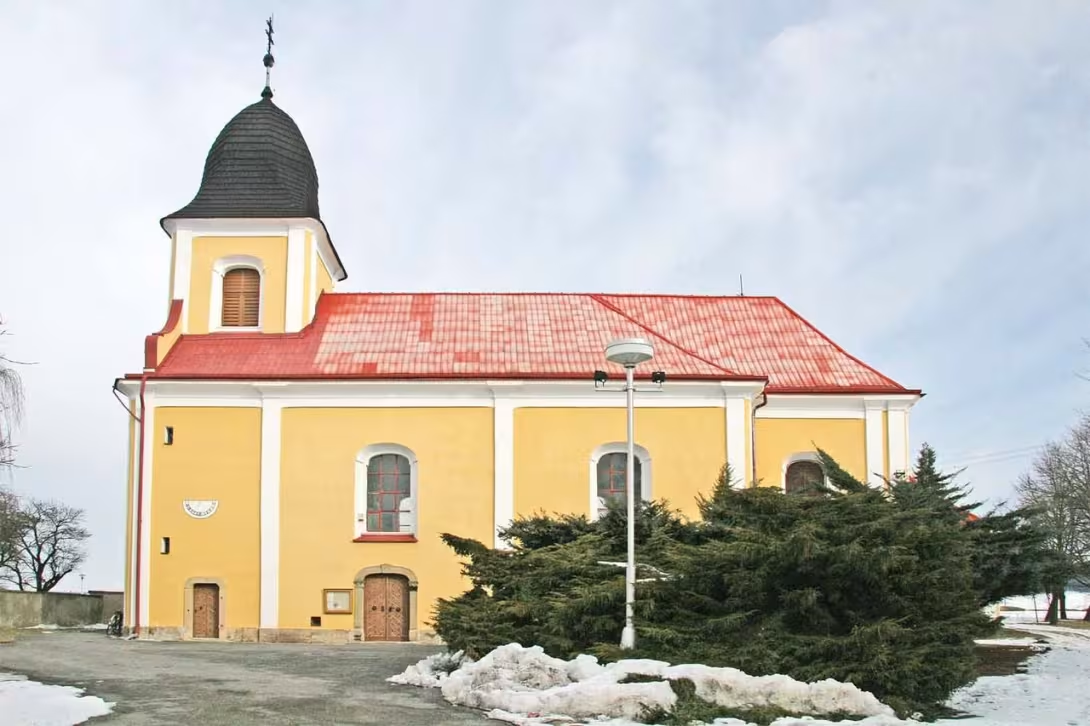
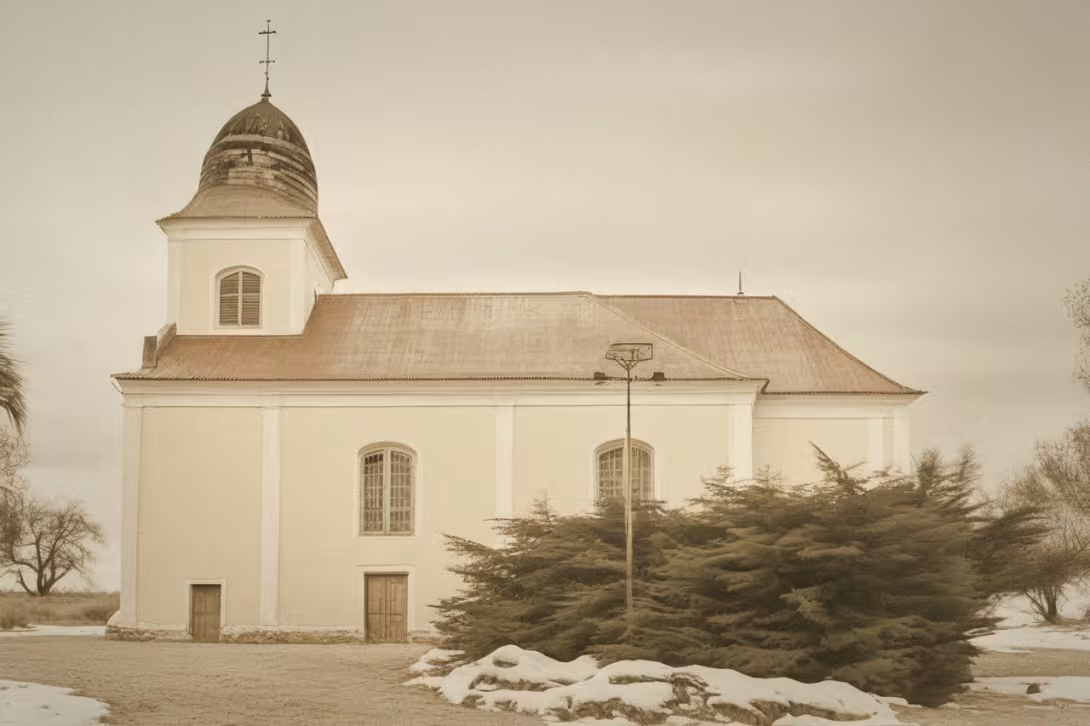
The historical appearance on the left is an AI-generated visualisation and serves as inspiration only.
Historical milestones
- 1350
- First written mention of the church when it was transferred to the Litomyšl bishopric.
- 1758
- The original wooden church burned down during Prussian incursions.
- 1781
- Construction of the current stone baroque church completed.
Architectural development
The current baroque church replaced an earlier wooden structure that was destroyed by fire in 1758. A small chapel was initially built before the present stone church was constructed in 1781. The church features pilasters, lisenas, and a baroque cartouche, reflecting its architectural style.
Historical events
1350: First written mention of the church when it was transferred to the Litomyšl bishopric.
1758: The original wooden church burned down during Prussian incursions, leading to the construction of a new stone building in 1781.
Points of interest
- The Church of the Annunciation's current Baroque structure replaced a wooden church that was destroyed during Prussian incursions in 1758, highlighting its resilience and historical significance.
- An original painting by Jesuit Baroque painter Joseph Kramolin from 1781 is displayed within the church, offering insight into the artistic influences of the period when it was rebuilt.
- Before becoming a local parish in 1854, the church served as a filial church under various jurisdictions, reflecting its evolving role within the religious and administrative landscape of Bohemia.
- The church's Baroque cartouche above the triumphal arch is a distinctive architectural feature that enhances its aesthetic appeal and underscores the influence of Counter-Reformation art on its design.
- Initially transferred to the Litomyšl bishopric in 1350, the church has witnessed numerous transformations over centuries, marking it as a site with deep historical roots within the Habsburg Monarchy's cultural developments.
Guide
This guide is narrated by a synthetic voice generated by artificial intelligence.
Show guide text
This text was created by artificial intelligence and has not been editorially reviewed. It may contain inaccuracies.
Welcome to the Church of the Annunciation of the Virgin Mary in Ostřetín, a remarkable baroque structure that stands as a testament to resilience and history. As you stand here, take a moment to soak in the grandeur of this church, which dominates the village landscape with its elegant lines and commanding presence.
Let's delve into its origins. The first written mention of this sacred site dates back to 1350 when it was transferred to the Litomyšl bishopric. Over time, the original wooden structure met a fiery end during Prussian incursions in 1758. In response to this loss, a new stone church began rising from the ashes, completed in 1781, marking a significant transformation not just in architecture but also in spirit.
As you gaze upon its single-nave design with a rectangular floor plan oriented eastward, notice how it harmonizes with the surrounding landscape. The western facade is particularly striking with its tower—a sentinel of faith and history that has watched over Ostřetín for centuries.
While specific architects remain unknown, their vision lives on in every detail you see today. Inside, an original painting by Jesuit Baroque painter Joseph Kramolin from 1781 awaits your attention. This artwork is a window into the past, capturing the essence of baroque artistry and devotion that defined its era.
The church's history is rich with stories of faith and perseverance. Its transformation from wood to stone symbolizes not just architectural evolution but also the enduring spirit of the community it serves. Though many historical figures associated with this site remain unnamed, their legacy is etched into every corner of this sacred space.
Now, let your curiosity guide you further. Explore the surroundings and imagine the lives that have passed through these doors over centuries. Each step within this church offers a chance to connect with history in a personal way.
As we conclude our tour, I invite you to linger a little longer, perhaps to explore more of Ostřetín or simply to reflect on what you've discovered here today. Thank you for joining me at the Church of the Annunciation of the Virgin Mary—may your visit inspire and enrich your journey.
Frequently asked questions
Can the monument be visited?
Religious buildings are usually open mainly during services; at other times a visit is normally arranged with the parish or the operator. We have not verified specific times.
Where is the monument?
Location: Ostřetín, Pardubický kraj. The map on this page shows the exact spot.
Why is the monument protected?
It is listed in the Central List of Cultural Monuments of the Czech Republic as a cultural monument (register no. 32383/6-5200).
Businesses nearby
Do you run a restaurant, accommodation, shop, museum, rental, wellness or other visitor service near this monument? Show yourself directly to the people heading to it — this is how they will see you in the app and on the web:
Accommodation nearby
Themed route
Thematic Walking Tour: Ostřetín and the Church of the Annunciation
1. Church of the Annunciation (Ostřetín)
Type: Historical Landmark
The centerpiece of this tour is the Church of the Annunciation, a stunning example of Baroque architecture located in the heart of Ostřetín. This church is renowned for its intricate design and historical significance, making it an essential visit for anyone interested in religious history or architectural beauty.
2. Local Cemetery
Type: Historical Site
Located just a short walk from the Church of the Annunciation, the local cemetery offers a serene environment to explore. It provides insight into the community's past and is home to several notable graves that reflect Ostřetín’s rich history. A visit here complements the church experience by offering context about the people who have been part of this area over the centuries.
3. Ostřetín Village Square
Type: Cultural Hub
The village square in Ostřetín is a charming spot that captures the essence of local life and culture. It's an ideal place to relax after exploring the church and cemetery, offering opportunities for reflection or casual conversations with locals. This area often hosts small community events and markets, providing a glimpse into the daily life and traditions of Ostřetín.
4. Ostřetín Community Center
Type: Cultural Venue
A short stroll from the village square leads to the Ostřetín Community Center. This venue is pivotal for local gatherings and cultural activities. It provides insights into contemporary community dynamics and serves as a bridge between the historical aspects of Ostřetín and its present-day vibrancy, making it an enriching stop on this tour.
This thematic walking tour offers a comprehensive exploration of Ostřetín’s heritage, culture, and community life, all centered around the Church of the Annunciation.
Seasonal recommendations
Spring: Visiting the Church of the Annunciation of the Virgin Mary in Ostřetín during spring is a delightful experience as nature awakens around this historic site. The surrounding landscapes are adorned with blooming flowers, creating a vibrant tapestry that enhances the church's serene beauty. The soft, diffused light of spring mornings and evenings adds an ethereal quality to the architecture, making it ideal for photography enthusiasts. Visitors should dress in layers to accommodate fluctuating temperatures and consider arriving early or later in the day to avoid larger crowds as people flock to enjoy the blossoming scenery.
Summer: In summer, the Church of the Annunciation of the Virgin Mary basks in long daylight hours, offering ample time for exploration. The lush greenery surrounding the church provides a picturesque backdrop that complements its historical architecture. This season is perfect for those who appreciate outdoor activities as well as cultural sites, with many visitors taking advantage of the pleasant weather to explore nearby trails and gardens. Due to increased foot traffic during this peak tourist period, it's advisable to arrive early in the morning or plan a visit later in the afternoon to enjoy a quieter experience. Comfortable walking shoes and light clothing are recommended.
Autumn: The autumn season brings a magical transformation to the Church of the Annunciation of the Virgin Mary with its surrounding foliage turning into brilliant shades of red, orange, and gold. The crisp air and softer sunlight create an inviting atmosphere that is perfect for leisurely strolls around the church grounds. This time of year often sees fewer tourists compared to summer, allowing visitors a more intimate experience with the site's historic charm. Layered clothing is essential to stay comfortable as temperatures can vary significantly throughout the day.
Winter: Visiting in winter offers a unique and serene perspective on the Church of the Annunciation of the Virgin Mary. The church stands majestically against a backdrop of snow-covered landscapes, creating a picturesque scene that feels both timeless and tranquil. Although daylight hours are shorter, the soft morning light can cast enchanting shadows across the church's façade. Visitors should be prepared for colder temperatures with warm clothing and possibly waterproof boots if there is snow or rain. It's also wise to check opening times in advance as they may vary during this season due to weather conditions.
Visualizations and artistic views


The visualisations are generated by artificial intelligence and serve as inspiration.
Photos from the area
Real photos taken near the monument


Zdroj a licence jsou uvedeny u každého snímku.
Tips from visitors
No tips yet. Be the first!
Log in and add your tip.
Sources and literature
Photos: Original uploader was Zp at cs.wikipedia / CC BY-SA 3.0 — Wikimedia Commons. The author and licence also appear when you hover over the image.
Faktickým podkladem tohoto textu byl článek na Wikipedii, jehož autory jsou přispěvatelé Wikipedie. Článek je dostupný pod licencí CC BY-SA 4.0.
Location on the map

Příběhy a pověsti
Legendy, pověsti a příběhy spjaté s touto památkou

Fotografie návštěvníků
Zatím žádné fotografie. Buďte první, kdo přidá fotografii z návštěvy!
Log in a přidejte svou fotografii nebo hodnoťte.
Za ověřenou návštěvu v aplikaci získáte víc bodů — poznáme podle GPS, že jste na místě.
Reviews and comments