






Kříž východně od Brzic Statue
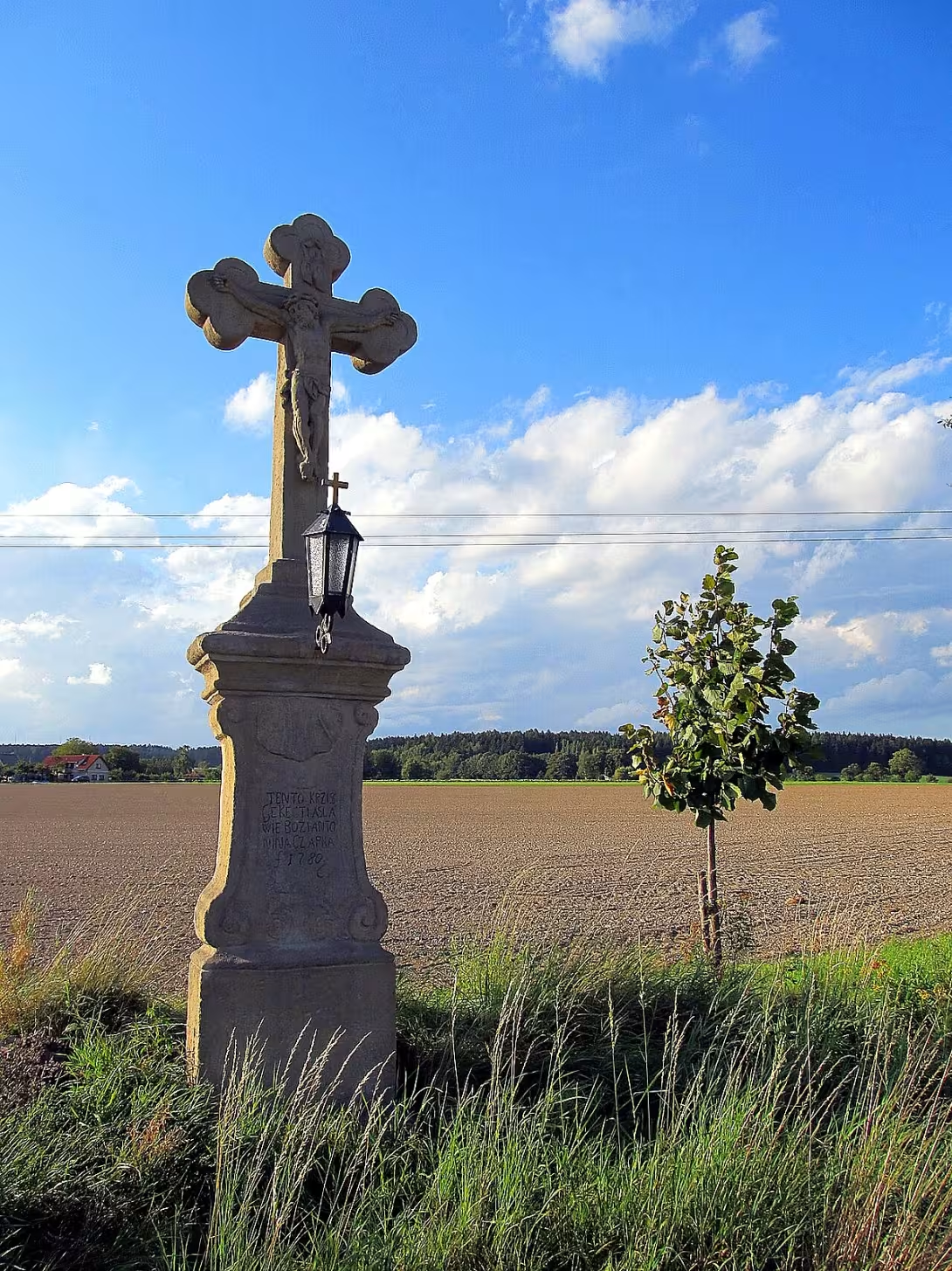
The Crucifix near Brzice is a notable baroque sculptural work carved from local sandstone by Antonín Čapek in 1780. Situated at a crossroads within the village of Brzice in the Náchod District of the Královéhradecký Region, this monument reflects the cultural and religious influences prevalent during the late 18th century when Bohemia was part of the Habsburg Monarchy. Recognized for its artistic significance, it was designated as a cultural monument on May 22, 2008, under registry number ÚSKP 103041.
Created in 1780 by Antonín Čapek, the crucifix exemplifies the baroque period's focus on religious themes with emotional intensity. This era integrated art and faith, crafting sculptures to inspire devotion and reflection among viewers. The use of local sandstone highlights regional craftsmanship and ties the monument to its geographical context.
Architecturally, the crucifix is a quintessential example of baroque style, featuring expressive details and folk art influences. It has a quadrangular base with a simple cornice and a pillar adorned with volutes at both top and bottom. The central element, a 190 cm high corpus on the cross, bears an inscription in majuscule letters: "TENTO KŘZÍŠS / GE KE CTI ASLÁ / WIE BOŽI ANTO / NINA CZAPKA / f 1780," indicating its devotional purpose. The crucifix is topped with a stylized scroll bearing the 'INRI' inscription, and Christ's figure displays a poignant expression, characteristic of baroque art's emotional depth.
Throughout its history, there have been no documented alterations or restorations to this monument, preserving its original form as intended by Čapek. Its designation as a cultural monument in 2008 underscores its historical and artistic value, ensuring its protection for future generations.
Today, the Crucifix near Brzice remains an accessible site that offers visitors insight into baroque religious artistry. Standing at a crossroads amidst a rural landscape, it invites contemplation of both its spiritual significance and its place within the broader cultural tapestry of the region. This monument is not only a piece of historical art but also a symbol of enduring faith and craftsmanship.
Visiting the Crucifix near Brzice provides an opportunity to connect with the past through its rich artistic heritage and serene setting, making it a worthwhile destination for those interested in history or art.
Then and now
Drag the slider to compare how the landmark may have looked when it was built with the view today.
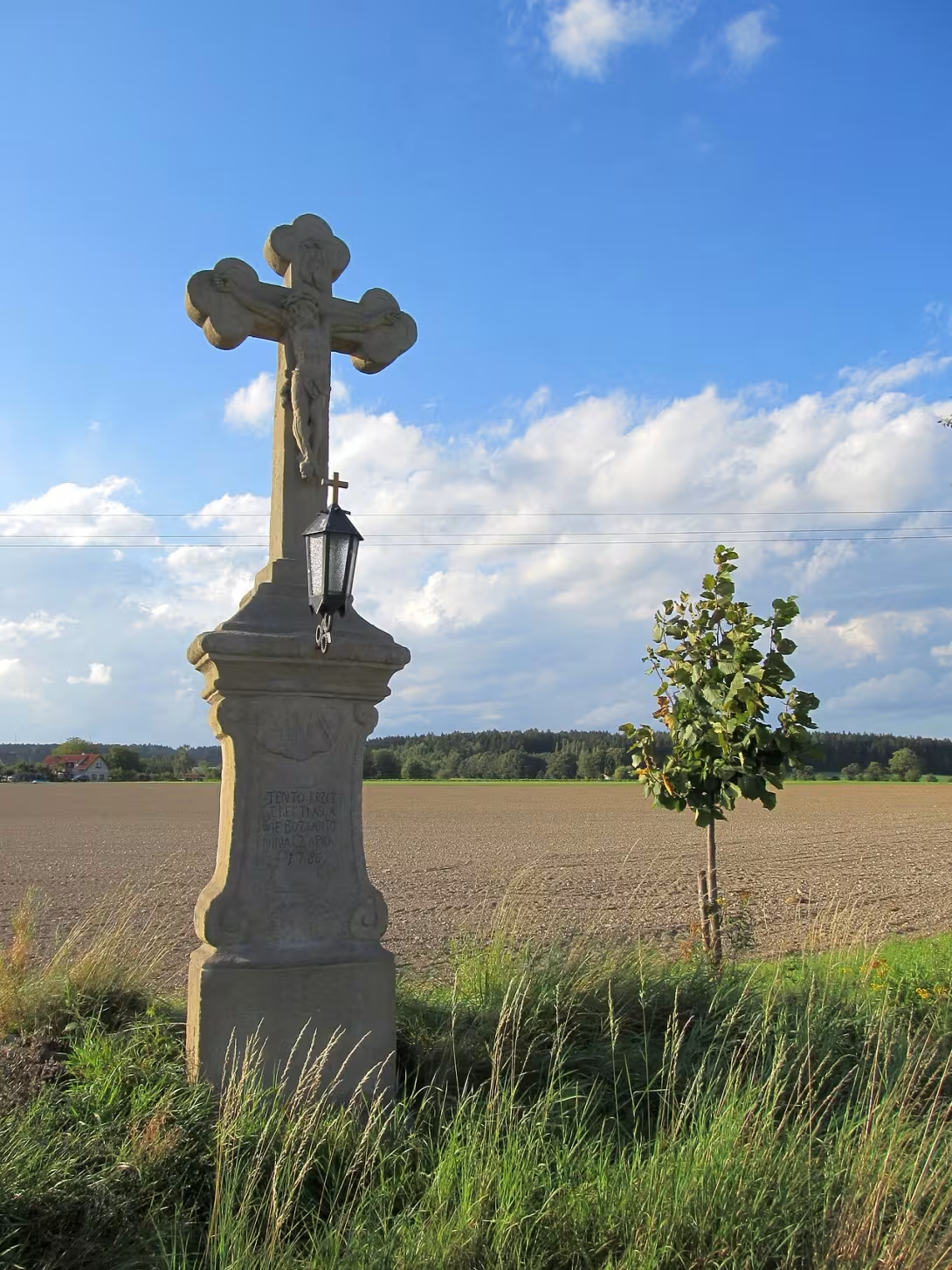

The historical appearance on the left is an AI-generated visualisation and serves as inspiration only.
Historical milestones
- 1780
- Antonín Čapek created the Crucifix near Brzice.
- 2008
- The crucifix was designated as a cultural monument.
Architectural development
The crucifix is constructed from local sandstone with a baroque style. It features a quadrangular base with a simple cornice and a pillar adorned with volutes, topped by the crucifix itself. The sculpture has undergone no documented alterations or restorations.
Historical events
In 1780, Antonín Čapek carved the crucifix as a devotional piece.
On May 22, 2008, it was designated as a cultural monument and protected under registry number ÚSKP 103041.
Points of interest
- The Crucifix near Brzice is one of the few remaining examples of Antonín Čapek's work, as many of his other sculptures have not survived due to natural erosion and lack of documentation. - Despite its designation as a cultural monument in 2008, there remains an ongoing debate among historians about whether Čapek was influenced by local folklore or specific religious orders when designing the crucifix. - Legend has it that during the late 18th century, villagers believed the crucifix had protective powers and would gather around it during times of illness or poor harvests to seek divine intervention. - Interestingly, the precise location where Čapek sourced the local sandstone used for the crucifix remains a mystery, with some suggesting it came from a now-inaccessible quarry deep within the Královéhradecký Region. - The inscription on the crucifix includes Antonín Čapek's name and the year 1780, but there is speculation that he may have incorporated symbolic elements into the design to reflect personal or spiritual messages not immediately apparent to viewers.
Guide
This guide is narrated by a synthetic voice generated by artificial intelligence.
Show guide text
This text was created by artificial intelligence and has not been editorially reviewed. It may contain inaccuracies.
At the crossroads in Brzicí on the Náchodsko region stands a stone crucifix. According to the inscription, it was carved by Antonín Čapek in the year 1780. The cultural monuments catalogue of the National Heritage Institute describes it as a folk stone sculpture with a Baroque artistic expression. It has been a cultural monument since June 24, 2008, based on a decision from May 22 of that same year.
The entire cross is made of local sandstone. On a base of sandstone slabs rests a 60 centimetre high cubic pedestal. Its front wall is slightly convex and without decoration, at the top it is closed by a simple grooved cornice. On the pedestal rises a pillar 125 centimetres high. Its corners at the top and bottom are decorated with volutes, that is, spiral shaped ornaments. At the base of the pillar between them is a simple floral motif in relief, at the top under the cornice a shell relief.
On the front wall of the pillar is an inscription carved in a simple cartouche in large letters in Old Czech. It proclaims that the cross is for the honour and glory of God, and lists the name Antonín Čapek and the year 1780.
The pillar is crowned by a wide profiled cornice, 90 centimetres wide. In the middle of its front part hangs a tin lamp for a candle. On the cornice stands a conical pedestal 40 centimetres high and on it the cross itself with the figure of Christ, also made of sandstone, 190 centimetres high. The arms of the cross end in trefoils. Along the entire perimeter of the cross runs a smooth band, worked more finely than the rest of the surface. Above the head of the Crucified One is an inscription INRI on a stylized unfurled scroll. The figure of Christ measures 80 centimetres. It is worked out in quality folk conception and its face has an expression of suffering. The back of the sculpture is smooth, without decoration and without inscriptions.
It is interesting how the appearance of the cross has changed in recent years. In a photograph from October 2002, the pillar is painted brown on the sides, the cartouche white and the background of the inscription black. Above the cross then bent the crown of a mature tree. In a photograph from November 2012, the entire cross is already without paint and instead of the old tree stands nearby a small, newly planted sapling. The cultural monuments catalogue makes no mention of these changes.
Frequently asked questions
Can the monument be visited?
This is a structure in a public space that can usually be seen from outside free of charge. We have not verified that this particular one is freely accessible.
Where is the monument?
Location: Brzice, Královéhradecký kraj. The map on this page shows the exact spot.
Why is the monument protected?
It is listed in the Central List of Cultural Monuments of the Czech Republic as a cultural monument (register no. 1153796334).
Businesses nearby
Do you run a restaurant, accommodation, shop, museum, rental, wellness or other visitor service near this monument? Show yourself directly to the people heading to it — this is how they will see you in the app and on the web:
Events nearby
Zdroj akcí: otevřená data měst a obcí ČR (Národní katalog otevřených dat) a kalendář akcí Národního památkového ústavu.
Nearby
Located near Brzice in the Náchod District of Královéhradecký Region, the crucifix stands at a crossroads. The surrounding area is characterized by its rural landscape.
Accommodation nearby
Themed route
Brzice Village Tour
1. Brzice Village: Start your tour in the charming village of Brzice, where you can explore its quaint streets and get a feel for rural life in the region. Be sure to visit the local church and see the traditional architecture of the village houses. 2. Brzice Pond: Take a short walk to the nearby pond, a peaceful spot surrounded by nature and perfect for a relaxing break. You can enjoy the scenery and perhaps spot some local wildlife. 3. Kříž východně od Brzic (The Crucifix East of Brzice): This is the main attraction of the tour, a beautifully crafted crucifix standing at a crossroads. Take a moment to appreciate the craftsmanship and history behind this striking landmark. 4. Brzice Crossroads: After visiting the crucifix, take a stroll around the surrounding crossroads, which offer a glimpse into the rural life and traditions of the area. You can see local farmers tending to their fields and animals, and get a sense of the community that lives here.
Seasonal recommendations
Jaro
In the spring season, there is special lighting that reveals details of the sculpture and nature around the monument begins to bloom. The atmosphere is calm and serene, allowing for a deeper exploration of the site. We recommend visiting Kříž east of Brzice in May or June when the weather is pleasant and nature is full of life. It's advisable to book in advance to avoid tourist crowds.
Summer
In the main summer season, Kříž east of Brzice is very popular, so it’s a good idea to visit early before larger crowds arrive. The lighting is the same as in spring, but nature is in full bloom and offers beautiful views. We recommend visiting the site in July or August when the weather is sunny and warm.
Autumn
In autumn, the nature around Kříž east of Brzice is beautifully colored, and the lighting is softer and golden. The atmosphere is calm and serene, allowing for a deeper exploration of the site. We recommend visiting the monument in September or October when the weather is pleasant and nature is full of colors.
Winter
In winter, Kříž east of Brzice is illuminated by lights that create a cozy and tranquil environment. We recommend visiting the site in January or February when the weather is cold and calm. It's advisable to book in advance to avoid tourist crowds and enjoy exploring the monument in peace.
Visualizations and artistic views


The visualisations are generated by artificial intelligence and serve as inspiration.
Photos from the area
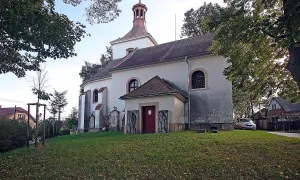
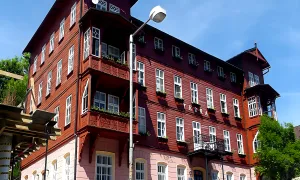
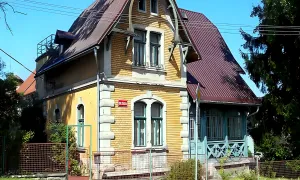
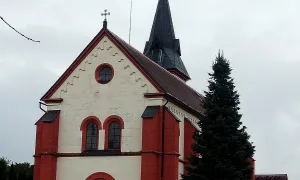
Real photos taken near the monument


Zdroj a licence jsou uvedeny u každého snímku.
Tips from visitors
No tips yet. Be the first!
Log in and add your tip.
Sources and literature
Photos: Ewwwa / CC BY-SA 3.0 — Wikimedia Commons. The author and licence also appear when you hover over the image.
Faktickým podkladem tohoto textu byl článek na Wikipedii, jehož autory jsou přispěvatelé Wikipedie. Článek je dostupný pod licencí CC BY-SA 4.0.
Location on the map

Příběhy a pověsti
Legendy, pověsti a příběhy spjaté s touto památkou
Fotografie návštěvníků
Zatím žádné fotografie. Buďte první, kdo přidá fotografii z návštěvy!
Log in a přidejte svou fotografii nebo hodnoťte.
Za ověřenou návštěvu v aplikaci získáte víc bodů — poznáme podle GPS, že jste na místě.
Reviews and comments