






Kundratka Other
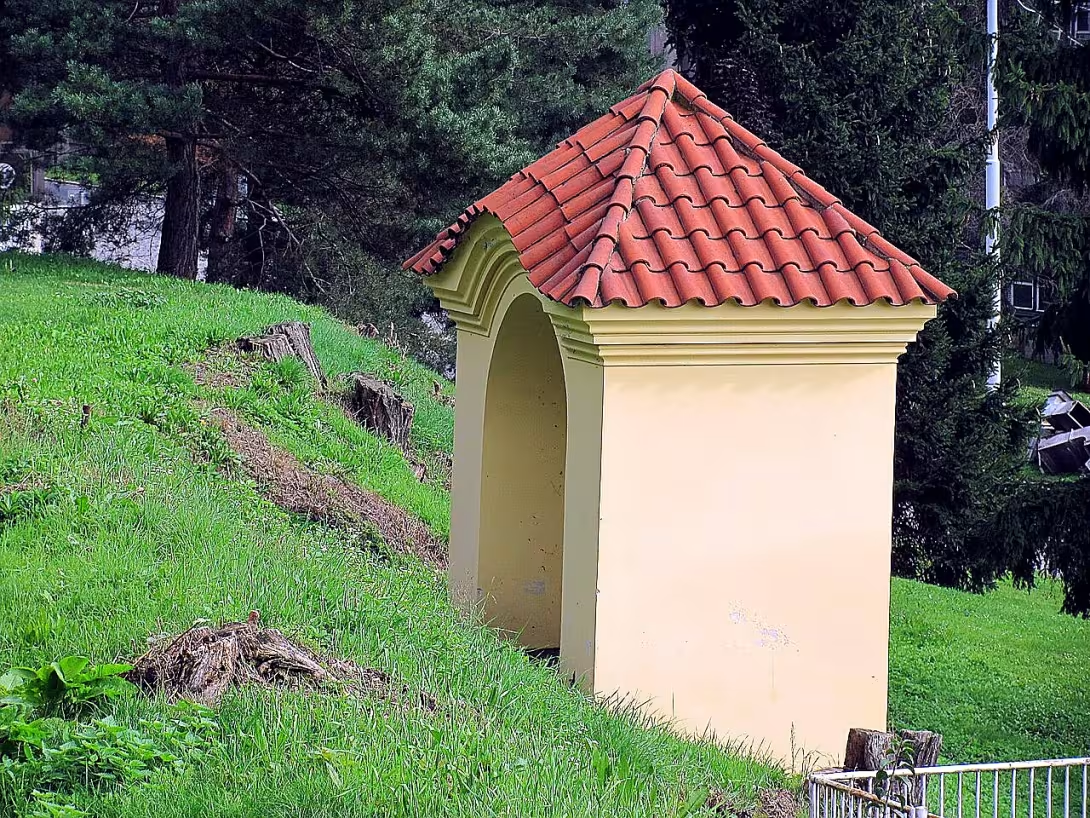
Objekt se nedochoval — na místě dnes nestojí. Následující text popisuje jeho historii, ne současnou návštěvu.
Kundratka, also known as Šedivá, is a historical site located in Prague 8-Libeň near Prosecká Street. This former estate is notable for its preserved baroque niche chapel, despite the demolition of other structures in 1966. The site's history dates back to the 16th century when it was owned by the Vořikovský z Kunratic family, a prominent noble lineage influential in Prague’s civic life.
The origins of Kundratka trace back to the 16th century under the ownership of the Vořikovský family. The estate's name emerged during this period when held by the Vořikovský z Kunratic, an influential noble family in Prague’s Old Town. Bohuslav Jan Vořikovský, a member of this family, served as Prague's Old Town mayor from 1699 to 1723, highlighting their prominence.
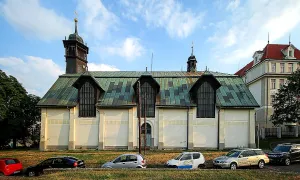
Architecturally, Kundratka initially comprised two separate properties: Kundratka (No. 79) and Šedivá (No. 78). By the end of the 19th century, these were unified under one name. The estate featured three residential and agricultural buildings, with a smaller structure named Šedivá situated approximately 130 meters to the east. A significant architectural element is the baroque niche chapel from around the mid-18th century, which remains preserved today.
Ownership of Kundratka changed hands several times over the centuries. After the Vořikovský family's tenure ended in the mid-18th century, Dorota Vlčková acquired the estate. In the early 19th century, Josef Aubek owned both estates and their lands. By 1894, Anna Hamplová became the owner, during whose time a new Hoffmann-type twelve-chamber kiln was constructed in 1900 by architect Josef Blecha. This modernization reflected industrial advancements in brick production. In 1926, Vilemína Kliková owned the estate and continued operations until before 1938 despite structural issues requiring repairs.
Key events at Kundratka include its architectural evolution and eventual decline. The construction of a new Hoffmann-type kiln in 1900 marked an industrial advancement on the site. However, by 1966, the main structures were demolished, leaving only the baroque chapel intact. This chapel stands as a testament to the estate's historical significance.
Today, Kundratka is primarily known for its preserved baroque niche chapel. While the main structures no longer exist, this chapel offers visitors a glimpse into the site’s rich history and architectural heritage. Its preservation amidst modern urban development makes it a noteworthy destination for those interested in Prague's layered past. Visitors are invited to explore this historical monument, appreciating its enduring legacy as part of Prague 8-Libeň's cultural tapestry.
Then and now
Drag the slider to compare how the landmark may have looked when it was built with the view today.
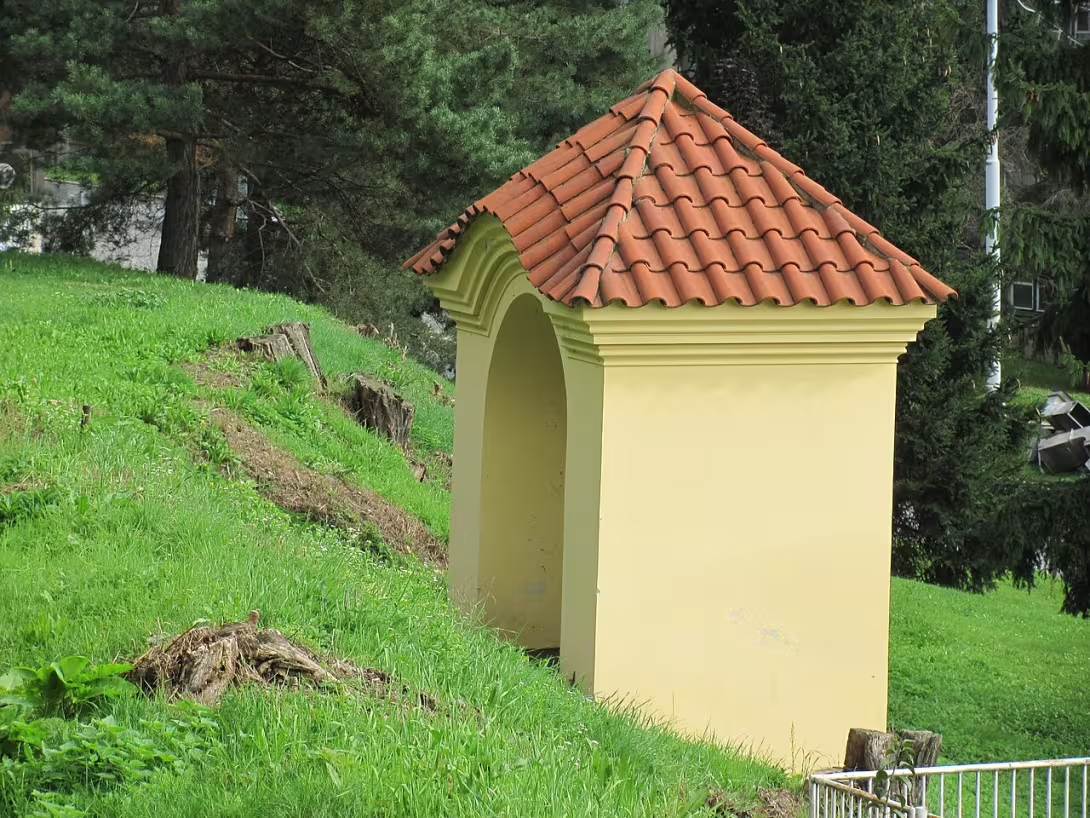

The historical appearance on the left is an AI-generated visualisation and serves as inspiration only.
Historical milestones
- 16th century
- Kundratka owned by Vořikovský z Kunratic family.
- 1699
- Bohuslav Jan Vořikovský becomes Prague's Old Town mayor.
- 1723
- End of Bohuslav Jan Vořikovský's mayoral term.
- mid-18th century
- Ownership changes from Vořikovský family to Dorota Vlčková.
- 1900
- Construction of Hoffmann-type kiln by Josef Blecha.
- 1966
- Demolition of main structures, chapel preserved.
Architectural development
The estate initially consisted of two separate properties that were later unified. In 1900, a modern Hoffmann-type kiln replaced older facilities, reflecting industrial advancements in brick production. Despite its historical significance, the estate's main structures were demolished by 1966, leaving only the baroque chapel intact.
Historical events
16th century: The name Kundratka originated under the ownership of the Vořikovský family.
1699-1723: Bohuslav Jan Vořikovský served as Prague's Old Town mayor.
1900: A new Hoffmann-type twelve-chamber kiln was constructed by architect Josef Blecha.
1966: The main structures of the estate were demolished.
Owners
1546: Vořikovský z Kunratic (Kundratic) family
Mid-18th century: Dorota Vlčková
Early 19th century: Josef Aubek
1894: Anna Hamplová
1926: Vilemína Kliková
Points of interest
- The name "Kundratka" is believed to have originated from a personal name, reflecting the common practice of naming estates after individuals or families associated with them during their ownership.
- Despite its demolition in 1966, Kundratka's baroque niche chapel was preserved due to its architectural significance and historical value, serving as a rare example of mid-18th century religious artistry amidst modern urban development.
- The Hoffmann-type kiln constructed on the estate in 1900 represents one of the early industrial advancements in Prague, showcasing innovative brick production techniques that were ahead of their time during the turn of the 20th century.
- In a surprising twist of ownership history, after the Vořikovský family's tenure ended, Dorota Vlčková became the owner, marking a transition from noble to more diverse ownership reflecting broader societal changes in property rights and economic status in Prague.
- The unification of Kundratka (No. 79) and Šedivá (No. 78) under one name by the end of the 19th century illustrates the evolving landscape of land ownership and estate management, as well as the merging of identities within urban development narratives.
Guide
This guide is narrated by a synthetic voice generated by artificial intelligence.
Show guide text
This text was created by artificial intelligence and has not been editorially reviewed. It may contain inaccuracies.
Kundratka, also called Šedivá, was a homestead in Prague's Libeň district, north of today's Prosecká street. It no longer stands today. It is recalled only by a small baroque structure.
Originally, it consisted of two separate vineyards and homesteads, Kundratka with description number 79 and Šedivá with number 78. From the eighteen forties they belonged to the same owner. Under the single name Kundratka, but still with both description numbers, they merged only at the end of the nineteenth century. Kundratka comprised three residential and farm buildings. The smaller Šedivá building had a square footprint and stood about one hundred thirty metres to the east.
The name Kundratka dates back to the sixteenth century. The vineyard was then held by the Vořikovský family from Kunratic, also written as from Kundratic. It was an Old Town family, bourgeois from fifteen forty-six, which acquired a coat of arms in the seventeenth century. Its members held important municipal offices, for instance as aldermen. Bohuslav Jan Vořikovský was mayor of the Old Town from sixteen ninety-nine to seventeen twenty-three.
The Vořikovskys held the Libeň vineyard only until the mid-eighteenth century. It was then acquired by the widow Dorota Vlčková. In the first half of the nineteenth century, Josef Aubek owned both homesteads along with the land. From eighteen ninety-four both buildings belonged to Anna Hamplová.
Anna Hamplová also owned a brickyard with clay pits to the west of the homestead. In nineteen hundred she had a new twelve-chamber Hoffmann-type kiln built in place of the old furnaces. It was designed and built by builder Josef Blecha. In nineteen three she had the neighbouring Šedivá demolished. She ran the brickyard with her son František, who later took it over.
In nineteen twenty-six the land with the brickyard belonged to Vilemína Kliková. The chimney and cracked walls of the kiln already needed repair, but it was never done. The owner devoted herself to sand extraction on the property and closed the brickyard before nineteen thirty-eight. During the Second World War industrial fats were produced in the yard. After nineteen fifty the brickyard was nationalised and the round kiln was demolished by nineteen fifty-three.
The Kundratka homestead itself ceased to exist in nineteen sixty-six. All that remained of it was a baroque niche chapel from around the mid-eighteenth century. It is protected as a cultural monument.
Businesses nearby
Do you run a restaurant, accommodation, shop, museum, rental, wellness or other visitor service near this monument? Show yourself directly to the people heading to it — this is how they will see you in the app and on the web:
Events nearby

Zdroj akcí: otevřená data měst a obcí ČR (Národní katalog otevřených dat) a kalendář akcí Národního památkového ústavu.
Nearby
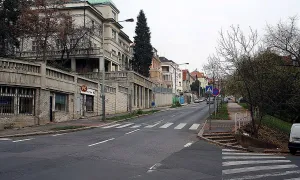
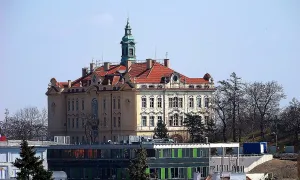
Kundratka is located in Prague 8-Libeň, near Prosecká Street. The area features a mix of historical and modern urban development.
Visualizations and artistic views


The visualisations are generated by artificial intelligence and serve as inspiration.
Photos from the area
Real photos taken near the monument

Zdroj a licence jsou uvedeny u každého snímku.
Tips from visitors
No tips yet. Be the first!
Log in and add your tip.
Sources and literature
Photos: Lukas panek / CC BY-SA 4.0 — Wikimedia Commons. The author and licence also appear when you hover over the image.
Faktickým podkladem tohoto textu byl článek na Wikipedii, jehož autory jsou přispěvatelé Wikipedie. Článek je dostupný pod licencí CC BY-SA 4.0.
Location on the map
Příběhy a pověsti
Legendy, pověsti a příběhy spjaté s touto památkou

Fotografie návštěvníků
Zatím žádné fotografie. Buďte první, kdo přidá fotografii z návštěvy!
Log in a přidejte svou fotografii nebo hodnoťte.
Za ověřenou návštěvu v aplikaci získáte víc bodů — poznáme podle GPS, že jste na místě.
Reviews and comments