






Libeňský plynojem Water structure
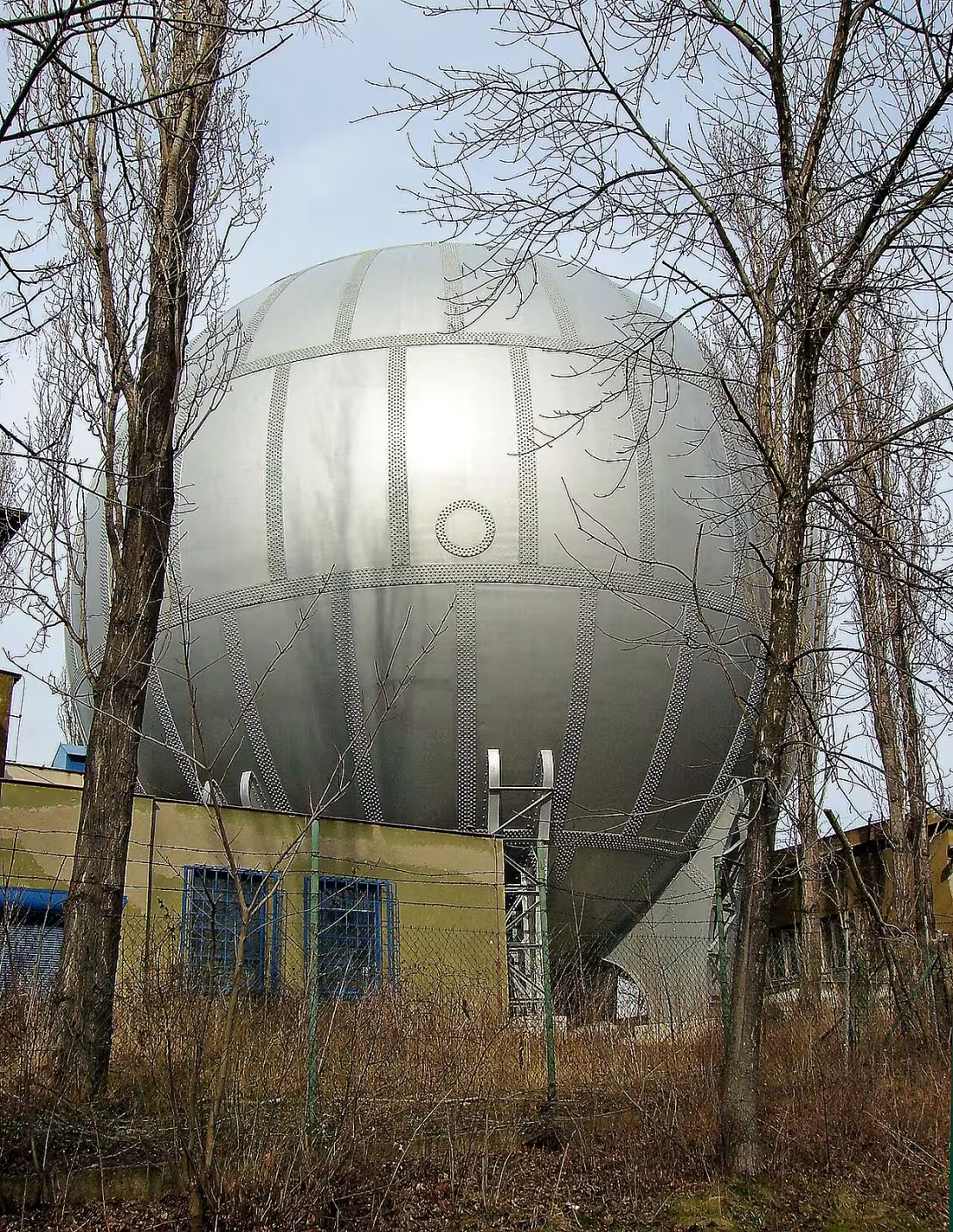
The Libeňský plynojem, commonly known as 'Koule', is a distinctive technical structure located in the Prague district of Libeň. Built in 1932 by Vítkovické hutní těžařství and equipped by Českomoravská Kolben-Daněk for Pražská obecní plynárna, it originally served as a pressure gas holder to meet the growing industrial demands of Libně, Karlín, Holešovice, and Vysočany. After being damaged during World War II, it was repurposed in 1949 by the Výzkumné a zkušební letecké ústavu as an underpressure reservoir for aerodynamic testing at high speeds (up to Mach 3.5). Today, it stands as a unique experimental facility for aerodynamics and fluid dynamics research.
Constructed in response to early 20th-century Czechoslovakia's rapid industrial growth, the Libeňský plynojem was built by Vítkovické hutní těžařství and equipped by Českomoravská Kolben-Daněk for Pražská obecní plynárna. It addressed increasing industrial demands in areas such as Libně, Karlín, Holešovice, and Vysočany. The project was led by Tomáš Keclík, a stavební inženýr based in Prague.
Architecturally notable for its innovative design, the Libeňský plynojem is one of the first pressure gas holders in Czech lands during the 1930s. It features a spherical shape with a twenty-meter diameter and stands on eight two-layered sheet metal legs set into concrete foundations. Constructed from 14 mm thick sheets joined by multi-row riveting, it was originally designed to hold significant volumes of pressurized gas. After World War II, the structure underwent modernization to serve as an underpressure reservoir for aerodynamic testing.
Ownership and administration have changed over time. Initially built in 1932 by Vítkovické hutní těžařství, it was repurposed in 1949 by the Výzkumné a zkušební letecké ústavu for aerodynamic testing purposes. This marked a shift from its original function as a gas holder to becoming an essential component of Czechoslovakia's research infrastructure.
Several key events have shaped its history. Constructed in 1932, it served as a pressure gas holder until World War II when it was damaged during the May Uprising of 1945 due to shrapnel from projectiles. In 1949, following repair and repurposing by Výzkumné a zkušební letecké ústavu, it began serving as an underpressure reservoir for aerodynamic testing. The structure has also been the subject of artistic interest, featuring in works by members of Skupina 42 and being mentioned in literary pieces by Bohumil Hrabal and Arnošt Lustig.
Today, the Libeňský plynojem is situated on a hill above the Palmovka intersection near Libeň. Although it no longer stands out due to surrounding urban development and vegetation, its historical significance remains intact. The site is accessible with permission from VZLÚ a.s., offering visitors a glimpse into both its industrial past and current role in aerodynamic research. Its unique history and transformation make it an intriguing destination for those interested in technological evolution and cultural heritage.
The Libeňský plynojem, or 'Koule', is more than just a technical structure; it embodies the dynamic interplay between industry, war, and scientific advancement. As both a historical artifact and a modern research facility, it offers a unique perspective on Czechoslovakia's technological journey. Visitors are invited to explore this remarkable site, where history and innovation converge in a single location.
Then and now
Drag the slider to compare how the landmark may have looked when it was built with the view today.
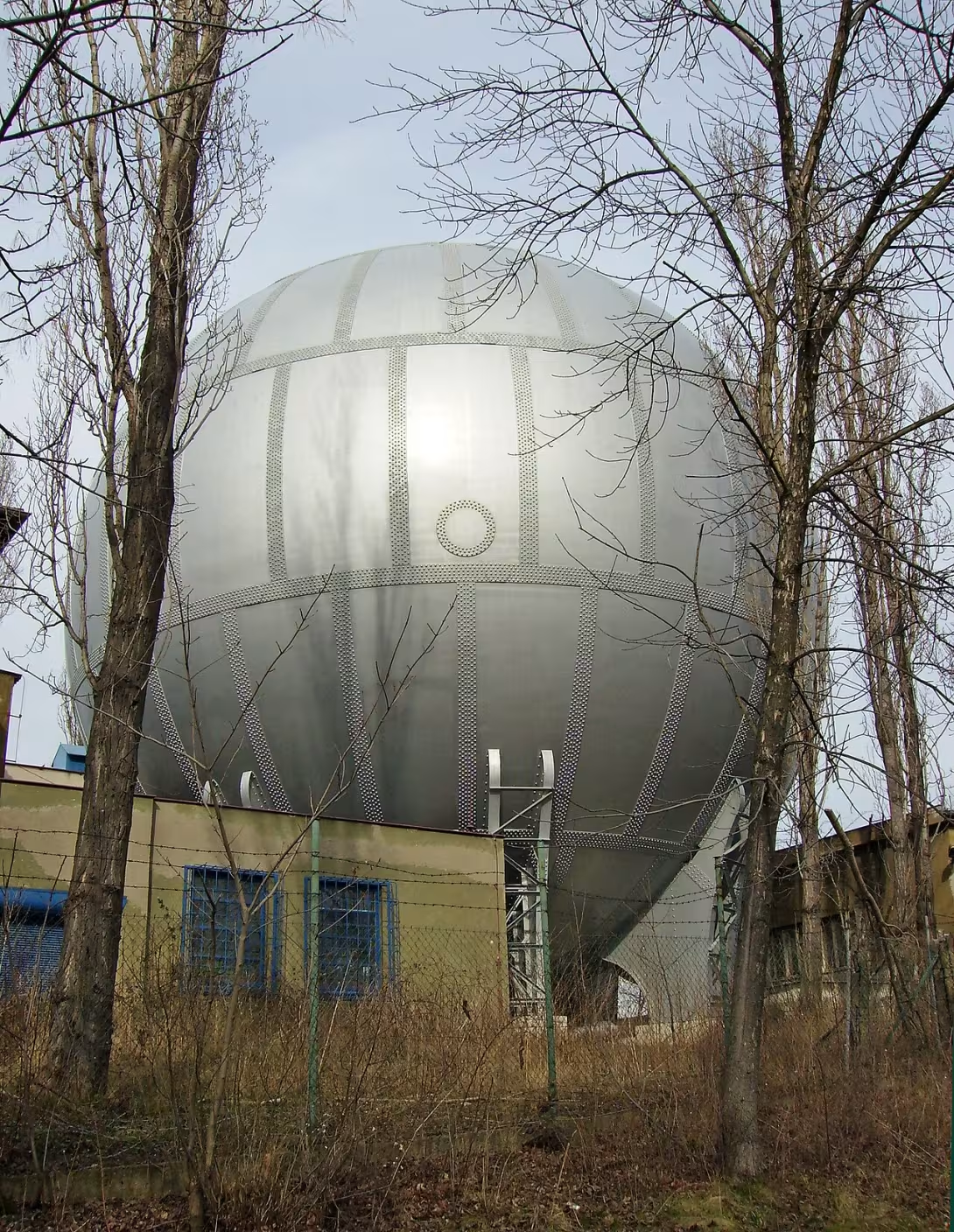

The historical appearance on the left is an AI-generated visualisation and serves as inspiration only.
Historical milestones
- 1932
- Construction completed as a pressure gas holder.
- 1945
- Damaged during World War II.
- 1949
- Repurposed for aerodynamic testing.
Architectural development
Originally constructed as a pressure gas holder in the early 20th century, the Libeňský plynojem was built with eight two-layered sheet metal legs set into concrete foundations. Made from 14 mm thick sheets joined by multi-row riveting, it underwent significant transformation post-World War II to serve as an underpressure reservoir for aerodynamic testing. The structure has been modernized over the years to maintain its functionality in high-speed fluid dynamics research.
Historical events
1932: Construction completed as a pressure gas holder for Pražská obecní plynárna.
1945: Damaged during the May Uprising of World War II, with significant structural damage from shrapnel.
1949: Repurposed by Výzkumné a zkušební letecké ústavu for aerodynamic testing.
Owners
Originally built by Vítkovický hutní těžařství in 1932; repurposed by the Výzkumné a zkušební letecké ústavu in 1949.
Points of interest
- The Libeňský plynojem was originally designed to hold significant volumes of pressurized gas but was later repurposed for aerodynamic testing at speeds up to Mach 3.5, showcasing an innovative shift in its use from industrial to scientific applications.
- Despite being damaged during the May Uprising of 1945 due to shrapnel from projectiles, the structure underwent repair and transformation into an underpressure reservoir, highlighting its resilience and adaptability over time.
- The Libeňský plynojem has been featured in artistic works by members of Skupina 42 and mentioned in literary pieces by Bohumil Hrabal and Arnošt Lustig, indicating its cultural significance beyond its technical functions.
- Initially constructed with a spherical shape and eight two-layered sheet metal legs set into concrete foundations, the Libeňský plynojem was one of the first pressure gas holders in Czech lands during the 1930s, marking an architectural milestone.
- Although it no longer stands out due to surrounding urban development and vegetation, the site remains accessible with permission from VZLÚ a.s., offering visitors insight into its historical industrial past and current role in aerodynamic research.
Guide
This guide is narrated by a synthetic voice generated by artificial intelligence.
Show guide text
This text was created by artificial intelligence and has not been editorially reviewed. It may contain inaccuracies.
Welcome to the Libeňský plynojem, affectionately known as 'Koule', a remarkable technical landmark nestled in the vibrant Prague district of Libeň. As you stand here, take a moment to absorb its unique presence—a testament to both history and innovation.
This impressive structure was brought to life in 1932 by Vítkovické hutní těžařství, with equipment from Českomoravská Kolben-Daněk for the Pražská obecní plynárna. Originally conceived as a pressure gas holder, it played a crucial role in meeting the industrial demands of Libně, Karlín, Holešovice, and Vysočany during an era of rapid growth.
Now, let’s delve into its architecture. Notice how this structure stands out with its distinctive design—a cylindrical form that once held significant volumes of pressurized gas. As you look around, imagine the bustling activity it witnessed in its early days, a vital lifeline for the surrounding communities.
The Libeňský plynojem has a storied past, marked by resilience and reinvention. After sustaining damage during World War II, it found new purpose in 1949 as an aerodynamic testing facility. This shift from industrial use to scientific exploration is nothing short of fascinating—repurposed for tests at speeds up to Mach 3.5.
As you continue your visit, ponder the ingenuity behind its transformation. From a crucial component of Prague's gas infrastructure to a hub of cutting-edge research, this structure embodies adaptability and progress.
Before we conclude, take a moment to appreciate the broader significance of this site. It’s not just an engineering marvel but also a symbol of how historical structures can evolve with time, serving new generations in unexpected ways.
As you move forward, let your curiosity guide you to explore more of Libeň's rich tapestry of history and innovation. Thank you for joining us on this journey through the past and present of the Libeňský plynojem. Safe travels as you continue to discover the wonders around you!
Tips for visitors
The best time to visit the Libeňský plynojem is during late spring or early autumn when the weather is pleasant, allowing for comfortable exploration of the area. The lighting at this time enhances the architectural details of the structure, making it ideal for photography enthusiasts. Additionally, visiting on weekdays can help avoid larger crowds typically found during weekends.
It's advisable to verify current routes and schedules using a local transit app or website for the most efficient travel plan.
When visiting Libeňský plynojem, it’s recommended to bring comfortable walking shoes as there may be some uneven terrain around the site. A camera is also suggested if you wish to capture the unique architectural features of 'Koule'. Given its urban setting, sun protection such as hats or sunscreen might be necessary during sunny days.
For photography enthusiasts, capturing the structure from a distance can provide an impressive view that highlights its iconic shape against the city skyline. Early morning light offers soft shadows and warm tones, ideal for photographing the building’s details. Exploring different angles around the site can also reveal interesting perspectives of this historical engineering marvel.
Nearby attractions within a 30-minute walk include sports facilities and modern residential areas that offer a glimpse into contemporary urban life in Prague. For families with children, these areas provide opportunities for recreational activities and exploring local amenities. The proximity to Palmovka intersection allows easy access to various dining options and shopping centers.
Frequently asked questions
Can the monument be visited?
This is a structure in a public space that can usually be seen from outside free of charge. We have not verified that this particular one is freely accessible.
Where is the monument?
Location: Libeň, Hlavní město Praha. The map on this page shows the exact spot.
Why is the monument protected?
It is listed in the Central List of Cultural Monuments of the Czech Republic as a cultural monument (register no. 1541693934).
Businesses nearby
Do you run a restaurant, accommodation, shop, museum, rental, wellness or other visitor service near this monument? Show yourself directly to the people heading to it — this is how they will see you in the app and on the web:
Events nearby

Zdroj akcí: otevřená data měst a obcí ČR (Národní katalog otevřených dat) a kalendář akcí Národního památkového ústavu.
Nearby
Located on a hill above the Palmovka intersection near Libeň, it is surrounded by urban development with proximity to sports facilities. The area features modern infrastructure and residential zones.
Accommodation nearby
Trips and activities nearby
Guided tours, tickets and activities nearby from GetYourGuide
Affiliate link: if you buy from the partner, we may receive a commission. The price for you does not change.
Search tours and activities →Themed route
Libeňský Plynojem and Surroundings Vélo Tour
1. Libeňský Plynojem (Water Tower) Begin your journey at the Libeňský Plynojem, a remarkable water tower that stands as an iconic piece of infrastructure in Prague. This modern architectural marvel offers panoramic views of the surrounding urban landscape and serves as a testament to the city's commitment to innovative design and functionality.
2. Palmovka Intersection (Urban Development) From the Libeňský Plynojem, head towards the Palmovka intersection. This area is characterized by its vibrant urban development, featuring contemporary residential zones that reflect Prague’s dynamic growth. The intersection itself is a bustling hub where modern life converges with historical charm.
3. Local Sports Facilities (Recreational Area) Continue your exploration to nearby sports facilities. These venues are integral to the community, offering spaces for both professional and recreational activities. They highlight the importance of health and wellness in urban settings and provide a lively atmosphere where locals gather to engage in various sports.
4. Residential Zones (Community Living) Wander through the adjacent residential zones, which showcase modern living with a blend of architectural styles. These areas are perfect for observing how contemporary infrastructure integrates into the city’s fabric, offering insights into the daily lives and environments of Prague's residents.
5. Park near Libeň (Green Space) Conclude your tour at a nearby park in Libeň, where you can relax amidst greenery after exploring urban landscapes. This serene space provides a refreshing contrast to the bustling city life and offers an ideal spot for reflection or leisurely strolls.
This thematic vélo tour encapsulates the essence of Libeň's unique blend of modern infrastructure and community-centric spaces, offering insights into both its architectural achievements and vibrant local culture.
Seasonal recommendations
Spring: Visiting the Libeňský plynojem during spring offers a unique experience as nature begins to awaken around this historic waterworks. The area is often adorned with blooming flowers and lush greenery, creating a picturesque setting that enhances its architectural beauty. This time of year sees moderate visitor numbers, making it an ideal period for those who prefer quieter explorations without the summer crowds. It's recommended to wear comfortable layers as temperatures can vary, allowing you to adjust easily between cool mornings and warmer afternoons.
Summer: The Libeňský plynojem is particularly vibrant in the summertime when daylight extends well into the evening, offering ample time for exploration. This period often coincides with peak tourist seasons, so it's advisable to arrive early in the day to avoid larger crowds who gather to enjoy the open-air environment and possibly engage in nearby water activities. Lightweight clothing is recommended due to warmer temperatures, along with sun protection such as hats or sunglasses.
Autumn: Autumn brings a stunning transformation around Libeňský plynojem, with foliage turning into brilliant shades of red, orange, and yellow. This season provides an atmospheric backdrop that complements the historic waterworks' aesthetic, making it a popular time for photography enthusiasts. As temperatures begin to cool, visitors should consider wearing layers that can be easily adjusted throughout their visit. The visitor flow tends to decrease compared to summer, offering a more relaxed experience.
Winter: In winter, Libeňský plynojem takes on an entirely different character as snow and ice create a serene and almost magical atmosphere around the waterworks. While some facilities might have reduced operating hours due to shorter daylight and colder weather, the site remains accessible for those wishing to witness its wintry charm. Visitors should dress warmly in insulated clothing and consider bringing gloves and hats to stay comfortable during their visit. The quieter winter months can provide a peaceful exploration experience away from the busier tourist seasons.
Visualizations and artistic views


The visualisations are generated by artificial intelligence and serve as inspiration.
Photos from the area
Real photos taken near the monument


Zdroj a licence jsou uvedeny u každého snímku.
Tips from visitors
No tips yet. Be the first!
Log in and add your tip.
Sources and literature
Photos: Petr Vilgus / CC BY 2.5 — Wikimedia Commons. The author and licence also appear when you hover over the image.
Faktickým podkladem tohoto textu byl článek na Wikipedii, jehož autory jsou přispěvatelé Wikipedie. Článek je dostupný pod licencí CC BY-SA 4.0.
Location on the map


Příběhy a pověsti
Legendy, pověsti a příběhy spjaté s touto památkou

Příběh: Libeňský plynojem
Bylo to v pondělí ráno, kdy Martin zjistil, že atmosféra kolem Libeňského plynojemu se náhle změnila. Měsíc nebyl tím jediným objektem, který zdvihl hlavu — …
Číst příběh
Pověst: Libeňský plynojem
Podle starých Libeňských pamětníků se jizvy na Kouli nikdy pořádně nezahojily — a to ani ty kovové, ani ty, které zůstaly v paměti čtvrti. Traduje se, že v …
Číst příběhFotografie návštěvníků
Zatím žádné fotografie. Buďte první, kdo přidá fotografii z návštěvy!
Log in a přidejte svou fotografii nebo hodnoťte.
Za ověřenou návštěvu v aplikaci získáte víc bodů — poznáme podle GPS, že jste na místě.
Reviews and comments