






Šilboch Castle
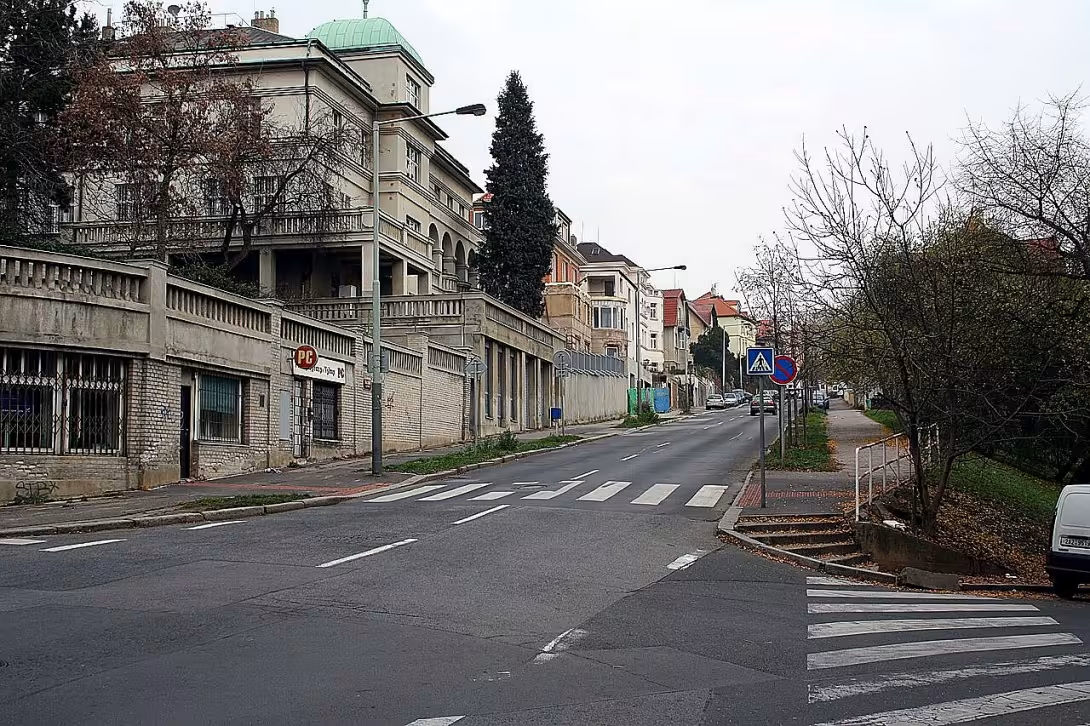
Šilboch stood on the corner of Prague streets In Varta and Na Stráží in Libni, in the place of the older estate, guarded by a tall rock called the Devil's Hill. Around her there were old rumors - the original people believed that the castle lord had signed up here and ended up in hell. In the middle of the 18th century, František Ferdinand Hilbert had a castle built on this rock. It was a simple, single storey building with three windows on each side on the ground floor and on the floor, with a small tower in the northeast decorated with a needle roof. On the southwest side of the adjacent terrace gave construction air content.
The name Šilboch has its origin in dramatic history. In 1757, Prussians took over Prague, and right here in Libni they set up a military position - the vartu. After losing the battle at Cologne on June 18 of the same year, when they quickly retreated, they forgot one soldier. According to the legend, he was taken by a local girl who married him. Local comenzali instead of calling it "On the Lost Warp" and later "On the Guard." The name has gradually collapsed from the German word Schildwache (guard) to Šilboch. A tin statue of a Prussian soldier stood before the castle in full armor, which was supposed to be the source of this legend. The statue got into the city museum later.
At the beginning of the 19th century Jan Karl Liebich owned the castle (1773- 1816), an intendant and director of the Stavovský Theatre. He became the center of the social life of leading Prague personalities - there were spectacular parties for nobles, rich townspeople, artists and scholars. The composer Carl Maria von Weber also came here during his stays in Prague. The carnival organized at Šilboch in February 1816 wrote a waltz for him. Liebich's memory also ranks among the first propagators of Christmas custom in Bohemia - on Christmas Day in 1812 he prepared a Christmas tree decorated with decorations for his guests. He brought this custom from his native Germany and gradually took over in Bohemia.
In the middle of the 19th century, it stopped being a residence and was converted into a inn on the guard. In 1896, the last owners were registered to Julie and Albert Weiss. Four years later, in 1900, the castle and the rock were torn apart. Physically, it no longer exists, but its legacy remains in the names of the surrounding streets and areas - Certová Vršek, Na Varta, Na Stráží, Podod Čertová skoda and Na zástáží commemorate the place where the real history and local legends were merged.
Then and now
Drag the slider to compare how the landmark may have looked when it was built with the view today.
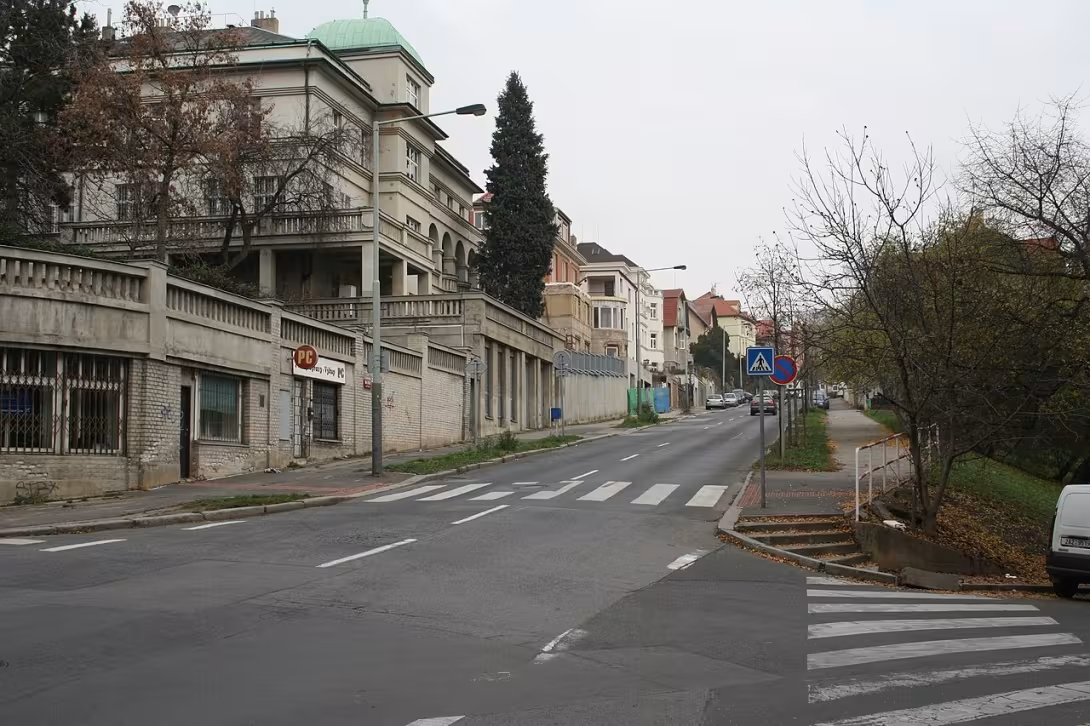
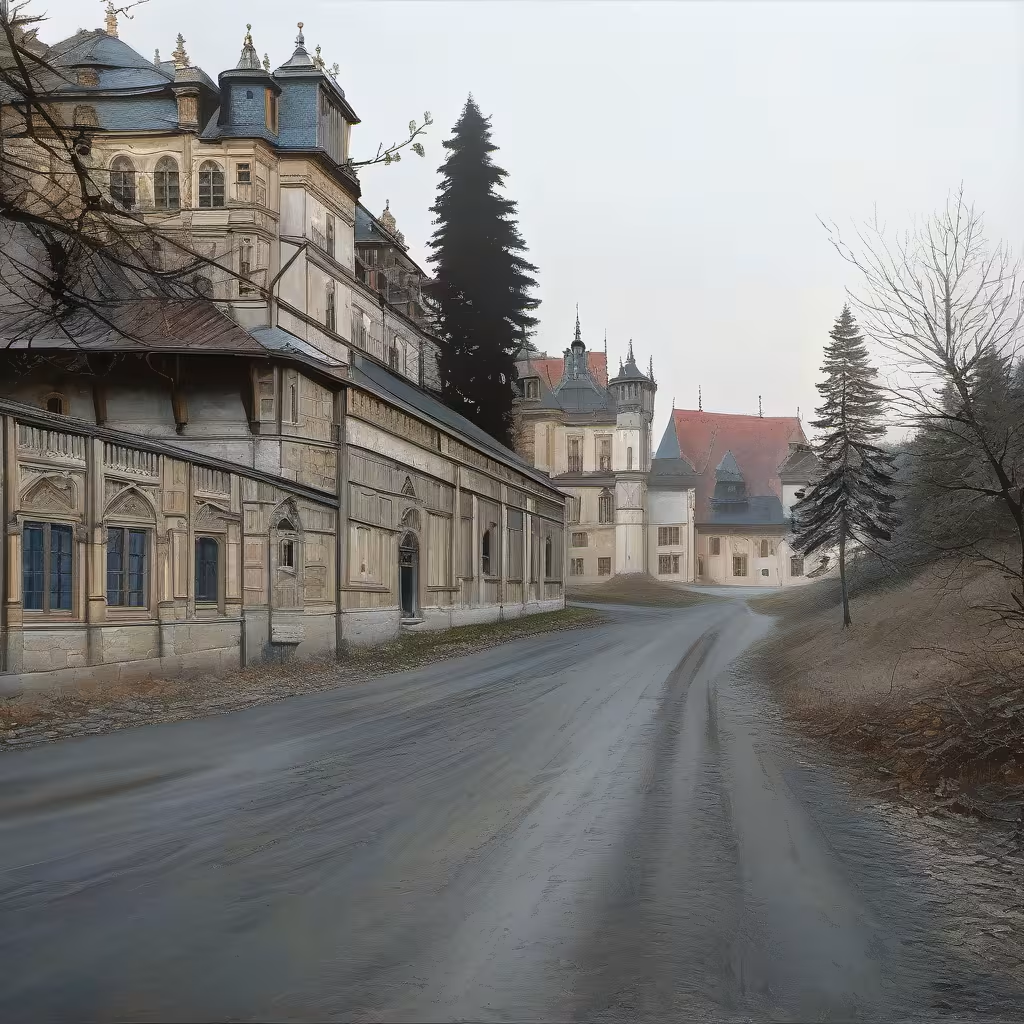
The historical appearance on the left is an AI-generated visualisation and serves as inspiration only.
Historical milestones
- 1757
- The Prussians in Libni built a vulture.
- 1812
- Jan Karel Liebich has prepared a decorated Christmas tree for guests.
- 1816
- Carl Maria von Weber wrote a waltz for a carnival organized on Šilboch.
- 1900
- The buildings and the rock were torn apart.
Architectural development
Originally a single-storey castle with a square floor plan, a needle roof and a terrace on the southwest side. In the middle of the 19th century it was built to run an inn on guard.
Historical events
1757: The Prussians in Libni built a raft from which a reputation was made of a forgotten soldier. 1812: Jan Karel Liebich prepared a decorated Christmas tree here for the first time. 1900: Buildings and rocks were torn down.
Owners
František Ferdinand Hilbert (half of the 18th century), Jan Karel Liebich (beginning of the 19th century), Julie and Albert Weiss (until 1896)
Points of interest
- The name Šilboch was created by the association of the German word for guard and related to the legend of a Prussian soldier who remained here after the retreat of the army in 1757. - Jan Karl Liebich prepared a Christmas tree with ornaments here on Christmas Eve in 1812, a custom brought from Germany. - The composer Carl Maria von Weber wrote a waltz for the carnival in February 1816. There was supposed to be a tin statue of a Prussian soldier in full armor outside the castle, which later ended up in a city museum. - The castle was converted into a inn on the guard in the middle of the 1
Guide
This guide is narrated by a synthetic voice generated by artificial intelligence.
Show guide text
This text was created by artificial intelligence and has not been editorially reviewed. It may contain inaccuracies.
Welcome to Libni, one of the oldest parts of Prague, where history intersects with the present in every step. Please stop right here. Now that your headphones are on, try to forget about the noise of the surrounding traffic and the modern face of the city. You are standing in a place that may look ordinary today, but one of the most significant social points in this area was once shining in the spiritual map of old Prague. In front of you is the space where the castle Šilboch once stood. Even if you don't see any walls, no columns, no windows, the atmosphere of this place requires a little imagination. Imagine going back in time two centuries, when this location was surrounded by greenery and peace, and in the center of attention was an elegant, one-story house that was the heart of a liberal social life.
Let us now move on to the mid-eighteenth century, namely the year of the tides of seven hundred fifty-seven. It is at this time that the story that defined this place begins. Originally there was an older estate, but ambition and taste at the time required something new and more representative. This is where František Ferdinand Hilbert entered history. He was a man who wanted to create space for relaxation and representation, so he had this little castle built in the old estate. Hilbert's intention was clear: to create a place that would combine the comfort of home with a noble nobility. It was a time when the Prague nobility and the rich township became more interested in the surroundings of the city walls and sought to escape from the noisy centre to quieter gardens and parks.
Now, if you look around you, try to reconstruct the architecture that stood here in your mind. It was not a huge palace, but rather a cozy, harmoniously balanced house. Notice in the idea of his plan, which was exactly square. This symmetry gave the construction a sense of stability and peace. The building had only one floor, which made it a place accessible and friendly. At that time, the most significant element to which you could point your eyes up was the needle roof. This was not only the practical conclusion of the construction, but it also carried an aesthetic element in the form of a small, charming turret, which stood out above the surrounding roofs and served as a landmark for all those who headed towards Šilboch. Don't forget the terrace, too. Imagine the guests sitting here in the summer evenings, seeing the smell of the surrounding gardens and watching the sunset over the liberal landscape. This terrace was the bridge between the inner luxury of the castle and the nature surrounding it.
Once we've clarified what Šilboch looked like, let's see who visited here and what stories were written in these walls. In the nineteenth century Šilboch became a real magnet for the Prague elite. It wasn't just a private home, it was a center of social life. Imagine elegant dresses, sounds of horses in the distance and expectations of upcoming parties. One of the most fascinating personalities involved in this place was Jan Karel Liebich. It was he who brought a tradition to Šilboch, which we now find absolutely natural, but in the year one thousand eight hundred and twelve it was absolutely new. On Christmas Eve that year, he prepared a decorated Christmas tree for his guests. At that time it was a custom brought from Germany, an exotic element which was not common in Prague. Imagine the amazement of the guests when they entered the room and saw a lit, decorated tree that brought magic and hope into the winter evening. Liebich thus made Šilboch a place where modern European culture met with local society.
But the cultural radiation of this place did not end with Christmas trees. Šilboch was the place where music sounded and dancing. In the year one thousand eight hundred and sixteen there was a carnival, which was one of the most important events of the season. For this occasion the composer Carl Maria von Weber was created here. He wrote a special waltz to accompany the joy and playfulness of carnival guests. Now try to picture in your mind the sound - the rhythm of the waltz, the laughter of people and the rustling of the dress in the ballroom. Šilboch was not just a building, it was a living organism full of emotion, art and social excitement. Later, however, times changed and the manor adapted to new needs. He stopped being exclusively the home of the elite and was modified to serve as an inn. This opened up Šilboch to the wider public, becoming a meeting place for ordinary people, where a glass of beer was discussed about politics, trade and everyday life in Libni.
Now I want to take you to a secret that's already in the name of this place. Where did the word Šilboch come from? It's a word that sounds a little unusual, almost like a code. But the truth is hidden in language playfulness and military history. The name was created by the assembly of the German word for the guard or the testicle. It all began in the year of seven hundred and fifty-seven, when the Prussians built a military cooking plant in Libni. According to legend, after the Prussian army's retreat, there was a forgotten or misguided Prussian soldier. This detail, this small human error or fateful coincidence, has entered the memory of the locals. The word for the guard gradually changed in the mouth of people, and it became the unique name Šilboch. It's fascinating how one garbled word can survive a century and become the name of an elegant castle.
Unfortunately, every story has its end, and it came for Šilboch at the turn of the century. In a thousand and nine hundred, at a time when Praha began to grow sharply and modernise, this monument was sacrificed to progress. The buildings were torn apart and the rock on which the castle stood. Everything we imagined together a moment ago - a headliner, a small turret, a terrace and a hall, where the waltz of Carla Maria von Weber sounded - became dust and memories. Only the name remains in the historical records and in our imaginations.
Now, if you look around again, you may see only modern streets and buildings. But now you know that beneath the surface of this place sleeps the spirits of elegant carnival, the smell of the first Christmas trees and echoes of Prussian soldiers. Šilboch reminds us how fleeting architecture is, but how persistent are the stories that relate to it. It is a lesson about that the monument may not always be made of stone and bricks, but it may also exist in the form of stories that we pass on.
Thank you for stopping with me in time and trying to perceive the invisible contours of this extinct castle. I hope this short trip to history has helped you to see this place with different eyes. Now, let's invite you to further explore the area. Please continue your journey and look for more clues of the past that are hiding in Prague just around every corner. Goodbye and wish you a pleasant rest of the day.
Tips for visitors
The best time to visit the place where the Šilboch Castle once stood is in the spring or autumn season when the weather is pleasant and vegetation offers a beautiful view. This time of year also allows for a smoother photograph without the presence of strong sunlight that can cause hard shadows.
Parking and transport: The location is well accessible by car and public transport. The parking lot can be found near the Crossroads. For those travelling by public transport, it is appropriate to use buses or trams coming to Libni. The current connection and times can be verified by an online search engine.
What to take with you: We recommend not to sleep in the place of a good pair of shoes because the terrain around the former castle Šilboch is natural and can be unbalanced. You should also take with you a umbrella, UV eye and water drink, especially if you visit a place in warmer months.
Photography: The best places for photography are the areas around the crossroads of the Raising House, especially in the evening or in the morning when the light is softer. This time allows to capture the atmosphere of the place and surrounding landscape in pleasant lighting.
What to visit in the area: There are several interesting places around the castle area that can be explored within 30 minutes. For example, visit the Crossroads of the Raising House or walk through the streets of Na Varta and Na Stráže to enjoy local architecture and atmosphere.
Frequently asked questions
Is Šilboch open to the public?
Yes, Šilboch is open to the public. The best time to visit is from April to October when the weather is favourable and the tour is more comfortable.
How do I get to the place by car / public transport?
The location can be reached by car or public transport. The nearest public transport stop is 5 km from Šilboch, from which you can continue by foot or taxi.
How much is the entrance fee and is it paid on the spot?
Payment is made directly at the entrance to the castle.
Is the tour suitable for children and seniors?
Yes, the Šilboch tour is suitable for all ages. There are several sections that are also accessible to people with health restrictions.
How long does the tour take?
The Šilboch tour takes approximately 1 hour. However, you can take your time and see the castle according to your pace.
What are the opening times and booking is required?
The Šilboch is open from 9: 00 to 5: 00. Reservation is not necessary, but if you want to view the castle with a guide, you must do it in advance.
What's interesting in the immediate vicinity?
In the immediate surroundings of Šilboch there are several historical settlements and monuments. The town is 10 km from the castle, where other historical monuments can be visited.
For kids
Imagine going back to the past, when Shilboch Castle was the kingdom of Shilboch Lords. This place was full of life and energy, like in a game where heroes fought for their wonderful kingdom.
How did it look here? Who lived here? What happened here? Šilboch Castle stood in a strategic place in northern Bohemia, so it was important for the local population. Local people lived in villages and towns around the castle and used its protection against attacks from outside.
Businesses nearby
Events nearby

Zdroj akcí: otevřená data měst a obcí ČR (Národní katalog otevřených dat) a kalendář akcí Národního památkového ústavu.
Nearby
Praha 8-Libeň, Crossroads Raised, the streets of Na Varta and Na Watch.
Accommodation nearby
Trips and activities nearby
Guided tours, tickets and activities nearby from GetYourGuide
Affiliate link: if you buy from the partner, we may receive a commission. The price for you does not change.
Search tours and activities →Themed route
Thematic cruise route castle Šilboch
1. Castle Šilboch - * Type: * Historical castle - * Why is it worth visiting: * Castle Šilboch is a unique architectural monument which represents a classical style. Its history dates back to the 18th century when the castle was built as a mansion for important families. It is an ideal place for those who like history and architecture.
2. Crossroads Raised - * Type: * Historical site - * Why is it worth a visit: * The Crossroads of the Breeders is significant thanks to its history as the place where the first Czech school for women was founded. It is a key place for understanding educational traditions in the area and offers a view of important historical events.
3. Street in Varta - * Type: * Historical street - * Why is it worth a visit: * The street of Na Varta is famous for its historical architecture, which reflects the rich history of the Libeň village. A walk along this street offers a view of ancient houses and buildings that resemble an earlier life in Prague.
4. Street On the Guard - * Type: * Historical street - * Why is it worth visiting: * Street Na Stráží is another historically rich place where there are several protected buildings. It is an ideal place for those who want to explore architectural gems and understand the history of the Libeň area.
This route offers a combination of historical sites around the castle Šilboch, which will allow visitors a deeper view of the rich past and architecture of the Libeň area.
Seasonal recommendations
Spring: In spring the visit to the broken castle Šilboch in Libni is attractive due to the reviving nature around the monument. Trees and shrubs are starting to frown, which gives the landscape a lively colour and sweet fragrant smell. The sun's rays penetrating the misty clouds create unforgettable lighting that emphasizes the historic atmosphere of the place. It is advisable to visit the castle at the beginning of the day when the temperature is pleasant and the crowd is not yet given. A good idea is to wear clothes with the possibility of layering, because spring weather can be variable.
Summer: For years, the Šilboch Castle is a popular destination for visitors looking for an escape into history and nature. Sun day and warm air create ideal conditions for walking around broken ruins where you can enjoy a quiet time to search the past. Although this is the period with the highest frequency of visitors, it is recommended to accept earlier on the day in order to avoid long fronts. Remember sun protection - cream with high protective factor and hat are necessary as well as sufficient supply of drinking.
Autumn: In autumn, the surroundings of the Šilboch Castle are unique to the atmosphere due to the colour of the leaves and temperate temperatures. Sunrise creates a beautiful palette of colors that decorate the landscape around the ruins. This is also a period with fewer visitors, which allows a more relaxed tour and better access to monuments. When planning a visit, it is advisable to consider clothes with the possibility of layering, as autumn weather can be variable and cooler evenings require warmer clothes.
Winter: If you visit the Šilboch Castle in winter, you will appreciate its quiet and quiet environment. Freezing air and snow cover can add a romantic atmosphere instead. Days are shorter, so it is advisable to visit the memory earlier in the day to make the most of the light. When visiting during winter, it is crucial to have warm clothes, including fur coat and protective shoes to enjoy walks with comfort. The opening times of the monument can be limited, so it is important to check the current times before the visit.
Visualizations and artistic views


The visualisations are generated by artificial intelligence and serve as inspiration.
Photos from the area
Real photos taken near the monument


Zdroj a licence jsou uvedeny u každého snímku.
Atmosphere of the place
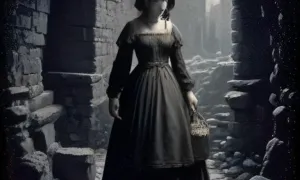
This atmospheric visualisation of the place and period was generated by artificial intelligence. It is not real footage of the location.
Tips from visitors
No tips yet. Be the first!
Log in and add your tip.
Sources and literature
Fotografie: Leotard / CC0 — Wikimedia Commons. The author and licence also appear when you hover over the image.
Faktickým podkladem tohoto textu byl článek na Wikipedii, jehož autory jsou přispěvatelé Wikipedie. Článek je dostupný pod licencí CC BY-SA 4.0.
Location on the map

Příběhy a pověsti
Legendy, pověsti a příběhy spjaté s touto památkou
Fotografie návštěvníků
Zatím žádné fotografie. Buďte první, kdo přidá fotografii z návštěvy!
Přihlaste se a přidejte svou fotografii nebo hodnoťte.
Za ověřenou návštěvu v aplikaci získáte víc bodů — poznáme podle GPS, že jste na místě.
Reviews and comments