






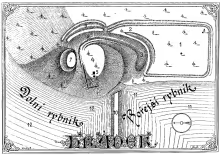
Lacembok, also known as Hrádek, is a medieval castle ruin located in Horní Kamenice's cadastral area within the Plzeň-jih district. Situated on an inconspicuous rock beside the Srbický potok valley and overlooking two ponds at approximately 410 meters above sea level, it has been recognized as a cultural monument since 1964 due to damage from stone quarrying. Its historical significance is underscored by its strategic location and ties to notable medieval Bohemian families.
The origins of Lacembok date back to the late 13th century when it first existed in some form, acquiring its stone structure in the mid-14th century. The earliest documented mention of the castle dates to 1373, associated with Bohuchval z Hrádku. This family owned the site until the early 15th century before moving to other castles in Lštění and Horní Kamenice. Lacembok's historical context includes its existence during significant political and religious upheaval in Bohemia, such as the Hussite Wars that swept through Europe in the early 1500s.
Architecturally, Lacembok featured defensive elements typical of medieval fortifications. The site was encircled by moats on three sides, with a steep valley providing natural defense on the west where no moat existed. An inner keep or donjon, measuring approximately 10.5 by 15.5 meters, stood as the central structure within the castle's walls. This keep had notably thick walls of about two meters and was complemented by a small tower attached to its south-west corner, likely serving as protection for the entrance. Additionally, an unusual water discharge mechanism was discovered in a cistern on the western side of the fortification.
Ownership transitioned from Bohuchval z Hrádku's descendants until the early 15th century when it fell into decline. Historical sources suggest that the castle likely suffered destruction by fire during this period, possibly linked to the Hussite sieges of Horšovský Týn in either 1422 or 1431. This event marked a significant turning point in the site's history, leading to its eventual abandonment.
Today, Lacembok stands as an accessible ruin that offers insights into medieval life and architecture. The remnants are freely reachable via a yellow-marked tourist trail from Krchleby to Holubí hlava – hájovna. While much of the original structure has been lost or altered due to stone quarrying, the site still provides a glimpse into its past significance and strategic importance.
Visiting Lacembok offers an opportunity to explore a piece of Bohemia's medieval history, set against natural beauty with scenic views of surrounding ponds and valleys. Its preservation as a cultural monument ensures that future generations can appreciate this historical landmark. Whether interested in architecture, history, or simply enjoying nature's tranquility, Lacembok is worth exploring for its unique blend of past and present.
Historical milestones
- end of the 13th century
- Lacembok probably originated as a castle.
- mid-14th century
- The fort gains a stone structure.
- 1373
- First written mention of the castle, associated with Bohuchval of Hrádek.
- end of the 14th - beginning of the 15th century
- The family of Bohuchval of Hrádek moves to other castles, and Lacembok begins to decline.
- 1422 or 1431
- The castle is likely damaged by fire during Hussite sieges.
- 1964
Architectural development
Archaeological findings suggest that Lacembok existed since the late 13th century but acquired its stone form in the mid-14th century. The site featured a moat on three sides and a defensive wall, with an inner keep (donjon) measuring approximately 10.5 by 15.5 meters. A small tower was attached to the south-west corner of the keep, likely protecting the entrance.
Historical events
The castle was first documented in 1373 when it was associated with Bohuchval z Hrádku.
Lacembok likely suffered destruction by fire during the early 15th century, possibly during the Hussite sieges of Horšovský Týn in 1422 or 1431.
Owners
The castle was initially associated with Bohuchval z Hrádku, mentioned in records dating back to 1373. It belonged to his descendants until the 15th century, after which they resided at castles in Lštění and Horní Kamenice.
Points of interest
- Lacembok's name is derived from a blend of the Czech words "Lacem" and "Buk," reflecting its historical ties to the Bohuchval family who were known as "Lacembuks" due to their coat of arms featuring a weaving shuttle. - Despite being recognized for its cultural significance in 1964, Lacembok's preservation efforts have been complicated by stone quarrying activities that significantly altered its original structure, making it one of the few medieval ruins where such damage is prominently evident.
Guide
Show guide text
Welcome to the captivating ruins of Lacembok, or Hrádek, nestled in the serene landscape of Horní Kamenice, Plzeň-jih district. As you stand here on this inconspicuous rock outcrop beside the Srbický potok valley, take a moment to absorb your surroundings. Before you lies a testament to medieval resilience, with remnants that whisper tales from centuries past. The site overlooks two tranquil ponds and stands at approximately 410 meters above sea level, offering a panoramic view of the lush countryside.
The origins of Lacembok trace back to the late 13th century when it likely began its life as a formidable fortress. By the mid-14th century, it had evolved into a stone structure, marking an era of architectural development and strategic importance. The first documented mention dates to 1373, associated with Bohuchval z Hrádku, who played a pivotal role in the castle's history.
As you explore these ruins, notice how nature has reclaimed what was once a bastion of medieval might. While specific architectural details are lost to time and erosion, the essence of its past grandeur lingers in the air. The stones around you have borne witness to centuries of change, from thriving fortification to gradual decline.
The story of Lacembok is deeply intertwined with Bohuchval z Hrádku and his family. By the end of the 14th century into the early 15th century, the family relocated to other castles, leaving Lacembok to face its inevitable decay. The castle's history took a dramatic turn during the Hussite Wars when it was likely damaged by fire in either 1422 or 1431.
Now, let’s delve into an intriguing aspect of this site—the origin of its name. "Lacembok" is derived from the Czech words "Lacem" and "Buk," a nod to the Bohuchval family's coat of arms featuring a weaving shuttle. The family was known as "Lacembuks," linking their identity to this very place.
Despite suffering damage over the years, including impacts from mining activities that led to its recognition as a cultural monument in 1964, Lacembok remains an evocative symbol of history and heritage. Its story is not just one of architectural evolution but also of human endeavor and resilience.
As you continue your exploration, let your imagination wander through the centuries. Picture knights patrolling these grounds or the echoes of past battles that once resonated here. Each step brings you closer to understanding the layers of history embedded in this landscape.
Thank you for joining us on this journey through time at Lacembok. We invite you to delve deeper into its mysteries and perhaps discover more about your own connection to this remarkable site. Safe travels as you continue your adventure, and we hope to see you again soon.
Tips for visitors
The best time to visit Lacembok is during late spring through early autumn, particularly from May to September. During these months, the weather is generally pleasant, allowing for comfortable exploration of the ruins and surrounding natural beauty. The landscape around Lacembok is especially vibrant in this period, with lush greenery and blooming wildflowers enhancing the scenic views. Additionally, visiting during weekdays can help avoid larger crowds, providing a more serene experience.
Parking and transportation to Lacembok are convenient. There is parking available near Krchleby, from where you can start your hike on the yellow-marked tourist trail leading to the ruins. Public transport options include buses that stop in nearby areas; however, it's advisable to check current routes and schedules online for precise information. The trail itself is well-maintained and suitable for most visitors, making it accessible by foot.
When visiting Lacembok, consider bringing comfortable walking shoes, a hat, sunscreen, and water, as the hike involves some elevation changes and exposure to the sun. A camera or smartphone with a good zoom lens can help capture the stunning views of the surrounding landscape and ruins. Additionally, binoculars might be useful for observing wildlife in the area's natural ponds.
For photography enthusiasts, Lacembok offers several picturesque spots. The best light is usually during the golden hours—shortly after sunrise or before sunset—when the sunlight creates a warm glow over the ruins and valley. Capturing images from different angles around the rock outcrop can highlight the castle's historical grandeur against the natural backdrop. Be mindful of your surroundings to ensure safety while taking photos.
Nearby, within 30 minutes by foot or car, are several attractions worth exploring. The natural ponds in the area provide opportunities for a leisurely walk and bird watching. Another nearby site is Holubí hlava – hájovna, which offers additional hiking trails and scenic vistas. These locations complement your visit to Lacembok with more outdoor activities and exploration of the region's natural beauty.
For families with children, Lacembok can be a delightful outing. The hike along the yellow-marked trail is manageable for most ages, offering plenty of space for kids to explore safely. Encourage them to imagine what life might have been like in this medieval castle and engage their curiosity about history. Bringing snacks or a picnic lunch allows for a relaxing break amidst nature.
Businesses nearby
Do you run a restaurant, accommodation, shop, museum, rental, wellness or other visitor service near this monument? Show yourself directly to the people heading to it — this is how they will see you in the app and on the web:
Nearby
Lacembok is accessible via a yellow-marked tourist trail from Krchleby to Holubí hlava – hájovna. The area features natural ponds and offers scenic views of the surrounding landscape.
Accommodation nearby
Trips and activities nearby
Guided tours, tickets and activities nearby from GetYourGuide
Search tours and activities →Themed route
Thematic Tour Plan Featuring Lacembok
1. Starting Point: Krchleby Begin your journey at the charming village of Krchleby, where you can enjoy a leisurely stroll through its quaint streets and perhaps grab a light snack or refreshments before embarking on your adventure. This serves as an ideal starting point for exploring the scenic beauty that lies ahead.
2. Yellow-Marked Tourist Trail Embark on the yellow-marked tourist trail from Krchleby, which leads you towards Lacembok. The trail offers a serene walk through picturesque landscapes, providing opportunities to appreciate nature's tranquility and the changing seasons. It’s an excellent way to immerse yourself in the natural beauty of the region.
3. Natural Ponds As you progress along the trail, make sure to stop at the natural ponds scattered throughout the area. These serene water bodies are perfect for a relaxing break, offering peaceful views and a chance to observe local wildlife. The ponds add an element of tranquility to your journey, making them a must-visit spot.
4. Lacembok (Zřícenina) Your main destination is Lacembok, the captivating ruins that offer a glimpse into the past. Explore this historical site and let your imagination wander as you envision its former grandeur. The ruins are not only historically significant but also provide stunning views of the surrounding landscape, making it a highlight of your tour.
5. Holubí Hlava – Hájovna Conclude your journey at Holubí Hlava – hájovna, where you can learn about local conservation efforts and enjoy panoramic vistas of the area. This spot is perfect for reflecting on the natural and historical treasures you’ve encountered during your tour, providing a fitting end to an enriching experience.
This thematic route offers a balanced mix of history, nature, and scenic beauty, ensuring a memorable visit to Lacembok and its surroundings.
Seasonal recommendations
Spring: Visiting Lacembok during spring offers a unique experience as the ruins are enveloped by a vibrant burst of new life. The blooming wildflowers and budding trees create a picturesque backdrop, enhancing the historical ambiance with their natural beauty. This season is characterized by mild weather, making it an ideal time for outdoor exploration without the extremes of summer heat or winter cold. However, be prepared for occasional rain showers that can add to the mystical atmosphere but may also make paths slippery. It's advisable to wear layers and waterproof footwear, allowing you to adjust comfortably as temperatures fluctuate throughout the day.
Summer: Summer is a popular time to visit Lacembok due to its long days and warm weather, which are perfect for enjoying outdoor activities around the ruins. The lush greenery provides a refreshing contrast against the ancient stones, while the longer daylight hours allow ample time for exploration. However, this season also attracts more visitors, so arriving early in the day can help you avoid larger crowds. Be sure to wear light and breathable clothing, along with sunscreen and a hat, to stay comfortable under the sun. Bringing water is essential as there are limited amenities available at the site.
Autumn: The autumn months transform Lacembok into a stunning canvas of warm colors, with reds, oranges, and yellows painting the landscape around the ruins. This season offers a serene atmosphere as the foliage changes, creating a picturesque setting that enhances the historical significance of the site. Cooler temperatures make for pleasant walking conditions, though it's wise to check the weather forecast, as autumn can bring unpredictable rain showers. Layered clothing is recommended to accommodate varying temperatures throughout your visit.
Winter: Winter at Lacembok presents a stark yet beautiful contrast with its snow-covered ruins and surrounding landscape. The quietness of this season offers a peaceful experience, allowing visitors to appreciate the historical site without the distraction of crowds. However, access may be limited due to weather conditions, so it's important to verify if the site is open before planning your visit. Dress warmly in layers, wear insulated boots, and bring gloves and a hat to stay comfortable during your exploration. The shorter daylight hours mean you should plan your visit accordingly, ensuring you have enough time to enjoy the winter wonderland setting.
Visualizations and artistic views

Vizualizace jsou generovány umělou inteligencí a slouží jako inspirace.
Tips from visitors
No tips yet. Be the first!
Log in and add your tip.






Reviews and comments