






Litoměřické krematorium Richard Crematorium
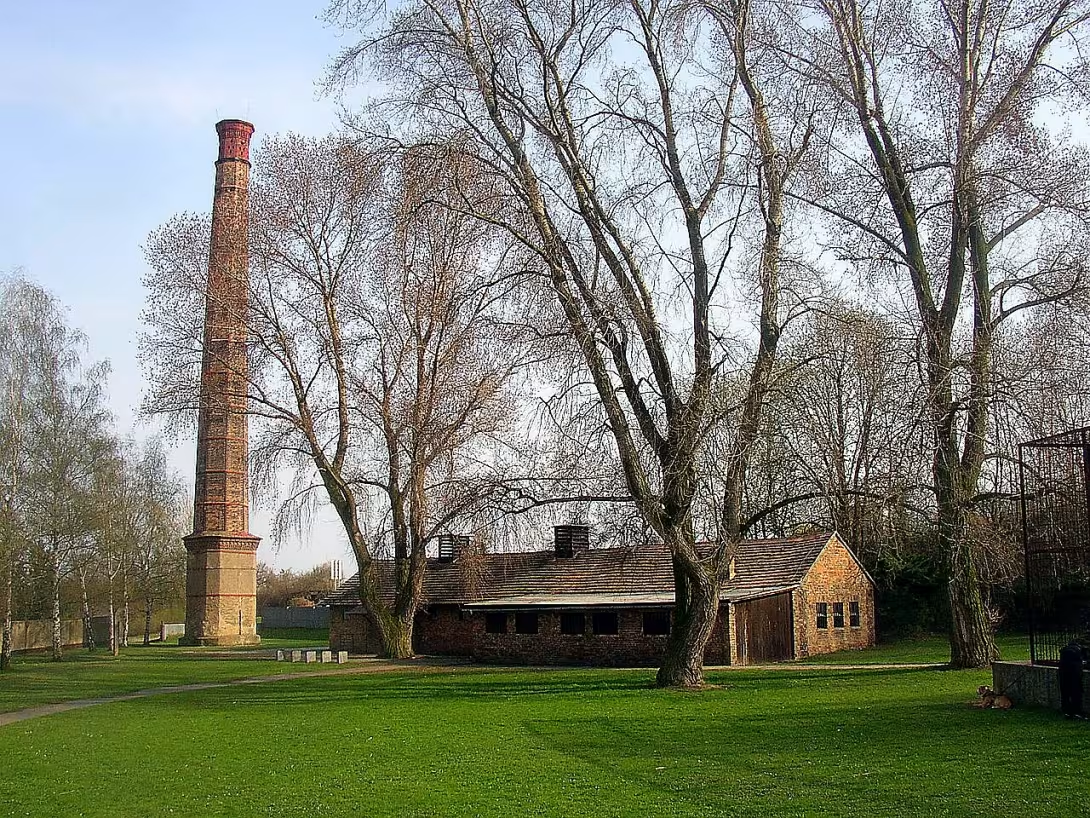
The crematorium Richard in Litomerice, located in the western suburb south of the former brick house, is remarkable as part of the site of the former concentration camp and underground factories and down Richard. This 1945 monument is a key historical site associated with the tragic events of World War II, when a typhoid epidemic was caused in Litoměřice. The crematorium is protected as a real-estate cultural monument of the Czech Republic and commemorates a tragic time for many people.
Richard's crematorium was created by enormous losses in the lithomeric concentration camp, where approximately 4,500 prisoners died within a single year. The Typhoid epidemic, which spread during the winter of 1944 and spring of 1945, led to the need for a quick solution to the problem of burying the dead. Originally, the dead were cremated in crematorium in Ústí nad Labem and Terezín, but because of the large number of victims, it turns out that these capacities were insufficient. That's why it was decided to build a new crematorium near the camp.
The construction of the building took place in February 1945 and was planned by architect Naumanna. The construction was carried out by a working group of BSA, which consisted of civil workers and prisoners of the Litomeric camp. The construction took place from the beginning of February to mid-March 1945 when the crematorium was put into test operation and in April of the following year it started to operate permanently. The crematorium was built on the site of a former brick oven, which was rebuilt for a new function.
Architecturally, Richard Crematorium is simple and stealthy. The interior contains a concrete rectangular surface with slightly tilted floor, which was used to store bodies of the dead. The smoke from the kiln was dragged through the underground channel into the chimney of a brick to blend in with its smoke and so it was secretly masked. The original plans included the establishment of an autopsy room, but this project was not completed.
The operation of the crematorium was supervised by the SS Commander Obersturmführer Huber from the headquarters of the concentration camp. Peacekeepers were assigned a squad of five prisoners who served the crematorium. According to the private notes Hubera approximately 405 bodies were burned in the building. The last cremation took place on 2nd and 3rd May 1945 after a large execution in the Teresian Small Fortress, when the ashes were crushed into smaller parts and sprinkled into the pit next to the crematorium.
Today, the Crematorium is Richard's monument, which resembles the tragic historical context of the final months of World War II. It is part of the site of the former concentration camp and underground factories and mines of Richard, which gives the site another historical depth. This monument is important not only as a testimony of tragedy, but also as a reminder of the need for recognition and remembering these events.
Visiting the Krematorium Richard in Litoměřice is important for everyone interested in history. It resembles a tragic time and serves as a warning against repeating such horrors. It is a place where visitors can think about history and its consequences, while also realizing the importance of remembering the past for the future.
Historical milestones
- 1945
- Opening of construction in February, trial operation in March and permanent operation since April.
- 1945
- The last cremation of the dead on May 2 and 3.
Architectural development
The building was created by rebuilding the former brick oven. The interior contained a concrete rectangular area with slightly tilted floor for storage of bodies. The smoke from the kilns was dragged through an underground channel into a chimney nearby to cover it.
Historical events
In February 1945 construction of the building started, in April 1945 permanent operation started. The last cremation took place on 2nd and 3rd May 1945 after the executions at the Terezín Small Fortress.
Points of interest
- Crematorium Richard is part of the site of the former concentration camp and underground factories and down Richard. - The creation of the crematorium was caused by enormous losses in the lithomeric concentration camp, where approximately 4,500 prisoners died within a single year. - The building took place from the beginning of February to mid-March 1945 and was planned by architect Naumanna. - The operation of the crematorium was supervised by the SS Commander Obersturmführer Huber from the headquarters of the concentration camp. - Today, Richard Crematorium is protected as a real-estate cultural monument of the Czech Republic.
Guide
Show guide text
This text was created by artificial intelligence and has not been editorially reviewed. It may contain inaccuracies.
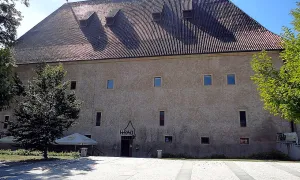
Welcome, you're standing in front of the Krematoria Richard in Litoměřice, part of a former concentration camp that stretches into the suburbs of the city. Right in front of you is a massive stone structure that resembles the industrial past of the place. Notice the heavy, straight walls that once belonged to the brick oven, and whose surface bears traces of time and history. The atmosphere is quiet, but it carries the weight of the events that took place here. When entering the space where you are now, you can feel the past intermingling with the present, and the memory meets with respect for the victims.
Let's move on to the very origin of this building. Richard Crematorium was founded in February 1945, the last months of World War II. Its creation was a necessity resulting from a huge epidemiological disaster that hit the concentration camp in Litoměřice. The Typhoid epidemic has claimed thousands of lives in the camp, and the capacity of the existing crematoria in Ústí nad Labem and Terezín has not been able to cover these losses. That is why a new building was built in the premises of the former brick oven, which was intended to serve the final farewell to those who died in the last days of the conflict. The first test operation took place in March of the same year and since April 1945 the crematorium was in permanent operation. The last cremation took place on 2 and 3 May 1945, closing the chapter of its original purpose.
The architecture of this place bears the traces of its creator, architect Naumann, who was inspired by the design by the functionality and need of rapid construction in crisis conditions. Although this is not a showy architectural gem, its simplicity and robustness reflect the spirit of the time. Feel how windows are placed in regular rows, how the doors are massive and solid, and how the whole building seems to be part of a larger complex. The entire building is part of underground factories and down Richard, which underlines its connection to the industrial structures that once worked here. When you look around, you can see that the building fits into the surrounding industrial remains, yet it emits a special calm that calls for thought.
Key stories and personalities associated with this place are an inseparable part of its importance. One of them is the character Hubera, which appears in historical records in connection with the crematorium. Huber was one of the people involved in organising the operation of the crematorium in the most difficult days of the war. His efforts were to ensure that the cremation process was carried out with the greatest possible respect for the victims, even in conditions where everything around them was torn and destroyed. Another important factor is the victims of the epidemics themselves - approximately four thousand and five hundred prisoners died in a lithomeric concentration camp in one year. This sad fact underlines how essential the creation of a crematorium was to solve so much loss of human life.
Now let's focus on the interesting thing that can impress the listeners and make them think deeper. The Richard Crematorium is not only a separate building, but it is part of a larger complex that includes underground factories and mines named Richard. These underground spaces served various purposes during the war, including the production and storage of materials, and their existence adds another layer of historical complexity to the site. Think about how factory halls were hidden underground, where products were being worked, while tragic events connected to the concentration camp took place over them. This combination of superficial and underground reality creates a unique context that cannot be found anywhere else.
In conclusion, I invite you to take a moment to reflect on this place and remind yourselves of all those who have found their last rest here. Look carefully at the facade, see the structure and materials, and let yourself be guided by the thoughts of those who were part of the dark period of history. If you want to learn more, you can look at other parts of the site where there are remains of underground factories and mines, and thus get a wider picture of what life was like in this region during the most critical years of the 20th century. Thank you for your attention, whether for personal reasons or historical interest, and I wish you a visit to this place would bring you a profound and meaningful experience. Say goodbye to this space with respect and continue to discover other chapters of lithomeric history that are still ahead of you.
Tips for visitors
The best time to visit the crematorium Richard is early spring or late autumn when the weather is mild and pleasant. This period increases comfort during a sightseeing walk and you can relax in the surrounding park.
Parking for visitors can be found on adjacent streets or public parking lots. For a more comfortable journey we recommend to use public transport, which is connected to the surrounding areas. You can check current information about routes and times online.
When visiting, bring sun protection such as a hat or a parasol as well as a sufficient number of water drinks. Thanks to this you will be better able to endure during the tour and relaxed moments in the surrounding park.
Photography is possible especially in the early morning or in the evening when light is softer. The best places for photos are the west side of the building and the surrounding park, which offers a beautiful view of the monument.
The area of the former concentration camp Litoměřice is located nearby. It is a place with an important history that can be visited for a deeper understanding of the past of this area. For families with children it can be interesting to explore the surrounding park where you can enjoy the quiet moments and beautiful nature.
Businesses nearby
Do you run a restaurant, accommodation, shop, museum, rental, wellness or other visitor service near this monument? Show yourself directly to the people heading to it — this is how they will see you in the app and on the web:
Events nearby


Zdroj akcí: otevřená data měst a obcí ČR (Národní katalog otevřených dat) a kalendář akcí Národního památkového ústavu.
Nearby
V bezprostředním okolí se nachází areál bývalého koncentračního tábora Litoměřice a podzemní továrny a doly Richard.
Accommodation nearby
Trips and activities nearby
Guided tours, tickets and activities nearby from GetYourGuide
Affiliate link: if you buy from the partner, we may receive a commission. The price for you does not change.
Search tours and activities →Themed route
Thematic cruise route around the Litomeric Crematorium Richard
1.Litoměřické krematorium Richard - Type: Memorial site - Why is it worth a visit: This crematorium is a unique reminder of the history and architecture of the 20th century, set in a peaceful environment of the village Předměstí. It's a place to reflect the past and worship the memory.
2. Area of the former concentration camp Litomerice - Type: Historical site - Why is it worth a visit: this site resembles the dramatic history of World War II. It is important to remember and remember the tragedies that have taken place here and learn from the past.
3. Underground factories Richard - Type: Historical industrial complex - Why is it worth a visit: these underground structures are a fascinating example of earlier use of technology and innovation. They are a testament to the industrial era and their historical significance is invaluable.
4. Underground mines Richard - Type: Historical geological site - Why is it worth a visit: these mines are a reminder of the industrial use of underground space. They are an interesting place for those who want to know the history of mining and technological progress.
5. Area around Litomeric Crematorium - Type: Quiet outdoor area - Why is it worth a visit: This surrounding area offers peace and opportunity to walk quietly after the conclusion of intense exposure to historic places. It's a place where you can enjoy nature and rest.
This route offers a view of the key historical sites of the village Předměstí, which are associated with the history of the 20th century, and allows a deeper understanding of the regional past.
Seasonal recommendations
Spring: In spring the Litoměřické krematorium Richard (others) is revived by flowering shrubs and trees that create an attractive green paradise. The sunny days provide ideal conditions for walking between historic buildings with bright lighting. At this time the weather can suddenly be variable, so it is advisable to mix warm clothes with winter elements such as leather coats or long gloves. The best time for a tour is at noon when the sun is raised and illuminates architectural details.
Summer: In summer, the Litomeric crematorium (others) becomes a popular destination for tourists in the main summer season. Long sunny days provide ideal conditions for a tour, but can also be very warm and hot, which increases the need for hydration. It is advisable to visit the memory early in the morning or late in the evening to avoid the peaks of the day with the largest crowd of visitors. Don't forget the sun protection and light clothes.
Autumn: In autumn green spaces of crematorium (others) are acquired by fine orange and yellow shade of flowers that change with the arrival of colder weather. Sun days are still common, but most of the time the atmosphere is slightly cool and calm. This period is ideal for visiting because crowds are shrinking. It is advisable to dress warmer, prepare for the possibility of rain and enjoy beautiful lighting in late afternoon.
Winter: In winter months, the Litomeric crematorium (others) takes on a quiet, quiet atmosphere. The snow blanket adds magic and dramatic beauty to the architecture of the monument, while cooler temperatures require warm clothes. Opening hours may be shorter, so it is important to know about the current times before visiting. The best time to explore is at noon, when the sun rays can illuminate the snow fields and highlight architectural details.
Visualizations and artistic views

The visualisations are generated by artificial intelligence and serve as inspiration.
Photos from the area
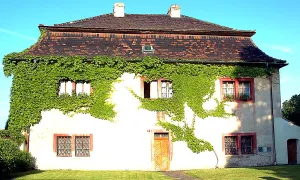
Real photos taken near the monument


Zdroj a licence jsou uvedeny u každého snímku.
Tips from visitors
No tips yet. Be the first!
Log in and add your tip.
Sources and literature
Photos: User:Miaow Miaow / Public domain — Wikimedia Commons. The author and licence also appear when you hover over the image.
Faktickým podkladem tohoto textu byl článek na Wikipedii, jehož autory jsou přispěvatelé Wikipedie. Článek je dostupný pod licencí CC BY-SA 4.0.
Location on the map

Příběhy a pověsti
Legendy, pověsti a příběhy spjaté s touto památkou
Fotografie návštěvníků
Zatím žádné fotografie. Buďte první, kdo přidá fotografii z návštěvy!
Log in a přidejte svou fotografii nebo hodnoťte.
Za ověřenou návštěvu v aplikaci získáte víc bodů — poznáme podle GPS, že jste na místě.
Reviews and comments