



Loretánská kaple Chapel
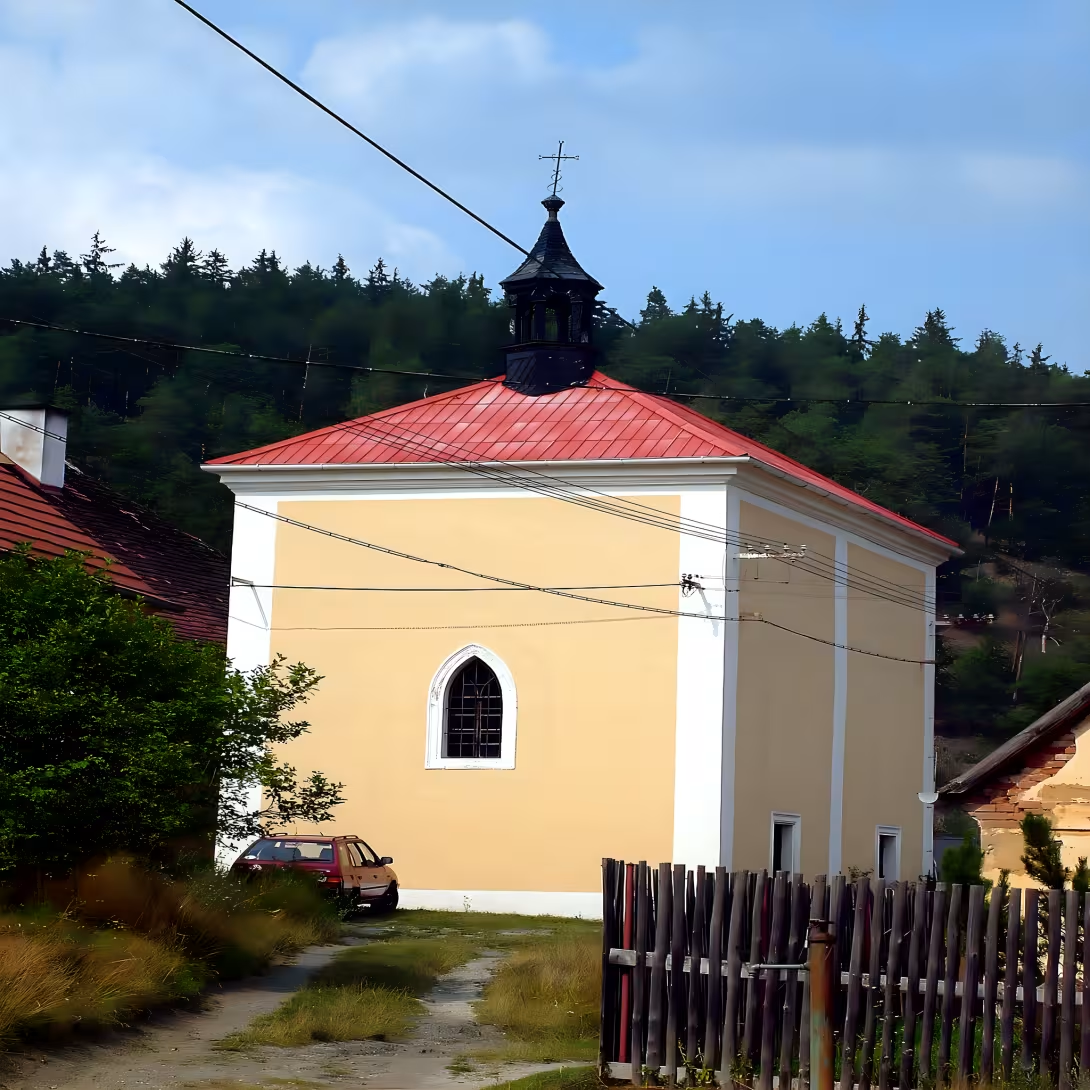
The Loretánská Kaple in Rabštejn nad Střelou is a small Baroque chapel located on Loretánský vrch, within the former town walls of this picturesque area in Plzeňský kraj. Built in 1671 by Sebastian hrabě z Pöttingu and entrusted to the Servite Monastery of Rabštejn, it stands as a cultural monument of the Czech Republic. Despite its modest size, the chapel is notable for its historical significance and architectural simplicity, featuring an eastward orientation with distinctive windows and portals.
Constructed in 1671 during Bohemia's time under the Habsburg Monarchy, the Loretánská Kaple reflects significant Baroque cultural influences. This era saw many religious buildings built to emphasize grandeur and ornamentation as part of the Counter-Reformation. Initially managed by the Servite Monastery until its dissolution in 1787, the chapel was founded by Sebastian hrabě z Pöttingu.
Architecturally, it is a simple rotunda with an eastward orientation, featuring a triangular gable window on its west wall and two rectangular portals on the south. The design includes naves without capitals and a shallow main cornice, contributing to its understated elegance. Originally built as a semi-circular chapel type with side and rear corridors, it underwent significant changes over time. After storm damage in 1793, local citizens restored it in 1843, replacing the wooden ceiling with a truss system and modifying entrances.
Ownership transitioned to a Rabštejn community initiative after the monastery's dissolution in 1787, marking a new chapter in its history as locals took responsibility for its preservation. In 1712, the chapel was depicted in a print by P. Mauritius Vogt, highlighting its cultural significance at that time.
The Loretánská Kaple has witnessed several key events throughout its existence. Notably, it suffered storm damage in 1793, leading to significant structural loss including its roof and ceiling. Community-driven restoration efforts in 1843 replaced the damaged elements with new materials, such as a shingle roof with a santusník.
Today, visitors can access the chapel through an agreement that allows entry via a key available at the local information center during opening hours. Despite not being used since 1945, it underwent further repairs in the 1990s to ensure its preservation for future generations. The chapel's historical and architectural significance makes it a worthwhile visit for those interested in exploring the rich cultural heritage of the Czech Republic.
The Loretánská Kaple stands as a testament to the enduring legacy of Baroque architecture and community resilience. Its history reflects both the artistic influences of its time and the dedication of local citizens who have preserved this monument through centuries. Visitors are invited to explore this charming chapel, appreciating its historical context and architectural simplicity within the scenic surroundings of Rabštejn nad Střelou.
Then and now
Drag the slider to compare how the landmark may have looked when it was built with the view today.
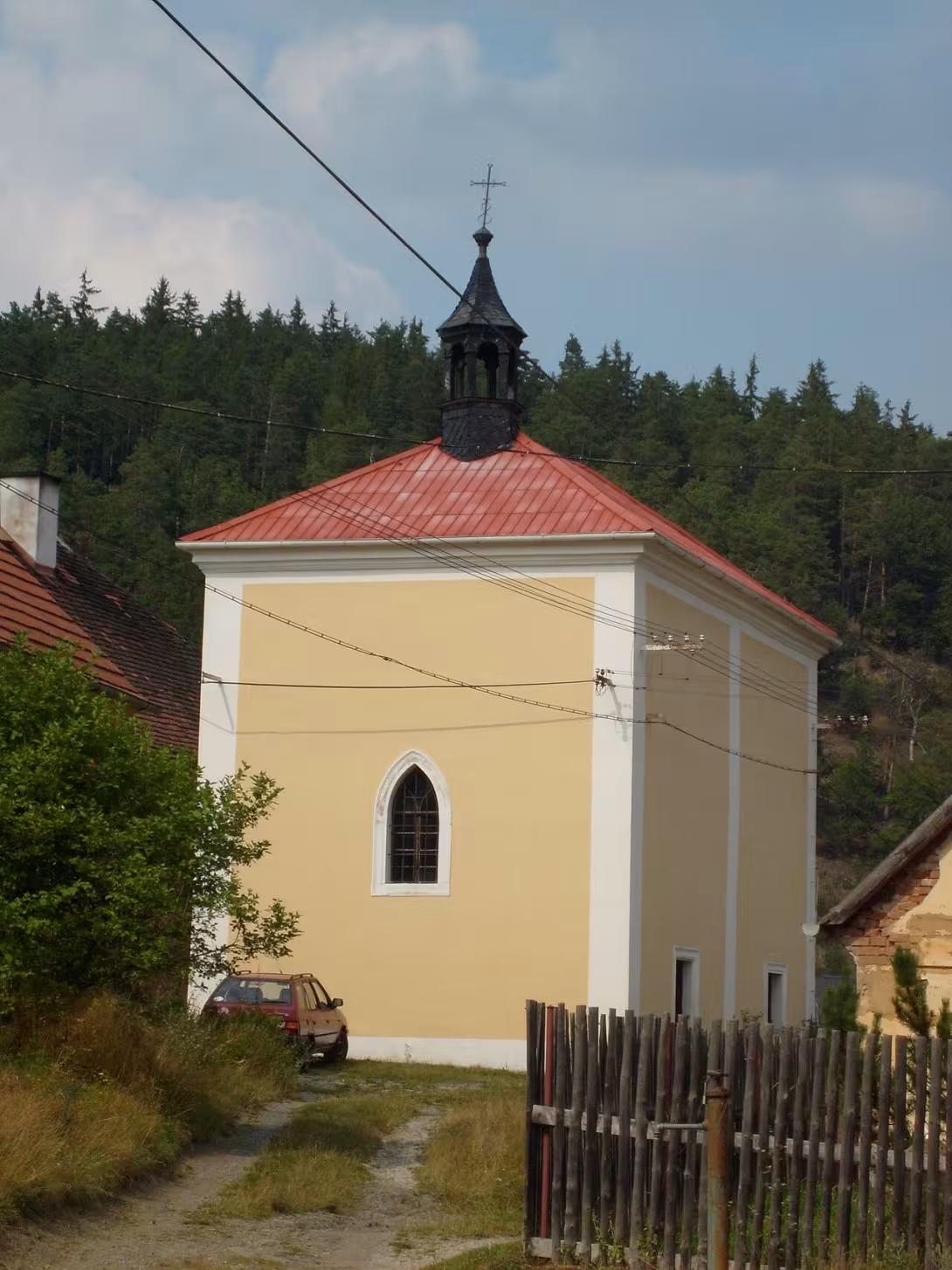
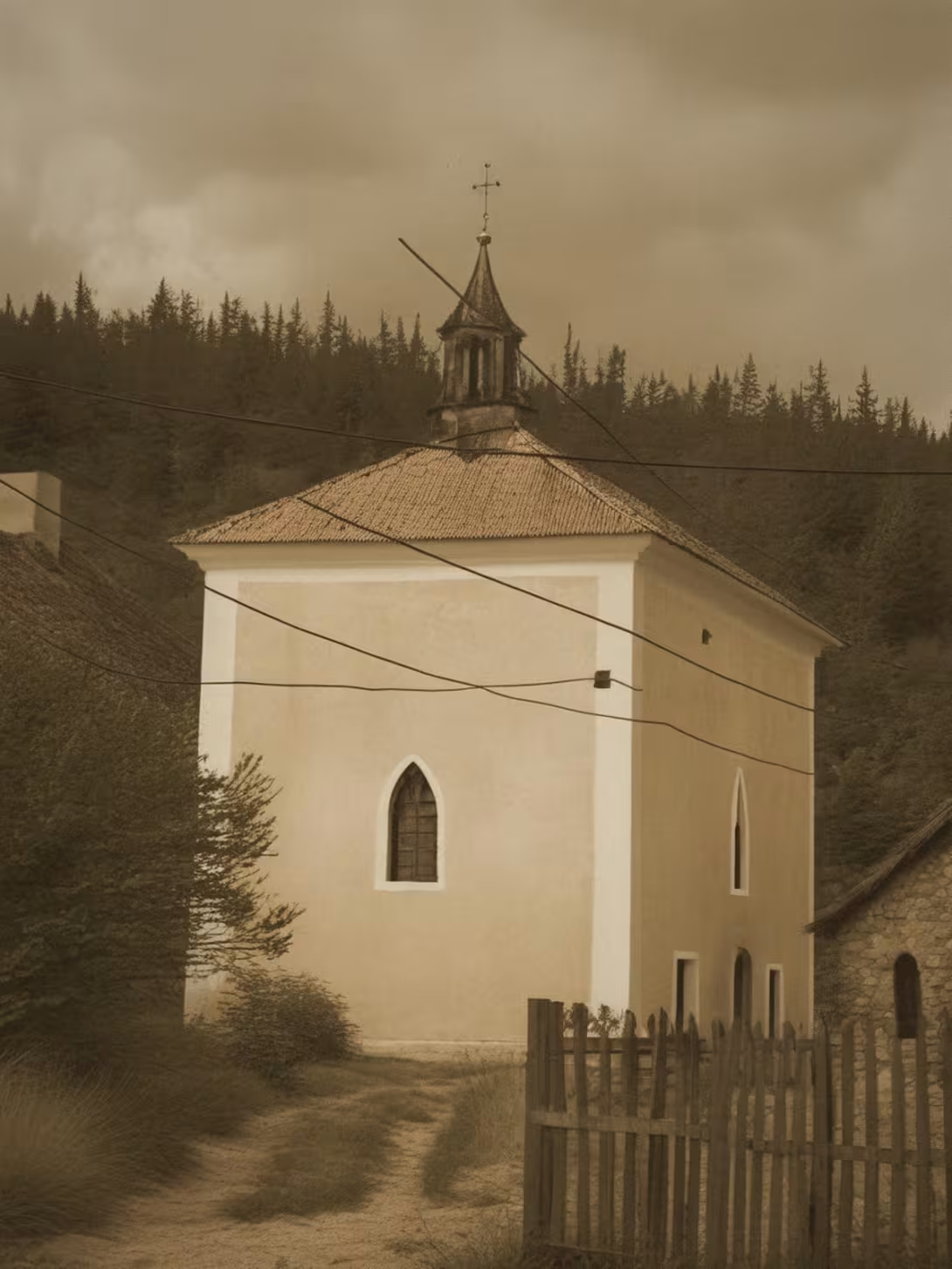
The historical appearance on the left is an AI-generated visualisation and serves as inspiration only.
Historical milestones
- 1671
- The chapel was built by Sebastian hrabě z Pöttingu.
- 1712
- The chapel appeared in a print of the town by P. Mauritius Vogt.
Architectural development
Originally constructed as a simple rotunda with a low tented roof, the chapel underwent several changes over time. After being damaged in a storm in 1793, it was restored by local citizens in 1843, replacing its wooden ceiling and modifying entrances. A new shingle roof with a santusník was added during this restoration. Further repairs were conducted in the 1990s.
Historical events
- 1712
- The chapel was depicted in a print of the town by P. Mauritius Vogt.
- 1793
- The chapel suffered damage from a storm, leading to significant structural loss including its roof and ceiling.
Points of interest
- The Loretánská Kaple was depicted in a print by P. Mauritius Vogt as early as 1712, indicating its cultural significance during that period.
- After the Servite Monastery's dissolution in 1787, ownership of the chapel transitioned to a Rabštejn community initiative, marking a unique shift from religious to local civic responsibility for its upkeep.
- In response to storm damage in 1793, which destroyed much of the roof and ceiling, local citizens undertook restoration efforts in 1843, replacing these with new materials such as a shingle roof, showcasing early examples of community-driven preservation.
- Despite not being used since 1945, the chapel underwent further repairs in the 1990s to ensure its preservation for future generations, highlighting ongoing commitment to maintaining this historical site.
- The chapel's architectural simplicity, featuring naves without capitals and a shallow main cornice, contributes to its understated elegance, reflecting Baroque influences while emphasizing functionality over ornamentation.
Guide
This guide is narrated by a synthetic voice generated by artificial intelligence.
Show guide text
This text was created by artificial intelligence and has not been editorially reviewed. It may contain inaccuracies.
Welcome to the Loretánská Kaple, a serene and historic gem nestled on Loretánský vrch in Rabštejn nad Střelou. As you stand here, take a moment to soak in the tranquility of this Baroque rotunda, embraced by the gentle slopes that once formed part of the town's protective walls. The chapel’s modest yet elegant design draws your gaze toward its eastward orientation, with a distinctive triangular gable window catching the light just so.
Let us journey back to 1671 when Sebastian hrabě z Pöttingu envisioned and commissioned this sacred space. It was built during a time of flourishing Baroque artistry in Europe, reflecting both religious devotion and the architectural elegance of the era. Entrusted to the Servite Monastery of Rabštejn, the chapel has stood as a testament to its cultural significance since those days.
As you explore further, notice how the simplicity of the chapel's design invites contemplation and reflection. The eastward orientation is not just an architectural choice but also a spiritual one, aligning with the rising sun—a symbol of hope and renewal. This thoughtful detail speaks volumes about the chapel’s purpose as a place for prayer and meditation.
The history of this chapel intertwines with fascinating figures and stories. Sebastian hrabě z Pöttingu, whose patronage brought it into being, played a pivotal role in its creation. His vision was immortalized not only in stone but also through art, as evidenced by the depiction of the Loretánská Kaple in a print by P. Mauritius Vogt in 1712. This early representation underscores the chapel's cultural significance during that period.
A captivating chapter unfolds with the dissolution of the Servite Monastery in 1787. Ownership shifted to a community initiative in Rabštejn, marking an intriguing transition from religious to communal stewardship—a rare and unique change in its history.
As you linger here, let your imagination wander through time, envisioning the generations who have found solace within these walls. The chapel’s enduring presence is a bridge connecting past and present, inviting us all to reflect on our own journeys.
Before we part ways with this cherished site, I encourage you to continue exploring Rabštejn nad Střelou and its surrounding landscapes. May your visit here inspire further discovery and wonder. Thank you for joining me in experiencing the Loretánská Kaple’s timeless beauty. Safe travels on your journey ahead!
Tips for visitors
The best time to visit the Loretánská Kaple is during late spring or early autumn when the weather is mild, allowing for comfortable exploration of the chapel and its surroundings. These seasons offer pleasant temperatures and vibrant natural scenery, enhancing your experience as you walk along the path from the main street to the chapel. Additionally, visiting outside peak tourist seasons can provide a more serene atmosphere, making it easier to appreciate the chapel's Baroque architecture and historical significance.
For those preferring to walk, the scenic route along the former town walls offers an enjoyable trek to the chapel.
When visiting Loretánská Kaple, it is recommended to bring comfortable walking shoes, as there are paths leading up to the site that may involve some uneven terrain. A light jacket or sweater might be useful due to varying weather conditions in the area. Additionally, carrying a water bottle and snacks can enhance your visit, especially if you plan on exploring the surrounding views and remnants of the former town walls.
For photography enthusiasts, the best spots for capturing images are around the chapel itself and along the path leading up from the main street, where natural light is optimal during early morning or late afternoon. The stone bridge over the Střela River also provides a picturesque backdrop for photos. Be mindful of lighting conditions to avoid harsh shadows on the chapel's intricate Baroque details.
Nearby attractions within 30 minutes include the remnants of the former town walls, which offer historical insights and scenic views of Rabštejn nad Střelou. These sites are perfect for a leisurely walk or exploration with family members. For families with children, consider bringing along a picnic to enjoy in the open areas around these historic landmarks, making it an educational yet enjoyable outing.
Frequently asked questions
Can the monument be visited?
Religious buildings are usually open mainly during services; at other times a visit is normally arranged with the parish or the operator. We have not verified specific times.
Where is the monument?
Location: Rabštejn nad Střelou, Plzeňský kraj. The map on this page shows the exact spot.
Why is the monument protected?
It is listed in the Central List of Cultural Monuments of the Czech Republic as a cultural monument (register no. 24874/4-1550).
Businesses nearby
Do you run a restaurant, accommodation, shop, museum, rental, wellness or other visitor service near this monument? Show yourself directly to the people heading to it — this is how they will see you in the app and on the web:
Events nearby
Zdroj akcí: otevřená data měst a obcí ČR (Národní katalog otevřených dat) a kalendář akcí Národního památkového ústavu.
Nearby
The chapel is situated near a stone bridge over the Střela River and accessible via a path from the main street. The surrounding area includes remnants of former town walls and offers scenic views.
Accommodation nearby
Themed route
Tematická výletní trasa: Loretánská kaple a okolí
1. Loretánská kaple
- Typ: Kaple
- Proč stojí za návštěvu: Tato historická kaple je umístěna poblíž kamenného mostu přes řeku Střela a nabízí klidnou atmosféru pro meditaci a relaxaci. Je známá svým architektonickým významem a krásnými interiéry, které odrážejí bohatou historii oblasti.
2. Kamenný most
- Typ: Most
- Proč stojí za návštěvu: Kamenný most přes řeku Střela je nejen praktickým spojovacím prvkem, ale také krásnou architektonickou památkou. Při procházce můžete užívat si pohledy na řeku a okolní přírodní krajinu.
3. Zbytky starých městských zdí
- Typ: Historické zdi
- Proč stojí za návštěvu: Tyto zbytky byly kdysi součástí obranného systému Rabštejna nad Střelou a dnes představují zajímavý historický prvek. Procházka kolem nich nabízí pohled do minulosti města a jeho obhajovací strategie.
4. Pohledy na okolní krajinu
- Typ: Krajinná procházka
- Proč stojí za návštěvu: Okolí Loretánské kaple nabízí krásné pohledy, které jsou zvláště přitažlivé v jasný den. Procházka po cestách kolem kaple umožňuje užít si klid a přírodní krásu oblasti.
Tato trasa nabízí kombinaci historických památek a přírodních pohledů, což ji činí ideální pro návštěvníky hledající klidný a zábavný den v Rabštejně nad Střelou.
Seasonal recommendations
Jaro: During the spring season, Loretánská kaple in Rabštejn nad Střelou takes on unique lighting as sunlight streams through its windows, illuminating the interior with warm golden hues. The surrounding nature begins to bloom, with spring flowers and fresh foliage on nearby trees adding a gentle warmth and sense of new life to the atmosphere. Visitors are encouraged to take advantage of this period for their visit, as there aren't yet large crowds like during the summer weeks. An earlier arrival is recommended to enjoy the tranquility and mild daytime temperatures.
Léto: In the summer, Loretánská kaple offers the best opportunities for a visit with long days full of light that enhance the beauty of its architecture. The surrounding nature is in full bloom, with dense foliage and flowering shrubs providing pleasant shade. The atmosphere is lively but also crowded due to summer tourists. To ensure the best experience, visitors can take advantage of early morning or late afternoon visits when temperatures are milder and crowds are smaller. It's advisable to dress lightly but also bring sun protection.
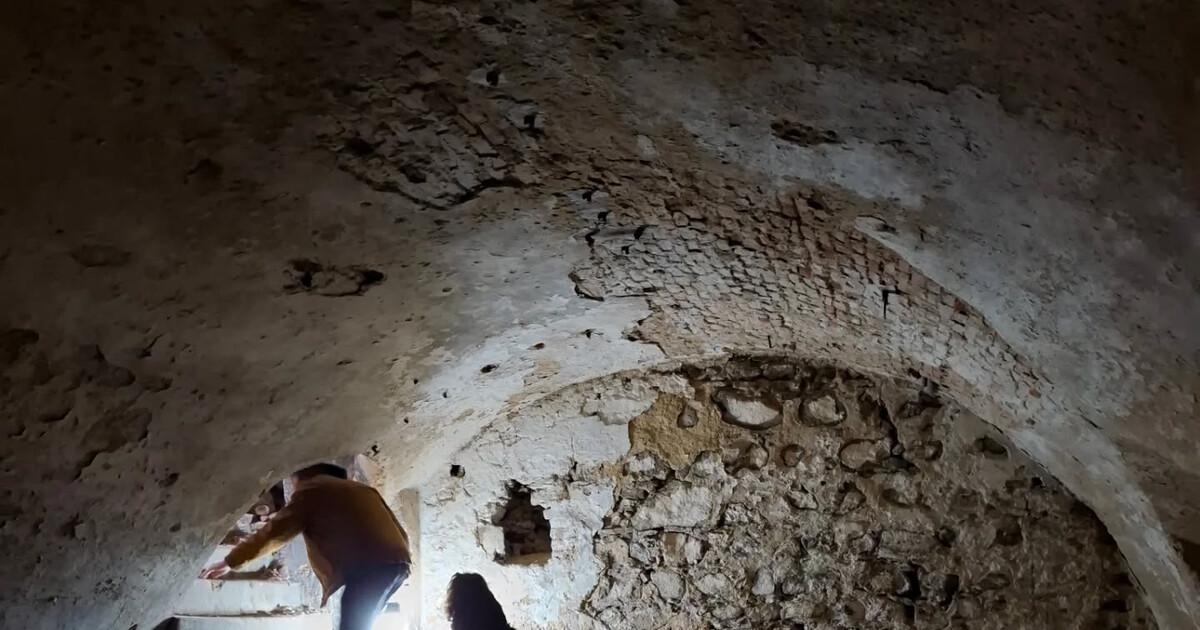
Podzim: In autumn, Loretánská kaple takes on a melancholic and peaceful appearance with its vaults lit by angled light, while the surrounding forests begin to turn colorful. The colors of the foliage add a vibrant contrast to the chapel's architecture, creating an atmosphere of relief from the summer tourist influx. This is an ideal time for a visit as crowds diminish and the local landscape takes on new hues. Visitors should be prepared for cooler temperatures and possible rain, so appropriate clothing is key.
Zima: A winter visit to Loretánská kaple offers a unique atmosphere with cool lighting and the opportunity to see its architecture in the context of snowy landscapes or frozen streams. The local nature is tranquil, providing a quiet environment for visiting. Warm clothing is essential for comfort, especially if the visit coincides with the Advent season and possible Christmas celebrations in the area.
Visualizations and artistic views


The visualisations are generated by artificial intelligence and serve as inspiration.
Photos from the area
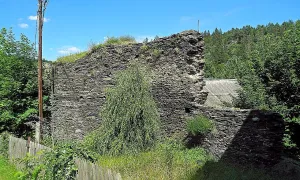
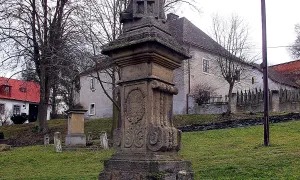
Real photos taken near the monument


Zdroj a licence jsou uvedeny u každého snímku.
Atmosphere of the place
This atmospheric visualisation of the place and period was generated by artificial intelligence. It is not real footage of the location.
Tips from visitors
No tips yet. Be the first!
Log in and add your tip.
Sources and literature
Photos: Ben Skála / CC BY 2.5, rozlišení zvýšeno umělou inteligencí — Wikimedia Commons. The author and licence also appear when you hover over the image.
Faktickým podkladem tohoto textu byl článek na Wikipedii, jehož autory jsou přispěvatelé Wikipedie. Článek je dostupný pod licencí CC BY-SA 4.0.
Location on the map




Příběhy a pověsti
Legendy, pověsti a příběhy spjaté s touto památkou
Fotografie návštěvníků
Zatím žádné fotografie. Buďte první, kdo přidá fotografii z návštěvy!
Log in a přidejte svou fotografii nebo hodnoťte.
Za ověřenou návštěvu v aplikaci získáte víc bodů — poznáme podle GPS, že jste na místě.
Reviews and comments