






Rabštejn nad Střelou Castle
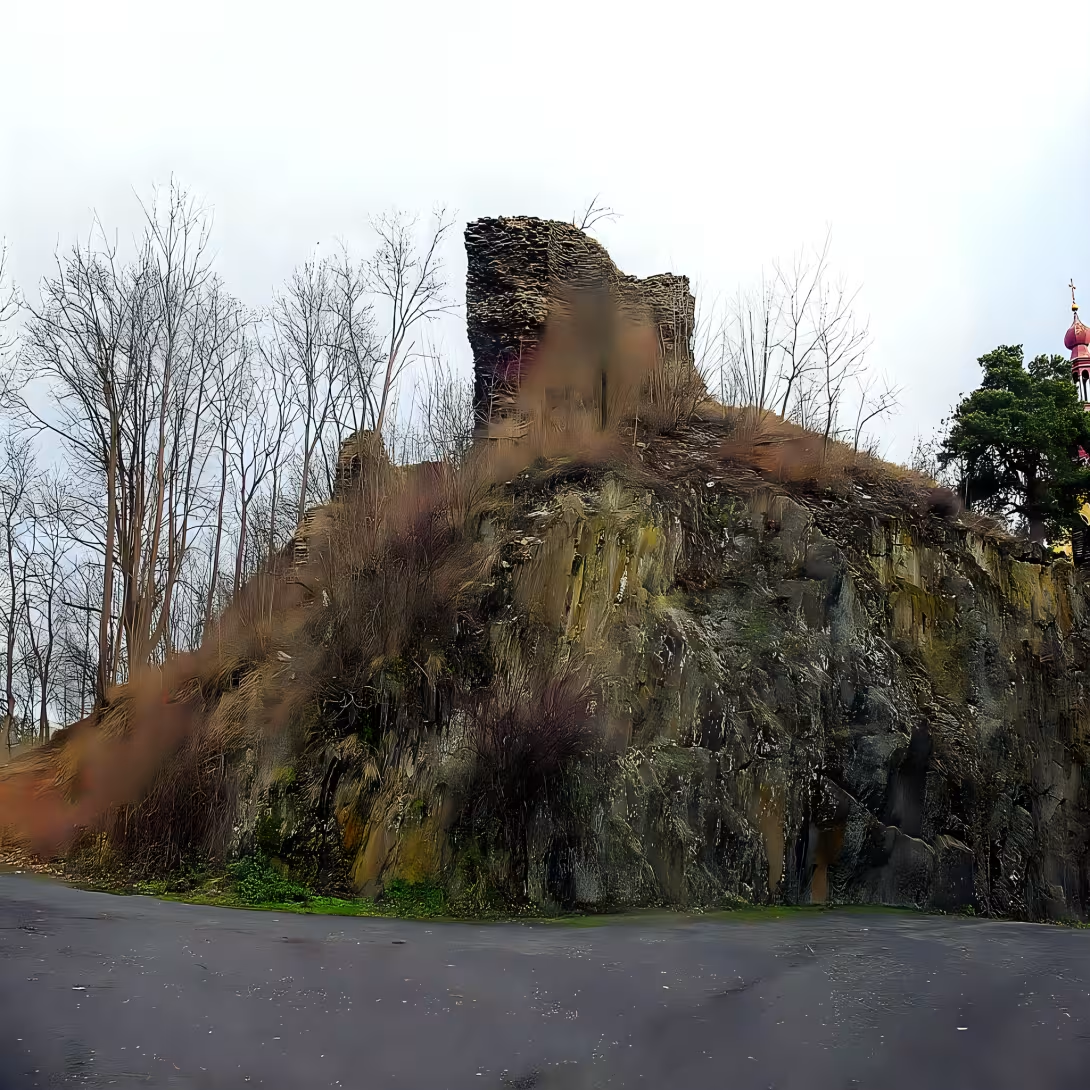
The oldest mention of Rabštejn dates back to 1269, when the Milhost family owned it. The actual foundation of the castle with the town took place in the 1930s under the leadership of Oldřich Pluh from Rabštejn. His four sons - Oldřech, Hynek, John, and Smil - then opposed the Emperor Charles IV, who besieged the castle in 1357. The brothers soon surrendered and sold it to the ruler for 3,000 kicks of Mishenian grosses. Karel IV. allegedly established a system of manhood, which included the villages of Vysočany and the courts in Mezí and the extinct Chihanov.
Karel IV. castle was very valuable and often stayed on it. In 1367 he donated his proceeds to his wife Elishka the Pomeranian. Jindřich of Rabštejn, a Rabštejn purgrave, is considered to be the founder of the neighboring Sychrova Castle. During the fourteenth and fifteenth centuries, the castle was gradually replaced by a number of owners. In 1397 it was stopped by King Václav IV. Beneshi Čerta from Hořovice for 1600 kicks of Czech grosches. In 1419 he was occupied by Hussite's military leader Jindřech I of the Plavno, who was first on the side of the Hussites, but later turned against them. In 1428 it was owned by the brothers Bushka and Jan Calta of Stone Mountain.
Gutstein families played a key role. In 1464, Burian II. z Gutštejna took over as guardian of Caltua's underage daughters, but he got into a dispute with King George of Podebrad and became a member of the Union of the Greens. In 1483 a monastery of Carmelitans was built near the castle, which the rabstejn townspeople burned down in 1532. Nineteen years later, Kryštof of Gutštejn took over, but he got into a dispute with the Šliks and was sentenced to loss of throat, honor and goods. In 1509, King Vladislav II of Jagellonian brought against him. After Christopher's request for mercy, Rabštejn had to issue, and already in 1518, the Šliks had it pawned.
In 1638 it was acquired by Leonard Helfried of Meggau, whose grandson, Count Jan Šebestian of Pötting, initiated an important reconstruction. In 1666 he allegedly had a servile monastery with the Church of the Seven Painful Virgin Mary, attributed to the architect Anselm Luraga, built in the place of the extinct monastery. The buildings of the monasteries and Baroque castle buildings have thus significantly transformed the original Gothic castle. Rabštejn became a witness to the continuity of the settlement and architectural changes of the territory from the High Middle Ages to Gothic through to the Baroque. The whole area is today protected as a cultural monument of the Czech Republic.
Then and now
Drag the slider to compare how the landmark may have looked when it was built with the view today.
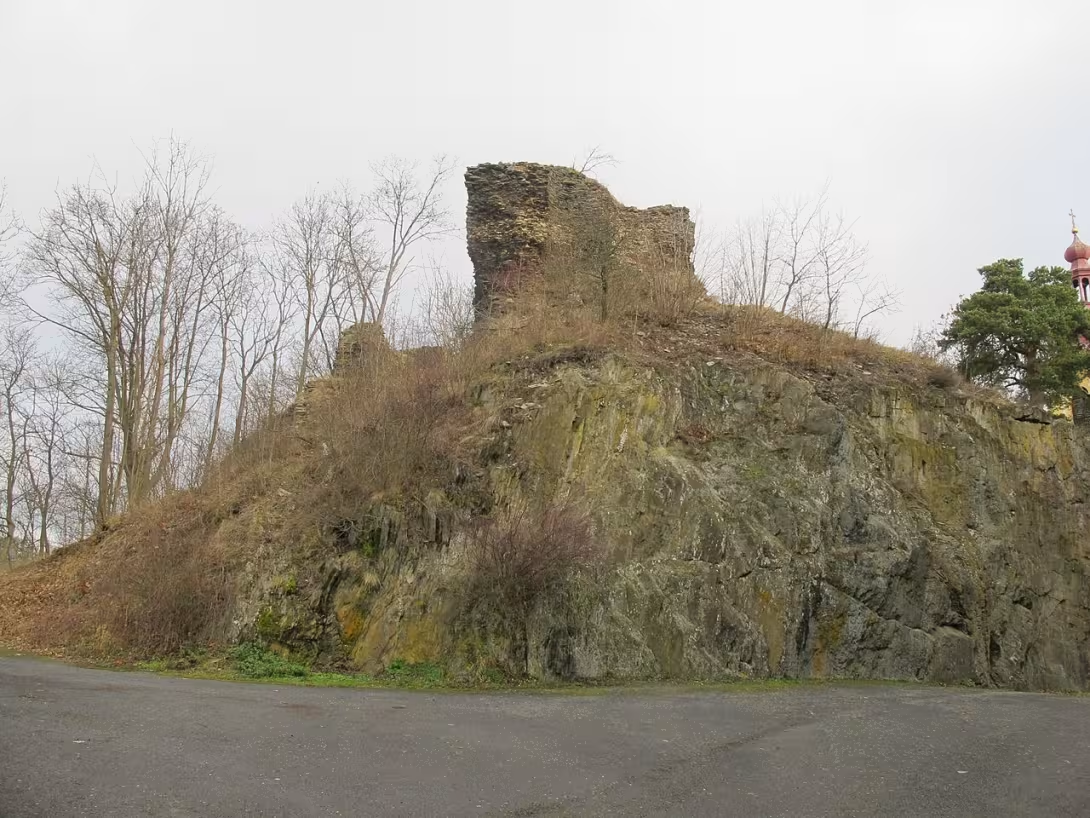

The historical appearance on the left is an AI-generated visualisation and serves as inspiration only.
Architectural development
Rabstejn started as a Gothic castle and gradually converted into a Baroque castle. The key stages in his architectural development include the position of the monastery of carmelitans in 1483, which was burned down in 1532, and subsequent reconstruction. The Baroque elements were added during later reconstruction.
Historical events
1320: The castle was built as a seat of the noble family
Points of interest
The earliest mention of Rabštejn dates back to 1269, when the Milhost family owned it.
- The actual foundation of the castle with the town took place in the 1930s under the leadership of Oldřich Plough of Rabštejn.
- Karel IV. donated in 1367 the proceeds of the Rabstejn Castle to his wife Elisha Pomerania and allegedly established a system of manhood.
- In 1666 Leonard Helfried of Meggau had built a service monastery with the Church of the Seven Painful Virgin Mary, attributed to architect Anselm Luraga.
- The whole area of Rabštejna is today protected as a cultural monument of the Czech Republic.
Guide
This guide is narrated by a synthetic voice generated by artificial intelligence.
Show guide text
This text was created by artificial intelligence and has not been editorially reviewed. It may contain inaccuracies.
Rabštejn nad Střelou is a castle that was later rebuilt into a château. It stands in the homonymous historic town in the Plzeň-sever district and the entire complex is protected as a cultural monument.
The first written mention of Rabštejn dates from 1269, when it was held by the Milhostici family. However, the castle and the town were founded only in the nineteen-thirties of the fourteenth century by Oldřich Pluh z Rabštejna. His four sons opposed Emperor Charles the Fourth. He besieged the castle in 1357 and the Pluh brothers surrendered. They sold the castle to him for three thousand kopeck of Prague groschen.
Charles the Fourth often stayed at Rabštejn and in 1367 he granted the castle's revenues to his wife Elisabeth of Pomerania. The Rabštejn castellan Henry z Rabštejna, recorded in 1360, is considered the founder of the neighboring Sychrova castle.
From the end of the fourteenth century the owners changed frequently. In 1397 Wenceslas the Fourth pledged the castle to Beneš Čerta z Hořovic and in 1419 it was seized by Henry z Plavna. Later Rabštejn belonged to the Calt family z Kamenné Hory and to the lords z Gutštejna. Burian the Second z Gutštejna got into a dispute with King George z Poděbrad and in 1483 he had a Carmelite monastery built near the castle. In 1532 it was burned down by the Rabštejn citizens.
Burian's son Christopher z Gutštejna was sentenced to lose his life, honour and estates and in 1509 King Vladislav Jagellonský marched against him. The king eventually granted him mercy, but Christopher had to surrender Točník, Žebrák, Příbram and Rabštejn. From 1518 the Šlik family held the castle in pawn. Lawrence Šlik had it repaired and after a fire in 1532 new buildings were added. Jerome Šlik moved there after losing Loket in 1547 for his participation in the Estates' revolt.
In the following decades the castle changed hands among the lords z Švamberka, the Šlik family and Emperor Rudolf the Second. From 1584 it belonged to the Libštejnský family z Kolovrat. Joachim Libštejnský lost a third of his property for his participation in the Estates' revolt.
Meanwhile the castle had deteriorated and gradually became a ruin. In 1665 it was purchased by Count John Sebastian z Pöttingu. A year later he allegedly had a Servite monastery built on the site of the defunct Carmelite monastery, together with the church of Our Lady of Sorrows. The building is reportedly attributed to Anselmo Lurago. The monastery extensions and later Baroque château buildings significantly transformed the appearance of the original Gothic castle.
Tips for visitors
The best time to visit Rabštejn nad Strelou is in the summer months, especially in summer and autumn. At this time there are ideal temperatures for long walks on castle terraces and nearby park. In addition, during these months there is a better light for photography, allowing you to capture beautiful views of the castle and its surroundings.
Parking at Rabštejn nad Shulou is available for both cars and buses. For visitors we recommend to use parking near the castle. If you choose to travel by public transport, buses and trains are well available. The current connection can be verified by online route search.
When visiting Rabštejna over Shulou we recommend to bring comfortable shoes, because the terrain around the castle is partially unbalanced. It is also important to wear protective clothes and sunglasses, especially in the summer months. Also remember to bring drinking water and perhaps some light snacks.
Photography of Rabštejna above the Bullet offers many beautiful views. The best places for photos are from the terraces high above the Shell River, where a panoramic view of the castle and surrounding landscape is opened. The best light is usually in the early morning or late afternoon when the sun is not too high above the mountains.
Several interesting places can be visited in the vicinity of Rabštejna nad Strelou. The historical castle Černín, which offers a beautiful park and views of the surrounding countryside, is about 30 minutes away. For families with children is a suitable place to visit the natural park of Pilsen Mountains, which offers various options for picnics and short walks.
Frequently asked questions
Can the monument be visited?
Yes. We verified the opening hours or admission on the official website (22. 9. 2026); you will find them in the visitor information on this page. Please double-check with the operator before you travel.
What are the opening hours and admission?
Details verified on the official website (22. 9. 2026) are listed in the visitor information on this page. Official website: http://www.rabstejn-svatby.cz/
Where is the monument?
Location: Rabštejn nad Střelou č.p. 1, Manětín, Plzeňský kraj. The map on this page shows the exact spot.
Why is the monument protected?
It is listed in the Central List of Cultural Monuments of the Czech Republic as a cultural monument (register no. 30582/4-1546).
For kids
Imagine going back to the past, a time when the world was full of disasters and wars. The room we're going to today was threatened from both sides - from the Emperor's armies and from the attack knights.
How did it look here? Who lived here? What happened here? Rabštejn nad Střelou was a Gothic castle built in the 14th century. He was at the foot of the mountain offering views of the surroundings. At that time there lived knights who protected the castle from attacks and went to fight for the emperor.
Businesses nearby
Do you run a restaurant, accommodation, shop, museum, rental, wellness or other visitor service near this monument? Show yourself directly to the people heading to it — this is how they will see you in the app and on the web:
Events nearby
Zdroj akcí: otevřená data měst a obcí ČR (Národní katalog otevřených dat) a kalendář akcí Národního památkového ústavu.
Nearby
The surrounding area of the castle consists of forests and hilly landscapes.
Accommodation nearby
Themed route
Thematic cruise route Rabštejn nad Střelou
1. Castle Rabštejn nad Střelou * Type: * Historical lock This Baroque castle, built in the 17th century, is one of the most significant architectural monuments in the surroundings of Pilsen. Its impressive construction and beautiful park courtyard offer an ideal start to explore the history and culture of the region.
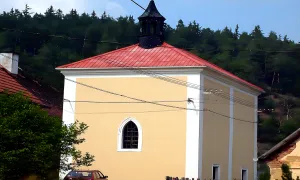
2. St. John Nepomuk Chapel * Type: * Chapel Located near the castle Rabštejn nad Střelou and is famous for its charming Baroque architectural style. They visited to enjoy a quiet moment and to appreciate its historical and spiritual importance.
3. Natural park Rabstejn * Type: * Park This park is part of the castle complex and offers beautiful walks between trees that create an ideal environment for relaxation. It is a great local corner of nature where you can enjoy the peace and beauty of the surrounding region.
4. Waterfall Rabstejn * Type: * Water monument This waterfall is one of the main attractions of the village and attracts visitors with its impressive appearance. It is an ideal place for short relaxing moments where you can enjoy a view of flowing water and natural sounds.
This route offers a combination of historical and natural attractions, which together form a harmonious unit for visitors to Rabstejna nad Strelou.
Seasonal recommendations
Spring: Rabštejn nad Střelou offers a unique view of flowering landscapes in spring, which are floods of color and life. The castle is illuminated by sunlight, which highlights its historical architecture. Nature is awakening, with the flowering forests and the River Shell singing a summer song. For a visit it is advisable to come in the early afternoon when the crowds are even smaller before the tourists begin to gather. Good clothes will be warm coat and shoes on wet floors, because visitors often encounter moisture after rain or snow.
Summer: In the summer months Rabštejn nad Střelou is a popular destination for tourists looking for an escape to nature and history. The sunny days of September on the roof of the castle and its water tanks offer ideal conditions for photography. The atmosphere is full of energy, but there may also be a large crowd overfill, especially in the middle of the day. It is recommended to come in early afternoon or at the end of the day in order to get better photos and tours without long queues. Clothes should be summer-appropriate - short gloves, sunglasses and UV protection cream.
Autumn: Rabštejn nad Střelou in autumn offers a calmer attendance and impressive colour of leaves that cover the woods around the castle. The sun illuminates the landscape in warm golden light, adding a romantic atmosphere to walking along the surrounding paths. It is advisable to visit the castle in early afternoons or evenings when the temperature is lighter and the crowd overfill is smaller. Clothing should be more layered - warm sweater, leather shoes for dry soil and protective clothing against rain.
Winter: In winter months, Rabštejn nad Střelou offers a cozy atmosphere with covered snow mountains and ice lights on water tanks. The lock is lit from the inside, adding magic and mystery. Visiting is usually lower than in other seasons, which allows a more relaxed tour. When visiting, it is important to remember short opening times and prepare for cold conditions - warm coat, leather shoes, shawl and gloves are necessary. It is recommended to visit the castle in the early afternoon when the light is still sufficient for photography.
Visualizations and artistic views


The visualisations are generated by artificial intelligence and serve as inspiration.
Photos from the area
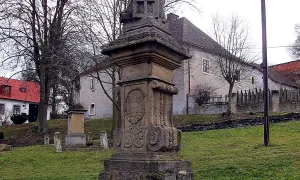
Real photos taken near the monument


Zdroj a licence jsou uvedeny u každého snímku.
Tips from visitors
No tips yet. Be the first!
Log in and add your tip.
Sources and literature
Photos: Hadonos / CC BY-SA 3.0, rozlišení zvýšeno umělou inteligencí — Wikimedia Commons. The author and licence also appear when you hover over the image.
Faktickým podkladem tohoto textu byl článek na Wikipedii, jehož autory jsou přispěvatelé Wikipedie. Článek je dostupný pod licencí CC BY-SA 4.0.
Location on the map


Příběhy a pověsti
Legendy, pověsti a příběhy spjaté s touto památkou
Fotografie návštěvníků
Zatím žádné fotografie. Buďte první, kdo přidá fotografii z návštěvy!
Log in a přidejte svou fotografii nebo hodnoťte.
Za ověřenou návštěvu v aplikaci získáte víc bodů — poznáme podle GPS, že jste na místě.
Reviews and comments