






Lužánky Park
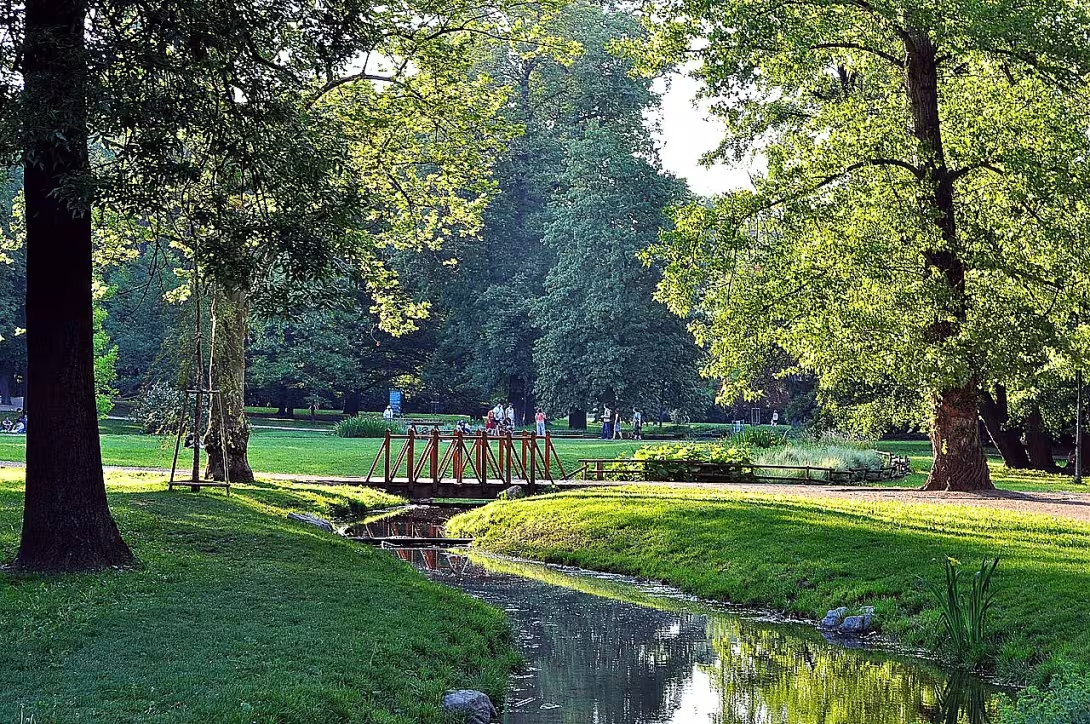
Lužánky, originally known as Augarten, is Brno's largest city park and holds the distinction of being the oldest municipal park in the Czech Republic. Located in the Brno-střed District within Černá Pole, this expansive green space covers 22.3 hectares (55 acres) and stands out for its historical significance and cultural heritage. Established in 1786 under Emperor Joseph II's reign, Lužánky was one of the first public parks in Central Europe and remains a testament to the region’s rich history.
The origins of Lužánky trace back to the 13th century when a Brno burgess named Niger donated his meadow to the Herburský Monastery. By the 16th century, Jesuits had taken over the site, transforming it into an ornamental garden used for spiritual exercises and meditation. The park's transformation into a public space began in 1786 when Emperor Joseph II abolished the Jesuit monastery and gifted the land to Brno, marking one of the first instances of such a municipal park being created in Central Europe.
Architecturally, Lužánky underwent significant changes over time. Initially developed by the Jesuits with ornamental gardens, it was redesigned by Antonín Šebánek in 1840 into a park characterized by its natural landscapes and rare tree species. The current form of the park includes an artificial stream that mirrors the Ponávka River, a result of reconstruction efforts between 1991 and 2012. A notable Renaissance Revival pavilion designed by Viennese architect Ludwig Förster was constructed in 1885 to host balls, concerts, and parties.
Ownership of Lužánky has seen dramatic shifts throughout its history. Initially owned by Niger in the 13th century and later transferred to the Jesuits, it eventually became a public park under Emperor Joseph II's directive. The park was declared a National Monument in 1849 and later recognized as a Czech Cultural Monument in 1958.
Several key events have taken place at Lužánky, reflecting its role as a cultural hub. In 1792, the park hosted one of the first fireworks displays near Brno. Over time, it has been home to various sculptures and statues, including a significant monument commemorating Emperor Joseph II, the founder of Lužánky.
Today, Lužánky remains a vibrant public space that blends natural beauty with historical elements. Visitors can enjoy its fountains, sculptures, and statues while engaging in recreational activities such as tennis or volleyball at the southeastern corner courts. The park's rich history and cultural significance make it an essential destination for those exploring Brno.
Lužánky is more than just a park; it is a living chronicle of social and political changes that swept through Europe during the Enlightenment and under Joseph II’s reforms, which aimed to modernize the Habsburg Empire. Its establishment as a public space reflects broader trends towards promoting education, religious tolerance, and public welfare.
Visitors today can appreciate Lužánky's unique blend of historical architecture and natural beauty, making it an ideal spot for relaxation and cultural exploration. Whether you're interested in its storied past or simply seeking a peaceful retreat within the city, Lužánky offers something for everyone. Come experience this remarkable park and immerse yourself in the rich tapestry of Brno's history.
Then and now
Drag the slider to compare how the landmark may have looked when it was built with the view today.
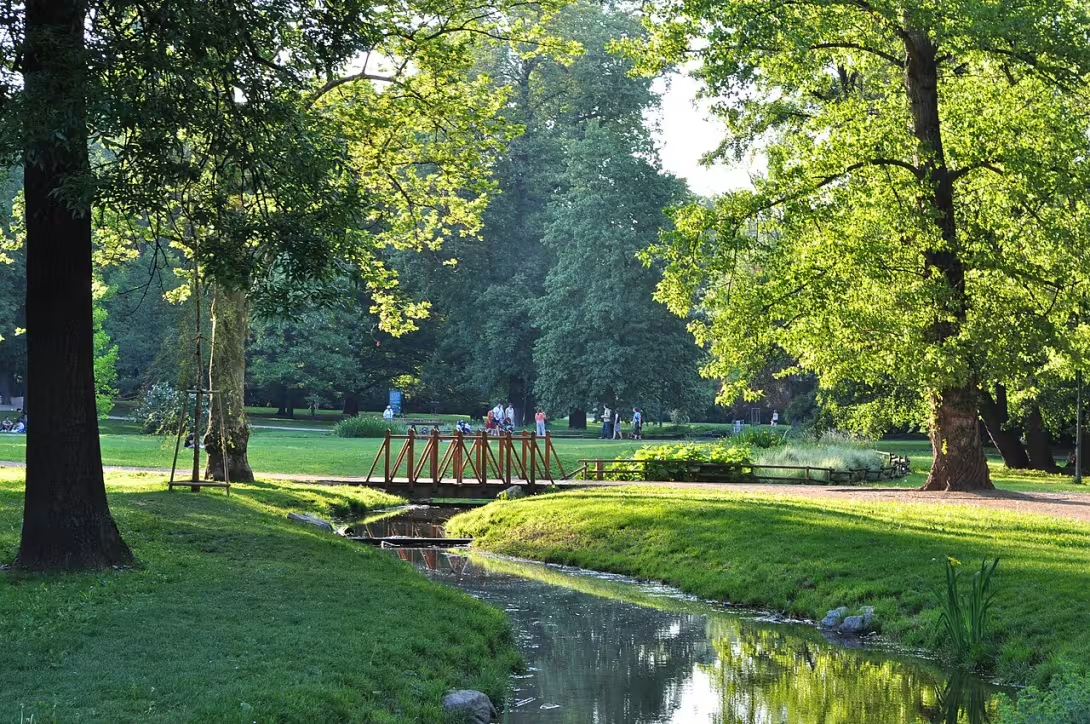
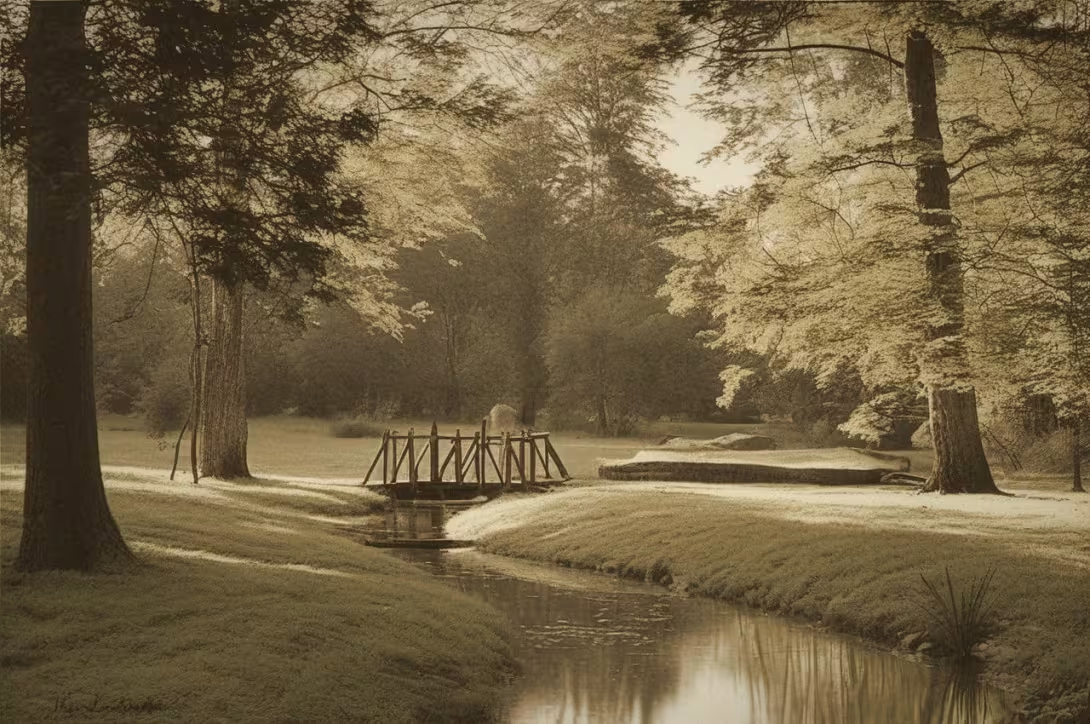
The historical appearance on the left is an AI-generated visualisation and serves as inspiration only.
Historical milestones
- 1855
- A new neoclassical pavilion was constructed on the site of a demolished restaurant.
- 1860
- A fountain with three cherubs by Franz Melnitzky and Adolf Loose senior was erected.
- 1929
- A monument to Josef Merhaut by Emil Hlavica was installed.
Architectural development
Lužánky underwent significant transformations over the centuries. Initially developed by Jesuits with ornamental gardens, it was redesigned by Antonín Šebánek in 1840 into a park of natural character featuring rare trees. The park's current form, including an artificial stream reminiscent of the Ponávka River, resulted from reconstruction efforts between 1991 and 2012.
Historical events
In 1786, Emperor Joseph II transformed the area into a public park.
The first fireworks display in the vicinity of Brno was held here in 1792.
Owners
Initially owned by the Brno citizen Niger (Schwarz) in the 13th century, who donated it to the Herburtský monastery. In the 16th century, ownership transferred to the Jesuits, and in 1786, Emperor Joseph II gifted it to the city of Brno.
Points of interest
- In the 16th century, Lužánky was transformed into an ornamental garden by Jesuits for spiritual exercises and meditation, showcasing its early role as a place of contemplation long before becoming a public park.
- The park's artificial stream mirrors the Ponávka River, a result of reconstruction efforts between 1991 and 2012, blending historical design with modern restoration techniques to maintain its aesthetic appeal.
Guide
This guide is narrated by a synthetic voice generated by artificial intelligence.
Show guide text
This text was created by artificial intelligence and has not been editorially reviewed. It may contain inaccuracies.
Welcome to the historic Lužánky Park in Černá Pole, Brno-střed! As you stand here amidst this lush landscape, imagine yourself stepping back into a rich tapestry of history and culture that has unfolded over centuries.
Lužánky, originally known as Augarten and later Augec, is the most significant urban park in Brno. Established in 1786 under the reign of Emperor Joseph II, it was one of the first public parks in Central Europe. This visionary creation aimed to provide a space for recreation and reflection accessible to all citizens, marking a pivotal moment in the democratization of leisure spaces.
As you stroll through this expansive park, spanning 22.3 hectares, take note of its blend of natural landscapes and historical structures. Architect Antonín Šebánek played a crucial role in shaping its design, ensuring that it remains a cultural monument of the Czech Republic to this day. Notice how the paths meander through varied terrains, inviting you to explore every corner.
Direct your gaze towards the neoclassical pavilion constructed in 1855 on the site of a demolished restaurant. This elegant structure stands as a testament to the architectural evolution within the park. Nearby, admire the fountain with three cherubs erected in 1860 by Franz Melnitzky and Adolf Loose senior. Its intricate details reflect the artistic sensibilities of its time.
Let's delve into some intriguing stories linked to this place. In the 16th century, Lužánky was transformed into an ornamental garden by Jesuits for spiritual exercises and meditation. This early role as a contemplative space highlights its longstanding significance beyond mere recreation. The park’s artificial stream mirrors the Ponávka River, showcasing the ingenuity of past reconstructions.
A significant moment in Lužánky's history occurred in 1929 when a monument to Josef Merhaut by Emil Hlavica was installed. This adds another layer to the park's narrative, celebrating notable figures who have contributed to its legacy.
As you continue your journey through Lužánky Park, let yourself be captivated by its harmonious blend of nature and history. Each step reveals a new facet of this remarkable place, inviting endless exploration.
We invite you to wander further, immerse yourself in the beauty around you, and discover more stories waiting to be uncovered. Thank you for joining us on this journey through Lužánky Park. Enjoy your time here!
Businesses nearby
Do you run a restaurant, accommodation, shop, museum, rental, wellness or other visitor service near this monument? Show yourself directly to the people heading to it — this is how they will see you in the app and on the web:
Events nearby


Zdroj akcí: otevřená data měst a obcí ČR (Národní katalog otevřených dat) a kalendář akcí Národního památkového ústavu.
Nearby
Lužánky is located in Černá Pole, within Brno-střed. The surrounding area includes Velká Nová Ulice and features a mix of urban and natural landscapes.
Accommodation nearby
Trips and activities nearby
Guided tours, tickets and activities nearby from GetYourGuide
Affiliate link: if you buy from the partner, we may receive a commission. The price for you does not change.
Search tours and activities →Themed route
Thematic Walking Tour: Exploring Lužánky Park and its Urban Surroundings
1. Lužánky Park *Type:* Public Park *Why Visit:* Begin your journey at the heart of Černá Pole with a visit to Lužánky Park, one of Brno's most beloved green spaces. Known for its stunning floral displays and serene walking paths, the park offers a peaceful retreat from urban life. It is perfect for enjoying nature, picnicking, or simply relaxing amidst beautifully maintained gardens.
2. Velká Nová Ulice *Type:* Urban Street *Why Visit:* A short walk from Lužánky Park leads you to Velká Nová Ulice, a vibrant street lined with shops, cafes, and restaurants. This bustling area reflects the dynamic urban culture of Brno-střed, offering an excellent opportunity to experience local cuisine and shopping. It's an ideal spot for a leisurely stroll or grabbing a coffee before continuing your exploration.
3. Černá Pole Square *Type:* Urban Square *Why Visit:* Just around the corner from Velká Nová Ulice, Černá Pole Square serves as a central gathering place in the neighborhood. This lively square is surrounded by historical buildings and provides a glimpse into the architectural heritage of Brno-střed. It's a great location to observe local life or enjoy street performances often held here.
4. Černá Pole Church *Type:* Historical Building *Why Visit:* A short walk from Černá Pole Square, this church is an important historical landmark in the area. With its distinctive architecture and serene atmosphere, it offers a moment of reflection or a chance to appreciate local religious art and history. It's worth visiting for those interested in architectural details and cultural heritage.
5. Lužánky Park - Botanical Garden *Type:* Botanical Feature within Lužánky Park *Why Visit:* Return to Lužánky Park to explore its botanical garden, a highlight of the park known for its diverse plant species and thematic gardens. This section is perfect for nature enthusiasts interested in botany or those looking to learn more about different types of flora. It's an ideal spot to conclude your tour with a deeper appreciation of the natural beauty within Lužánky Park.
This walking tour offers a balanced experience of both urban culture and natural beauty, providing insights into Brno-střed’s unique environment.
Seasonal recommendations
Spring:
Visiting Lužánky in spring offers a breathtaking display of nature's reawakening, with vibrant wildflowers and lush greenery creating an enchanting atmosphere. The park becomes alive with the chirping of birds returning from their winter migrations, adding to the serene ambiance. This season is perfect for those who enjoy gentle walks amidst blooming flora. However, it can also attract many visitors eager to witness this natural spectacle, so arriving early in the morning might help avoid larger crowds. Light layers are recommended as temperatures can vary significantly throughout the day.
Summer:
The summer months at Lužánky provide an ideal setting for leisurely picnics and outdoor activities under the warm sun. The park's expansive green spaces and shade from mature trees make it a popular retreat during the hottest part of the year, often resulting in larger crowds. To fully enjoy your visit, consider arriving early to secure a comfortable spot or plan a midday stroll when the heat is at its peak. Comfortable walking shoes and sun protection are essential due to longer daylight hours and increased foot traffic.
Autumn:
Autumn transforms Lužánky into a picturesque landscape of warm hues, with leaves turning shades of orange, red, and gold. This season offers a tranquil atmosphere as the park's visitor numbers dwindle compared to summer, providing an excellent opportunity for photography enthusiasts and nature lovers. The cooler temperatures make it ideal for leisurely walks without the summer heat. Dressing in layers is advisable since weather can be unpredictable, with crisp mornings that warm up by midday.
Winter:
During winter, Lužánky presents a serene and somewhat mystical experience as snow blankets the park, creating a quiet and reflective atmosphere. The reduced number of visitors allows for peaceful strolls through the frosty landscape, though some paths may be less accessible due to snow cover. It's important to dress warmly in layers and wear sturdy footwear suitable for potentially icy conditions. Planning your visit during daylight hours is recommended since opening times might be shorter and lighting can be limited.
Visualizations and artistic views


The visualisations are generated by artificial intelligence and serve as inspiration.
Photos from the area
Real photos taken near the monument


Zdroj a licence jsou uvedeny u každého snímku.
Tips from visitors
No tips yet. Be the first!
Log in and add your tip.
Sources and literature
Fotografie: Millenium187 / CC BY-SA 3.0 — Wikimedia Commons. The author and licence also appear when you hover over the image.
Faktickým podkladem tohoto textu byl článek na Wikipedii, jehož autory jsou přispěvatelé Wikipedie. Článek je dostupný pod licencí CC BY-SA 4.0.
Location on the map


Příběhy a pověsti
Legendy, pověsti a příběhy spjaté s touto památkou

Fotografie návštěvníků
Zatím žádné fotografie. Buďte první, kdo přidá fotografii z návštěvy!
Přihlaste se a přidejte svou fotografii nebo hodnoťte.
Za ověřenou návštěvu v aplikaci získáte víc bodů — poznáme podle GPS, že jste na místě.
Reviews and comments