






Mariánský sloup (Český Krumlov) Marian column
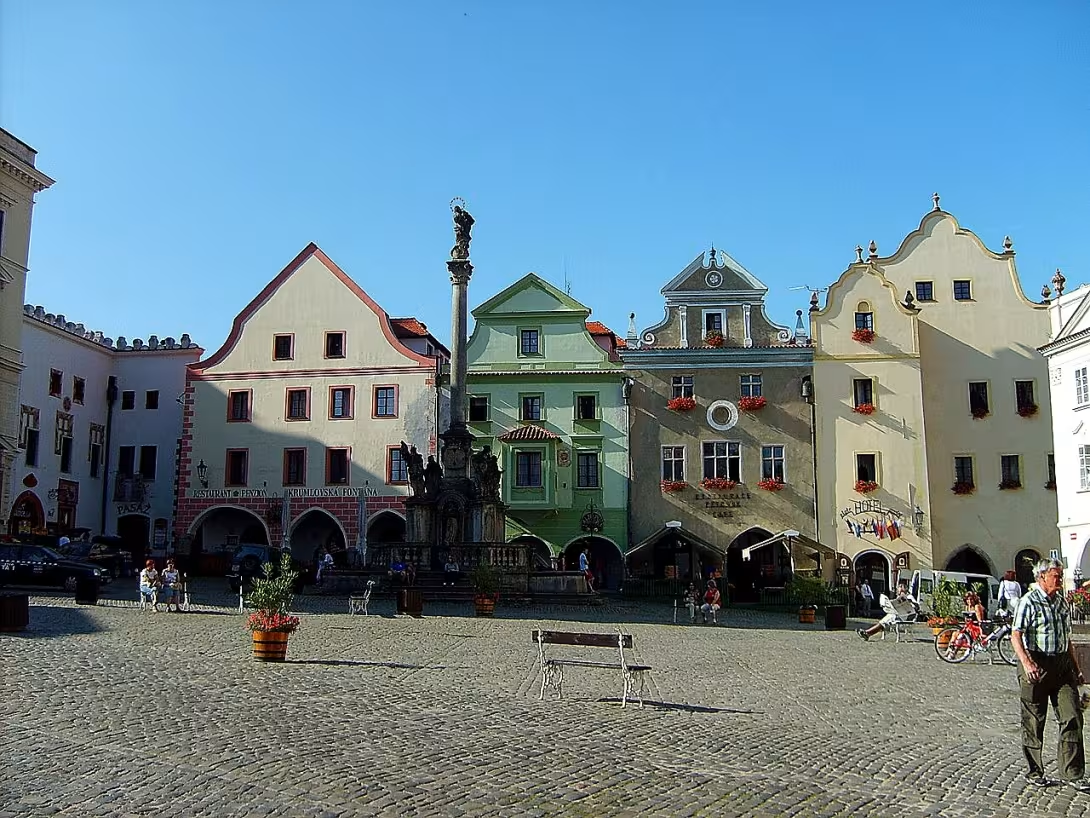
The Mariánský sloup in Český Krumlov is a baroque religious monument located at Náměstí Svornosti, the main town square of this historic southern Bohemian city. Erected as an expression of gratitude for divine intervention during the plague epidemics between 1680 and 1682, it stands out not only for its spiritual significance but also for its transformation into a fountain in 1844 by Josef Hauber. This monument is notable for its artistic embellishments and historical context, reflecting both religious devotion and civic utility.
Constructed as an act of thanksgiving following the end of a devastating plague epidemic that affected Český Krumlov and much of the Habsburg Monarchy during 1680-1682, the initiative came from Marie Ernestina ze Schwarzenbergu. She financed this baroque monument to honor divine protection against the disease. In response to another outbreak between 1712 and 1716, sculptures by Matěj Václav Jäckel and local stonemason Jan Plansker were added, enhancing its artistic value.
Architecturally, the Mariánský sloup features a four-sided base with a balustrade, supported on a plinth that includes stairs on two sides. The structure also incorporates a basin for water, reflecting its later transformation into a fountain. The column is crowned by a Corinthian capital supporting a statue of the Immaculate Virgin Mary, surrounded by symbolic elements such as a zodiac sphere and rays with stars. Surrounding niches house statues of saints Roch, Francis Xavier, Sebastian, and Cajetan—patrons against the plague—while additional sculptures of Saints Wenceslas, Vitus, John the Evangelist, and Jude Thaddeus adorn its corners.
Throughout its history, the Mariánský sloup has seen significant changes. Initially serving as a religious monument, it was transformed into a fountain in 1844 by Josef Hauber due to the deteriorating condition of an existing water feature on the square. This adaptation added a practical element to its spiritual origins. The column and its surrounding area have been protected as cultural heritage since 1958.
Today, the Mariánský sloup stands as both a historical artifact and a functional piece of urban infrastructure in Český Krumlov. Its blend of religious artistry and civic utility makes it a compelling site for visitors interested in baroque architecture and local history. The monument's preservation as a cultural heritage site underscores its importance, inviting tourists to explore the rich tapestry of stories embedded within this unique structure.
Then and now
Drag the slider to compare how the landmark may have looked when it was built with the view today.
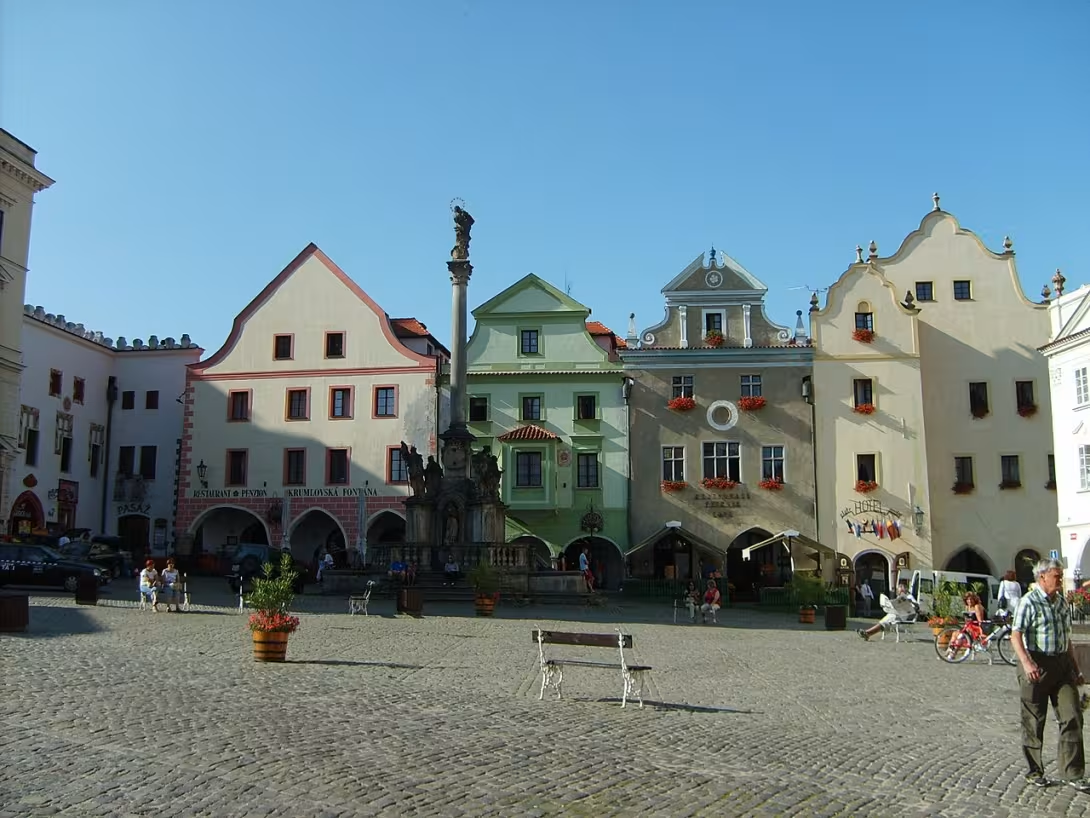
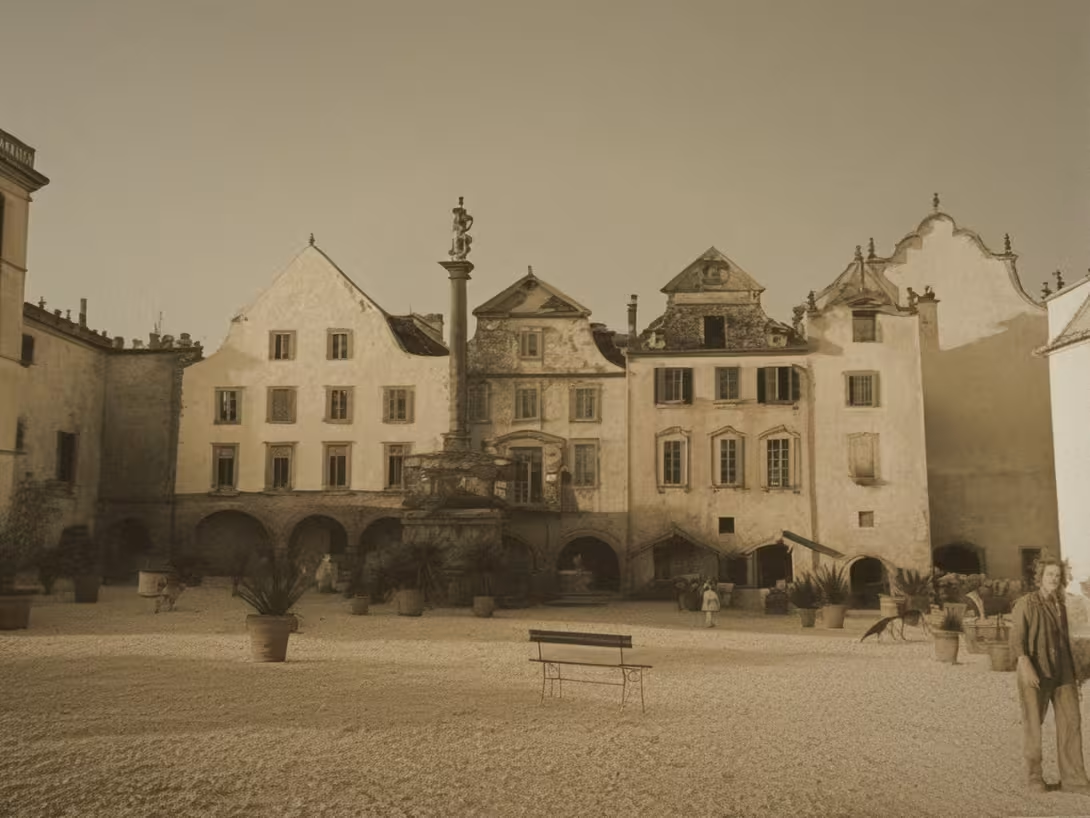
The historical appearance on the left is an AI-generated visualisation and serves as inspiration only.
Historical milestones
- 1680
- The number of plague epidemics in Český Krumlov and the Habsburg Monarchy.
- 1682
- The end of the plague epidemic, after which a column was erected as an act of gratitude.
- 1710
- Erection of the Marian Column in Český Krumlov.
- 1712
- A second plague epidemic; addition of sculptures by Matěj Václav Jäckel and Jan Plansker.
- 1844
- Transformation of the column into a fountain by Josef Hauber.
- 1958
- Protection of the Marian Column as a cultural monument.
Architectural development
Originally built in 1710, the Mariánský sloup underwent significant artistic enhancement between 1712 and 1716 with sculptures added to commemorate another plague epidemic. In 1844, it was converted into a fountain by Josef Hauber, integrating a water basin around its base.
Historical events
- 1680
- Construction initiated as gratitude for the end of a plague epidemic.
- 1844
- The column was transformed into a fountain by Josef Hauber.
Points of interest
- The Mariánský sloup was initially erected as a gesture of gratitude for divine intervention during the plague epidemics between 1680 and 1682, highlighting its origins rooted in public health crises rather than solely religious devotion.
- Interestingly, the transformation into a fountain in 1844 by Josef Hauber was not just an aesthetic upgrade but also served to replace a deteriorating water feature, merging spiritual heritage with practical urban needs.
- The involvement of Matěj Václav Jäckel and local stonemason Jan Plansker in adding sculptures during another plague outbreak between 1712 and 1716 reflects the community's continued reliance on religious figures for protection against recurring epidemics.
- Despite its baroque origins, the Mariánský sloup was only protected as a cultural heritage site starting from 1958, indicating a relatively recent recognition of its historical significance in the broader context of Český Krumlov’s cultural preservation efforts.
- The monument's artistic embellishments include symbolic elements like a zodiac sphere and rays with stars, which not only enhance its visual appeal but also embed deeper astrological and religious meanings within its design.
Guide
This guide is narrated by a synthetic voice generated by artificial intelligence.
Show guide text
This text was created by artificial intelligence and has not been editorially reviewed. It may contain inaccuracies.
Welcome to the heart of Český Krumlov's Vnitřní Město, where you stand before a testament to history and resilience—the Mariánský sloup, or Mary's Column. This baroque masterpiece is not just an architectural marvel but a story woven into the fabric of this town's past.
As you gaze upon it, imagine the year 1680 when České Krumlov was gripped by the fear and devastation of plague epidemics sweeping through the Habsburg Monarchy. It was during these trying times that the Mariánský sloup took root in the collective consciousness as a symbol of hope and gratitude for divine intervention, which many believed saved them from further suffering.
Erected in 1710, this column stands as a gesture of thanks to Mary, whose intercession was credited with ending the epidemics by 1682. It's adorned with sculptures crafted by Matěj Václav Jäckel and local stonemason Jan Plansker. These figures are not mere decorations but represent saints known for their protective powers against such plagues.
Take a moment to appreciate the craftsmanship of these sculptures, each telling its own story through intricate details that capture both devotion and artistry. The column itself is an embodiment of baroque grandeur, with every curve and contour inviting you into a world where faith and art intertwine seamlessly.
The creation of this monument was influenced by notable historical figures such as Marie Ernestina ze Schwarzenbergu and Jan Kristián I. z Eggenbergu, who played pivotal roles in its conception and realization. Their vision brought together the community's collective spirit during one of its darkest periods.
An intriguing twist to the column’s history occurred in 1844 when it was transformed into a fountain by Josef Hauber. This transformation added another layer to its significance, blending functionality with spirituality as water flowed from where once stood silent stone.
As you stand here, let your mind wander through time, imagining the countless individuals who have paused at this spot over the centuries—each carrying their own stories and seeking solace or gratitude.
Before we conclude our journey together, consider how this column has been protected as a cultural monument since 1958. It stands not only as a piece of history but as a guardian of the tales that have shaped Český Krumlov's identity.
I invite you to continue exploring this enchanting town, where every corner holds secrets waiting to be discovered. Thank you for sharing this moment with me, and may your visit inspire stories of your own.
Farewell until we meet again in another chapter of our shared history.
Tips for visitors
The best time to visit the Mariánský sloup is during late spring or early autumn, when the weather is pleasant for walking around Český Krumlov's charming streets without the summer crowds. These seasons offer a comfortable climate that enhances your experience of exploring the town’s medieval architecture and enjoying outdoor activities.
Parking near Náměstí Svornosti can be limited due to its central location, so consider using public transportation or parking in designated areas outside the city center. The town is well-connected by bus services, making it easy to reach the Mariánský sloup from various points within Český Krumlov.
When visiting, bring comfortable walking shoes as you'll likely explore more than just the immediate area around the column. A camera or smartphone for photography is recommended, along with a light jacket in case of changing weather conditions typical of southern Bohemia.
For photography enthusiasts, early morning offers soft lighting that beautifully highlights the baroque details of the Mariánský sloup and its surroundings. The golden hour just before sunset also provides excellent natural lighting for capturing the column against the backdrop of Český Krumlov’s historic skyline.
Nearby attractions within a 30-minute walk include the Český Krumlov Castle, offering breathtaking views and rich history, and the historic town center with its well-preserved medieval buildings. For families with children, consider visiting the local puppet theatre or exploring the charming streets of the Old Town for an engaging experience.
Families with children will find Český Krumlov welcoming, with various activities suitable for young visitors. The town's compact size makes it easy to explore on foot, and there are plenty of opportunities for kids to enjoy interactive experiences at local museums or simply by exploring the picturesque streets.
Businesses nearby
Do you run a restaurant, accommodation, shop, museum, rental, wellness or other visitor service near this monument? Show yourself directly to the people heading to it — this is how they will see you in the app and on the web:
Events nearby

Zdroj akcí: otevřená data měst a obcí ČR (Národní katalog otevřených dat) a kalendář akcí Národního památkového ústavu.
Nearby
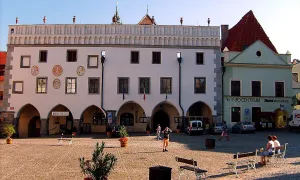
Located in Český Krumlov, a town renowned for its well-preserved medieval architecture, the Mariánský sloup stands on Náměstí Svornosti. The area is rich with historical buildings and natural features typical of southern Bohemia.
Accommodation nearby
Trips and activities nearby
Guided tours, tickets and activities nearby from GetYourGuide
Affiliate link: if you buy from the partner, we may receive a commission. The price for you does not change.
Search tours and activities →Themed route
Thematic Walking Tour: Mariánský Sloup and Český Krumlov's Historic Heart
1. Mariánský sloup (Český Krumlov)
Type: Historical Monument
Why Visit: The Mariánský sloup is a stunning example of Baroque artistry, standing proudly on Náměstí Svornosti in the heart of Český Krumlov. This Marian column commemorates the end of the Thirty Years' War and offers visitors a glimpse into the town's rich religious history.
2. Náměstí Svornosti (Unity Square)
Type: Historic Square
Why Visit: As you explore Náměstí Svornosti, take in the vibrant atmosphere and architectural beauty of this central square. It serves as a gateway to the medieval charm of Český Krumlov, with its cobblestone streets leading to various historical buildings that tell stories of the town's past.
3. St. Vitus Church
Type: Historic Church
Why Visit: Just a short walk from Náměstí Svornosti, St. Vitus Church is an architectural marvel with its Gothic and Baroque elements. Its impressive spire offers panoramic views of the town, making it a must-visit for those interested in both history and stunning vistas.
4. Český Krumlov Castle
Type: Historic Castle (within walking distance)
Why Visit: Although not explicitly listed in the "Okolí," Český Krumlov Castle is an integral part of the town's historic fabric, visible from many points around Náměstí Svornosti. Its majestic presence and rich history make it a focal point for understanding the cultural heritage of the region.
This tour encapsulates the essence of Český Krumlov’s historical core, offering insights into its architectural beauty and storied past through key landmarks that define the town's identity.
Seasonal recommendations
Spring: Visiting Mariánský Sloup during spring offers the unique charm of blooming flowers and fresh greenery, enhancing the beauty of Český Krumlov's historic center. The soft light of longer days casts a gentle glow on the intricate details of the monument, creating an inviting atmosphere for exploration. As nature awakens, you'll find fewer crowds compared to summer, making it an ideal time for a leisurely stroll. However, be prepared for unpredictable weather; a light raincoat or umbrella can be handy. Early mornings are particularly pleasant, with cooler temperatures and a tranquil ambiance before the day's visitors arrive.
Summer: The summer months bring vibrant life to Mariánský Sloup, as the sun illuminates the monument in warm hues, accentuating its architectural details. This is the peak tourist season, so expect larger crowds and plan accordingly. Arriving early can help you avoid the midday heat and enjoy a more peaceful experience. Comfortable walking shoes and light clothing are recommended to navigate the cobblestone streets comfortably. Additionally, consider visiting in the late afternoon when temperatures mellow, allowing for an extended exploration of Český Krumlov’s charming surroundings.
Autumn: Autumn at Mariánský Sloup is a visual feast, with the surrounding landscape adorned in rich reds, oranges, and yellows. The cooler weather makes it perfect for walking tours without the summer heat, while the softer light enhances the monument's features. This season often sees fewer tourists, providing a more intimate experience of Český Krumlov’s historic charm. Layered clothing is advisable to accommodate fluctuating temperatures throughout the day. Early morning visits can capture the serene beauty of the town as it awakens under a crisp autumn sky.
Winter: Winter transforms Mariánský Sloup into a picturesque scene, often blanketed in snow, which adds a magical quality to its historic surroundings. The shorter days mean earlier closures for many attractions, so plan your visit accordingly. While fewer tourists venture out during this time, the monument remains a captivating sight under the soft glow of streetlights or against the backdrop of a clear winter sky. Dress warmly with layers and sturdy footwear to enjoy the cold weather comfortably. Visiting in late morning allows you to experience both the tranquility of an early start and the full daylight hours for exploring.
Visualizations and artistic views


The visualisations are generated by artificial intelligence and serve as inspiration.
Photos from the area
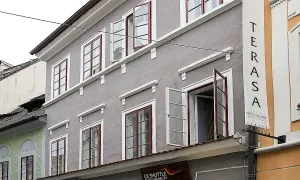
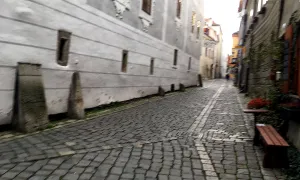
Real photos taken near the monument


Zdroj a licence jsou uvedeny u každého snímku.
Tips from visitors
No tips yet. Be the first!
Log in and add your tip.
Sources and literature
Photos: Ondřej Koníček / Public domain — Wikimedia Commons. The author and licence also appear when you hover over the image.
Faktickým podkladem tohoto textu byl článek na Wikipedii, jehož autory jsou přispěvatelé Wikipedie. Článek je dostupný pod licencí CC BY-SA 4.0.
Location on the map
More monuments – Vnitřní Město
Show all in the municipality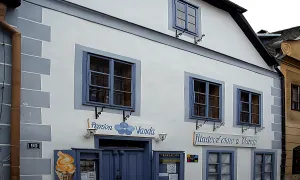
Příběhy a pověsti
Legendy, pověsti a příběhy spjaté s touto památkou
Fotografie návštěvníků
Zatím žádné fotografie. Buďte první, kdo přidá fotografii z návštěvy!
Log in a přidejte svou fotografii nebo hodnoťte.
Za ověřenou návštěvu v aplikaci získáte víc bodů — poznáme podle GPS, že jste na místě.
Reviews and comments