






Městské opevnění Fortifications
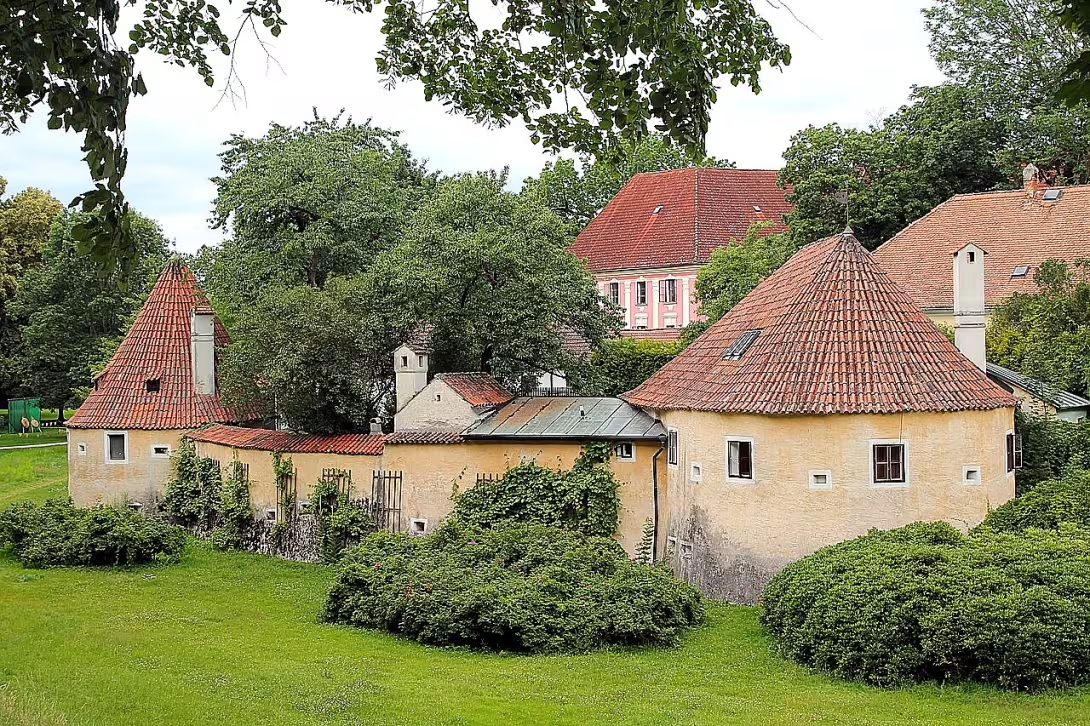
The Městské opevnění in Třeboň is a historical fortification surrounding the town's historic core. Originating in the 14th century, it played a crucial role during conflicts like the Hussite Wars and the Thirty Years' War. Over time, additional defensive structures such as ditches and bastions were added. Today, remnants of these walls are preserved as cultural heritage sites.
Constructed likely in the 14th century amid political and religious upheaval in Bohemia, notably influenced by the Hussite movement challenging Catholic orthodoxy, Třeboň required robust defenses. Initially, the fortifications consisted of a simple wall with a water-filled ditch fed by a nearby stream for added defense.
Architecturally, the Městské opevnění evolved significantly over time. Following the 1422 Hussite Wars siege, when Třeboň was not destroyed, defenses were strengthened and augmented with new elements like a palisade wall and artillery bastions by the late 15th century. In the early 16th century, Štěpánek Netolický oversaw major renovations between 1525 and 1527 to fortify against Ottoman threats, focusing on strengthening the southern side with new defenses and modifying existing gates.
Throughout its history, the Městské opevnění experienced changes in ownership and use. After enduring conflicts like the Thirty Years' War, parts were partially dismantled in 1571 for Svět pond construction. In later centuries, locals colonized sections of the walls as residential spaces.
The Městské opevnění is notable for its historical significance, architectural evolution, and resilience through numerous conflicts. Today, visitors can explore preserved remnants offering a tangible connection to Třeboň's past. The site remains an important cultural heritage landmark, providing insight into medieval defensive strategies and local history.
The Městské opevnění in Třeboň is a testament to the town's historical resilience and strategic importance. Its preserved remnants invite visitors to explore and appreciate the rich tapestry of events that shaped this region. Whether drawn by architectural features or intrigued by its storied past, a visit offers a unique glimpse into medieval life in Bohemia.
Then and now
Drag the slider to compare how the landmark may have looked when it was built with the view today.
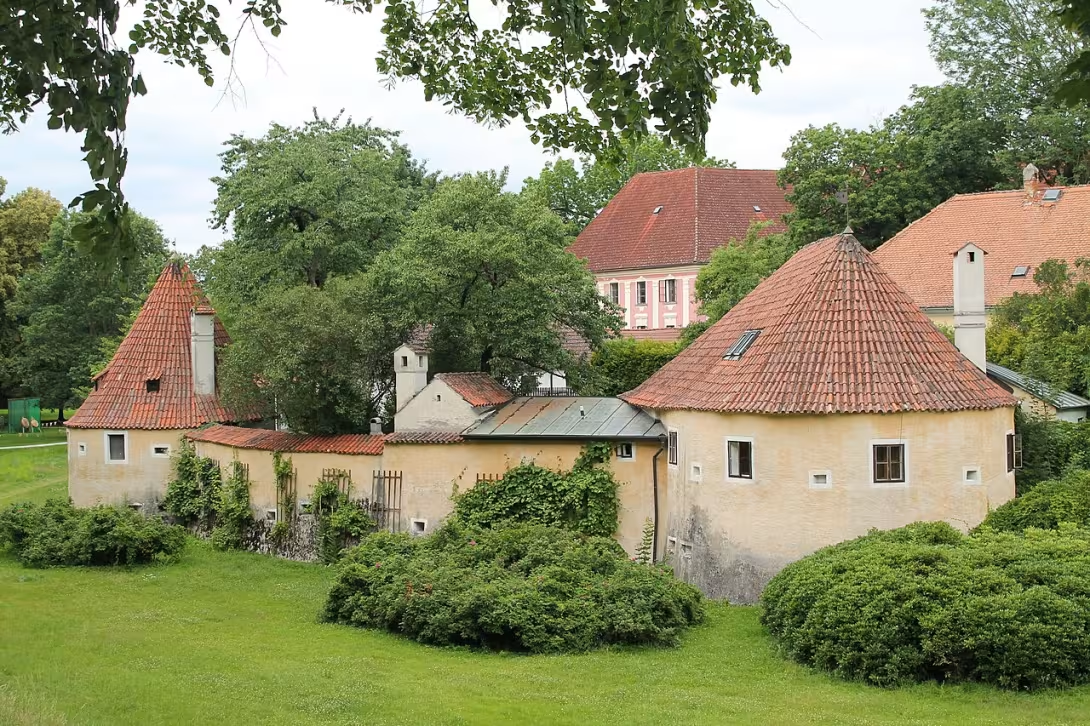
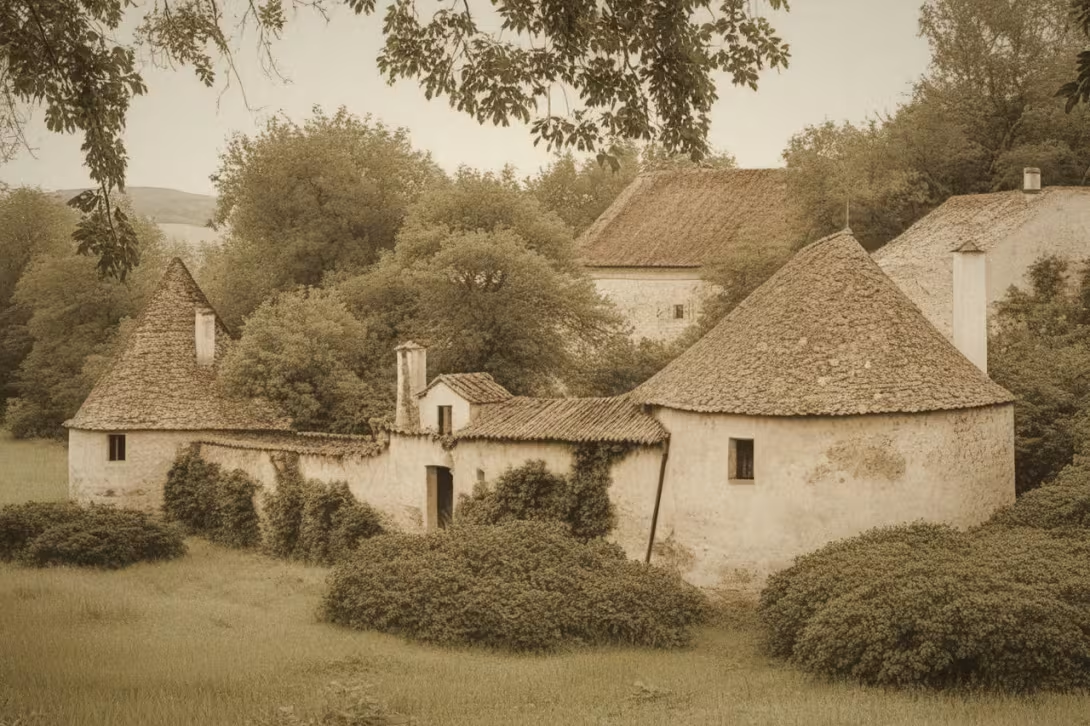
The historical appearance on the left is an AI-generated visualisation and serves as inspiration only.
Historical milestones
- 1400
- Založení městského opevnění v Třeboní.
- 1422
- Opevnění vydrželo obléhání během husitských válek.
- Konec 15. století
- Přidány nové obranné prvky, včetně palisádní zdi a dělostřeleckých bastionů.
- 1525-1527
- Renovace Štěpánkem Netolickým pro obranu proti turecké hrozbě.
- 1571
- Část opevnění byla částečně zbořena pro výstavbu Svět pond.
Architectural development
The original simple wall was fortified with a water-filled ditch fed by a nearby stream. In the late 15th century, additional defensive elements like palisade walls and artillery bastions were added. The fortifications underwent major renovations in the early 16th century under Štěpánek Netolický, focusing on strengthening the southern side with new lines of defense.
Historical events
In 1422, during the Hussite Wars, the town was besieged but the fortifications were not destroyed.
Between 1525 and 1527, Štěpánek Netolický oversaw significant renovations to strengthen the walls in response to threats from the advancing Ottoman Empire.
Points of interest
- The Městské opevnění in Třeboň was never destroyed during the 1422 Hussite Wars siege, a rarity among Bohemian towns of that era. This allowed for immediate fortification improvements rather than reconstruction.
- In the early 16th century, Štěpánek Netolický oversaw significant renovations to strengthen defenses against Ottoman threats, specifically focusing on reinforcing the southern side with new structures and modifying existing gates.
- Parts of the Městské opevnění were dismantled in 1571 for the construction of Svět pond. This reflects a shift from military use to more civilian applications as local needs evolved over time.
- Over centuries, some sections of the walls were colonized by locals and used as residential spaces. This adaptation highlights how historical structures can be repurposed to meet changing community requirements.
- The Městské opevnění showcases an architectural evolution from simple medieval defenses to more complex fortifications with ditches and bastions, reflecting advancements in military strategy and technology over time.
Guide
This guide is narrated by a synthetic voice generated by artificial intelligence.
Show guide text
This text was created by artificial intelligence and has not been editorially reviewed. It may contain inaccuracies.
Welcome to the historic Městské opevnění in Třeboň, an enduring testament to medieval fortification and resilience. As you stand here, take a moment to absorb the atmosphere of this ancient site encircling the town's historic core. The remnants around you whisper tales from centuries past, inviting you on a journey through time.
The origins of these fortifications date back to the 14th century, constructed with the strategic intent to protect Třeboň during turbulent times. This was an era marked by frequent conflicts, and the walls here stood as silent guardians against threats such as those posed during the Hussite Wars in 1422—a siege that this town remarkably survived without destruction, a rarity among Bohemian towns of that period.
As you walk along these ancient paths, notice how time has shaped their form. The architecture tells its own story: remnants of ditches and bastions speak to the layers of enhancements made over centuries. These additions were not merely for show but served critical defensive purposes, including the palisade wall and artillery bastions added in the late 15th century.
A pivotal figure in this narrative is Štěpánek Netolický, who oversaw significant renovations between 1525 and 1527. His efforts were driven by the need to fortify against the looming Ottoman threat—a testament to the strategic importance of Třeboň during that time.
One intriguing aspect of this site is its survival through history's trials. Unlike many towns that faced destruction, Třeboň’s walls stood firm during the 1422 siege, allowing for immediate improvements rather than reconstruction. This resilience is a testament to their original design and strategic significance.
As you continue your exploration, allow yourself to be drawn into the stories these stones hold. Each step along this historic path offers new insights into the lives of those who once defended and inhabited this town.
Thank you for joining us on this journey through Třeboň’s Městské opevnění. We invite you to delve deeper, explore further, and perhaps discover more about the rich tapestry of history that surrounds you here.
Safe travels as you continue your adventure in Třeboň!
Tips for visitors
The best time to visit the Městské opevnění in Třeboň is during late spring or early autumn when the weather is pleasant, and the surrounding landscape of lakes and wetlands is particularly beautiful. During these months, you can enjoy a comfortable walk around the historic fortifications without the crowds that peak season might bring. Additionally, visiting outside of summer helps avoid extreme heat, making it more enjoyable to explore the area.
Public transport is accessible, with buses connecting Třeboň to nearby towns and attractions. It's advisable to check current schedules online or at local tourist information centers to plan your trip efficiently.
When visiting Městské opevnění, it’s wise to bring comfortable walking shoes as you’ll likely spend a good amount of time exploring the historic site on foot. A hat and sunscreen are recommended due to the open nature of the fortifications and surrounding areas. Don’t forget your camera to capture the stunning views of Třeboň's picturesque landscape.
For photography enthusiasts, some of the best spots include the elevated viewpoints along the ramparts where you can capture panoramic shots of Třeboň’s historic core and its beautiful lakeside setting. Early morning or late afternoon light often provides a soft glow that enhances the natural beauty of the area. The historic gates like Budějovická brána and Hradecká brána also offer unique perspectives for capturing the essence of Třeboň.
Nearby attractions within 30 minutes include several historic gates such as Budějovická brána and Hradecká brána, which are part of the town’s fortifications. These sites provide additional historical context and scenic views. For families with children, these areas offer a chance to explore history in an engaging way while enjoying outdoor activities amidst Třeboň's charming landscape.
Frequently asked questions
Can the monument be visited?
This is a structure in a public space that can usually be seen from outside free of charge. We have not verified that this particular one is freely accessible.
Where is the monument?
Location: Třeboň I, Jihočeský kraj. The map on this page shows the exact spot.
Why is the monument protected?
It is listed in the Central List of Cultural Monuments of the Czech Republic as a cultural monument (register no. 1000130003).
Businesses nearby
Do you run a restaurant, accommodation, shop, museum, rental, wellness or other visitor service near this monument? Show yourself directly to the people heading to it — this is how they will see you in the app and on the web:
Events nearby





Zdroj akcí: otevřená data měst a obcí ČR (Národní katalog otevřených dat) a kalendář akcí Národního památkového ústavu.
Nearby
The area around Třeboň is characterized by its picturesque landscape, including lakes and wetlands. Notable nearby monuments include several historic gates such as Budějovická brána and Hradecká brána.
Accommodation nearby
Trips and activities nearby
Guided tours, tickets and activities nearby from GetYourGuide
Affiliate link: if you buy from the partner, we may receive a commission. The price for you does not change.
Search tours and activities →Themed route
Třeboň City Wall and Surrounding Attractions Tour
1. Městské opevnění (City Walls) - Type: Historical Monument - Why Visit: Explore the remnants of Třeboň's medieval city walls, which offer a glimpse into the town’s strategic past. Walk along these ancient defenses to appreciate their historical significance and enjoy panoramic views of the surrounding landscape.
2. Budějovická brána (Budweis Gate) - Type: Historic Gate - Why Visit: This gate is one of the few remaining original city gates, providing insight into the town's defensive architecture. Its preservation allows visitors to step back in time and imagine life during Třeboň’s fortified era.
3. Hradecká brána (Hradec Gate) - Type: Historic Gate - Why Visit: Known for its unique design, Hradecká brána is a testament to the town's historical importance and architectural evolution. It serves as an excellent example of medieval craftsmanship and urban planning.
4. Třeboň Town Square - Type: Urban Center - Why Visit: Located near the city walls, this vibrant square offers a charming atmosphere with its quaint buildings and local shops. It's an ideal spot to relax after exploring the historic sites and enjoy the lively ambiance of Třeboň.
5. Třeboň Museum (if within proximity) - Type: Cultural Institution - Why Visit: While not specifically mentioned in the "Okolí," if located near the city walls, this museum provides valuable context about Třeboň’s history and culture through its exhibits. It's a perfect place to deepen your understanding of the town’s heritage.
This itinerary offers a comprehensive exploration of Třeboň's historic defenses and nearby attractions, providing both educational insights and cultural experiences.
Seasonal recommendations
Spring: Visiting the Třeboň I town fortifications during spring offers a unique experience as nature awakens around the historic site. The blooming flora and lush greenery create a picturesque setting, enhancing the beauty of the ancient walls. This time of year often brings mild weather, making it ideal for leisurely exploration without the sweltering heat of summer. However, be prepared for occasional rain showers that can add to the charm of your visit. To fully enjoy this season, consider wearing comfortable layers and bringing a light waterproof jacket. Early mornings or late afternoons are perfect times to avoid larger crowds while soaking in the serene atmosphere.
Summer: Summer is the peak tourist season for Třeboň I's town fortifications, characterized by long daylight hours that allow visitors to explore the site thoroughly. The warm weather and vibrant sunsets provide a stunning backdrop, making it an excellent time for photography enthusiasts. However, this popularity means larger crowds are likely, so arriving early in the day can help you avoid the busiest times. Dressing in light, breathable clothing is advisable due to the heat, and carrying water is essential to stay hydrated during your visit.
Autumn: Autumn at Třeboň I's town fortifications offers a stunning display of fall foliage, with vibrant colors transforming the landscape into a breathtaking canvas. The cooler temperatures make it comfortable for walking around the historic site without the summer crowds. This season also provides a more tranquil atmosphere, perfect for those seeking a peaceful experience. As days get shorter and evenings chillier, wearing layers is recommended to adjust comfortably throughout your visit. Late afternoons are ideal for capturing the golden hues of sunset against the ancient walls.
Winter: Winter transforms Třeboň I's town fortifications into a serene and quiet retreat, with snow often blanketing the historic site in a peaceful white layer. Visitors should dress warmly in layers, including hats, gloves, and insulated footwear, to enjoy their time comfortably. Winter mornings are typically quieter, offering a unique opportunity for reflection amidst the quiet beauty of the season.
Visualizations and artistic views


The visualisations are generated by artificial intelligence and serve as inspiration.
Photos from the area
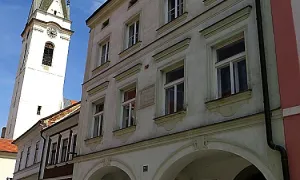
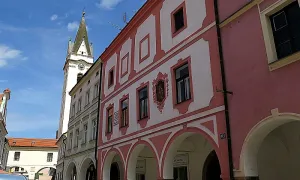
Real photos taken near the monument


Zdroj a licence jsou uvedeny u každého snímku.
Tips from visitors
No tips yet. Be the first!
Log in and add your tip.
Sources and literature
Photos: Harold / CC BY-SA 4.0 — Wikimedia Commons. The author and licence also appear when you hover over the image.
Faktickým podkladem tohoto textu byl článek na Wikipedii, jehož autory jsou přispěvatelé Wikipedie. Článek je dostupný pod licencí CC BY-SA 4.0.
Location on the map
More monuments – Třeboň I
Show all in the municipality


Příběhy a pověsti
Legendy, pověsti a příběhy spjaté s touto památkou

Fotografie návštěvníků
Zatím žádné fotografie. Buďte první, kdo přidá fotografii z návštěvy!
Log in a přidejte svou fotografii nebo hodnoťte.
Za ověřenou návštěvu v aplikaci získáte víc bodů — poznáme podle GPS, že jste na místě.
Reviews and comments