






městské opevnění v Uherském Hradišti Fortifications
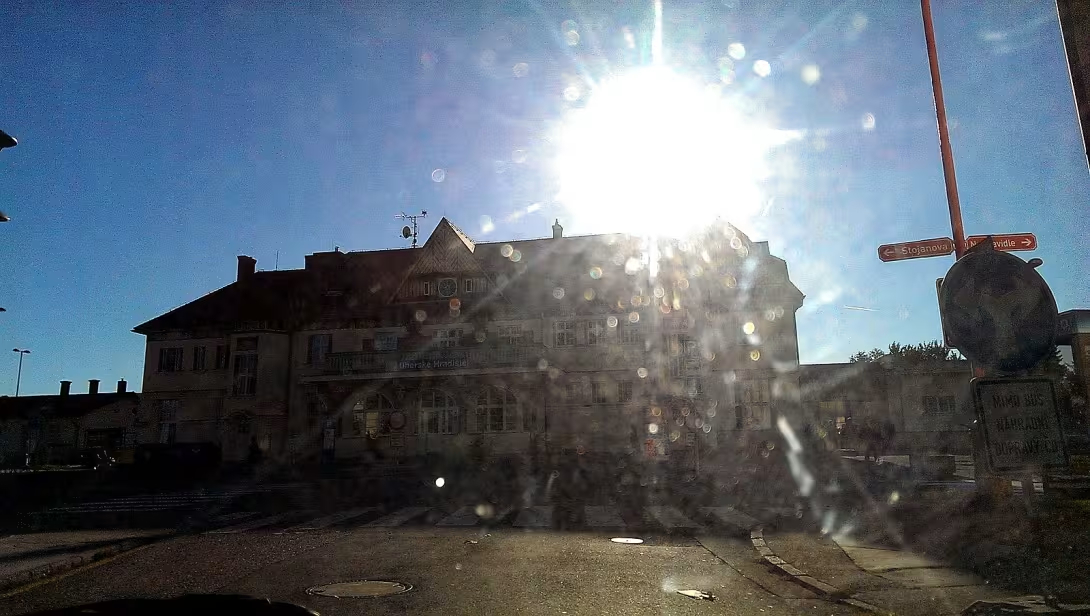
The urban fortification of Uherské Hradiště stands as proof of centuries of military architecture, mixing medieval and Baroque elements. These buildings protected this important place on the river Moravia since its foundation before 1257 by King Přemysl Otakar II. Originally built as a fortress against Hungarian invasions, in the 17th and 18th centuries they were extensively converted into a modern fortress of the basic type. This transformation ensured that Uherské Hradiště remained intact due to its strategic position and protection of natural waters.
Today significant fragments from both phases of construction are preserved as a cultural heritage that offers a view of the historical military architecture of the region. The origin of the Hungarian Hradiště returned to its foundation by king Přemysl Otakar II before 1257, which served primarily as a fortress against Hungarian invasions. Its strategic importance was highlighted during the end of the 15th century of the Czech-Hungarian War, when it remained faithful to Jiří z Poděbrad and successfully resisted the Matyáš Korvín networks.
Architectural fortification has evolved significantly over time. They originally represented a wall with a wooden palisade, later replaced by stone walls under the Luxembourg dynasty in the early 14th century. The transformation to the bastion fortress began in 1655 and lasted almost a century, reflecting progress in military engineering and fortification of technology. This Baroque phase has introduced modern bastions that have strengthened the city's defence capabilities.
Uherské Hradiště has seen various owners and administrators throughout its history who have influenced its development. Important figures include King Přemysl Otakar II, John of Luxembourg, Karel IV., Zikmund, Jiří z Poděbrad, Matyáš Korvín and Ferdinand III. Everyone played a role in forming fortifications of strategic importance and architectural evolution.
Key events in Uherské Hradiště include its successful resistance to the invasion of the Austrian Albrecht in 1304 and multiple halls during the Czech-Hungarian wars between 1468 and 1470. The city also suffered a large fire in 1609, which destroyed the rear gate, subsequently walled up. During the Hussite wars, King Sigismund Uherské Hradiště used as a basis and further emphasized its strategic value.
Today, the remains of these fortifications offer a view of the past and serve as a cultural heritage. Although much of the original structure has been lost in time and modern development, what remains is accessible to visitors who are interested in discovering this historic landmark. The preserved fragments provide valuable insights into medieval and Baroque military architecture and highlight the strategic importance of Uherské Hradiště throughout history.
Visiting the urban fortifications of Uherské Hradiště offers a unique opportunity to connect with the rich history of the region. The site not only shows impressive architectural evolution, but also tells stories about the resilience and strategic importance that shaped its history. It is a challenge to explore and award the permanent heritage of this remarkable historical monument.
Then and now
Drag the slider to compare how the landmark may have looked when it was built with the view today.
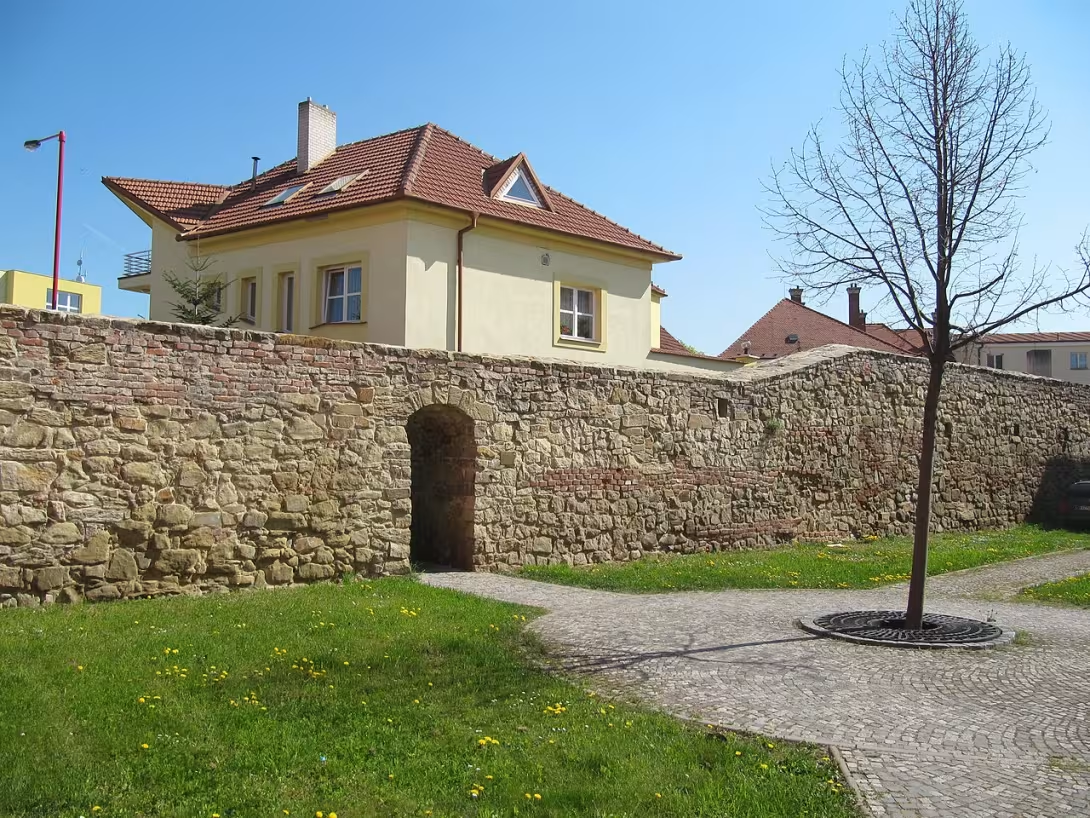

The historical appearance on the left is an AI-generated visualisation and serves as inspiration only.
Historical milestones
- 1304
- The city successfully resisted the invasion of the Austrian Albrecht.
- 1468-1470
- Uherské Hradiště resisted Siegas Matyáš Korvín during the Czech-Hungarian wars.
- 1609
- The fire destroyed the rear gate, which was subsequently walled up.
Architectural development
The early medieval fortification included a clay wall with a wooden palisade. In the early 14th century stone walls were built under the auspices of the Luxembourg dynasty. The Baroque phase began in 1655, transformed it into a bastion fortress for almost a century.
Historical events
The city was founded before 1257 King Přemysl Otakar II to serve as a fortress against the Hungarian invasion.
At the end of the 15th century, during the Czech-Hungarian wars, Uherské Hradiště remained faithful to Jiří z Poděbrad and successfully resisted the Matyáš Korvín networks.
In 1655 Emperor Ferdinand III Uherské Hradiště announced a Moravian state fortress which initiated the construction of modern bastion fortifications.
Points of interest
- The conversion of the fortifications of Uherský Hradiště into the fortress of the basic type began in 1655 and was influenced by the military engineering progress of the Baroque period, reflecting how architectural styles evolved with changes in war tactics.
- Despite his impressive defense, the city experienced a significant setback when the fire destroyed the rear gate in 1609. This gate was subsequently walled up and left behind a historical mystery about what once stood there and contributed to the present mystery of fortification.
- During the Hussite wars, King Sigismund Uherské Hradiště used as a strategic base and highlighted its importance not only in regional conflicts but also in wider European power struggles. This use of such a prominent figure underlines the long-term military importance of the city.
- The development of fortifications from the wall of the earth with a wooden palisade to the stone walls under the Luxembourg dynasty illustrates how Uherské Hradiště modified its defenses for centuries and showed the dynamic nature of medieval and early modern military architecture in response to evolving threats.
- Although it was rebuilt several times, the urban fortification remained intact due to their strategic location on the river Moravia and the natural water defense. This resistance to invasion is proof of the ingenuity of its architects and the strategic predictability of its rulers.
Guide
This guide is narrated by a synthetic voice generated by artificial intelligence.
Show guide text
This text was created by artificial intelligence and has not been editorially reviewed. It may contain inaccuracies.
Welcome to the historic urban fortification of Uherské Hradiště as evidence of centuries of strategic defense and architectural evolution. As you stand here, imagine retreating in time, surrounded by the remains of medieval and baroque ingenuity designed to protect this key place along the river Moravia.
The origin of these formidable defense systems returns to its position as a medieval fortress. Over the years, Uherské Hradiště witnessed numerous historical events that shaped his fate. In 1304 it successfully resisted the invasion of the Austrian Albrecht, which soon showed its strategic importance. The resistance of the city was further tested between 1468 and 1470 when it resisted the Siegas Matyáš Korvín during the Czech-Hungarian wars. A significant event occurred in 1609, when the fire destroyed the rear gate, which was subsequently walled up and supplemented its evolving defensive structure.
The transformation of these fortifications into strength of the basic type began in 1655, reflecting the military engineering progress of the baroque period. This evolution was a shift in architectural styles that reflected changes in war tactics. As you walk along the walls, notice how it blends with natural water defense, creating an impressive barrier that ensures that the city remains invincible.
Several key historical figures are linked to the story of Uherské Hradiště. Přemysl Otakar II and Jan Lucemburský were among those who recognized its strategic value. Later, Karel IV., Zikmund and Jiří z Poděbrad contributed to its importance in regional policy. Ferdinand III's time has seen other improvements that have strengthened the city's defenses.
One of the interesting aspects of this site is how smoothly it integrates natural elements with manmade structures. Despite its impressive defences, there are mysteries woven into its history - stories of resistance and adaptation that continue to captivate historians and visitors.
At the end of your visit, I invite you to explore further and immerse yourself in the rich tapestry of history surrounding these walls. Every step here is a path of time that offers views of the past and an inspiring reflection of the future. Thank you for joining me today; Let this experience enrich your understanding and recognition of the ancient fortifications of the Uherské Hradiště.
Tips for visitors
The best time to visit the city fortification of Uherský Hradiště is at the end of spring or early autumn, when the weather is mild and pleasant for exploring outdoor places. These seasons offer comfortable temperatures and fewer crowds, allowing you to fully appreciate the historic environment without summer heat or winter cold. In addition, the visit in these months provides good lighting conditions for photography, capturing complex details of medieval and Baroque buildings.
The city is accessible both by car and public transport. For those who prefer public transport, the buses connect to the area; However, it is appropriate to check the current routes and plans in advance using the transport search tool. This ensures a smooth journey to this historic place.
When planning your visit, consider bringing comfortable walking boots as an examination of fortifications includes some walking on uneven surfaces. A hat or umbrella can be useful due to variable weather conditions. In addition, transporting water and refreshments can improve your experience, especially if you plan to spend several hours on site. Don't forget the camera to capture stunning views and architectural details.
For lovers of photography are the best places around Uherské Hradiště those who offer panoramic views of the river Moravia and surrounding sea terrain. Early morning or late afternoon light provides soft shadows that highlight the texture of fortifications. Exploring various angles can reveal unique perspectives of medieval walls and baroque increments, which are intended for charming photographs.
Near attractions within a 30-minute drive include other cultural monuments such as St. Procopia's Basilica, which is known for its stunning architecture and historical significance. Natural features around Uherské Hradiště also offer opportunities for peaceful walks or picnics in picturesque surroundings. These nearby places provide another context of rich history and cultural heritage of the area.
For families with children, visiting the city fortification can be both educational and fun. Many areas are suitable for children to safely explore, and there are often interactive elements that involve younger visitors. Consider bringing a map or guide specially designed for children to make experience more informative. In addition, planning your visit on working days may result in fewer crowds, making navigation easier with the young.
Frequently asked questions
Can the monument be visited?
This is a structure in a public space that can usually be seen from outside free of charge. We have not verified that this particular one is freely accessible.
Where is the monument?
Location: Uherské Hradiště, Zlínský kraj. The map on this page shows the exact spot.
Why is the monument protected?
It is listed in the Central List of Cultural Monuments of the Czech Republic as a cultural monument (register no. 1000135744).
Businesses nearby
Do you run a restaurant, accommodation, shop, museum, rental, wellness or other visitor service near this monument? Show yourself directly to the people heading to it — this is how they will see you in the app and on the web:
Events nearby

Zdroj akcí: otevřená data měst a obcí ČR (Národní katalog otevřených dat) a kalendář akcí Národního památkového ústavu.
Nearby
Uherské Hradiště is located on an island in Moravia, surrounded by marine terrain, which has historically contributed to its defence. The area includes other cultural sites and natural elements within a radius of five kilometres.
Accommodation nearby
Trips and activities nearby
Guided tours, tickets and activities nearby from GetYourGuide
Affiliate link: if you buy from the partner, we may receive a commission. The price for you does not change.
Search tours and activities →Themed route
Thematic development route: Urban fortification of Uherský Hradiště
1. City fortification of Uherské Hradiště (Hradby) - * Type: * Historical landmark - * Why is it worth a visit: * The city fortification in Uherské Hradí is one example of historic defensive buildings that are sewn to protect the city. The ancient walls and discover their architectural beauty and history, which would have a rich cultural heritage.
2. Church of St. James (Uherské Hradiště) - * Type: * Cultural construction - * Why is it worth visiting: * This church is an important culture and a historical monument that represents Gothic architectural companies. All walls need to be used and offer the history of religious life in the region.
3. Freedom Square (Uherské Hradiště) - * Type: * Public space - * Why is it worth visiting: * Freedom Square is the center of the city where history and the present meet. It is a place for relaxation and deepening with a view of the surrounding monuments, including the skeleton of St. James.
4. Morava (river) - * Type: * Natural element - * Why is it worth a visit: * Uherské Hradiště is built on an island in the river Moravia, which passes on to the historical defensive characteristic. Explore the area around the river for the views and conception of how nature management shaped the urban structure.
This route offers a comprehensive use of the history and culture of Uherské Hradiště, ranging from defensive castles to cultural monuments and natural elements.
Seasonal recommendations
Spring: The fortified shallows in Uhersk Hradiště Spring offer one experience that applies to the searched and secured walls is illuminated by a general object. May be the provisions of the opening decision, which provide for national measures to be colour and surplus. The atmosphere is calm and dying, which makes this time ideal for relaxing prods without many crowds. For own resources, new items are provided for one heat with the possibility to transfer the above, which are intended to cover costs. The best data on the basis of the available data listed in Annex I are set out in Annex II.
Summer: Summer recalculating hard days and warm nights, what of the overall use in the Hungarian Castle Chinese ideal place for by-products. The sun celebrates the walls in the light that are designed to make historical architecture and offers its own support for photography. Summer is in such a way that it is not intended for the determination which should be included in the list. Warm rounded and sun protection are persistent, especially in the high summer season when they can be very high. Avoid the demands of the day and choose the State aid that could be granted for each Member State.
Autumn: Autumn offers a magical organization based on a request with colours of leaves that pass the landscape market into historical sales. Sunshine days are still the same, but they are discussed to have cool, which has its own ideal support for proms and photographers with mild temperatures. In this case, this may be related to the common market which affects competition. The invention should be considered important in order to stick to rapid processing and thus become consistent with the legislation that is laid down.
Winter: The winter costs to be used are intended for the historic house below the winter borders and can continue to be reduced, which means that they own romantic products. The temperatures are cold, so the innards should be made available round with warm stoppers and quality shoes for healthy stimuli. In the advent course of the fashion b't attrasphere still amplified by the spirit and the possibility of summer echoed declarations, what do you mean for relaxation and reflection.
Visualizations and artistic views


The visualisations are generated by artificial intelligence and serve as inspiration.
Photos from the area
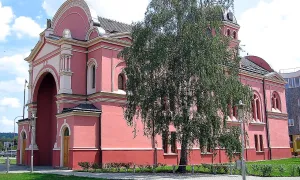
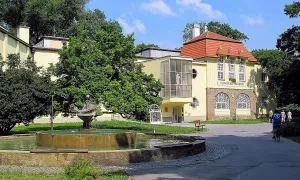
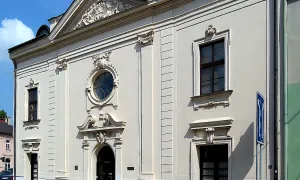
Real photos taken near the monument

Zdroj a licence jsou uvedeny u každého snímku.
Tips from visitors
No tips yet. Be the first!
Log in and add your tip.
Sources and literature
Photos: Palickap / CC BY 3.0 — Wikimedia Commons. The author and licence also appear when you hover over the image.
Faktickým podkladem tohoto textu byl článek na Wikipedii, jehož autory jsou přispěvatelé Wikipedie. Článek je dostupný pod licencí CC BY-SA 4.0.
Location on the map

Příběhy a pověsti
Legendy, pověsti a příběhy spjaté s touto památkou
Fotografie návštěvníků
Zatím žádné fotografie. Buďte první, kdo přidá fotografii z návštěvy!
Log in a přidejte svou fotografii nebo hodnoťte.
Za ověřenou návštěvu v aplikaci získáte víc bodů — poznáme podle GPS, že jste na místě.
Reviews and comments