



Mohylník I. Mowel burial ground
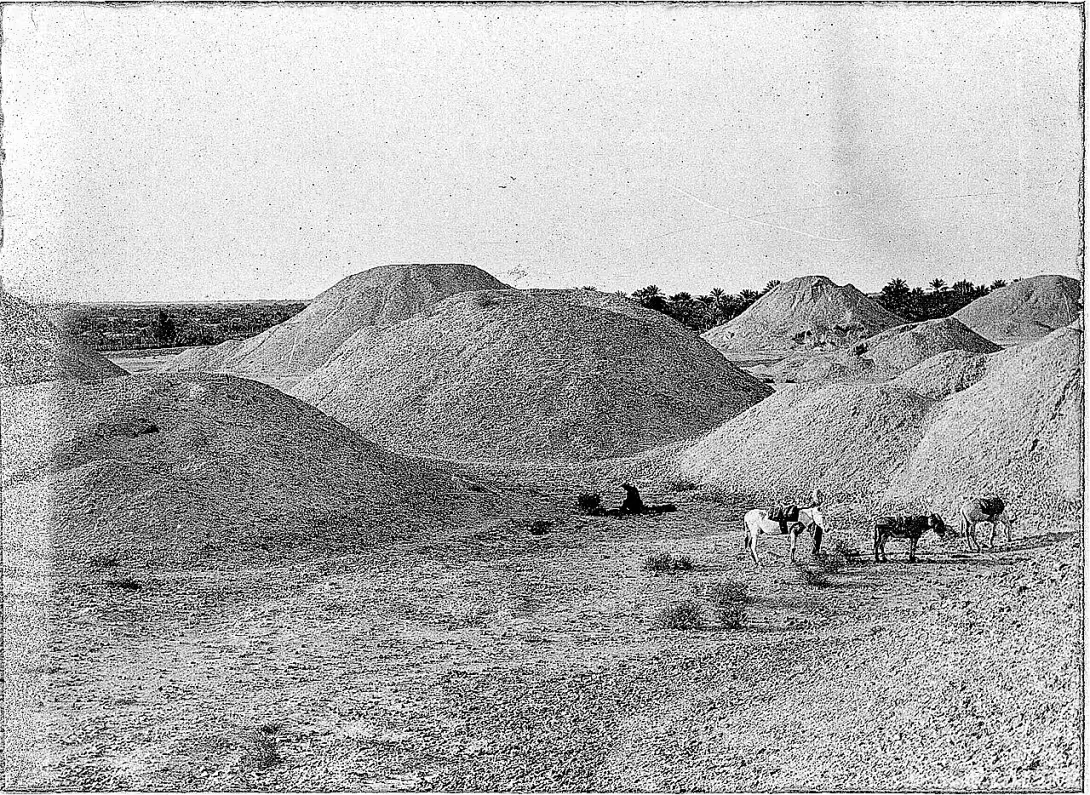
The hill burial ground east of Sepekova in the Sand district forms a collection of prehistoric moths. It comes mainly from the Middle Bronze Age and the Hallatite Age. The monument lies in the forest at the foot of the hill Chlum. It is important in its size and the findings of objects that show high social status of buried persons.
The burial ground was created during the development of European metallurgy and the formation of more complex social hierarchies. In the Czech space there was a culture with typical moth rituals. The prehistoric settlement around Sepekova was located along the river Smorný, Milevsky and Držjejov creek. Right at the top of Hlum there was a bronze high estate in the younger times. It left oval platforms with dimensions 35 × 25 meters. Another Bronze Age settlement was found east of the burial ground itself.
The archaeological site is situated on a low back at an altitude of about 500 metres. Its total area is approximately 2,5 hectares. In the nineteenth century, 76 of them were described in the site, of which 65 remain visible today. The diameter of these graves ranges from five to 16 metres and the height of the deposits is 0.3 to 1.6 metres. The largest of them with 26 × 23 meters are among the largest South Bohemian mounds.
Research of the site began in the 1940s, when it was partially dug through by an official of the Milev estate H. Prince. In 1873, the first technical description was published by archaeologist Jan Karel Hraš in the Journal of Archaeological Monuments. Between 1898 and 1899, wood mining took place. Mohly was used as a source of building stone, which he used for his own archaeological survey Josef Ladislav Píč.
Surveys in the coats could reveal ceramic shards. They show that the burial site was built in close proximity to the settlements or directly in abandoned settlements. The most valuable finds include a bronze dagger with a full cast handle from the middle age of bronze, a gold ring and a spiral-wrapped bracelet made of double gold wire. A fraction of the bronze rim of the belt and the alleged rest of the silk fabric on the bronze needle comes from the time of the Halštat. These objects confirm that people from the upper social class were buried here.
At present, the mound is protected as a cultural monument. Only five of the original graves remained archaeologically intact. The rest has been dug or severely disturbed in the past.
The location provides a unique insight into social structures and rituals of prehistoric inhabitants of southern Bohemia. Visiting this quiet forest area allows you to perceive the dimensions and availability of one of the most important mound complexes in the region.
Then and now
Drag the slider to compare how the landmark may have looked when it was built with the view today.
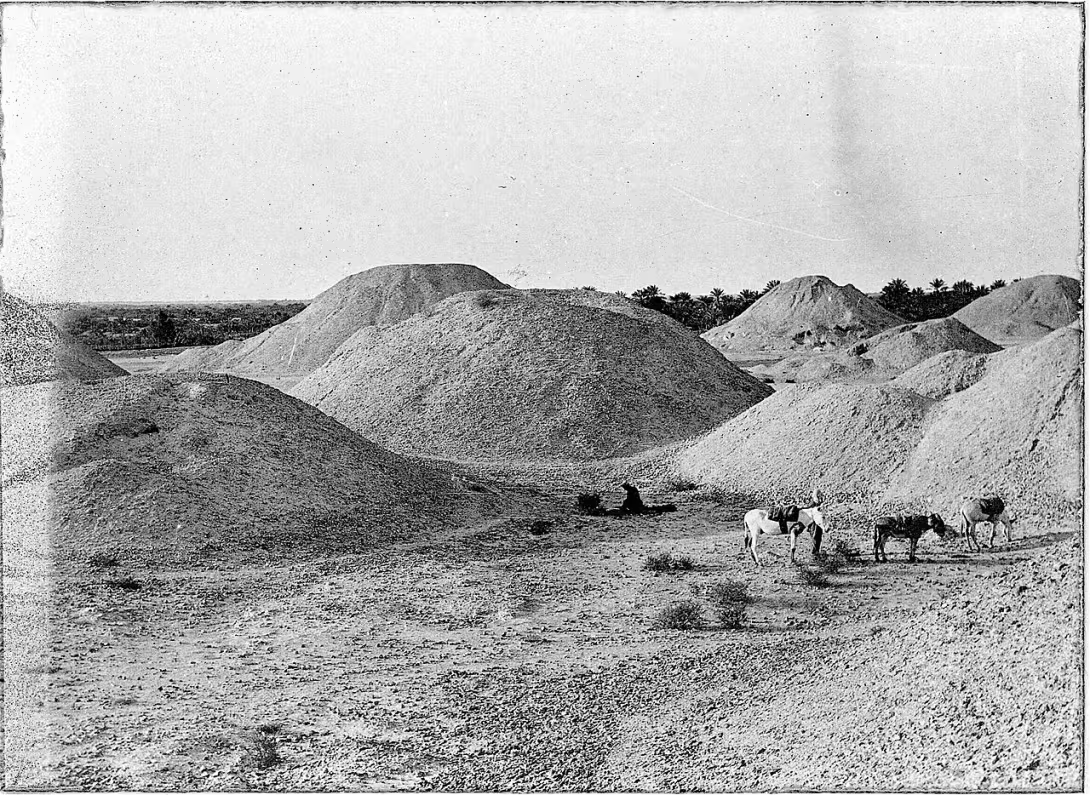

The historical appearance on the left is an AI-generated visualisation and serves as inspiration only.
Historical milestones
- 1840
- Partial digging of the site by the official of the Milevsky estate by H. Prince.
- 1873
- The publication of the description of sepekov mohylers by archaeologist Jan Karl Hraš in the journal of the Archaeological Monuments.
- 1898
- Use of wood and stone mining on the site for own archaeological research by Josef Ladislav Pic.
Points of interest
- Mothyl burial ground east of Sepekova consists of a set of primordial moths from the period of the mid-Bronze and Hallatite. - The monument lies in the forest at the foot of the top of Chlum and is important in its size and the findings of objects that show high social status of buried persons. - The mohlík is located on a low back about 500 metres above sea level and its total area is approximately 2,5 hectares. Today there are 65 mothels. - The most valuable findings include a bronze dagger with a full cast handle from the middle age of bronze, a gold ring and a spiral-wrapped bracelet made of double gold wire. - The Mohylník is protected as a cultural monument, but only five archaeologically intact remains from the original graves.
Guide
Show guide text
This text was created by artificial intelligence and has not been editorially reviewed. It may contain inaccuracies.
Welcome to a place where time seems to be stopped and where the roar of trees tells stories thousands of years ago. You are standing in a quiet forest, at the foot of Chlum, in a place that is extremely valuable to the history of our region. Can you feel the strange atmosphere? There is a vast area surrounding you that is not just an ordinary forest, but a rare archaeological site. In front of you there is a mound, a collection of ancient graves that have been here for centuries and which now invite you to a deeper understanding of the ancient past. Feel this calm, feel the height of this place, which is about 500 meters above sea level, and imagine what human hands used to work here.
But now look deeper into history. This area, located east of Sepekova, was not selected by accident. This country was inhabited by people who left a trail of monumental buildings. Most of these graves you see here come from the Middle Bronze Age and the Hallatians. These are the times when people began to master metal and create the first complex social structures. One of these mothels is even documented from the younger Bronze Age, which shows us how long and how continuously this place served as a resting place for the deceased. Imagine the people who lived here, who worked here and who built these permanent monuments for their loved ones.
If you look around now, you'll see how this monument is involved in the landscape. This whole area, this complex, is spread out on an area of approximately two and a half hectares. It's not just a small cluster of graves, but a vast collection of several dozen prehistoric moths. Notice how these shapes adapt to the low back you are on. Even though they are now partly hidden by nature and forest, their presence is still felt. Every mound is the result of tremendous effort, work with clay and stone to create this permanent symbol of respect for those who are no longer among us. Although we do not know the names of specific builders, their ability to shape the landscape and create such a large whole is proof of their high organization and strength.
However, in order to learn about this place what we know today, we need to look at the stories of the people who took care of it at much later times. The history of discovering this place is fascinating in itself. Already in 1840, an official from the Milev estate, Mr Prince, was working here, who did a partial digging of the site. This was the first step towards making the world aware of the existence of this place. Later, in 1873, the archeologist Jan Karel Hraš became interested in mothlies. It was he who wrote a detailed description of them, which was published in a specialist magazine dedicated to monuments. Thanks to his work, these mounds became part of the knowledge of our ancestors. And we must not forget the year 1898 when Josef Ladislav Píča used the mining of wood and stone in this area to carry out his own research. Each of these men has contributed to standing here today and you can learn so much about this place.
Now pay attention to something that may surprise you the most. What could have been hidden in these tombs? When archaeologists examined these mounds, they encountered something incredible. Rare and valuable items were found here, especially gold jewelry. Imagine that flash of gold in the darkness of the tomb. These findings tell us something very important about the people who were resting here. They weren't ordinary people. Gold jewelry is a clear sign that these people had a very high social status. They were probably leaders, powerful people, or members of important families who deserved to be buried in such magnificent mounds with precious gifts. These places were a place of power and respect beyond the normal limits of life.
While you continue to walk, try to perceive every change of terrain and every elevated part of the country that might be massive. Even though today the mounds may seem like natural parts of the forest undergrowth, remember that each one is the work of the human hand and proof of ancient faith and tradition. It is mysterious that these structures have survived for thousands of years, survived climate change, forest growth, and human conflict. They're still standing here like they're waiting to be reunderstood.
Now let's move on this low back. Let yourself drift through the atmosphere of this place and try in spirit to reconstruct the lives of those who once lived here. It may seem to you that you can hear echoes of ancient rituals or voices of people who thought this place was sacred. This journey will guide you through beautiful nature, which is also a living museum.
Thank you for choosing to visit this important archaeological complex. We hope that this brief insight into the past has brought you new ideas and fascination for the history of our ancestors. Continue exploring the surrounding countryside, perceive the beauty of the forest at the foot of the chlum hill and enjoy every moment spent in this quiet and precious place. We wish you a wonderful journey and many other interesting experiences in the next survey of our history. Goodbye.
Tips for visitors
The best time to visit is late afternoon or early morning when light is softer and shadows are less sharp. The ideal are spring or autumn months when the surrounding vegetation is lower and the mounds are better visible.
If you use public transport, check the current connections and timetables in internet search engines first.
We recommend you take comfortable shoes suitable for uneven terrain and plenty of drinking water. For families with children, the space around it is an interesting survey of nature at the watercourses, such as the river Smorná or the stream Držkrajovský.
Use the views towards the top of the chlum for the best images. Photography at sunset will highlight the shapes of old graves. In the vicinity you can explore the proximity of Milevsky creek.
Frequently asked questions
Can the monument be visited?
This is an archaeological site. Often there is little to see on the ground and the land may be private. We have not verified access.
Where is the monument?
Location: Sepekov, Jihočeský kraj. The map on this page shows the exact spot.
Why is the monument protected?
It is listed in the Central List of Cultural Monuments of the Czech Republic as a cultural monument (register no. 1000129549).
Businesses nearby
Do you run a restaurant, accommodation, shop, museum, rental, wellness or other visitor service near this monument? Show yourself directly to the people heading to it — this is how they will see you in the app and on the web:
Nearby
V bezprostřední blízkosti se nachází vrch Chlum, kde v mladší době bronzové existovalo výšinné sídliště. Okolí je definováno říčkou Smutnou a Milevským i Držkrajovským potokem.
Accommodation nearby
Themed route
1.Mohylník I. Type: Archaeological site. Why: Main destination of the trip representing ancient grave structures.
2. Top Chlum Type: Place of former estate. Why: Here in the younger Bronze Age there was a significant inhabited place on the hill.
3. The River Sad Type: Water flow. Why: A natural element defining the surroundings of these historical sites.
4. Milev stream Type: Water flow. Why: Water road nearby.
Seasonal recommendations
Spring: Mohylník I. in Sepekov offers visitors a unique experience where sun rays are reflected in the diverse colors of flowering lawns around the archaeological site. This season is characterized by warm days and cold nights, creating a pleasant atmosphere to explore history. Since spring is a period of less visited tourism, you will encounter fewer people here, which will allow you to explore the place more easily. We recommend wearing clothes suitable for variable weather and bring sun protection hat or hat.
Summer: During the summer season Mohylník I. is lit with long days of shining sun, highlighting the beauty of archaeological structures and surrounding nature. Summer is the highlight of the tourist season, when the room can become a very visitor. Therefore, we recommend visiting in the early afternoon or at the end of the day to minimise the crowd experience. Remember light clothes and plenty of drinking, especially in the hottest months.
Autumn: In autumn the Mohylník I. will turn into gold, yellow and red because of leafy trees around the site. The sun sets earlier, which brings mild temperatures suitable for walking in an historic place. Visiting in this period is often calmer than in summer time because tourism is decreasing. We recommend wearing clothes suitable for colder weather and bringing with you an umbrella for possible rain.
Winter: Winter visit to Mohilník I. offers a completely different experience, where archaeological sites are covered with snow and creates the magic of the cold season. The sun rays illuminate the snow ground and highlight the structure of the site, while temperatures are rather low. Visiting in this period requires a firm attitude towards the cold; we recommend wearing warm clothes and moisture protection shoes. The winter time may also be the time of shorter open hours, so make sure you have up-to-date pre-visit information.
Visualizations and artistic views


The visualisations are generated by artificial intelligence and serve as inspiration.
Tips from visitors
No tips yet. Be the first!
Log in and add your tip.
Sources and literature
Faktickým podkladem tohoto textu byl článek na Wikipedii, jehož autory jsou přispěvatelé Wikipedie. Článek je dostupný pod licencí CC BY-SA 4.0.
Location on the map



Příběhy a pověsti
Legendy, pověsti a příběhy spjaté s touto památkou

Fotografie návštěvníků
Zatím žádné fotografie. Buďte první, kdo přidá fotografii z návštěvy!
Log in a přidejte svou fotografii nebo hodnoťte.
Za ověřenou návštěvu v aplikaci získáte víc bodů — poznáme podle GPS, že jste na místě.
Reviews and comments