






Můstek Other
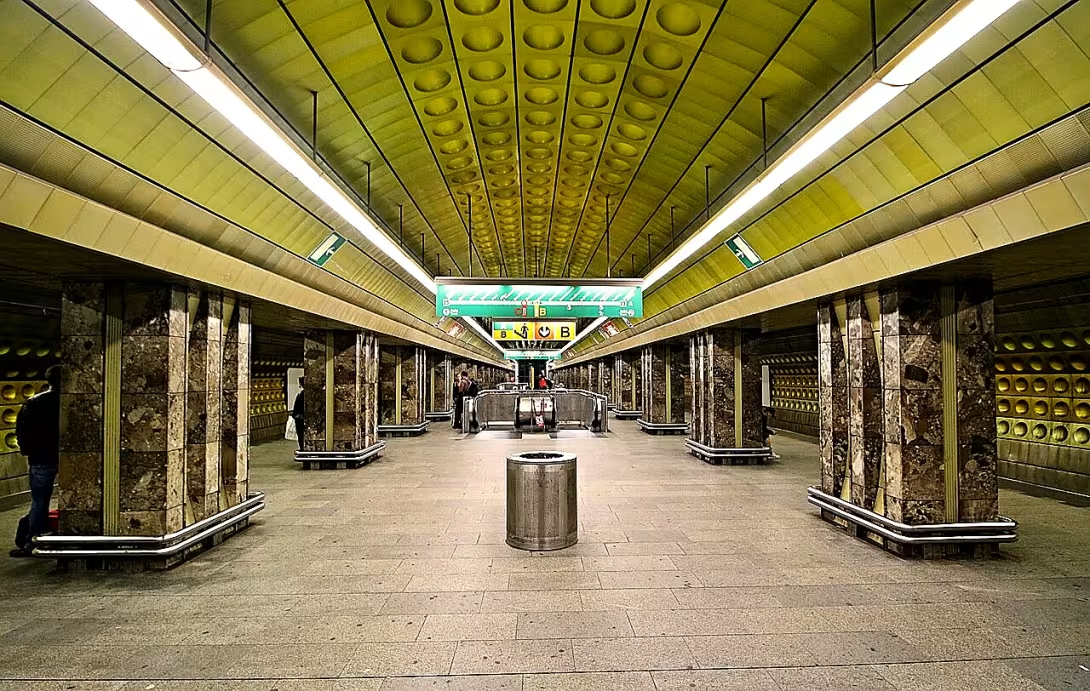
Můstek is a crucial interchange station in Prague's metro system, located at the intersection of lines A and B beneath Václavské náměstí. It opened on 12 August 1978 for line A, becoming an integral part of Prague’s expanding public transportation network during the late 20th century. The addition of line B in November 1985 enhanced its capacity and connectivity, making Můstek one of the city's busiest transfer points. Its strategic location facilitates seamless movement between different parts of Prague for both commuters and tourists.
Construction began in the early 1970s as part of a broader effort to modernize Prague's infrastructure and accommodate growing urban demands. This period saw significant developments across Czechoslovakia, reflecting trends in modernization and urban planning prevalent in Eastern Europe at the time. The station was designed with efficiency in mind, featuring deep underground construction that includes two separate sets of platforms for lines A and B, connected by corridors.
Architecturally, Můstek is notable for its three-lane design. Line A's section features decorative brown stone cladding complemented by aluminum inserts in yellow and gold hues, reflecting modern architectural styles from the time of its construction. The later addition of line B incorporated escalators to facilitate easy transfers between lines, ensuring both sections could handle high passenger volumes efficiently.
Throughout its history, Můstek has witnessed several key events and curiosities. During the floods of August 2002, water entered the lower part of the station but was successfully contained by pressure doors, preventing further damage. In April 2004, the vestibule underwent reconstruction as part of a building project above it, showcasing ongoing maintenance efforts to keep the station functional and safe for users.
Today, Můstek remains an essential hub within Prague's metro system. Its location near Václavské náměstí provides easy access to significant historical buildings and cultural landmarks, including the National Museum and various theaters. The station underwent a renovation in 2015, ensuring it continues to serve as a vital link for both locals and visitors exploring the city.
Můstek is more than just a metro station; it is a testament to Prague's commitment to modernization and urban planning during a transformative era. Its strategic location and efficient design make it an indispensable part of daily life in the city, offering convenient access to key attractions within walking distance. Visitors are encouraged to explore this bustling interchange point, where history and modernity converge beneath one of Prague’s most iconic squares.
Historical milestones
- 1978
- Otevření Můstku pro line A.
- 1985
- Připojení line B k Můstku.
- 2002
- Záplavy v Praze, přítok vody do dolní části stanice.
- 2004
- Rekonstrukce vestibulu Můstku.
- 2015
- Renovace stanice Můstek.
Architectural development
Můstek station features a three-lane design with deep underground construction. The station on line A is notable for its use of decorative brown stone cladding and aluminum inserts in yellow and gold hues. Line B's section was built later, incorporating escalators to facilitate transfers between lines. Both sections were designed to handle high passenger volumes efficiently.
Historical events
The construction of Můstek station began in the early 1970s, with line A opening in 1978.
Line B was integrated into the station in 1985, enhancing its capacity and connectivity.
Points of interest
- Můstek's construction began as part of a broader modernization effort in the early 1970s, reflecting Eastern Europe's trends in urban planning during that era. This period marked significant infrastructure developments across Czechoslovakia.
- The station features a unique three-lane design with decorative brown stone cladding and aluminum inserts in yellow and gold hues on line A's section, showcasing modern architectural styles from the time of its construction.
- During the August 2002 floods, Můstek demonstrated resilience as water entered the lower part of the station but was contained by pressure doors, preventing further damage and maintaining operational integrity.
- In April 2004, the vestibule underwent reconstruction due to a building project above it, highlighting ongoing maintenance efforts to ensure safety and functionality for users amidst urban development pressures.
- Můstek's strategic location near Václavské náměstí allows easy access to significant cultural landmarks like the National Museum and various theaters, making it a vital link in exploring Prague’s rich history and culture.
Guide
This guide is narrated by a synthetic voice generated by artificial intelligence.
Show guide text
This text was created by artificial intelligence and has not been editorially reviewed. It may contain inaccuracies.
Můstek is the busiest interchange station of the Prague metro. Lines A and B cross here. It got its name from a medieval footbridge over the moat of the Old Town fortifications. Remains of this bridge were found during the construction of line A station and can be seen today in its vestibule.
The metro under Wenceslas Square appeared in the very first projects. Plans from the 1920s and 1930s already included the routes of both today's lines. It was therefore clear that an interchange station would be built where they crossed. Construction began in the first half of the 1970s. Můstek on line A opened in 1978 and cost 700 million crowns at that time. It was then the only mined pillar station in the Prague metro. The section on line B has been in service since 1985. Its construction cost 552 million crowns and the Jungmann statue had to be moved further from the center of the square because of it.
The line A station lies approximately 29 meters below the lower part of Wenceslas Square. It is three-aisled, with a central aisle 167 meters long and 24 pairs of pillars. The pillars are lined with brown decorative stone. The ceiling and walls behind the platforms are covered with aluminum castings in yellow and golden tones. The line B station is under 28. října Street, 10 meters lower, so over 40 meters below the surface.
The station has three vestibules. The northern vestibule under the Na Můstku intersection houses the aforementioned medieval footbridge. It also contains a stained glass window by Stanislav Kostka, which symbolizes cooperation between the countries of the Council for Mutual Economic Assistance. The southern vestibule in the middle of Wenceslas Square was the first underpass in Czechoslovakia in the 1960s, with the metro exit added to it only in the 1970s. The newest vestibule under Jungmann Square is decorated with a ceramic wall featuring Prague motifs.
Both stations are not positioned directly above each other, so they are connected by two long interchange corridors. Praguers often complain about how confusing they are. However, the geological conditions under Wenceslas Square did not allow for any other solution.
In August 2002, the flood first flooded the line B station. Pressure seals held back the water for a while. However, in the cable tunnel, the pressure broke through a partition and water penetrated into the line A station and from there into the entire section from Muzeum to Malostranská. Since March 2016, Můstek has had an elevator. Thanks to it, all interchange stations of the Prague metro are now barrier-free.
Tips for visitors
The best time to visit Můstek is during the late morning or early afternoon, ideally from around 10 AM to 2 PM. This timing allows you to avoid the peak rush hours when commuters are transferring between metro lines A and B. Additionally, visiting during these hours provides ample natural light for photography and a more relaxed atmosphere for exploring nearby attractions like Václavské náměstí and its historical buildings.
Můstek is well-connected by public transport, making it easy to reach without needing a car. The metro station itself serves as a major interchange point, linking lines A and B of Prague's metro system. It's advisable to check current transportation options and availability through local transit websites or apps.
When visiting Můstek, consider bringing comfortable walking shoes as you'll likely explore the surrounding area on foot. A camera or smartphone is recommended for capturing stunning views of Václavské náměstí and its architectural beauty. Additionally, carrying a light jacket can be helpful due to variable weather conditions in Prague.
For photography enthusiasts, some of the best spots around Můstek include the intersection itself, where you can capture the convergence of metro lines A and B, as well as Václavské náměstí with its iconic National Museum. The lighting is typically best during late morning or early afternoon when shadows are softer and natural light enhances architectural details.
Within a 30-minute walk from Můstek, visitors can explore several attractions. These include the National Museum, which offers extensive collections of art and history, and various theaters that host cultural performances. The area is rich with historical buildings, making it ideal for those interested in architecture and urban history.
For families with children visiting Můstek, consider starting your day at Václavské náměstí where there are plenty of open spaces to explore. Nearby parks offer a chance for kids to run around, while the National Museum provides educational exhibits that can engage young minds. Planning your visit during off-peak hours will make navigating public transport easier with children.
Frequently asked questions
Can the monument be visited?
We have not verified whether this monument is accessible. Please ask the owner or operator, or the local municipal office.
Where is the monument?
Location: Praha 1, Hlavní město Praha. The map on this page shows the exact spot.
Why is the monument protected?
It is listed in the Central List of Cultural Monuments of the Czech Republic as a cultural monument (register no. 2000007064).
Businesses nearby
Do you run a restaurant, accommodation, shop, museum, rental, wellness or other visitor service near this monument? Show yourself directly to the people heading to it — this is how they will see you in the app and on the web:
Events nearby

Zdroj akcí: otevřená data měst a obcí ČR (Národní katalog otevřených dat) a kalendář akcí Národního památkového ústavu.
Nearby
Můstek is situated near Václavské náměstí, one of Prague's most significant squares. The area features historical buildings and cultural landmarks, including the National Museum and various theaters. The station provides access to key urban attractions within a short walking distance.
Accommodation nearby
Trips and activities nearby
Guided tours, tickets and activities nearby from GetYourGuide
Affiliate link: if you buy from the partner, we may receive a commission. The price for you does not change.
Search tours and activities →Themed route
Thematic Walking Tour: Můstek and Its Cultural Surroundings
1. Václavské náměstí (Square) - Begin your journey at Václavské náměstí, a historically significant square in the heart of Prague 1. This vibrant area is known for its role in Czech history and culture, serving as a gathering place for political demonstrations and celebrations. Explore the architectural beauty of the surrounding buildings and enjoy the lively atmosphere that characterizes this iconic space.
2. Národní muzeum (National Museum) - A short walk from Václavské náměstí, the National Museum is a treasure trove of history and art. This institution houses an extensive collection ranging from ancient artifacts to modern art pieces. It's worth visiting for its impressive architecture and rich exhibitions that offer insights into Czech culture and history.
3. Divadlo na Vinohradech (Theatre) - Located nearby, Divadlo na Vinohradech is one of Prague’s most renowned theaters. Known for its diverse repertoire, the theater offers a range of performances from classical plays to contemporary productions. A visit here provides an opportunity to experience Czech performing arts in an elegant setting.
4. Můstek (Metro Station) - Conclude your tour at Můstek metro station, which is not only a transportation hub but also an architectural marvel with its Art Nouveau design. The station's unique features and historical significance make it a fascinating endpoint to explore after discovering the cultural richness of the surrounding area.
This thematic route offers a deep dive into Prague’s historical and cultural heart, providing insights into its vibrant urban life and artistic heritage.
Seasonal recommendations
Spring: Springtime at the Můstek area in Prague 1 is a delightful experience, with the city coming alive as temperatures rise and nature begins to bloom. The streets are adorned with vibrant flowers, offering picturesque views that enhance the historic charm of the site. This season often sees an increase in visitors enjoying the mild weather, making it a popular time for leisurely strolls or picnics by the river. To fully appreciate this lively atmosphere, consider visiting early in the day to avoid larger crowds and ensure you can enjoy the blossoming scenery without interruption.
Summer: Summer at Můstek is characterized by its warm climate and bustling activity, as both locals and tourists flock to take advantage of Prague's vibrant outdoor scene. The area buzzes with energy, especially during the main summer season when cafés and restaurants spill out onto the streets, creating a lively atmosphere perfect for socializing or simply people-watching. Given the popularity of this time, it is advisable to arrive early in the day to secure a good spot and avoid long lines at popular attractions. Wearing comfortable shoes and light clothing will help you navigate the busy streets comfortably.
Autumn: Autumn brings a serene beauty to Můstek, with the changing leaves providing a stunning backdrop for exploring this historic area. The cooler temperatures make it an ideal time for walking tours or enjoying outdoor cafes without the summer crowds. As the days shorten and the air becomes crisp, the atmosphere is more relaxed, allowing visitors to take in the architectural details at their leisure. To make the most of your visit during this season, wearing layers will help you adjust to the fluctuating temperatures throughout the day.
Winter: Winter transforms Můstek into a magical winter wonderland, with festive decorations and twinkling lights adding to its charm. The cooler weather draws fewer crowds, offering a more intimate experience as you explore the historic site. While some attractions may have reduced hours during this time, the quieter atmosphere allows for a more peaceful visit. Dress warmly in layers to stay comfortable while enjoying the unique winter ambiance, and consider visiting on weekdays when it's even less crowded.
Visualizations and artistic views


The visualisations are generated by artificial intelligence and serve as inspiration.
Photos from the area
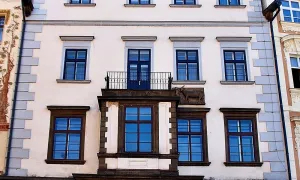
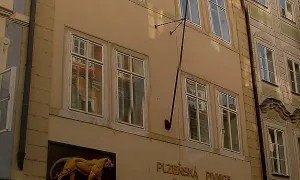
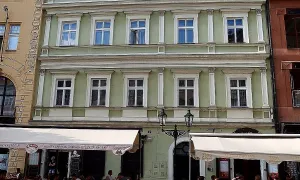
Real photos taken near the monument

Zdroj a licence jsou uvedeny u každého snímku.
Tips from visitors
No tips yet. Be the first!
Log in and add your tip.
Sources and literature
Photos: VitVit / CC BY-SA 4.0 — Wikimedia Commons. The author and licence also appear when you hover over the image.
Faktickým podkladem tohoto textu byl článek na Wikipedii, jehož autory jsou přispěvatelé Wikipedie. Článek je dostupný pod licencí CC BY-SA 4.0.
Location on the map
Příběhy a pověsti
Legendy, pověsti a příběhy spjaté s touto památkou
Fotografie návštěvníků
Zatím žádné fotografie. Buďte první, kdo přidá fotografii z návštěvy!
Log in a přidejte svou fotografii nebo hodnoťte.
Za ověřenou návštěvu v aplikaci získáte víc bodů — poznáme podle GPS, že jste na místě.
Reviews and comments