






Muzeum Komenského v Přerově Museum
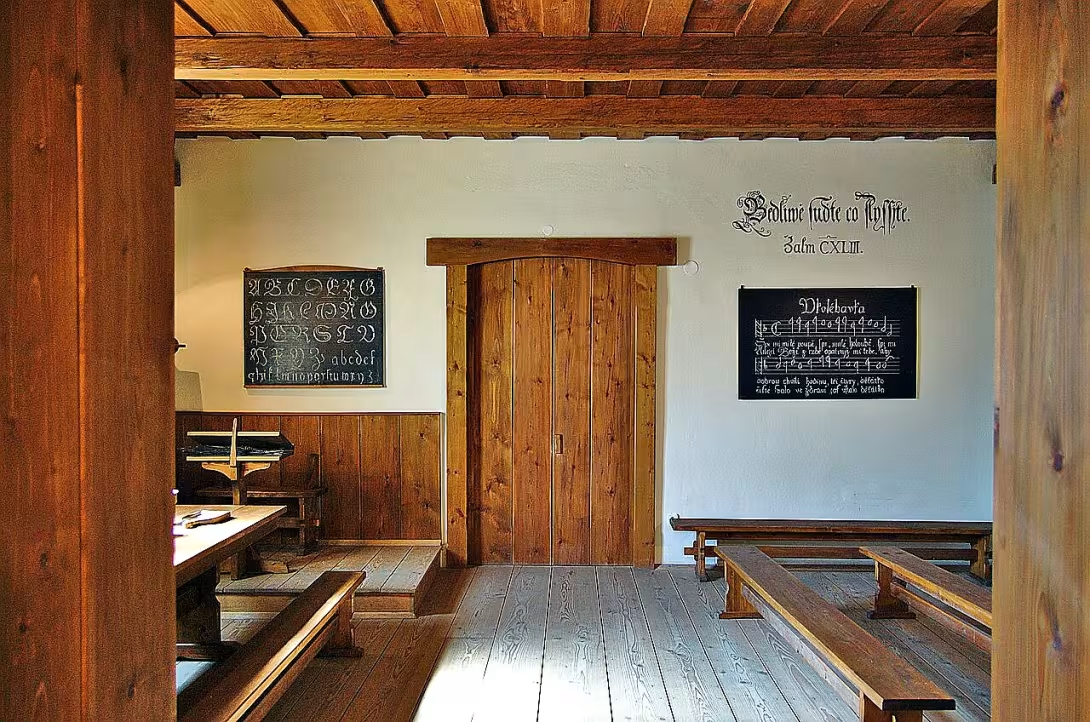
The Muzeum Komenského v Přerově is located in Zámek Přerov, focusing on natural science and historical collections. Established in 1888 by regional historian František Slaměník, it was one of the first museums globally. Its significance lies in its pioneering role and comprehensive exhibitions across various locations, including the local ornithological station and Helfštýn Castle. The museum's collections cover archaeology, school history, Jan Amos Komenský memorabilia, ethnography, entomology, and mineralogy.
The origins of Muzeum Komenského v Přerově trace back to 1888 when František Slaměník founded it during a cultural renaissance in the Czech lands, part of the Austro-Hungarian Empire. This period saw growing national consciousness and interest in regional history and heritage, reflected in museums like Muzeum Komenského v Přerově. In 1902, following a successful ethnographic and industrial exhibition, a municipal museum focusing on regional history was established. By 1955, these two institutions merged into an okresní (district) museum, later renamed Okresní vlastivědné muzeum J. A. Komenského Přerov. In 1993, it adopted its current name, Muzeum Komenského v Přerově.
The museum's development began with its founding in 1888, focusing on regional history and natural sciences. Over time, it expanded its collections and exhibitions to incorporate various historical and scientific themes. The museum has been housed within the Zámek Přerov area and other local sites like Helfštýn Castle.
Initially founded by František Slaměník in 1888, the museum has been managed by Olomoucký kraj since its establishment. Over the years, it underwent several name changes reflecting its evolving focus and regional significance. Notable directors include František Hýbl, who served from 1992 to 2008 and focused on komeniologie and research into the Carpathian Germans' murders. The current director, Radim Himmler, specializes in regional history and material culture with an emphasis on timekeeping technology.
Key events in the museum's history include its founding by František Slaměník as one of the first museums of its kind globally. In 1902, a municipal museum focusing on regional history was established following a successful ethnographic and industrial exhibition. The two museums merged into an okresní (district) museum in 1955 and were later renamed Okresní vlastivědné muzeum J. A. Komenského Přerov. In 1993, it adopted its current name, Muzeum Komenského v Přerově.
Today, the Muzeum Komenského v Přerově remains a vital cultural institution in the region. Its exhibitions are spread across various locations, including Zámek Přerov and Helfštýn Castle, making it accessible to visitors interested in exploring its diverse collections. The museum offers insights into regional history, natural sciences, and the legacy of Jan Amos Komenský, providing a rich educational experience for all who visit.
The Muzeum Komenského v Přerově is not just a repository of artifacts but a testament to the region's cultural heritage. Its collections offer a window into the past, making it an invaluable resource for understanding local history and natural sciences. Visitors are invited to explore its exhibitions and discover the stories that have shaped this unique museum.
Then and now
Drag the slider to compare how the landmark may have looked when it was built with the view today.
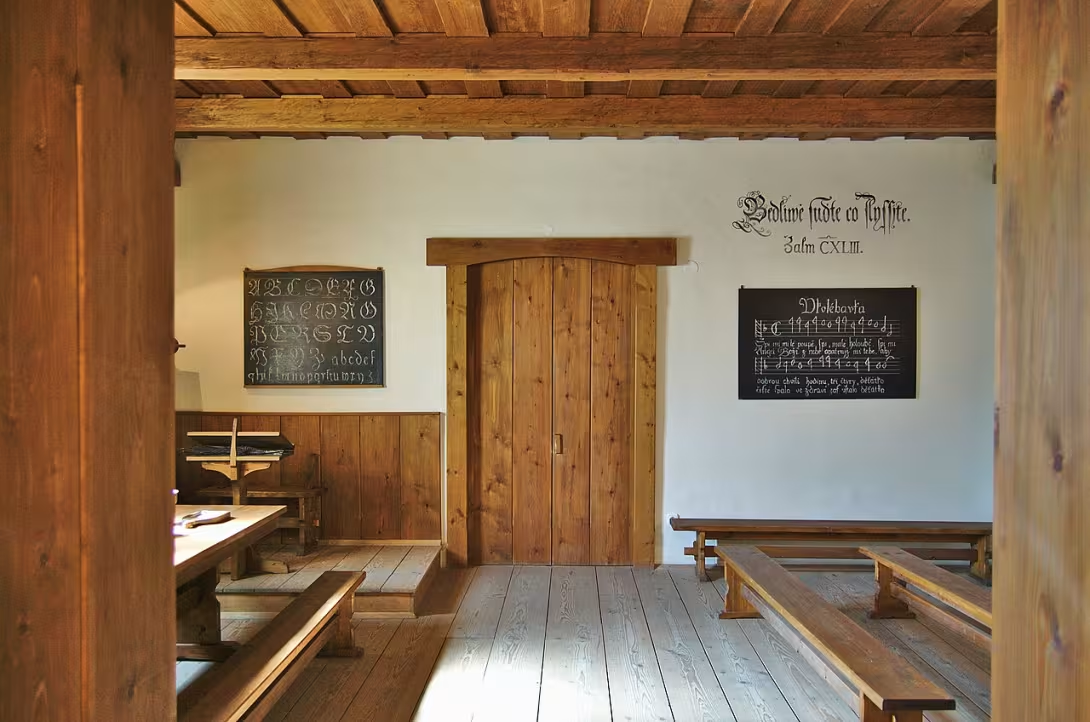
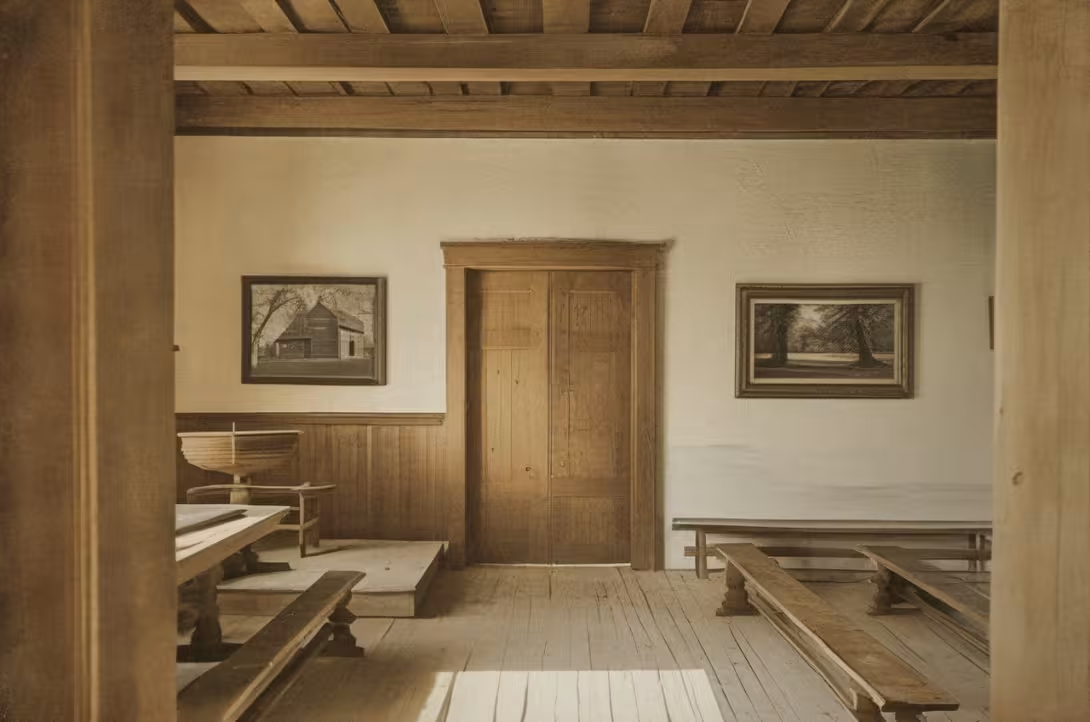
The historical appearance on the left is an AI-generated visualisation and serves as inspiration only.
Historical milestones
- 1888
- The museum was founded by František Slaměník.
- 1902
- A municipal museum focusing on regional history was established.
- 1955
- The two museums merged into an okresní (district) museum.
- 1993
- Renamed to Muzeum Komenského v Přerově.
Architectural development
The museum's development began with its founding in 1888, focusing on regional history and natural sciences. Over time, it expanded its collections and exhibitions, incorporating various historical and scientific themes. The museum has been housed within the Zámek Přerov area and other local sites like Helfštýn Castle.
Historical events
Founded in 1888 by František Slaměník as one of the first museums of its kind globally.
In 1902, a municipal museum focusing on regional history was established following a successful ethnographic and industrial exhibition.
The two museums merged into an okresní (district) museum in 1955, later renamed Okresní vlastivědné muzeum J. A. Komenského Přerov.
Renamed to Muzeum Komenského v Přerově in 1993.
Owners
Initially founded by František Slaměník in 1888, the museum has been managed by Olomoucký kraj since its establishment. The institution underwent several name changes, reflecting its evolving focus and regional significance.
Points of interest
- The Muzeum Komenského v Přerově was founded in 1888 by František Slaměník during a cultural renaissance in the Czech lands, making it one of the first museums globally and highlighting its pioneering role during a time of growing national consciousness.
- In 1902, following a successful ethnographic and industrial exhibition, a municipal museum focusing on regional history was established. This event marked an important step in expanding the museum's scope before eventually merging with František Slaměník’s original institution in 1955.
- The museum underwent several name changes reflecting its evolving focus and regional significance, culminating in adopting its current name, Muzeum Komenského v Přerově, in 1993 to honor the legacy of Jan Amos Komenský.
- František Hýbl, who served as director from 1992 to 2008, focused on komeniologie and research into the Carpathian Germans' murders, showcasing the museum's commitment to addressing complex historical narratives in its exhibitions.
- The museum is uniquely spread across various locations, including Zámek Přerov and Helfštýn Castle, allowing visitors to explore diverse collections that cover regional history, natural sciences, and the legacy of Jan Amos Komenský across different sites.
Guide
This guide is narrated by a synthetic voice generated by artificial intelligence.
Show guide text
This text was created by artificial intelligence and has not been editorially reviewed. It may contain inaccuracies.
Welcome to the Muzeum Komenského v Přerově, a treasure trove of history and natural science nestled in the heart of Zámek Přerov. As you stand here, take a moment to absorb the serene beauty surrounding you—the lush greenery and historic aura that beckon you into an exploration rich with stories from the past.
Let's delve into the origins of this remarkable museum. Established in 1888 by František Slaměník, a regional historian and komeniologist, it emerged during a cultural renaissance in the Czech lands. This period was marked by a burgeoning national consciousness, making the museum one of the first globally to focus on such themes. Its establishment signified not just an educational endeavor but also a patriotic movement towards preserving local heritage.
As you look around, notice how the architecture harmonizes with its historical purpose. While specific architectural details aren't highlighted here, take in the general ambiance that speaks volumes about its storied past. The museum's design reflects its long-standing commitment to education and preservation—a testament to the vision of its founder.
František Slaměník is a pivotal figure tied to this location. His dedication to regional history laid the foundation for what would become an integral part of Přerov’s cultural landscape. In 1902, another chapter began with the establishment of a municipal museum focusing on regional history, further enriching the area's narrative fabric.
Fast forward to 1955 when these two museums merged into an okresní (district) museum, and finally in 1993, it was aptly renamed Muzeum Komenského v Přerově. Each transformation reflects a deepening commitment to celebrating both natural science and the region's rich history.
Now, let me share with you something intriguing: this museum stands as one of the first globally founded during an era of cultural awakening in the Czech lands. This pioneering spirit is not just about its collections but also about how it inspired future generations to value their heritage.
As we conclude our brief journey here, I invite you to explore further into the museum's offerings. Each exhibit promises a deeper understanding and connection with the region’s past. Thank you for joining me on this introduction to Muzeum Komenského v Přerově—may your visit be as enlightening as it is enjoyable!
Frequently asked questions
Can the monument be visited?
Some buildings of this kind are open for guided tours, others serve another purpose or are privately owned. We have not verified whether and when this monument is open – please ask the operator.
What are the opening hours and admission?
We have not verified the opening hours or admission. Current information is published by the operator. Official website: http://www.prerovmuzeum.cz/
Where is the monument?
Location: Přerov, Olomoucký kraj. The map on this page shows the exact spot.
Businesses nearby
Do you run a restaurant, accommodation, shop, museum, rental, wellness or other visitor service near this monument? Show yourself directly to the people heading to it — this is how they will see you in the app and on the web:
Nearby
The museum is located near Zámek Přerov and Helfštýn Castle, both of which are significant historical sites. The surrounding area includes natural features such as the local ornithological station.
Accommodation nearby
Trips and activities nearby
Guided tours, tickets and activities nearby from GetYourGuide
Affiliate link: if you buy from the partner, we may receive a commission. The price for you does not change.
Search tours and activities →Themed route
Thematic Tour Itinerary: Museum of Comenius and Surrounding Attractions
1. Museum of Comenius - Type: Cultural/Museum - Why Visit: Begin your journey at the heart of educational history with the Museum of Comenius in Přerov, dedicated to one of Europe's most influential educators and philosophers. Explore exhibits that delve into his life, works, and enduring impact on education.
2. Zámek Přerov - Type: Historical Site - Why Visit: A short walk from the museum, Zámek Přerov offers a glimpse into architectural history with its Renaissance and Baroque styles. The castle grounds provide an ideal setting for understanding the historical context of Comenius's era.
3. Helfštýn Castle - Type: Historical Site - Why Visit: Just a short distance from Zámek Přerov, Helfštýn Castle stands as another testament to the region’s rich history. Its well-preserved structures and scenic location make it an essential stop for appreciating medieval architecture.
4. Local Ornithological Station - Type: Natural/Scientific Site - Why Visit: Conclude your tour at this unique station, where you can observe a variety of bird species in their natural habitat. It's perfect for nature enthusiasts and provides insight into local biodiversity conservation efforts.
This itinerary offers a balanced mix of cultural, historical, and natural experiences, all within close proximity to each other, ensuring an enriching exploration of Přerov’s heritage and environment.
Seasonal recommendations
Spring: Visiting the Museum of Comenius in Přerov during spring offers a refreshing experience as nature awakens around the historic site. The blooming flowers and budding trees create a picturesque backdrop, enhancing the museum's charm with vibrant colors and fresh scents. This season is ideal for those who appreciate serene atmospheres, as the visitor numbers are generally lower compared to summer. For an optimal visit, wear comfortable walking shoes suitable for exploring both indoor exhibits and outdoor areas, and consider bringing a light jacket in case of unpredictable spring weather.
Summer: Summer at the Museum of Comenius is marked by long daylight hours that allow visitors ample time to explore its extensive collections and enjoy the lush gardens surrounding the museum. The warm weather invites families and school groups, making it one of the busiest seasons; therefore, arriving early can help avoid larger crowds. Comfortable summer attire such as light clothing and sun protection like hats or sunglasses is recommended. Additionally, staying hydrated by bringing a water bottle is essential during this season.
Autumn: Autumn brings a unique ambiance to the Museum of Comenius with its rich tapestry of warm colors from falling leaves that enhance the historic architecture's beauty. The cooler temperatures make for pleasant strolls through the museum’s grounds, and the visitor flow tends to be moderate compared to summer. This is an excellent time to enjoy outdoor exhibits without the summer heat. Wearing layers is advisable as the weather can vary throughout the day, and carrying a scarf or light jacket will ensure comfort during your visit.
Winter: The Museum of Comenius in winter offers a tranquil experience with its historic charm accentuated by the crisp air and occasional snowfall that blankets the area in serene whiteness. Visitor numbers are typically lower, providing a more intimate exploration of the exhibits. Dress warmly in layers, including thermal clothing, gloves, and a hat, to stay comfortable while exploring both indoor spaces and any outdoor areas that might be accessible during this season.
Visualizations and artistic views


The visualisations are generated by artificial intelligence and serve as inspiration.
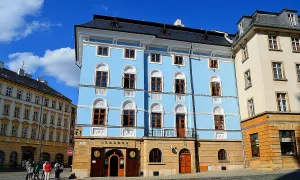
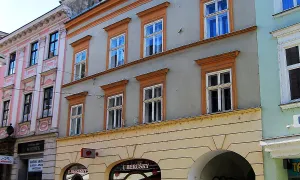
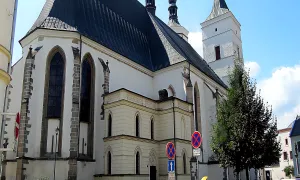
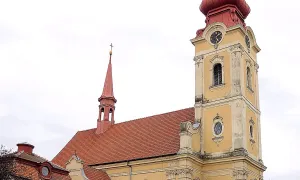
Photos from the area
Real photos taken near the monument


Zdroj a licence jsou uvedeny u každého snímku.
Tips from visitors
No tips yet. Be the first!
Log in and add your tip.
Sources and literature
Photos: Jiří Komárek / CC BY-SA 4.0 — Wikimedia Commons. The author and licence also appear when you hover over the image.
Faktickým podkladem tohoto textu byl článek na Wikipedii, jehož autory jsou přispěvatelé Wikipedie. Článek je dostupný pod licencí CC BY-SA 4.0.
Location on the map

Příběhy a pověsti
Legendy, pověsti a příběhy spjaté s touto památkou
Fotografie návštěvníků
Zatím žádné fotografie. Buďte první, kdo přidá fotografii z návštěvy!
Log in a přidejte svou fotografii nebo hodnoťte.
Za ověřenou návštěvu v aplikaci získáte víc bodů — poznáme podle GPS, že jste na místě.
Reviews and comments