






Nová katedrála Church
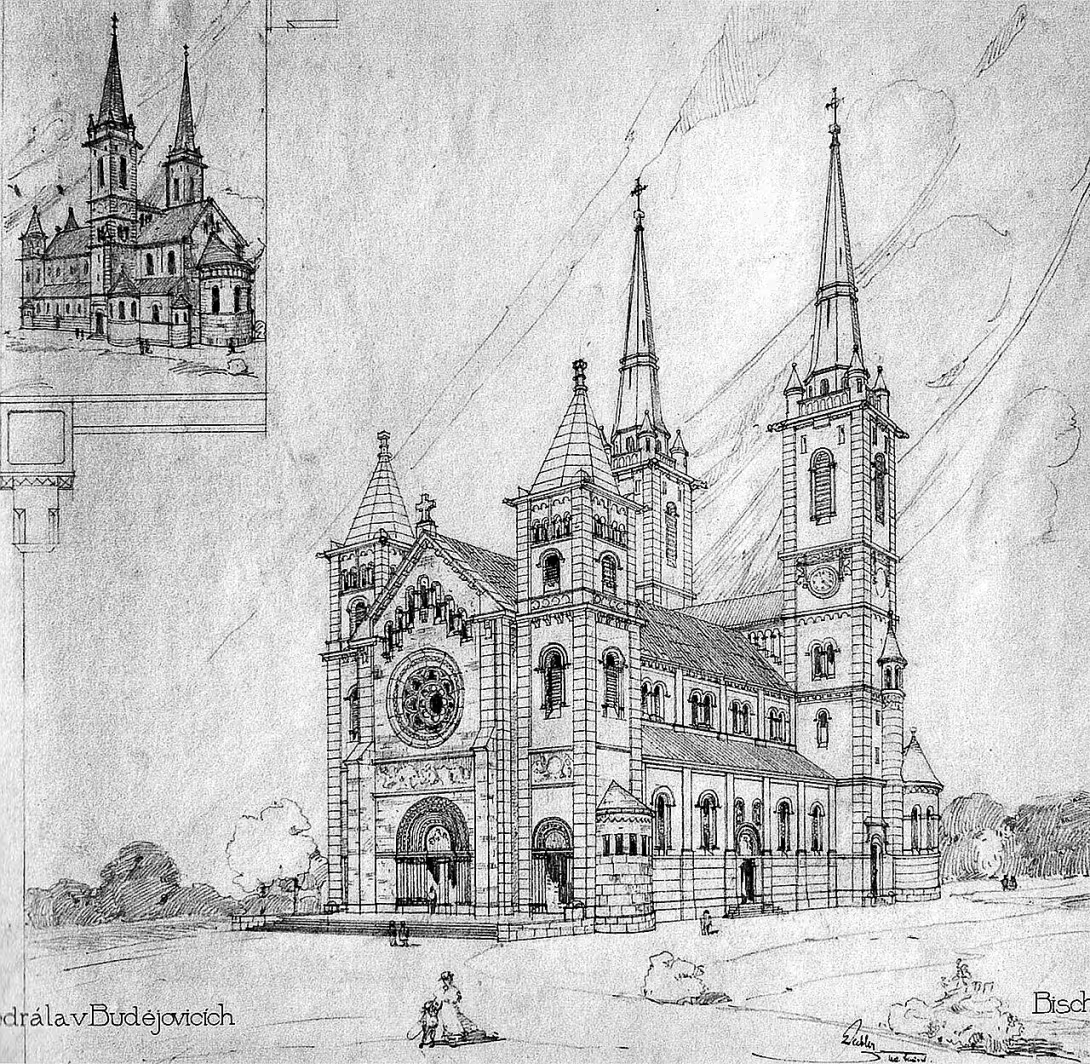
Nová Katedrála in České Budějovice is an important historical monument that remains unrealized. Conceived at the end of the 19th century, it was planned for Senovážné Square as a neo-Romanesque basilica to address capacity issues with St. Nicholas Cathedral. Initiated by Bishop Martin Josef Říha in 1888 and designed by architect Ludvík Lábler, the project faced significant opposition and never progressed beyond its design phase.
The origins of Nová Katedrála are deeply rooted in late 19th-century Bohemia's socio-political context. At this time, České Budějovice experienced rising nationalism among both Czechs and Germans, reflecting broader European trends towards modernization and urban development. The existing St. Nicholas Cathedral could no longer accommodate the growing population and schoolchildren attending services. This prompted Bishop Martin Josef Říha to propose a new cathedral in 1888. Despite initial public support and fundraising efforts, including the establishment of the Society for the Construction of a Cathedral in Budějovice in 1897, the project faced strong opposition from the city's German minority.
Architecturally, Nová Katedrála was envisioned as a grand neo-Romanesque basilica with four towers. Ludvík Lábler's design included a three-aisled structure with a transept and was intended for Senovážné Square, previously part of the city's hospital gardens. This choice of location and style reflected contemporary ecclesiastical architecture trends.
The project’s fortunes were closely tied to its key proponents. Bishop Martin Josef Říha remained central until his death in 1907. His successor, Bishop Josef Antonín Hůlka, faced criticism regarding the cathedral's construction and ultimately decided against continuing with the original plan. In 1909, it was resolved to use the funds collected for the new cathedral—over 650,000 korun—for repairs to St. Nicholas Cathedral and constructing other churches, including St. John of Nepomuk Church on Linecké Předměstí between 1914-1915.
Despite its unrealized status, Nová Katedrála remains a significant part of České Budějovice's architectural history. The project highlights the ethnic tensions of the time and serves as a reminder of the city’s complex socio-political landscape during a period of significant change in Bohemia.
Today, while Nová Katedrála does not exist physically, its story is an intriguing chapter in České Budějovice's history. Visitors interested in architectural history and urban development can explore this narrative through local museums or historical sites that document the city's past. The tale of Nová Katedrála invites reflection on how cultural and political dynamics shape our built environment, making it a compelling point of interest for those exploring České Budějovice’s rich heritage.
Historical milestones
- 1888
- Bishop Martin Josef Říha proposed the construction of a new cathedral.
- 1897
- The Society for the Construction of a Cathedral in Budějovice was founded.
- 1909
- Decision made to use collected funds for repairs and other church constructions.
Architectural development
The project envisioned a neo-Romanesque basilica with four towers, designed by Ludvík Lábler. The site chosen was on Senovážné Square, previously part of the city's hospital gardens. Despite initial public support and fundraising efforts, the plan never progressed beyond design due to opposition and changing priorities.
Historical events
1888: Bishop Martin Josef Říha proposed the construction of a new cathedral to address capacity issues.
1897: The Society for the Construction of a Cathedral in Budějovice was founded.
1909: Decision made to use collected funds for repairs and construction of other churches instead.
Points of interest
- The design of Nová Katedrála by Ludvík Lábler was inspired by contemporary neo-Romanesque architectural trends but uniquely incorporated four towers, a feature uncommon in other Bohemian church designs of the era.
- Despite significant fundraising efforts and public support, including over 650,000 korun collected for its construction, Nová Katedrála's plans were ultimately halted due to intense ethnic tensions between Czechs and Germans in České Budějovice, reflecting broader nationalistic conflicts in late 19th-century Europe.
- The decision to allocate the funds initially raised for Nová Katedrála towards repairing St. Nicholas Cathedral and constructing other churches like St. John of Nepomuk Church highlights a pragmatic approach by Bishop Josef Antonín Hůlka, redirecting resources to projects with broader community support.
- Although never built, the detailed plans for Nová Katedrála have become an important part of architectural studies in České Budějovice, offering insights into the ambitions and challenges faced by urban planners and architects at the turn of the 20th century.
- The story of Nová Katedrála serves as a poignant reminder of how socio-political dynamics can influence architectural projects, illustrating how ethnic tensions and political decisions can leave lasting impacts on cultural heritage.
Guide
This guide is narrated by a synthetic voice generated by artificial intelligence.
Show guide text
This text was created by artificial intelligence and has not been editorially reviewed. It may contain inaccuracies.
Welcome to the site of what was envisioned as Nová Katedrála in České Budějovice—a testament to ambition and architectural aspiration from the turn of the 20th century. As you stand here, imagine the grandeur that could have been; though unrealized, this project remains a fascinating chapter in the city's history.
The story begins at the end of the 19th century when Bishop Martin Josef Říha recognized the need for a new cathedral to accommodate the growing community. In 1888, he proposed the construction of Nová Katedrála, seeking not just expansion but also a reflection of contemporary architectural trends. The design, crafted by architect Ludvík Lábler, was inspired by neo-Romanesque styles yet stood out with its unique feature of four towers—a rarity in Bohemian church architecture.
As you look around this space, imagine the grandeur that Lábler's vision promised. Picture the boldness of those four towers reaching towards the sky, a design choice that set it apart from other churches of the era. Although these towers remain only as sketches and plans, their presence is felt in the spirit of innovation and ambition that once filled this site.
The project was not without its challenges. The proposal faced opposition, particularly from the German minority in České Budějovice, creating a complex backdrop of cultural and political dynamics. Despite these hurdles, the Society for the Construction of a Cathedral in Budějovice was founded in 1897, rallying support and raising funds to bring this vision to life.
Key figures like František Schönborn and Josef Antonín Hůlka were instrumental during this period, contributing to the narrative that unfolded here. Their involvement highlights the broader community engagement and the collective effort behind this ambitious project.
A captivating aspect of Nová Katedrála's story is its journey from conception to cancellation. Despite significant fundraising efforts and public support, including over 650,000 crowns collected for construction, the project was ultimately halted in 1909. The funds were redirected towards repairs and other church constructions—a decision that marked the end of an era but also preserved resources for future endeavors.
As we conclude this exploration, consider how Nová Katedrála's story is a reflection of its time—full of ambition, community spirit, and the complexities of cultural identity. While you won't find the cathedral standing here today, the legacy it left behind continues to inspire curiosity and admiration.
Thank you for joining us on this journey through history. We invite you to continue exploring České Budějovice, where every corner holds stories waiting to be discovered. Safe travels as you uncover more of this city's rich tapestry.
Tips for visitors
The best time to explore the site of Nová katedrála is during late spring or early autumn when the weather is pleasant, allowing for comfortable outdoor exploration without the crowds that summer months might bring. These seasons offer a balance of good lighting and manageable temperatures, ideal for walking around České Budějovice and appreciating its historical ambiance.
Public transport is a convenient option, with buses and trams connecting various parts of the city; however, specific routes should be verified through a transportation app or website.
When visiting the site of Nová katedrála, consider bringing comfortable walking shoes as you'll likely explore on foot to fully appreciate the historical context. A camera is recommended for capturing the architectural beauty and urban landscape surrounding the area. Additionally, carrying a water bottle and some snacks can enhance your visit, especially if exploring nearby attractions.
For photography enthusiasts, the site of Nová katedrála offers unique perspectives with its blend of historical architecture and modern cityscape. Early morning or late afternoon light provides soft illumination that accentuates textures and shadows, creating dramatic effects. While there are no specific spots within the unrealized project itself, surrounding streets and buildings offer excellent backdrops for capturing the essence of České Budějovice.
Families with children can enjoy a day out in České Budějovice by visiting nearby attractions within a 30-minute radius. The historic center offers interactive experiences at local museums, while parks provide space for relaxation and play. Exploring the city's cobblestone streets and quaint cafes can be both educational and entertaining for children, offering insights into Czech culture and history.
Frequently asked questions
Can the monument be visited?
Religious buildings are usually open mainly during services; at other times a visit is normally arranged with the parish or the operator. We have not verified specific times.
Where is the monument?
Location: České Budějovice 6, Jihočeský kraj. The map on this page shows the exact spot.
Businesses nearby
Do you run a restaurant, accommodation, shop, museum, rental, wellness or other visitor service near this monument? Show yourself directly to the people heading to it — this is how they will see you in the app and on the web:
Events nearby
Zdroj akcí: otevřená data měst a obcí ČR (Národní katalog otevřených dat) a kalendář akcí Národního památkového ústavu.
Accommodation nearby
Trips and activities nearby
Guided tours, tickets and activities nearby from GetYourGuide
Affiliate link: if you buy from the partner, we may receive a commission. The price for you does not change.
Search tours and activities →Themed route
Tematická Výletní Trasa: Nová Katedrála a Okolí
1. Nová katedrála (Kostel)
Typ: Náboženská památka
Proč stojí za návštěvu: Tato významná gotická stavba je největším kostelem ve městě a sloužila jako sídlo biskupů. Je známá svými impresivními architektonickými prvky, včetně vysokého špičatého střechy a bohatých interiérů s historickým nábytkem.
2. Kostel svaté Anny
Typ: Náboženská památka
Proč stojí za návštěvu: Tento barokní kostel je známý svou krásnou architekturou a významem pro místní dějiny. Je umístěn nedaleko Nové katedrály, což z něj činí ideální další cíl na vašem výletu.
3. Náměstí Svobody
Typ: Veřejné prostranství
Proč stojí za návštěvu: Toto historické náměstí je centrem města a nabízí pohled na klasicistní budovy, včetně radnice. Je ideálním místem pro odpočinek a prohlédnutí se po celém okolí.
4. Budějovická vodárna
Typ: Historický průmyslový objekt
Proč stojí za návštěvu: Tato vodárna je jednou z nejstarších v Evropě a sloužila dříve jako místní továrna na vodu. Je umístěna blízko Nové katedrály, což ji činí snadno přístupným cílem pro zájemce o průmyslovou historii.
Tato trasa nabízí kombinaci náboženských a historických zajímavostí v srdci Českých Budějovic, což umožňuje hluboké pochopení místní kultury a dějin.
Seasonal recommendations
Spring: Visiting the New Cathedral during spring offers a unique experience as nature begins to awaken around České Budějovice. The surrounding gardens and landscapes are adorned with blooming flowers, creating a vibrant backdrop that enhances the cathedral's architectural beauty. This season is characterized by mild weather and longer daylight hours, which provide excellent natural lighting for photography. Visitors should be prepared for occasional rain showers, so carrying an umbrella or wearing a waterproof jacket is advisable. While spring can bring moderate crowds due to pleasant weather conditions attracting tourists, arriving early in the day can help avoid larger groups.
Summer: Summer at the New Cathedral is marked by warm temperatures and vibrant energy, making it a popular time for visitors. The long daylight hours offer ample opportunity to explore both the cathedral's interior and its scenic surroundings. During this peak tourist season, especially on weekends and holidays, expect larger crowds. To enhance your visit, consider arriving early in the morning or later in the afternoon when temperatures are cooler and visitor numbers dwindle. Comfortable walking shoes and light clothing are recommended, along with staying hydrated by bringing a water bottle.
Autumn: The autumn months bring a distinct charm to the New Cathedral with its surrounding foliage turning into rich hues of red, orange, and yellow. This picturesque setting provides an atmospheric backdrop that enhances the historical ambiance of the site. As temperatures begin to cool, it's advisable to wear layers to accommodate varying weather conditions throughout the day. Autumn tends to be less crowded than summer, offering a more tranquil experience for visitors who appreciate quieter exploration. The cathedral remains open during regular hours, allowing ample time to enjoy the seasonal beauty.
Winter: Winter transforms the New Cathedral into a serene and enchanting destination, with snow often blanketing the surrounding landscape, creating a magical atmosphere. Inside, the cathedral's warm interior provides a comforting contrast to the chilly weather outside. Visitors should dress warmly in layers and wear comfortable shoes suitable for potentially icy conditions. Due to shorter daylight hours, it's best to plan your visit during midday when natural light is at its peak. Winter generally sees fewer tourists, allowing for a more peaceful experience. Keep in mind that some services or sections of the cathedral might have reduced operating hours during this season.
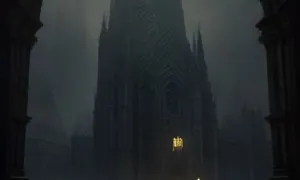
Visualizations and artistic views


The visualisations are generated by artificial intelligence and serve as inspiration.
Photos from the area
Real photos taken near the monument


Zdroj a licence jsou uvedeny u každého snímku.
Tips from visitors
No tips yet. Be the first!
Log in and add your tip.
Sources and literature
Photos: Ludvík Lábler / Public domain — Wikimedia Commons. The author and licence also appear when you hover over the image.
Faktickým podkladem tohoto textu byl článek na Wikipedii, jehož autory jsou přispěvatelé Wikipedie. Článek je dostupný pod licencí CC BY-SA 4.0.
Location on the map
Příběhy a pověsti
Legendy, pověsti a příběhy spjaté s touto památkou
Fotografie návštěvníků
Zatím žádné fotografie. Buďte první, kdo přidá fotografii z návštěvy!
Log in a přidejte svou fotografii nebo hodnoťte.
Za ověřenou návštěvu v aplikaci získáte víc bodů — poznáme podle GPS, že jste na místě.
Reviews and comments