






Palác Padowetz Hotel building
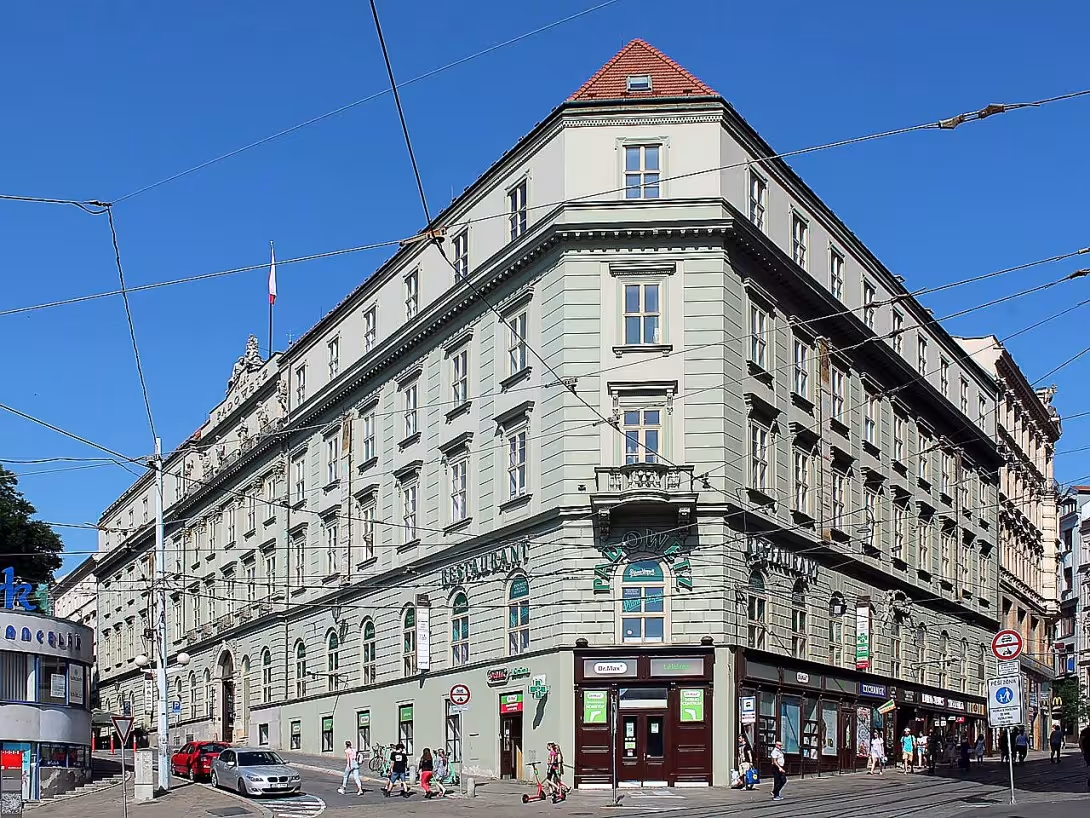
Palác Padowetz in Brno is a classic building on the corner of the streets of Masaryk and Bashta. It was created in 1838-1839 as the first hotel in the city. The building is protected as a cultural monument of the Czech Republic and is famous for its prestigious title U emperor of Austria.
The building was built by the businessman and landowner Lorenz Padowetz. The foundation of the palace was closely related to the rapid development of this part of Brno. This was triggered by the extension of the steam course from Vienna, the establishment of the first railway station in 1837-1839, the demolition of the Jewish gate and the construction of a park in Františkov. The hotel was the first building on the newly established street of Bashta.
The architectural solution is based on late classicism with romantic elements that make rich stucco decor. The main seventeen-eighth front is dominated by a corner balcony and an entrance portal. Above the entrance there is a figural sculpture decoration with Ionian columns. Ancient elements were also applied in the column vestibule. The building was originally three storey, in the 1960s it was increased by the fourth floor and in 1973 there were additional floors with lower ceilings. In 1935, the interior of the Alcron Café was rebuilt according to the design of architect Othmar Skrabal.
On completion of construction he owned Lorenz Padowetz. It was later taken over by Albína Padowcová, who, according to information from the Moravian archives, committed suicide after the arrival of the Germans because of its Jewish origin. During the war the hotel operated the City of Brno Savings House. After the liberation, it was briefly used by the Ministry of Social Welfare's repatriation centre before the hotel was cancelled in April 1946 and the building became an administrative building. In the following years, the palace belonged to the companies of the Ocelovaných výrobků n. p. Brno, Králové opolské Engineering and CHEMONT Brno, n. Since 1996 the building was owned by Palác Padowetz, a. s. In the years 2010- 2015 it was reconstructed by Lebona.
The palace is also an important place in literature. This is where the heroes of the without-name novel often met during the Brno residence.
Currently, the building serves commercial purposes and there is a restaurant in their premises. Palác Padowetz is an important witness to the historical development of the city and its architecture is worth the attention of every interested person in Brno history.
Then and now
Drag the slider to compare how the landmark may have looked when it was built with the view today.
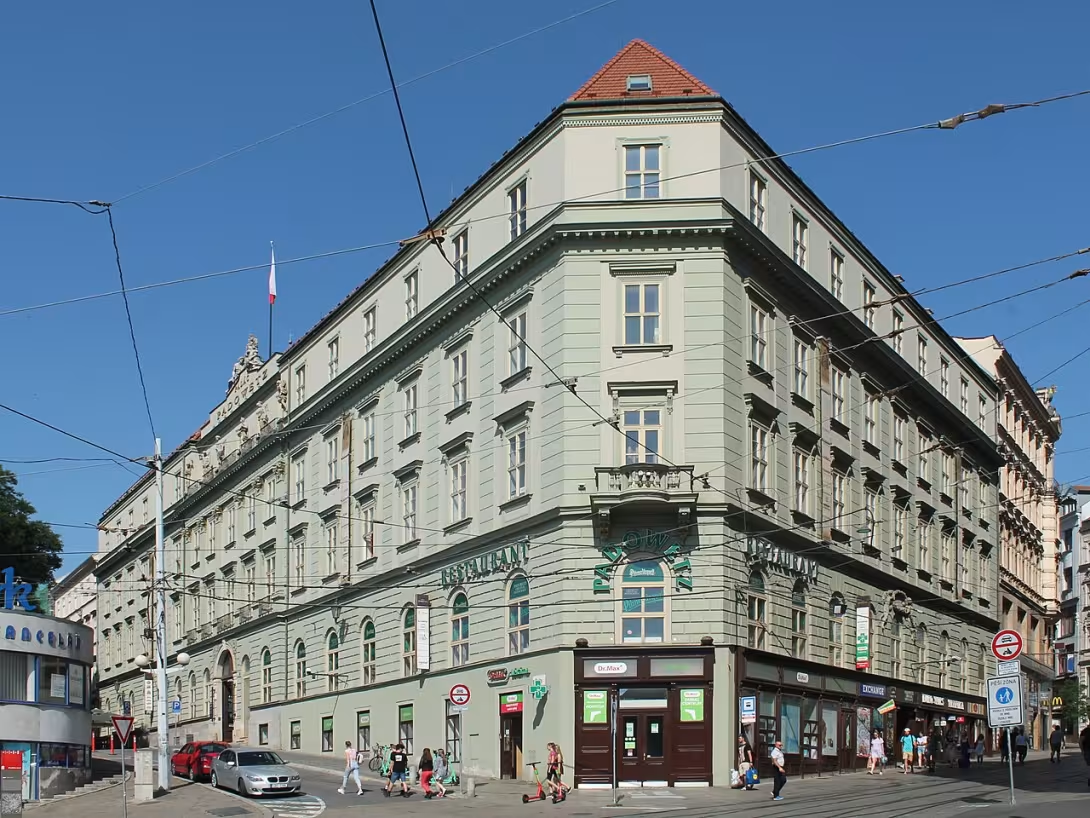
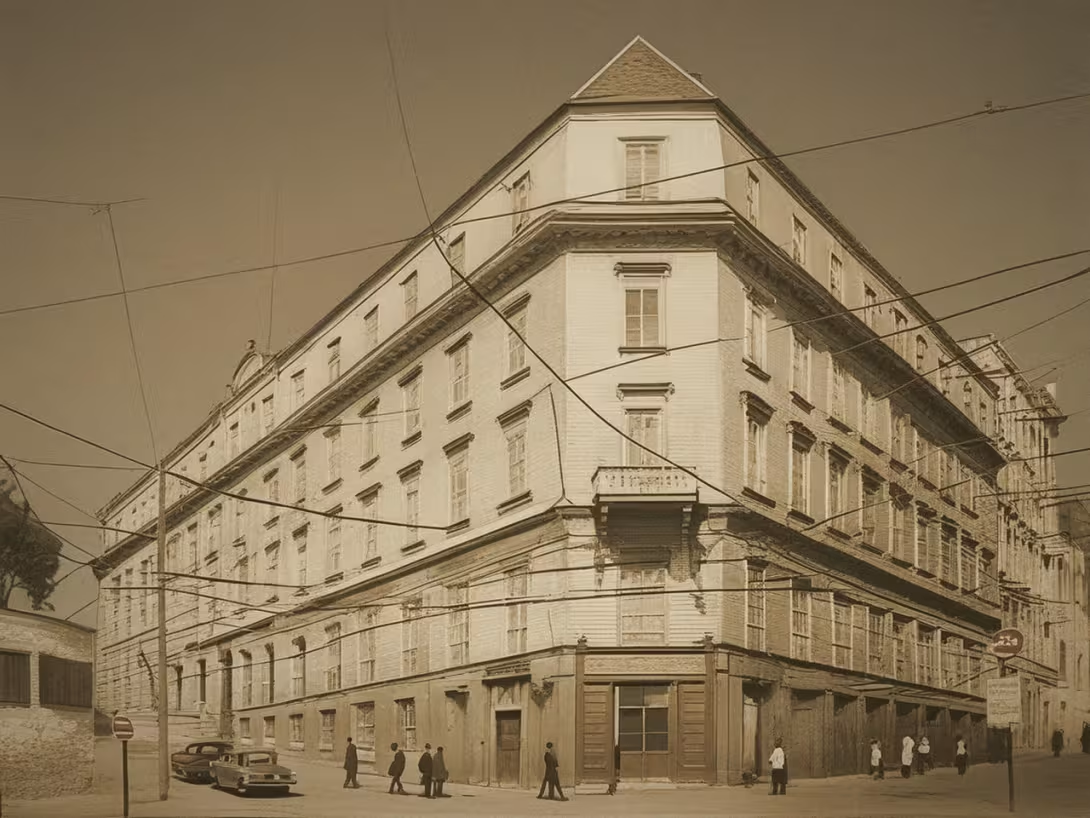
The historical appearance on the left is an AI-generated visualisation and serves as inspiration only.
Historical milestones
- 1839
- The position of the first hotel in Brno under the name U emperor of Austria
- 1935
- Reconstruction of the interior of the Alcron café according to the design of Othmar Skrabal
- 1973
- Adding another floor with lower ceilings
- 2010
- Start of reconstruction of Lebona company building
Architectural development
The originally three-storey building in late Classicism was raised by the fourth floor before the mid-1960s. In 1973, additional floors with lower ceilings were added to the building. The architecture includes rich stucco decoration and sculpture decoration over the main entrance.
Historical events
1839: completion of construction of the first hotel in Brno; 1935: reconstruction of the interior of the coffee shop Alcron; 1946: hotel cancellation and conversion to administrative building; 2010-2015: reconstruction of the building by Lebona companies.
Owners
The savings bank of Brno (until the end of the war), the Ministry of Social Welfare (after 1945), the Ocelovatelna n. Brno (1954), CHEMONT Brno, n. (1968), the company Palác Padowetz, a. s. (since the end of 1996), the company Lebona (2010-2015).
Points of interest
- The building was created in 1838-1839 as the first hotel in the city. - He's famous for his prestigious title at the Emperor of Austria. - Originally it was a three-storey building, it was increased by the fourth floor in the 1960s and another floor was added to it in 1973. - In 1935, the interior of the Alcron Café was rebuilt according to the design of architect Othmar Skrabal. - The Palace is an important place in literature where the heroes of the unnamed novel met.
Guide
Show guide text
This text was created by artificial intelligence and has not been editorially reviewed. It may contain inaccuracies.
Welcome to the heart of Brno. You are standing in front of a building that is not just an ordinary house, but a living witness to the transformation that this city has been going through for decades. The Palác Padowetz stands before your eyes. Feel the atmosphere of a place where history meets the everyday heart of a modern city. Perhaps at first glance you will be interested in his nobility and the way he dominates his surroundings. Get close to him, perceive his presence and let the düşüks carry you to the time when the first stones began to cut down here for something absolutely extraordinary.
Let's go deeper into the past together. Imagine Brno in a thousand eight hundred thirty eight and a thousand eight thirty nine. This was the time when the city began its great journey towards modern flourishing. There was nothing like it at the time. Lorenz Padowetz, a man with great vision and courage, decided to create the first hotel in the whole city. That was a revolutionary move at the time. Imagine the excitement that must have existed in Brno when the first door of such a passenger accommodation facility opened. This company has obtained a very prestigious and noble name by the Emperor of Austria. This name was not random. He suggested that here you can expect a high level, elegance and service that corresponded to the reign at the time. The building became a symbol of a new age when people began to move more, travel and search for comfort that was previously unavailable. The importance of this place was further strengthened later by the development of nearby railway stations, which brought hundreds of new people, traders and travelers to the city, who were here looking for their refuge.
Now pay attention to the architecture itself, which you are now observing. Look at her face and see her balance. The whole construction solution is based on late classicism. This style seeks harmony, order and peace, which I'm sure you can feel in its appearance. Notice the ancient elements that are embedded in the architecture. It's these details that make the construction feel timeless and noble. Although the building has changed over the years, its basic character remains strong. If you look at its height, you may notice some discrepancies, but there is a profound reason. Originally, this building was only three storey. In the 1960s, however, the city grew and the building was increased by the fourth floor. Later, in the year one thousand nine hundred seventy-three, additional floors were added to it, but with lower ceilings. This layer of history is visible directly on her body as if the building itself grew along with the city.
Every building this important has its heroes and stories. In this case, we can't forget the Padowetz family. Lorenz Padowetz was the one who started everything, but beside it was also Albína Padowcová, which was part of this great heritage. Their name is inextricably linked to this place. But if we want to talk about other important characters, we need to look at those who brought new spirits into the building in later times. In the year one thousand nine hundred thirty-five there was a major reconstruction of the inner space of the Alcron cafe. The architect Othmar Skrabal was behind her new appearance. Imagine the atmosphere of that time when nobles, artists and the intellectual elite of the city met in these spaces. The cafe was the heart of social life, and its design was a symbol of its elegance. So architecture is not only about stone and mortar, but about people who have experienced their most beautiful moments in these areas.
You might find one interesting thing that makes this building something constantly changing. Palác Padowetz is not a static monument that stands in time. It is rather a living organism that constantly adapts to the needs of its city. From the first hotel in the year one thousand eight hundred thirty-nine to the extensive reconstruction initiated by Lebona in the year one thousand two thousand ten, this building is constantly changing. It is fascinating to see how one building can adapt to various epochs, from classicism to modern reconstructions to current needs. It's like you're watching a tree grow that gets new bark and new branches every year, but its roots remain the same.
Now that you've been through his history and his looks, I suggest you continue your walk around this place. Feel how Palác Padowetz has worked into the tissue of Brno and how important it is for its entire history. Maybe if you look at his facade again, you'll see the details that you missed at first glance. Enjoy the beauty of this city and its hidden treasures. Thank you for spending this moment with us and for being interested in the history of this special place. We wish you a beautiful and inspiring journey further.
Tips for visitors
The best time to visit is in the morning or late afternoon, when soft light hits the façade of the building, highlighting its historical details.
You can reach the palace by car and public transport; We recommend checking the current connections and parking options in the city centre in the internet search engine.
We recommend taking comfortable shoes with us, as the surroundings of the palace encourage you to walk. To capture the architecture of the first Brno hotel is ideal golden hour before sunset.
In the immediate vicinity you can visit the church of St. Peter and Paul, relax in the park in Františkov or walk towards the future railway station in Brno.
For families with children is a great addition to visiting a walk in the park in Františkov, where children can relax from urban activity.
Businesses nearby
Do you run a restaurant, accommodation, shop, museum, rental, wellness or other visitor service near this monument? Show yourself directly to the people heading to it — this is how they will see you in the app and on the web:
Events nearby


Zdroj akcí: otevřená data měst a obcí ČR (Národní katalog otevřených dat) a kalendář akcí Národního památkového ústavu.
Nearby
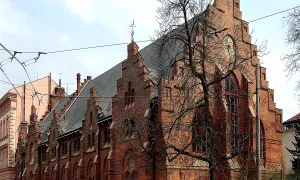
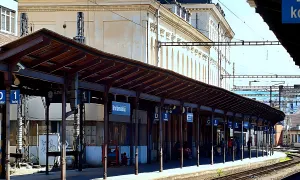
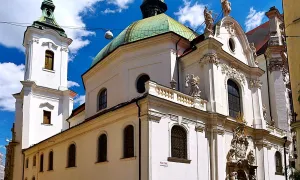
Kostel svatého Petra a Pavla, park na Františkově, budoucí nádraží v Brně.
Accommodation nearby
Trips and activities nearby
Guided tours, tickets and activities nearby from GetYourGuide
Affiliate link: if you buy from the partner, we may receive a commission. The price for you does not change.
Search tours and activities →Themed route
1. Church of St. Peter and Paul, Temple. This building is a dominant city and offers beautiful architecture. 2. Palác Padowetz, palace. The main destination of the trip, which represents an important historical object. 3. Park in Františkov, park. A place to relax and walk in nature. 4. Future railway station in Brno, transport node. Interesting in terms of modern development and city planning.
Seasonal recommendations
Spring brings freshness and awakening greenery around the palace, which contrasts beautifully with the historical appearance of the facade. The light is delicate and pleasant in this period for observing architectural details. We recommend visiting the memory in the morning when the air is the cleanest. Clothes should be layered to protect you from changing spring weather.
In the summer months, clear sunlight and hot air dominate the space, highlighting the colors of the urban environment. Expect a larger number of visitors because of the high season, which is why it is best to come right at the opening to avoid the biggest crowds. Choose light and breathable substances that make you comfortable even when walking in a hot city centre.
The autumn atmosphere in Brno is very cozy, accompanied by golden leaves and frequent morning fog, which give the palace a mysterious touch. The best time to visit is the late afternoon when the low sun hits the walls of the building beautifully. Don't forget the waterproof shoes and light coat, because the weather is very volatile this time of year.
Winter season is characterized by freezing air and a short day when the building acts very monumentally in contrast to the grey sky. In Advent time in the surrounding area, the expectations of the holidays and special tranquility prevail. It is necessary to choose really warm clothes and to verify the opening times in previous days, which are often shortened in this season.
Visualizations and artistic views


The visualisations are generated by artificial intelligence and serve as inspiration.
Photos from the area
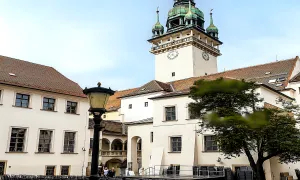
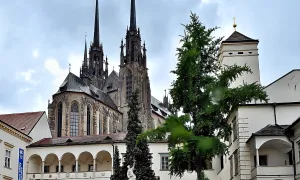
Real photos taken near the monument


Zdroj a licence jsou uvedeny u každého snímku.
Tips from visitors
No tips yet. Be the first!
Log in and add your tip.
Sources and literature
Photos: Harold / CC BY-SA 4.0 — Wikimedia Commons. The author and licence also appear when you hover over the image.
Faktickým podkladem tohoto textu byl článek na Wikipedii, jehož autory jsou přispěvatelé Wikipedie. Článek je dostupný pod licencí CC BY-SA 4.0.
Location on the map
Příběhy a pověsti
Legendy, pověsti a příběhy spjaté s touto památkou
Fotografie návštěvníků
Zatím žádné fotografie. Buďte první, kdo přidá fotografii z návštěvy!
Log in a přidejte svou fotografii nebo hodnoťte.
Za ověřenou návštěvu v aplikaci získáte víc bodů — poznáme podle GPS, že jste na místě.
Reviews and comments