






Papírna Other
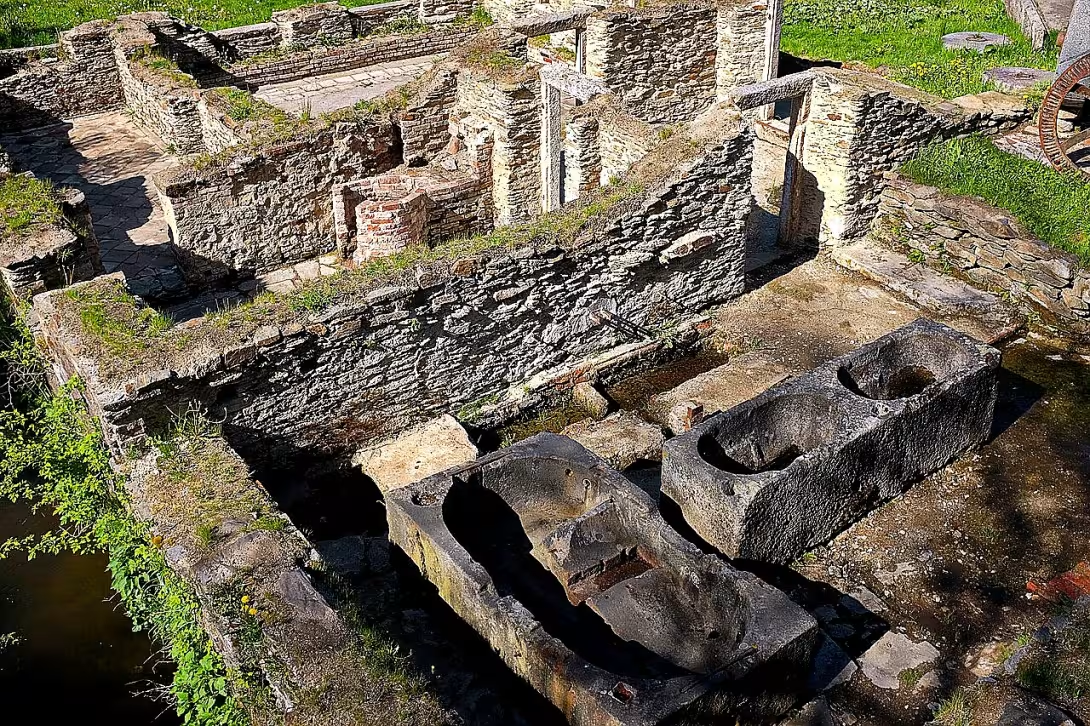
The Papírna in Aš is a historical site located in the Doubrava district of Aš, within the Cheb District in the Karlovarský Region. Established in the 17th century, it became renowned for producing high-quality paper that gained popularity across Europe during the 18th century. The mill used a Hollander beater machine to grind rags into pulp, an innovation from Holland. After declining post-19th century and ceasing operations after World War II, significant remnants of the structure were uncovered in 2012 through local efforts. Today, these remains are protected as a cultural monument since 1991.
The origins of the Papírna trace back to the 17th century when the first paper mill was established at this location. During its peak in the 18th century, Aš paper became a significant export across Europe, coinciding with the Enlightenment period's increased demand for printed materials. The site’s historical context is rooted in Bohemia's role within the Habsburg Monarchy, experiencing cultural and economic growth during that era.
Architecturally, the Papírna began as a traditional paper mill utilizing machinery like the Hollander beater. Although specific architectural styles are not detailed, its development reflects the industrial practices of its time. The site saw its peak in the 18th century when it became a significant exporter of paper across Europe. After declining operations post-19th century, the remnants were preserved under cultural heritage protection since 1991.
The history of ownership and administration is not extensively documented; however, the mill's fortunes shifted dramatically over time. Initially thriving during its peak in the 18th century, it faced a decline after the mid-19th century and eventually ceased operations following World War II. The site was later recognized for its cultural significance and protected as such.
Key events at the Papírna include its establishment in the 17th century and the widespread popularity of Aš paper during the 18th century. Post-World War II, the production of paper completely ceased in Doubrava. In 2012, local efforts led to the uncovering of significant remnants, including well-preserved tools such as troughs, grinding stones, barrels, and vats.
Today, the Papírna is accessible via bus line Aš, Doubrava, with a stop at Aš, Doubrava. It is part of the yellow tourist trail from Bílý Halštrov dam and intersects with cycling routes 2059 and 2062. Visitors can explore the site, which includes an information board and a hiking terrace to enhance the experience. The nearby mineral spring called Doubrava adds to its appeal.
The Papírna in Aš offers a unique glimpse into the region's industrial past and its role in Europe's paper production history. Its preservation as a cultural monument ensures that future generations can appreciate this significant site. Visitors are invited to explore the remnants of this historical mill, enriched by the surrounding natural beauty and accessible trails, making it a worthwhile destination for those interested in history and heritage.
Historical milestones
- 17th century
- Establishment of the first paper mill in Aš.
- 18th century
- Aš paper becomes a significant export across Europe.
- 1991
- Papírna recognized as a cultural monument.
- post-19th century
- Decline in operations after the mid-19th century.
- after World War II
- Ceasing of paper production at Papírna.
- 2012
- Uncovering of significant remnants by local efforts.
Architectural development
The Papírna's development began with the construction of a paper mill in the 17th century, utilizing traditional methods and machinery like the Hollander beater. The site saw its peak during the 18th century when it became a significant exporter of paper across Europe. After declining operations post-19th century, the remnants were preserved under cultural heritage protection since 1991.
Historical events
17th century: Establishment of the first paper mill at this location.
18th century: The paper from Aš gained widespread popularity across Europe.
Post-World War II: Complete cessation of paper production in Doubrava.
Points of interest
- The Papírna in Aš utilized the Hollander beater machine, an innovative technology from Holland, to grind rags into pulp, showcasing early industrial adaptation of foreign techniques.
- Despite its decline post-19th century and ceasing operations after World War II, significant remnants were uncovered in 2012 through local efforts, highlighting community involvement in preserving cultural heritage.
- The site's paper gained popularity across Europe during the Enlightenment period, coinciding with a surge in demand for printed materials, reflecting its impact on European intellectual and cultural development.
- Aš paper became a major export product in the 18th century, underscoring Bohemia’s role within the Habsburg Monarchy as a key player in industrial production and economic growth during that era.
- The Papírna is part of the yellow tourist trail from Bílý Halštrov dam and intersects with cycling routes 2059 and 2062, integrating historical exploration with outdoor recreational activities.
Guide
This guide is narrated by a synthetic voice generated by artificial intelligence.
Show guide text
This text was created by artificial intelligence and has not been editorially reviewed. It may contain inaccuracies.
Welcome to the historic site of Papírna in Aš, a remarkable testament to the ingenuity and craftsmanship that flourished here centuries ago. As you stand in this serene location within the Doubrava district, imagine yourself stepping back into an era where Europe's thirst for knowledge was matched only by its appetite for quality paper.
The story of Papírna begins in the 17th century when it was established as one of the first paper mills in Aš. This site quickly became renowned across Europe during the 18th century, thanks to its high-quality paper that found its way into the hands and libraries of many. The secret behind this success lay in an innovative piece of technology—the Hollander beater machine from Holland. This groundbreaking machine allowed for the efficient grinding of rags into pulp, a process that was revolutionary at the time.
As you wander around, take a moment to absorb the atmosphere of Papírna. Although much has changed since its days of operation, the spirit of innovation and craftsmanship lingers in the air. The architecture here speaks volumes about an era when industrial processes were beginning to embrace foreign techniques, marking a significant step towards modernity.
While specific architects or historical figures associated with this site remain largely unknown, their legacy is etched into every corner of Papírna. It's fascinating to ponder who might have walked these grounds, contributing to the mill's storied past and its eventual recognition as a cultural monument in 1991.
One intriguing aspect of Papírna's history is its resilience. Despite experiencing a decline after the mid-19th century and ceasing operations post-World War II, the site witnessed a remarkable revival when significant remnants were uncovered by local efforts in 2012. This discovery not only highlights the enduring legacy of Papírna but also serves as a reminder of the community's dedication to preserving its history.
As we conclude our visit here at Papírna, I invite you to reflect on this journey through time and innovation. The story of Aš's paper mill is a testament to human creativity and adaptability—a narrative that continues to inspire long after its physical operations have ceased.
Thank you for joining me today in exploring the rich tapestry of history woven into the very fabric of Papírna. I hope this experience has sparked your curiosity, inviting you to delve deeper into the stories that places like these hold. Farewell, and may your explorations always lead you to discover more hidden gems just like this one.
Frequently asked questions
Can the monument be visited?
We have not verified whether this monument is accessible. Please ask the owner or operator, or the local municipal office.
Where is the monument?
Location: Aš, Karlovarský kraj. The map on this page shows the exact spot.
Why is the monument protected?
It is listed in the Central List of Cultural Monuments of the Czech Republic as a cultural monument (register no. 1000150064).
Businesses nearby
Do you run a restaurant, accommodation, shop, museum, rental, wellness or other visitor service near this monument? Show yourself directly to the people heading to it — this is how they will see you in the app and on the web:
Nearby
Nearby features include a mineral spring called Doubrava, accessible via bus line Aš, Doubrava. The site is also part of the yellow tourist trail from Bílý Halštrov dam and intersects with cycling routes 2059 and 2062.
Accommodation nearby
Themed route
Tematická Výletní Trasa z Aš
1. Papírna Aš
- Typ: Historické místo
- Proč stojí za návštěvu: Papírna v Aši je jednou z nejstarších papíren v Evropě, která nabízí zajímavý pohled na historii průmyslu a technologie. Navštívte expozici, kde se dozvíte o procesu výroby papíru a historické významnosti tohoto místa.
2. Minerální zřídlo Doubrava
- Typ: Přírodní atrakce
- Proč stojí za návštěvu: Minerální zřídlo Doubrava je známé svými léčivými vlastnostmi a krásnou přírodou. Je to ideální místo pro relaxaci a užití minerálních lázní, které mohou přinést pohodlí jak tělu, tak duši.
3. Žlutá turistická trasa
- Typ: Turistická trasa
- Proč stojí za návštěvu: Tato trasa vede od Bílého Halštrova k Aši a nabízí krásné pohledy na okolní krajinu. Je to perfektní možnost pro cyklisty, kteří chtějí prozkoumat přírodní krásy regionu a zároveň se ponořit do místní historie.
4. Cyklostezky 2059 a 2062
- Typ: Cyklistické trasy
- Proč stojí za návštěvu: Tyto cyklostezky propojují Aš s okolními oblastmi, nabízející pohodlnou cestu pro milovníky kola. Jsou ideální pro různé úrovně zkušeností a umožňují prozkoumat místní krajinu v klidném tempu.
Tato trasa nabízí kombinaci historických, přírodních a aktivitních atrakcí, což ji činí ideální volbou pro různorodé zájmy.
Seasonal recommendations
Spring: Visiting the historical paper mill in Aš during spring offers a unique experience as nature begins to awaken from its winter slumber. The surrounding landscape is often adorned with blooming wildflowers and fresh greenery, providing a picturesque backdrop that enhances the charm of this historic site. The weather can be unpredictable, with occasional rain showers, so it's advisable to wear layers and carry an umbrella or raincoat. Spring tends to attract fewer visitors compared to summer, making it an ideal time for those seeking a more tranquil exploration. To fully appreciate the beauty of the season, consider visiting in the late morning when the sunlight is gentle and illuminates the site with a soft glow.
Summer: The summer months bring vibrant life to the paper mill in Aš, as warm weather invites both locals and tourists to explore the area's rich history amidst lush surroundings. During this time, the site benefits from extended daylight hours, allowing for longer visits under bright sunshine that accentuates the architectural details of the mill. However, be prepared for larger crowds, especially during peak tourist season in July and August, so arriving early can help avoid the busiest times. Comfortable walking shoes and light clothing are recommended to stay cool as you explore, along with plenty of water to keep hydrated under the summer sun.
Autumn: Autumn presents a stunning palette of colors at the paper mill in Aš, as the foliage transforms into shades of red, orange, and gold. This season is particularly enchanting for photography enthusiasts who wish to capture the natural beauty surrounding the historic site. The cooler temperatures make it an ideal time to visit without the summer heat, though layers are still recommended due to varying weather conditions. Fall generally sees a moderate number of visitors, allowing for a pleasant experience with fewer crowds compared to summer. To fully enjoy the autumn atmosphere, consider visiting in late afternoon when the light is softer and the colors more vivid.
Winter: A visit to the paper mill in Aš during winter offers a serene and atmospheric experience as snow blankets the landscape, creating a magical setting that contrasts beautifully with the historic architecture of the site. The shorter days mean that visitors should plan their trip accordingly, taking advantage of the early morning light for photography or exploration. Winter temperatures can be quite cold, so dressing warmly in layers is essential to ensure comfort during your visit. To make the most of a winter visit, consider bringing hot beverages to enjoy while taking in the tranquil surroundings.
Visualizations and artistic views


The visualisations are generated by artificial intelligence and serve as inspiration.
Photos from the area
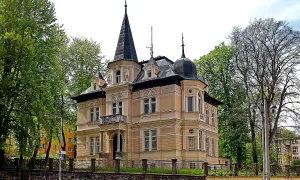
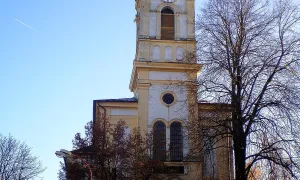
Real photos taken near the monument

Zdroj a licence jsou uvedeny u každého snímku.
Tips from visitors
No tips yet. Be the first!
Log in and add your tip.
Sources and literature
Photos: Lubor Ferenc / CC BY-SA 4.0 — Wikimedia Commons. The author and licence also appear when you hover over the image.
Faktickým podkladem tohoto textu byl článek na Wikipedii, jehož autory jsou přispěvatelé Wikipedie. Článek je dostupný pod licencí CC BY-SA 4.0.
Location on the map

Příběhy a pověsti
Legendy, pověsti a příběhy spjaté s touto památkou
Fotografie návštěvníků
Zatím žádné fotografie. Buďte první, kdo přidá fotografii z návštěvy!
Log in a přidejte svou fotografii nebo hodnoťte.
Za ověřenou návštěvu v aplikaci získáte víc bodů — poznáme podle GPS, že jste na místě.
Reviews and comments