






Park Abácie, Valašské Meziříčí Park
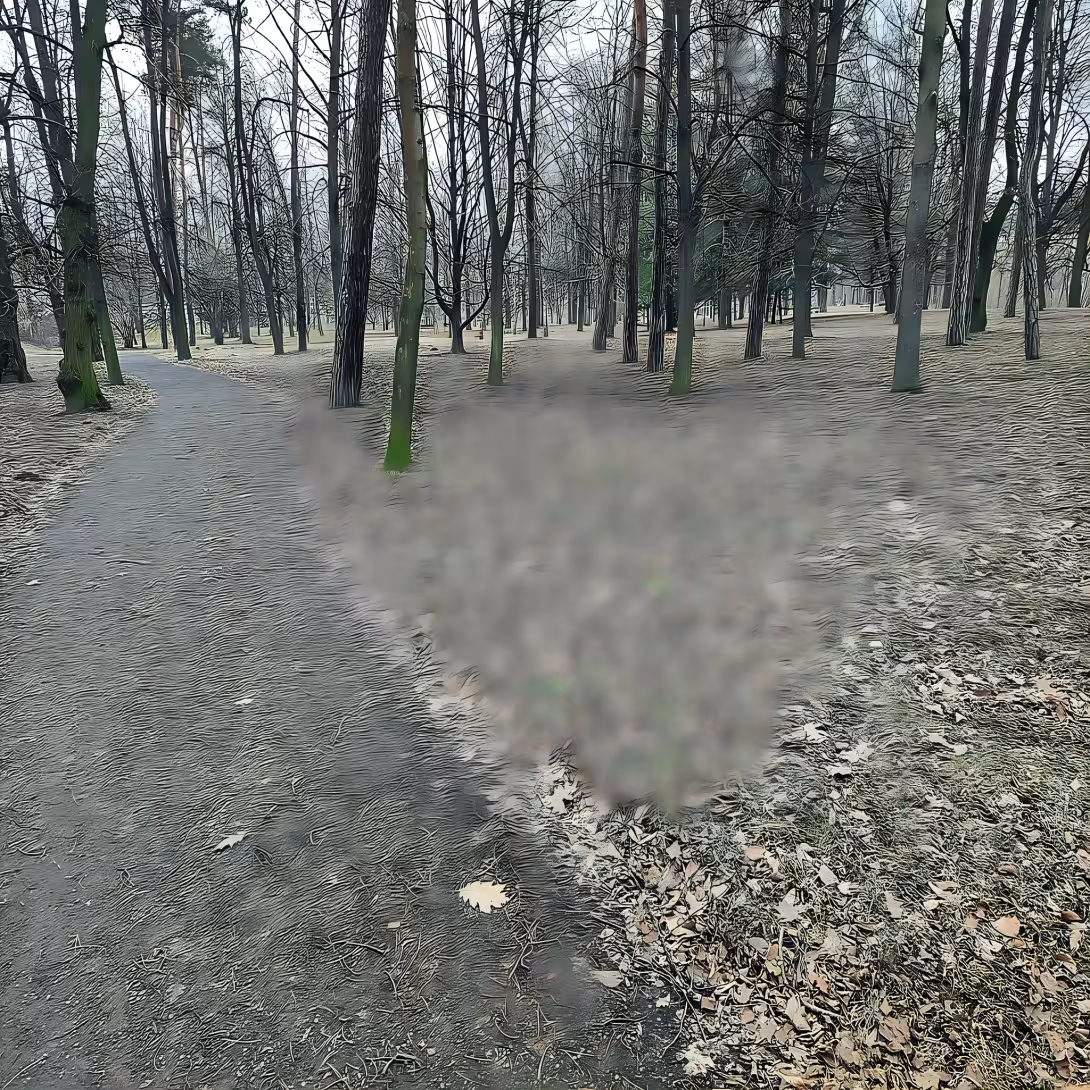
The park of Abácia is located in Valašské Meziríčí in the district of Vsetín, in the geomorphological unit of Podbeskyda hill. It is located in the western part of the city at an altitude of 291 metres and has a recognizable ground plan shape of the letter "L '. The characteristic characteristic of the park is its position in the confluence of two major rivers - Rožnov Bečva, which lines it from the north, and Vsetín Bečva on the west side. Both rivers run along the northwest corner of the park and continue as the river Bečva.
The park was founded in the 19th century. Its creation is connected with the personality of Aloisa Mikyška, the politician and mayor of Valashské Meziríčí (1831-1903), who deserved to create it. The name was given to the park according to the plants of abacia, which belong to the family of willows. In this way, the public modification of the urban space and the natural назвánám characteristic of the place were combined.
The most important element of the park is the Napoleonic War Memorial, which was built here in 1901. The memorial is made of Jarcov limestone and its origin is related to the Battle of Slavkov from 1805. According to tradition, the wounds of the wounded Austrian and Russian soldiers were treated at the Valaskomestrian castle, and the fallen soldier was then buried there. The monument thus stood in the memory of one of the most important battles of the European Napoleon wars and their influence on local history.
The park is open all year round and has become part of tourism in the region. They lead marked routes for both pedestrians and cyclists, especially the T. G. Masaryk and the Bečva cycling path. The combination of the natural environment in the confluence of rivers, historical monument and connections with regional routes makes the Park of Abácia an interesting stop for visitors interested in the history of Valašska and the natural scenery of the Beskyd undermountain.
Then and now
Drag the slider to compare how the landmark may have looked when it was built with the view today.
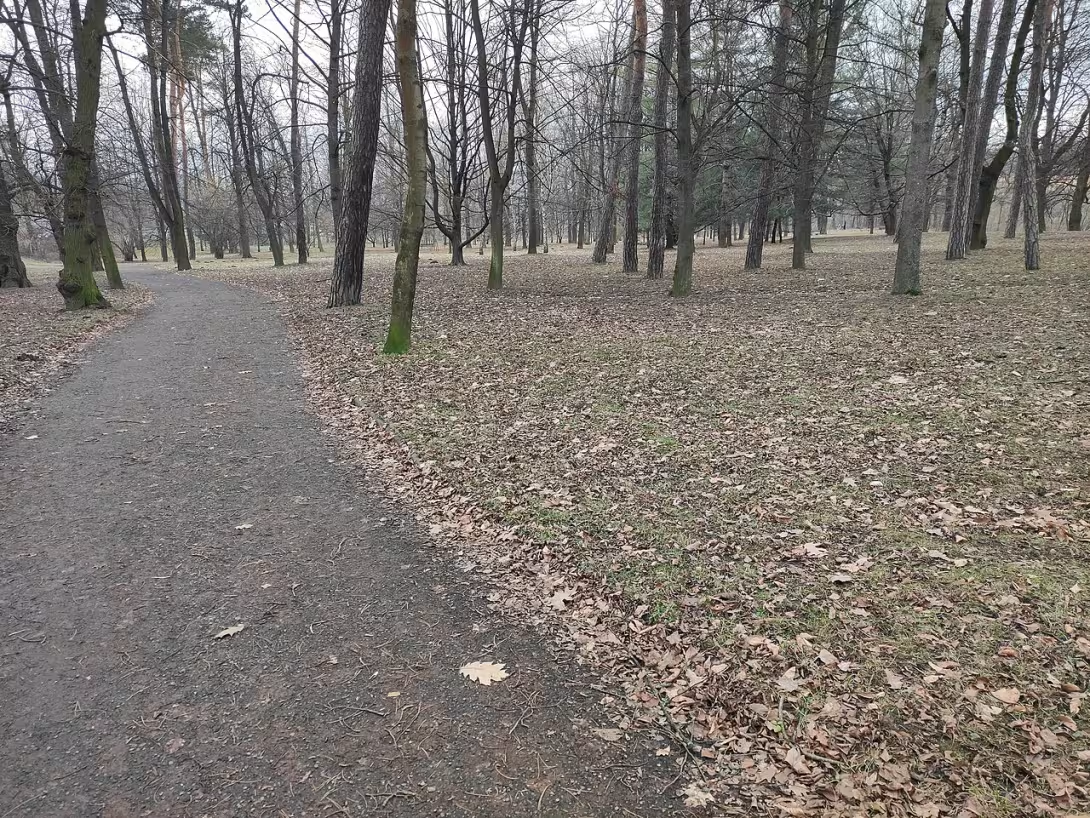
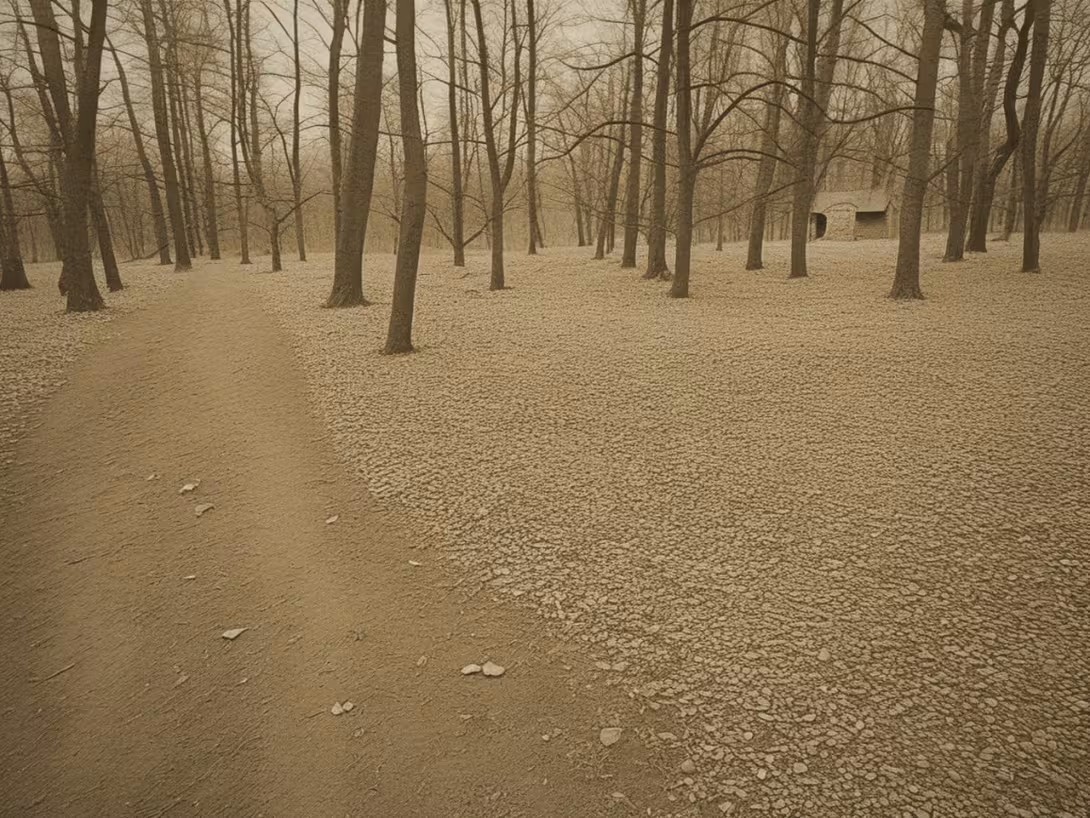
The historical appearance on the left is an AI-generated visualisation and serves as inspiration only.
Historical milestones
- 19th Century
- The creation of the park based on the initiative of the politician Alois Mikyška.
- 1805
- The Battle of Slavkov, which affected the formation of the Memorial in the park.
- 1901
- Status of the Napoleonic War Memorial.
Architectural development
The park was founded in the 19th century, probably in its second half, and its current form is the result of modifications from the historical period. The dominant Memorial of the Napoleon Wars is built from the Jarcov limestone and its architecture corresponds to the style of the end of the 19th century. The park was probably modified in the 20th century, but no significant reconstructions are documented.
Historical events
- 1805
- The Battle of Slavkov, where wounded soldiers were treated in Valachian Mezirich and the dead were buried in the park.
- 1901
- The unveiling of the Napoleonic War Memorial commemorating fallen soldiers from the Battle of Slavkov.
Points of interest
- The park of Abácia has the characteristic ground design shape of the letter "L" and lies at an altitude of 291 metres.
- The park was founded in the 19th century on the initiative of Alois Mikyška, politician and mayor of Valasské Meziříčí.
- The name of the park comes from an abacia which belongs to the family of willows.
- In the park is a 1901 Napoleonic War Memorial commemorating the Battle of Slavkov, 1805.
- The park is open all year round and connected with regional tourist routes such as the T. G. Masaryk Educational Path.
Guide
This guide is narrated by a synthetic voice generated by artificial intelligence.
Show guide text
This text was created by artificial intelligence and has not been editorially reviewed. It may contain inaccuracies.
Welcome to the Valachian Mezirice, specifically in its western part, where two important water arteries of our region meet in quiet silence. You are standing right in the park of Abácia, a small but distinct urban area that is situated directly in the confluence of Rožnovská and Vsetín Bečva. If you look around you, you'll probably feel a mild breeze, which is a frequent guest because of the open position at the river. This park is not only a place of rest, but also a historical monument, whose roots extend deep into the nineteenth century. Its ground plan is characteristic of the letter L, which gives it a specific geometric character, and is located at an altitude of 291 meters above sea level. Although it may seem to be common urban greenery, every step you take here brings you closer to a story that has influenced the fate of this city and the entire region.
Let's move a few steps inside and focus on how this place actually got to the shape that we know today. The park of Abácia didn't grow out of anything. Its foundation is closely linked to the person Alois Mikyška, a prominent politician and mayor of the Valachian Meziríč. It was he who initiated this park in the nineteenth century. At that time, the city developed and needed places to rest and spend time together. Mikyška understood that green areas are not only decoration, but an important part of urban life. His initiative shows how far-reaching the city's representatives had thought about the future and quality of life of their citizens. The park is therefore not a random service but a result of a targeted plan and a visionary approach of one key personality.
Now pay attention to what surrounds you. Although the architects who participated in the design of the park are not named in the historical records, their work is felt in every detail. Take a look at the layout of trees and bushes that form a living wall while allowing free movement. Form of the letter L is not just a random geometric formation; He defines the boundaries of the park and also opens it towards the city and the rivers. This openness is crucial for the atmosphere of the place. The park of Abácia is named after the plant of abacia, which belongs to the family of willows. That name is not random. Abacia, also known as willow, is a symbol of strength, flexibility and life. Its presence in the name of the park resembles the proximity of the watercourses and the natural beauty of the landscape in which the park is located. When you walk in alleys, try to imagine how these particular tree species once grew here, which supplied the park with its unique character and name.
Among the most important elements you should not miss is undoubtedly the Memorial of the Napoleon Wars. This monument was built in 1901 and serves as an important reminder of history which took place 100 years before its creation. The memorial commemorates soldiers who fell in the Battle of Slavkov in 1805. This battle, also known as the battle of three emperors, had profound consequences for the European political map and for the fate of many people in our region. You are therefore standing in a park which is not only about green and calm, but also about the memory of the victims of war. The monument is a dominant park and its location here is not random. It was chosen to be visible and accessible to the people of the city so that history would never be lost in oblivion. If you look at him, consider how far the effects of the nineteenth century events on today's form of this place extend.
Key stories and personalities associated with this place are closely linked to the political and social development of Valachian Meziříčí. Alois Mikyška, which we have already talked about, is not just a name in the chronicle. He was a man who believed in the development of the city and the importance of public spaces. His initiative to establish the park of Abácia was an expression of his interest in the well-being of citizens. At the same time, it is important to realise that the park serves as a link between the past and the present. The Battle of Slavkov, which is commemorated by the memorial, was one of the decisive moments of the Napoleon wars. The soldiers who fell here often came from different parts of Europe, but their sacrifice is now remembered in this peaceful environment in Wallachia. This combination of a quiet park and a serious monument creates a unique atmosphere that gives thought.
The very shape of the park and its location are interesting, which can attract attention. Form of the letter L is not only an aesthetic choice, but also a practical solution that respects the topography of the place and the confluence of rivers. An altitude of 291 meters is a detail that may seem insignificant, but for geographers and historians it can be an important indication for understanding the development of the city. The park of Abácia is also an example of how people's relationship to nature and monuments change. In the nineteenth century, it was a modern idea to create urban greenery; today it is obvious. But it is this self-evident that allows us to relax and enjoy the beauty of this place. The name of the park, derived from the abacia plant, is further proof of how closely this place is linked to nature. The willow plants are resilient and adaptable, which is a property that can be transferred to the history of this park that has survived the century and still performs its function.
When walking through the park of Abácia stop and feel the atmosphere. Hear the roar of leaves, smell the smell of earth and perhaps even the humidity near the rivers. This park is where history touches the present. The monument of the Naples Wars stands as a silent witness to events that changed the world. And yet it is surrounded by peace and greenery, which heralds peace and renewal. It is a place where you can relax from the hustle and bustle of the city while learning something new about the history of Valachian Mezirici. The park of Abácia is not only a green area but a living monument that tells the story of human creation, sacrifice and adaptability.
In conclusion, I would like to invite you to explore the park of Abácia even more thoroughly. Walk through all the alleys, look at the monument from different angles and consider the importance it has to you and this city. You may notice the details that I have not been able to describe in this text because each visitor feels differently. The park of Abácia invites you to reflect, to rest, and to discover the history that is hidden under a layer of leaves and grass. So let us say goodbye to this short tour and I wish you to enjoy every moment you spend in this beautiful and historically important place. Valašské Meziříčí has something to offer and the park of Abácia is one of its most beautiful and peaceful corners. Thank you for your attention and have a pleasant stay.
Frequently asked questions
Is Park Abácie, Valašské Meziříčí open to the public?
Yes, the park is publicly accessible. Opening hours are from 9:00 to 6:00.
How do I get to the place by car / public transport?
The park of Abácia is located in the centre of Valašské Meziříčí. By car you can park on nearby streets or in nearby parking lots. Public transport is available in the area.
How much is the entrance fee and is it paid on the spot?
Admission to the Park of Abácia is free. There are no admission fees.
Is the tour suitable for children and seniors?
Yes, the park is suitable for visiting families with children and seniors. There are special routes for families with children and benches are available for rest.
How long does the tour take?
A tour of the Park of Abácia usually takes 1-2 hours, depending on the speed of the visitors.
What are the opening times and booking is required?
The opening hours of the park are from 9:00 to 18:00. Reservation is not required, but we recommend that visitors agree on the time of the tour in advance.
What's interesting in the immediate vicinity?
In the immediate vicinity of the park is located the historical centre of Valašské Meziříčí, where you can visit the church of St. Nicholas and other historical buildings.
For kids
Imagine going back to the past, when Park Abácia was just a small forest on the confluence of the rivers Rožnovská Bečva and Vsetín Bečva. Who lived here? It was the Valas who lived here since the Middle Ages. These people were so smart, they learned to live in harmony with nature.
It was like a game where little players create their own world. The Valas built their houses here, running fields and pastures. They were people who liked natural beauty and tried to protect them.
Businesses nearby
Do you run a restaurant, accommodation, shop, museum, rental, wellness or other visitor service near this monument? Show yourself directly to the people heading to it — this is how they will see you in the app and on the web:
Accommodation nearby
Themed route
Thematic cruise route: The history and nature of Valachian Mezirici
1. Park Abácia * Type: * Historical park with monument protected garden. * Why visit? * A unique example of Baroque garden architecture associated with the Abaci family, owner of the castle. The park offers a quiet environment with fountains, statues and rare plants, ideal for walking.
2. Castle Valašské Meziříčí * Type: * Baroque castle with military history. * Why visit? * The main seat of the Abaci family, which served as a Lazaret for wounded soldiers from the Battle of Slavkov in 1805. Interiors and exhibitions reveal the link between aristocracy and war history.
3. Contest of Rožnovský and Vsetín Bečva * Type: * Natural dominance of the park Abácia. * Why visit? * A place where two rivers meet, forming a picturesque scenery in the middle of the park. The surrounding forests and shores offer an opportunity to walk and observe the water flow.
4. Slavkovský castle * (approx. 10 km from the destination) * * Type: * Castle area with military history. * Why visit? * The key point of the battle at Slavkov, where she decided to meet the fate of the Napoleon armies. The area with towers and ruins is a fascinating testament to war history.
* Tip: * The route combines cultural monuments with a natural corner, ideal for a trip with historical and relaxing focus.
Seasonal recommendations
Spring: The park of Abácia in Valašské Meziříčí turns into an incredible green beauty during the spring when flowering trees and shrubs colour the landscape with countless shades. The sunny days offer an ideal opportunity for walking in the park, where the atmosphere is calm and fulfills with the sound of nature's life. Visitors are advised to wear clothes suitable for mild temperatures and the possibility of changing the weather because spring rain can suddenly be present. The best time to visit is in the afternoon when the sun fills the park with its warmth and strongest colors.
Summer: In the summer months, Park Abácia becomes a popular place to relax where visitors seek relief from urban life. Full of sunlight and heat, lakes in the park offer the possibility of relaxing on the banks or bathing. The atmosphere is full of energy, which means it can become difficult enough for crowds. Acceptance is recommended early in the morning or late in the afternoon when temperatures are lighter and the park is less occupied. Don't forget the sun protection and plenty of drinking water.
Autumn: In autumn Park Abácia offers visitors views full of color when tree leaves go green to yellow, orange and red shades. This season is ideal for photography and quieter walking as the crowd decreases. The sunny days are still warm, but the evenings are rapidly cooling, so suitable clothes should be for mild and colder weather. The best times for visiting are early morning or late afternoon when the light is ideal for capturing the beauty of the autumn park.
Winter: In the winter months, the Abácia Park becomes a magical atmosphere when snow covers roads and trees create views similar to carolines. Sunrise adds a special touch to the park, but temperatures are cold, so it is important to dress warm. Opening hours may be limited due to the weather and it is therefore advisable to check the current information before visiting. The best times for visiting are on sunny days of the afternoon when the park may appear as a place of peace and relaxation from winter cold.
Visualizations and artistic views


The visualisations are generated by artificial intelligence and serve as inspiration.
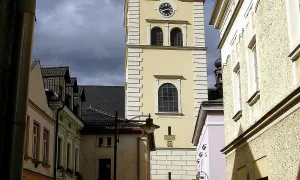
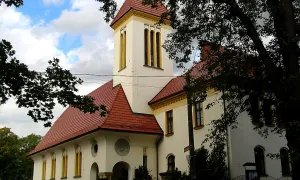
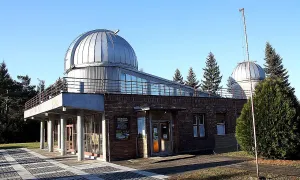
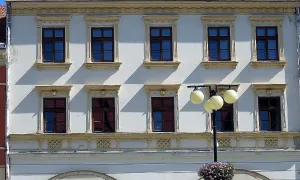
Photos from the area
Real photos taken near the monument

Zdroj a licence jsou uvedeny u každého snímku.
Atmosphere of the place
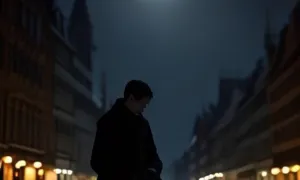
This atmospheric visualisation of the place and period was generated by artificial intelligence. It is not real footage of the location.
Tips from visitors
No tips yet. Be the first!
Log in and add your tip.
Sources and literature
Photos: Fry72 / CC BY-SA 4.0, rozlišení zvýšeno umělou inteligencí — Wikimedia Commons. The author and licence also appear when you hover over the image.
Faktickým podkladem tohoto textu byl článek na Wikipedii, jehož autory jsou přispěvatelé Wikipedie. Článek je dostupný pod licencí CC BY-SA 4.0.
Location on the map

Příběhy a pověsti
Legendy, pověsti a příběhy spjaté s touto památkou
Fotografie návštěvníků
Zatím žádné fotografie. Buďte první, kdo přidá fotografii z návštěvy!
Log in a přidejte svou fotografii nebo hodnoťte.
Za ověřenou návštěvu v aplikaci získáte víc bodů — poznáme podle GPS, že jste na místě.
Reviews and comments