



Passingerův mlýn (Olomouc) Water mill
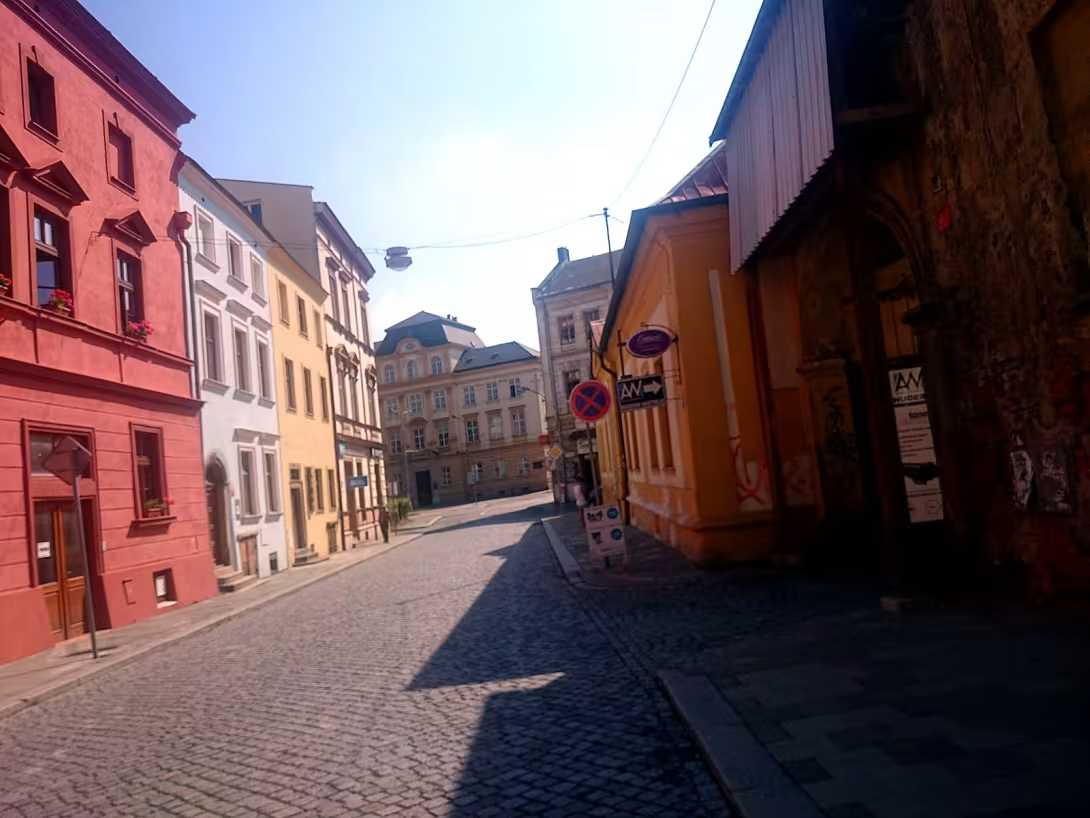
Passinger Mill on Mlýnská Street No. 938 in Olomouci is a medieval building. It belongs to the cultural monuments of the Czech Republic and is part of the Fortress Olomouc. The object is remarkable by its history dating back to the 14th century. Many reconstructions, changes of owners and architectural elements indicate its long development.
The first written mention of the mill dates back to 1321. It suggests that he was already a part of urban life in the late Middle Ages. The original name "Stone" could be derived from the material from which the construction was built. Over the years, the building has become part of the so-called Water Barracks and has undergone several significant changes. The first documented owners were Martin Grapler (1435), followed by Hanusha Weigel, Mark of Bučice and others. In 1619 the mill was owned by the miller Toman and later Jiří Martiška.
The architecture of Passinger Mill reflects his rich history. It was originally built from a concrete brick wall, which corresponded to the construction techniques at the time. A large reconstruction took place in the 19th century. It included building a covered wooden bridge over the Mill drive and building extension by another floor. That was when modern technologies were installed, such as Francis' water turbine for grinding and electricity production.
The ownership and management of the mill were changing in times. In 1760 it was built on the other side of the Mlýnský jet by the miller Jan Jiří Friemell, who operated there until 1790. It was then taken over by the Lachnik and Pulkert families, which expanded the construction without permission. In 1875, the object came into the hands of the miller family Passinger, who owned it until 1942. After World War II the mill was nationalized and transferred to the administration of the city Olomouce.
Key events include the alleged burn-out during the Prussian siege of Olomouce in 1758 and subsequent reconstruction on the southern bank of the Mlýnské jet. In 1862, a large reconstruction started, creating a covered bridge and expanding the building. In 1952 there was a filling of the Mill wheel drive, which fundamentally changed the surroundings of the mill.
Today, the Passinger Mill serves various commercial and administrative purposes. The building has restaurants, offices and storage facilities. Its value lies in the rich past and in the changes that it has witnessed for centuries. Visiting the building offers a unique opportunity to explore the history of Olomouce and appreciate architectural details. Passinger Mill is therefore not only a monument, but also a functional object that contributes to the life of the city.
Historical milestones
- 1321
- First written mention of the mill
- 1435
- First historically documented owner Martin Grapler
- 1760
- The position of the mill on the other side of the drive on the castle casemats
- 1875
- Acquisition of the mill by the Passinger family
- 1952
- Flooding of the Mlýn drive
Architectural development
The building consists of a mill part and granary connected to the Water barracks. The building is a covered three-storey building from a solid brick wall with a saddle roof. In the 19th century, a large rebuilding took place including the construction of a covered wooden bridge over the drive.
Historical events
1321 - the first written mention of the mill, 1758 - the alleged demise of the mill during the Prussian siege, 1862 - the launch of a large reconstruction including the construction of a covered bridge, 1952 - the filling of the Mlýnský jet.
Owners
Martin Grapler (1435), Hanuš Weigel (until 1443), Marek z Bučic (until 1482), miller Toman (from 1619), Jiří Martiška (1635-1655), family Lachniks and Pulkerts (from 1790), family Passinger (1875-1942), town Olomouc (after 1942).
Points of interest
- The first written mention of the mill dates back to 1321. - The original name "Stone" could be derived from the material from which the construction was built. - In the 19th century, an indoor wooden bridge was built and Francis's water turbine was installed for grinding and electricity production. - The mill was allegedly burned during the Prussian siege of Olomouc in 1758. - In 1952 there was a filling of the Mlýnský jet, which fundamentally changed the surroundings of the mill.
Guide
Show guide text
This text was created by artificial intelligence and has not been editorially reviewed. It may contain inaccuracies.
Welcome to Olomouci, where history intersects with the present in every corner. Right now you're standing in front of a building that is a silent witness to centuries of urban development, craftsmanship and economic change. The Passinger Mill stands before you. When you look at it today, you may see its present form, which serves administrative and commercial purposes, but in my words, we will now try to reveal together the layers of time that are hidden in these walls. Notice where the building is. It is located on the site of the former city fortification, which immediately tells us that this place was not just the center of production, but was closely linked to the security and strategic planning of the entire city.
Let us now return together deep into the past, until Olomouc looked completely different. The first written mention of the mill in this place dates back to 1321. So imagine the water here was powered by mill wheels in the early 14th century. At that time, the object was known as the Stone Mill. It is very likely that this name was not random and referred directly to the material from which the construction was lifted. At a time when many buildings were wooden and prone to fire, stone construction was a symbol of stability, wealth and longevity.
The history of this place is confused with the fate of many people. If we look at the old records, we will find, for example, 1435, when it was the first historically documented owner of Martin Grapler. Imagine him overseeing his operation at the time of the Hussite storm, listening to the rhythm of grinding grain and managing this key element of the urban economy. The mill wasn't just a factory, it was a social relationship knot, a place where people from around here ran to keep the flour for their bread. Over the centuries, owners and administrators, names like Peczold Rarwolf, Hanuš Weigel, Marek z Bučic, Jiří Martiška or Jan Jiří Friemel have been inserted into the history of this place. Although their names may not be widely known today, each of them contributed to the fact that the mill survived time so that we could stand before it today.
Now pay attention to the construction itself. Although we do not know the names of the particular architects who designed the mill, it is clear that the building has undergone many fundamental changes. Look at the facade and see the atmosphere of this space. A significant reconstruction took place in the nineteenth century, a period of industrial expansion when traditional crafts began to turn into modern business. It was during this period that the mill gained many of its current characteristics.
Try to close your eyes for a moment and imagine what this place looked like over a century ago. In the nineteenth century there was built an indoor wooden bridge which connected various parts of the complex and protected people and material from discomfort. And even more fascinating, Francis' water turbine was installed in the mill. That was top of the line at the time. The turbine was not only used to grind the grain, but also made electricity production possible. Imagine the contrast when old stone walls met the most modern energy of their time. The mill became a small power plant that brought light and modernity to the surroundings.
An interesting break in chronology was the year 1760, when the mill was built on the other side of the drive, directly on the castle casemats. This shows how closely each available area has been used within the urban fortification. The water was the most valuable source of energy at the time, and its drive-through required precise engineering.
However, history is not only about flourishing, but also about trials. There is a darker mystery and tragedy associated with the Passinger Mill. Historical sources indicate that the mill was supposedly burned down during the Prussian siege. The wars and siege of cities in the past often left deep wounds in architecture, and fire was one of the most devastating enemies. The fact that the building is still standing and serving people today is indicative of the great will of their owners and residents Olomouce restore it and keep it for generations to come.
The key moment for changing the shape of this place was 1875, when the mill was acquired by the Passinger family. It's after them that the building carries its name today. The Passinger family has put its energy and influence into operation, thereby strengthening the mill within the urban economy. But as time goes by, even the most successful industrial era ends. The big change came in 1952 when the Mill Drive was buried. At that moment, the mill lost its main source of life and energy. The water that has driven wheels and turbines for centuries has disappeared beneath the surface of the earth. The mill stopped being a mill in the true sense and began to look for its new identity.
Today you will not hear the noise of water or the crushing of grain, but the Passinger Mill still breathes history. When you look at it now, see it as a bridge between the medieval city, which resisted behind its walls, and modern Olomouci, which is constantly evolving. It is fascinating how one building has managed to adapt to so many different epoch and needs. From the stone mill from 1321 to the technological jump with Francis turbine to today's administrative spaces.
Imagine all the people that came through here, all the carriages full of grain and the constant movement that has existed here for over 600 years. Although there is a quieter atmosphere in the area today, the shadows of the past are still present here.
Thank you for stopping by Passinger's Mill for a moment. I hope this short trip over time has helped you see more than just ordinary walls in this building. Now I invite you to look around in peace, see the details of the facade, and perhaps imagine what that ancient wooden bridge would look like over a buried drive. Olomouc has many other secrets in store waiting for its discovery. I wish you a pleasant further walk and many new experiences in discovering the beauty of our city. Goodbye.
Tips for visitors
The best time to visit the Passinger Mill is early spring or autumn, when nature is calm and light soft - in the morning you get the most pleasant atmosphere and fewer people.
Take comfortable shoes, a bottle of water and possibly an umbrella or raincoat - part of the area is open and can be slippery during the rain.
The most suitable places for photography are at the Mill drive and on the observation area near the Freedom class; morning and late afternoon provide soft light that highlights historical stones.
In the area within 30 minutes you can visit Fort Olomouc, walk along the Mlýn drive or look at the architecture of the Freedom class - all these locations are within walking distance and will complete your trip.
Frequently asked questions
Can the monument be visited?
This is a technical monument. Some are open as exhibitions, others are out of use or on private land. We have not verified whether this one is accessible.
What are the opening hours and admission?
We have not verified the opening hours or admission. Current information is published by the operator.
Where is the monument?
Location: Olomouc, Olomoucký kraj. The map on this page shows the exact spot.
Why is the monument protected?
It is listed in the Central List of Cultural Monuments of the Czech Republic as a cultural monument (register no. 1000123637_0004). It is protected as part of a larger listed ensemble.
Businesses nearby
Do you run a restaurant, accommodation, shop, museum, rental, wellness or other visitor service near this monument? Show yourself directly to the people heading to it — this is how they will see you in the app and on the web:
Events nearby

Zdroj akcí: otevřená data měst a obcí ČR (Národní katalog otevřených dat) a kalendář akcí Národního památkového ústavu.
Nearby
Fortress Olomouc, Mill Drive, Freedom Class.
Accommodation nearby
Trips and activities nearby
Guided tours, tickets and activities nearby from GetYourGuide
Affiliate link: if you buy from the partner, we may receive a commission. The price for you does not change.
Search tours and activities →Themed route
1st Class Freedom (street) - The main urban artery that serves as an ideal starting point for walking. 2. Mill drive (water flow) - A romantic journey along the water that will guide you directly to the main destination. 3. Passinger Mill (Mill) - The main monument, which represents a unique example of industrial architecture. 4. Fortress Olomouc (Fortress) - Historical fortification of the city that complements the atmosphere of the surroundings.
Seasonal recommendations
Spring: During the spring season the Passinger Mill takes place in Olomouci the most beautiful color shades when tulips and daffodils bloom around. Sun rays are perfectly projected on the old stone wall, which adds something magical to the historical object. At this time the weather can be alternating, so we recommend wearing a top with rain resistance and a warm jacket for colder days. The best time to visit is usually noon, when the sun lights the mill in the most famous light.
Summer: In summer, Passinger Mill becomes a popular destination for visitors who enjoy warm sunny weather. Green nature is at its peak and the mill is projected into shiny green. To manage large crowds we recommend arriving early, perhaps since morning, allowing you to enjoy a place with no stress and peace. Don't forget the protective sunglasses and enough drinking in warm weather.
Autumn: In the autumn period, the Passinger Mill becomes a melancholy but comfortable atmosphere. Leaves of falling trees create a colourful and peaceful landscape around the monument. The sun rays are projected on a mill with softer light, which contributes to a comfortable feeling of the visit. We recommend wearing a warm jacket and shoes suitable for potential rain or snow. The best time to visit is at noon, when the autumn sun can still appear.
Winter: During winter, Passinger's mill takes on something mysterious and peaceful. Frozen waters and snow covering the surrounding countryside add some magic to the atmosphere of the historical object. We recommend wearing warm clothes with wind and rain protection such as hat and gloves. The best time to visit is usually early afternoon when you can enjoy frozen sunlight.
Visualizations and artistic views


The visualisations are generated by artificial intelligence and serve as inspiration.
Photos from the area
Real photos taken near the monument


Zdroj a licence jsou uvedeny u každého snímku.
Tips from visitors
No tips yet. Be the first!
Log in and add your tip.
Sources and literature
Photos: ŠJů / CC BY 4.0 — Wikimedia Commons. The author and licence also appear when you hover over the image.
Faktickým podkladem tohoto textu byl článek na Wikipedii, jehož autory jsou přispěvatelé Wikipedie. Článek je dostupný pod licencí CC BY-SA 4.0.
Location on the map
Příběhy a pověsti
Legendy, pověsti a příběhy spjaté s touto památkou

Fotografie návštěvníků
Zatím žádné fotografie. Buďte první, kdo přidá fotografii z návštěvy!
Log in a přidejte svou fotografii nebo hodnoťte.
Za ověřenou návštěvu v aplikaci získáte víc bodů — poznáme podle GPS, že jste na místě.
Reviews and comments