

Plankenberk Castle
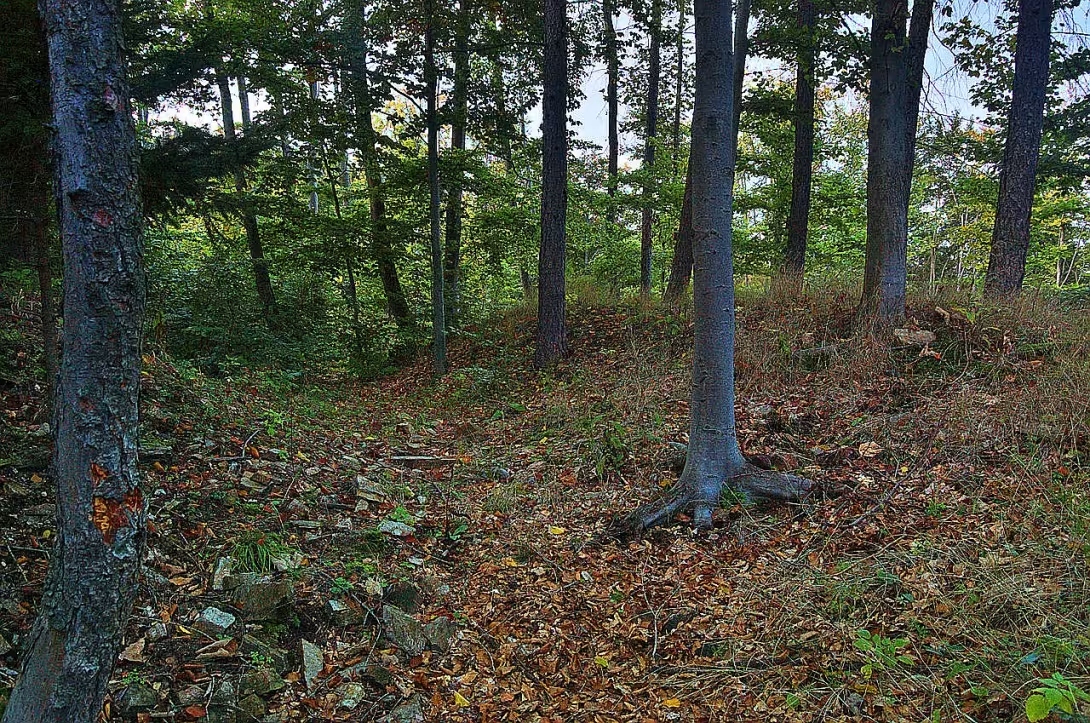
Objekt se nedochoval — na místě dnes nestojí. Následující text popisuje jeho historii, ne současnou návštěvu.
Plankenberk is not exactly known by name among visitors to Czech castles, of course - there is little left of this extinct castle in the Nectava Valley near Svitov today. Yet his fate speaks of the turbulent Middle Ages, when various powerful noblemen fought over the Moravian territory.
The castle was founded by the Moravian Margrave Jan Jindřich. After his death, he was inherited by his son Prokop Lucemburský, who, in 1386, awarded Plankenberk to Yeska Pušek of Kunštát in the summer. It was from that time that many clashes came between powerful nobles who were dragging each other for the right to this fortress. However, when the Margrave Wars were kindled in Moravia, Yesek Poška went to Jošt's side. Prokop Lucemburský then transferred the collateral to Jan from Boskovice, but the castle was held by Jošt's party, which from here raided its opponents.
Between Yesek Pushka and Jan of Boskovice, disputes broke out, which ended with a compromise - ownership received by Erhart ze Skal. The castle had long been desolate, but not completely destroyed. In 1421, the Hussites seized it and made it a military base. Over time, he became the subject of other property transactions. In 1437, Erhart's daughter, Sophie, sold the ruins to the Drahanovice.
A new impulse was given to Plankenberk during the Czech-Hungarian wars, when he was revived by the king's captain Václav Šatný z Ještěda. From here he led the attacks on the armies of Hungarian king Matthias Korvin. But these military activities were fatal to the castle - it was completely burned and destroyed during the wars.
From Plankenberka there are now little remains which have been protected as a cultural monument since 1964. Nevertheless, it bears witness to the turbulent history of the Moravian Markyza, where various powerful families dragged about the territory and where it was gradually used by both Hussite and Royal Governor Václav Šatný z Ještěda.
Then and now
Drag the slider to compare how the landmark may have looked when it was built with the view today.
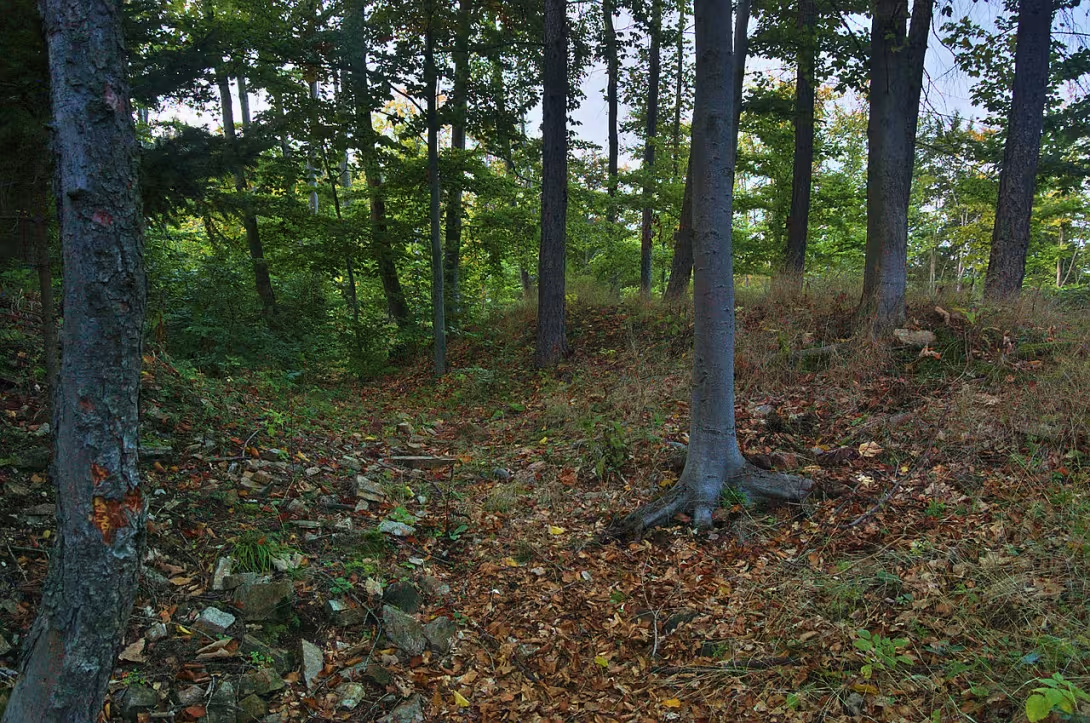
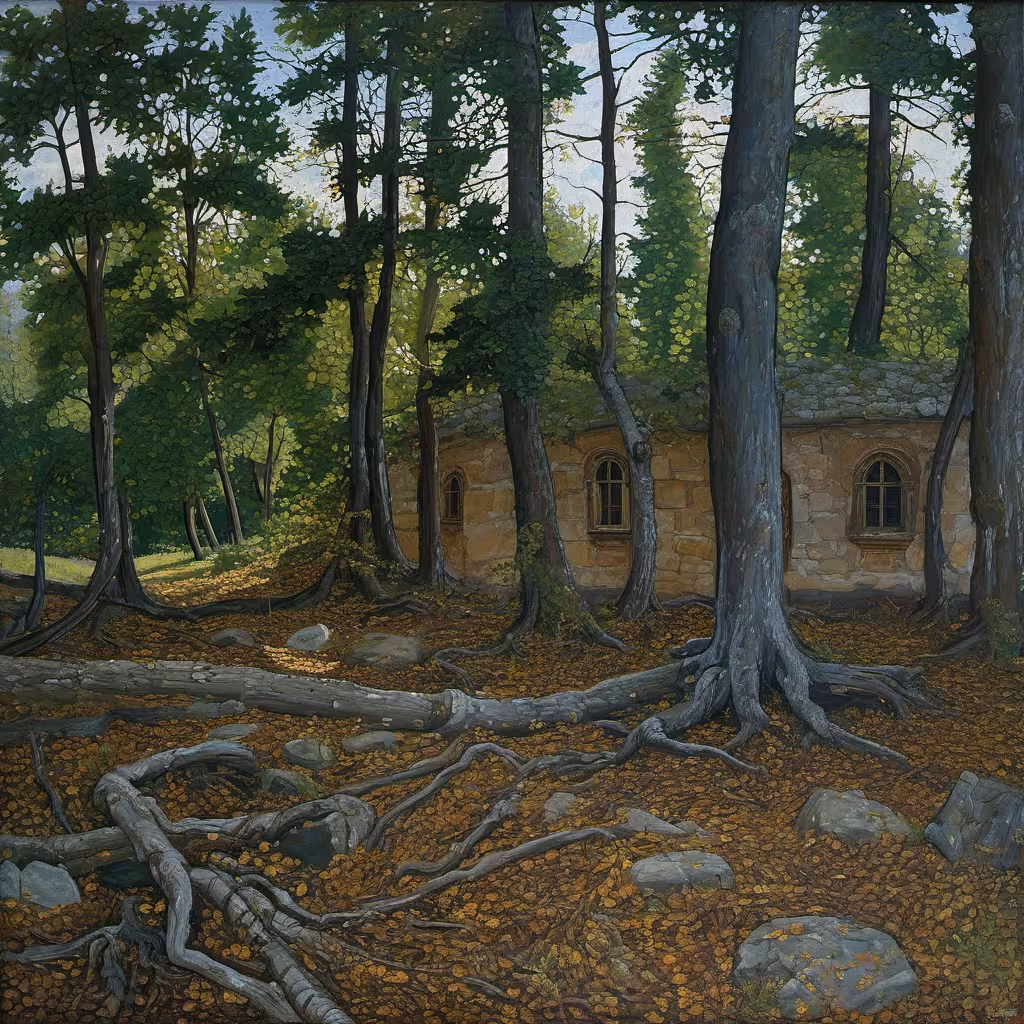
The historical appearance on the left is an AI-generated visualisation and serves as inspiration only.
Historical milestones
- 1361
- creation of the castle
- 1386
- Prokop Lucemburský awarded the castle to Jesek Pošek from Kunštát
- 1421
- the occupation of the hussite castle
- 1964
- declaration of cultural monument
Architectural development
The castle was built on a high edge, which was protected by two reduced bays. In the 15th century, the ruins of Václav Šatným of Jested were restored before the castle was finally destroyed.
Historical events
1421: occupation of the castle of husita and establishment of the base; 15th century: total burning and destruction of the castle during czech-hungarian wars.
Owners
Jan Jindřich, Prokop Lucemburský, Ješek Puška z Kunštátu, Jan z Boskovic, Erhart ze Skal, Žofie (daughter of Erhart), Vladic from Drahanovice, Václav Šatný z Ještěda
Points of interest
The castle was founded by the Moravian Margrave Jan Jindřich. In 1421, the Hussites seized it and used it as a military base. - The king's captain Václav Šatný z Ještěda led from here the attacks on the armies of Hungarian king Matthias Korvin. During the wars, the castle was completely burned and destroyed. - The rest of the building has been protected as a cultural monument since 1964.
Guide
This guide is narrated by a synthetic voice generated by artificial intelligence.
Show guide text
This text was created by artificial intelligence and has not been editorially reviewed. It may contain inaccuracies.
Welcome to Zálesí in Pardubice County. You're standing right in front of a place that once dominated the surrounding countryside, and now it's just quietly whispering its history of wind in the trees. Look around you at the space above the Nectava Valley. You may feel that you see only the remnants of the old ornaments or the grown green, but this is where Plankenberk is located. It is a castle that has disappeared and is no longer beautiful today, but its importance to our history is immense. Feel the atmosphere of this place and try to imagine what it looked like when there were still voices of soldiers and rustling the nobles.
Let us now return in time deep into the Middle Ages. Plankenberk was not created by accident. It was founded in the year of a thousand three hundred sixty-one Moravian Margrave Jan Henry. At that time, it was not only the building of a house for nobles, but, above all, a strategic point. Imagine this place as a key watchtower to guard the roads and protect the territory. The castle has been seen from the beginning as an important pillar of power, but this has also brought many unrest. It is because of its strategic position that Plankenberk has become the subject of many disputes between powerful families and has been involved in the Marcrabeans' wars that shook the countries back then.
Now pay attention to what you see before you. Since this is a lost castle, you will not see any high towers or hunts in full. Note, however, the terrain and ways in which the building was tied to the surrounding rock and valley. This natural protection was the main reason why the castle was founded here. Look at the remains of the glare and see how the architecture intersects with nature. Even though the builders of this castle are unknown, their work was so solid that even after centuries and after total destruction, there were traces that now allow us to identify this space.
If we move forward in time, we'll find interesting personalities who left a trail. In the year one thousand and three hundred and eighty-six, the castle was awarded by the Léna Prokop Lucemburský to JEŠK Pushka of Kunštát. That was the moment when the administration of the castle came into the hands of an important family. Plankenberk was not just a place of administration and peace. The history of this place is very stormy. In the year of a thousand four hundred twenty-one, the Hussite took him. For them, this castle was an ideal military base because of its inaccessibility and the view of the surroundings. So imagine how the silent castle turned into a disruptive military camp full of weapons and strategic plans.
It is also interesting how the castle was used in later times. Let us not forget characters like Jan z Boskovic or Erhart ze Skal who have been connected to this place. However, the peak of the tension was the time when the royal captain Václav Šatný z Ještěda worked here. He used Plankenberk as the starting point for the attacks on the armies of Hungarian king Matthias Korvin. So the castle was not only a passive witness to history, but an active tool in the fight for power and influence in our countries.
And now we come to the part that may be the most sad but fascinating. You may be asking why the castle looks like it does today. The answer lies in the fire. During the Czech-Hungarian wars Plankenberk was completely burned and destroyed. Fire is the greatest enemy in the history of castles, and in this case it was so devastating that the construction was never fully restored. The castle became a ruin, which gradually fit into oblivion, until in the year one thousand nine hundred sixty-four it was officially declared a cultural monument to preserve its remains for future generations.
Now try to close your eyes for a moment and imagine the contrast. On the one hand, the grave silence that rules here today, and on the other hand, the cracking of flames, the screaming of soldiers and the clanging of weapons during the last great attack. It is fascinating to think that beneath your feet lies layers of history, from the Moravian Margrave to the Hussite warriors to the royal captains. Plankenberk is a reminder of how fleeting human power is and how strong nature is, which gradually takes its territory back.
Now, I invite you to look around in peace. Go through the surrounding area and try to find places where there might be former walls or gates. Feel the wind blowing in this valley as it did hundreds of years ago when the castle stood here in full force. Plankenberk is no longer a castle complex, but it has become a symbol of endurance and a monument to the stormy times of our region.
Thank you for coming with us on a short journey through Plankenberk history. We hope this trip to the past has helped you better understand the spirit of this place. It is now up to you whether you will continue to explore the surrounding corners of Zálesí or go to another monument in our region. We wish you a pleasant continued journey and a beautiful day spent in the womb of history and nature. Goodbye.
For kids
Imagine coming back 661 years. You will stop in a deep forest where today you will find only the ruins of castle Plankenberk. It was like "On the Wall" and you just discovered a hidden treasure chest.
Who lived here? They were people who cared for a large part of this country. The castle was built in 1361 to serve as an administrative centre of the estate. This means that there were men and women from Plankenberka who managed the entire territory.
Businesses nearby
Do you run a restaurant, accommodation, shop, museum, rental, wellness or other visitor service near this monument? Show yourself directly to the people heading to it — this is how they will see you in the app and on the web:
Events nearby
Zdroj akcí: otevřená data měst a obcí ČR (Národní katalog otevřených dat) a kalendář akcí Národního památkového ústavu.
Nearby
🏰 Historic sites (121)
- Hradiště Hrubé Kolo 1.4 km
- sv. Jan Nepomucký 1.8 km
- Památník vítězů Biskupického kaléšku 1.9 km
- sv. Florián 1.9 km
- Pomník padlým letcům 2.5 km
- Hradiště 2.7 km
- Jaroměřice 3.1 km
- sv. Jan Nepomucký 3.3 km
- sv. Josef 5.2 km
- sv. Norbert 5.3 km
- Nejsvětější Trojice 5.3 km
- Tomáš Garrigue Masaryk 5.4 km
- sv. Jan Nepomucký 5.5 km
- sv. Mikuláš Tolentinský 5.6 km
- sv. Anna Samotřetí 5.7 km
- Zámek Jevíčko 5.7 km
- sv. Jan Nepomucký 6.1 km
- Hřbitov Ruských zajatců 6.3 km
- Durana - hradiště 6.3 km
- Sv. Jan Nepomucký 6.5 km
🍽️ Restaurants and dining (90)
- Hospůdka 1.6 km
- Hospoda U Zechů 1.9 km
- U Sedláka 2.7 km
- budka na sjezdovce 3.1 km
- Hanácká Krčma 3.2 km web
- U Trojanů 3.4 km web
- U římana 3.8 km
- Myslivecká hospoda 4.2 km
- Alster 5.3 km web
- Istanbul Kebap 5.3 km
- Bufet 5.4 km
- Žlíbka PUB 5.4 km Okružní I 637 +420 606 808 370
- Prima Pizzerie 5.5 km
- Sangria bar 5.5 km
- Restaurace Morava 5.5 km web
- Hostinec U Huberta 5.5 km
- Pivnice Sport 5.5 km
- U Apoštola 5.6 km +420 775 256 389 web
- Na Dvorci "Mrtvola" 5.8 km +420 603 536 421
- U hoteliérů 6.4 km
🏨 Accommodation (24)
- U Sedláka 2.7 km
- Penzion Hanácká Krčma 3.2 km +420775999654 web
- ubytovna TJ Slavoj Kladky 3.6 km
- Tělovýchovná jednota Jevíčko, z.s. 5.4 km +420 777 081 531
- Hotel Morava 5.5 km
- U apoštola 5.6 km
- Eden 7.8 km
- Old Mill Glamp 7.9 km Kozov 8 +46722244244 web
- Trnavský grunt 8.1 km +420604316913
- Valáškův grunt 8.4 km +420 585 346 312 web
- Ubytování 8.4 km +420 516 477 321 web
- Chata Jeskyňka 9.6 km
- Hotel Bouzov 10.0 km
- Světnička v podhradí 10.0 km web
- PadmaFarma 10.1 km +420 737 550 156 web
- Borotín 130 10.7 km +420608125027 web
- Penzion "43" 12.3 km +420732268231 web
- Pythagor Golf Hotel 13.3 km
- Penzion Podsedlová 13.6 km +420 777 590 082 web
- Střelnice 14.7 km web
🚲 Rentals and sport (7)
- Sportovní střelnice 8.7 km
- Posilovna 10.9 km
- Bike service 12.4 km
- Koupadlo 12.7 km
- SK Loštice 1923 14.1 km web
- Skatepark 14.3 km
- Cyklo Němčík 14.9 km Gorazdova 8 +420 608 861 453
🥾 Hiking and nature (201)
- Plankenberg 0.1 km
- Kamenná hora 0.6 km
- Hrubé Kolo 0.7 km
- Na Bivole 0.8 km
- Na vypáleném 1.4 km
- Horka 1.6 km
- Křesina 1.7 km
- Černý vrch 2.1 km
- Kamínek 2.3 km
- Táborová studánka 2.5 km
- Hradisko 2.7 km
- Hejk 2.7 km
- U hrubého kamene 2.8 km
- Zahálkovy skalky 2.9 km
- Proklest 3.1 km
- Liškovy skalky 3.7 km
- Zadní hora 4.3 km
- Ousov 4.5 km
- Vichoňova hora 4.6 km
- Ostrý vrch 4.7 km
Visualizations and artistic views


The visualisations are generated by artificial intelligence and serve as inspiration.
Photos from the area
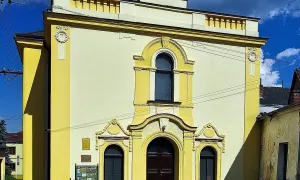
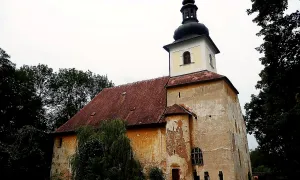
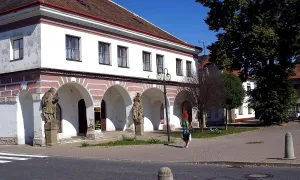
Real photos taken near the monument

Zdroj a licence jsou uvedeny u každého snímku.
Atmosphere of the place
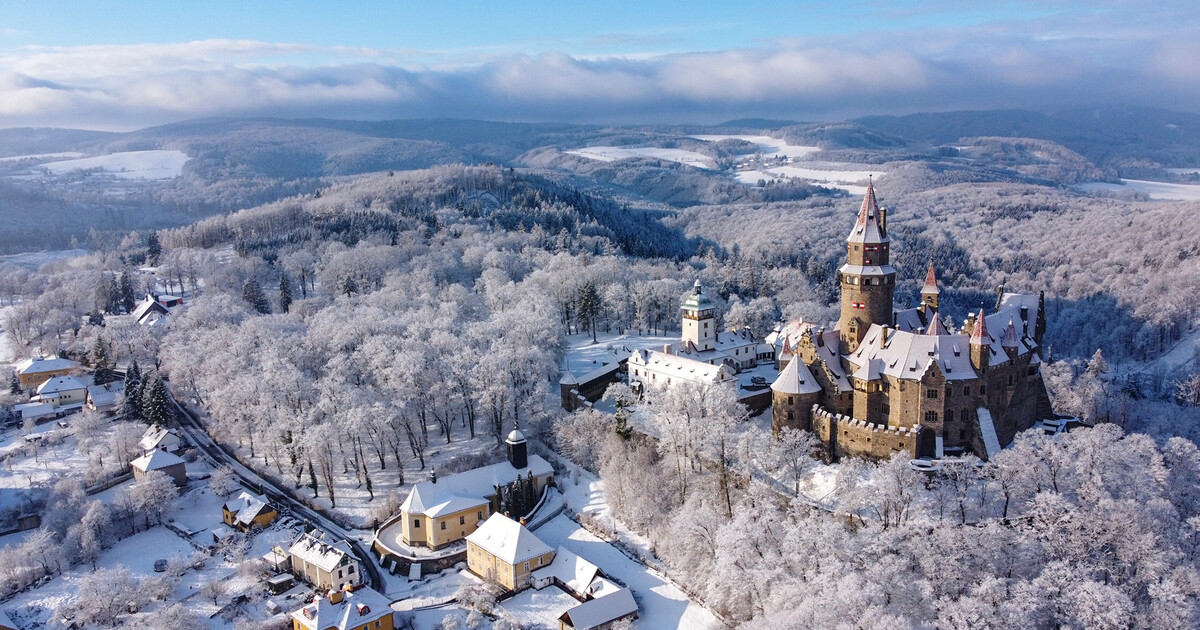
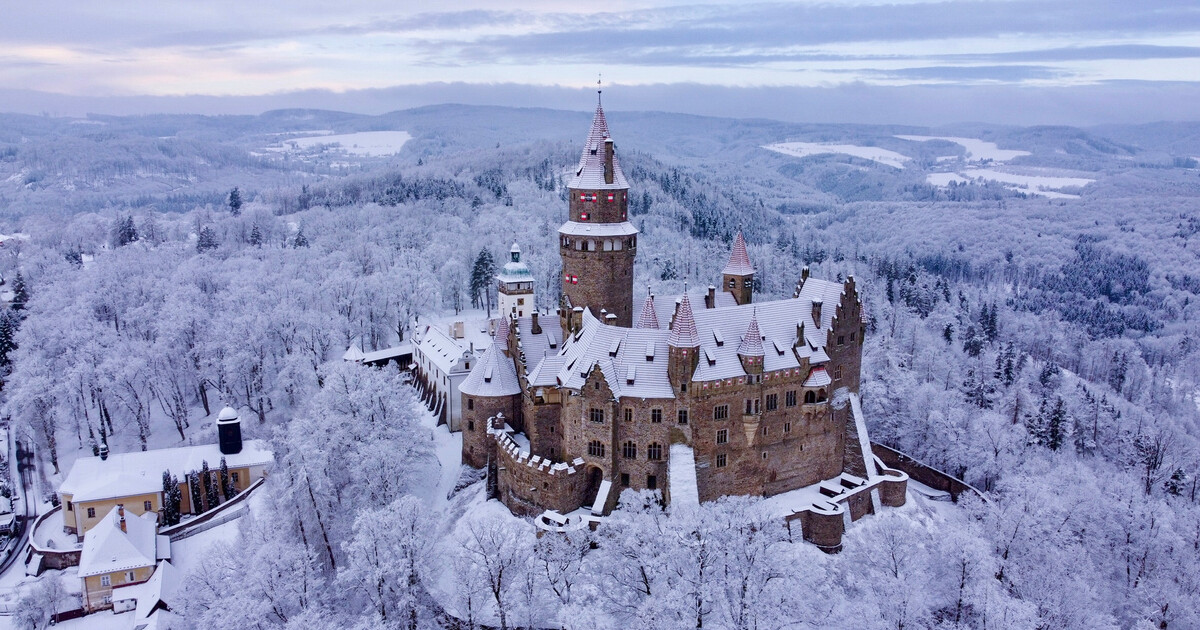
This atmospheric visualisation of the place and period was generated by artificial intelligence. It is not real footage of the location.
Tips from visitors
No tips yet. Be the first!
Log in and add your tip.
Sources and literature
Photos: Jiří Komárek / CC BY-SA 4.0 — Wikimedia Commons. The author and licence also appear when you hover over the image.
Faktickým podkladem tohoto textu byl článek na Wikipedii, jehož autory jsou přispěvatelé Wikipedie. Článek je dostupný pod licencí CC BY-SA 4.0.
Location on the map

Příběhy a pověsti
Legendy, pověsti a příběhy spjaté s touto památkou
Fotografie návštěvníků
Přidat fotografiiZatím žádné fotografie. Buďte první, kdo přidá fotografii z návštěvy!
Máte k místu vzpomínku nebo zajímavý příběh?
Log in a přidejte svou fotografii nebo hodnoťte.
Za ověřenou návštěvu v aplikaci získáte víc bodů — poznáme podle GPS, že jste na místě.
Reviews and comments